파키스탄, 몇 주간의 열띤 외교 끝에 미국-이란 평화 회담 개최
Pakistan hosts U.S.-Iran peace talks after weeks of frantic diplomacy
NPR
Betsy Joles
EN
2026-04-11 16:04
Translated
파키스탄의 수도 이슬라마바드는 이란과 미국의 지도자들, 특히 부통령 J.D. 밴스를 포함한 평화 회담을 개최할 예정이다.
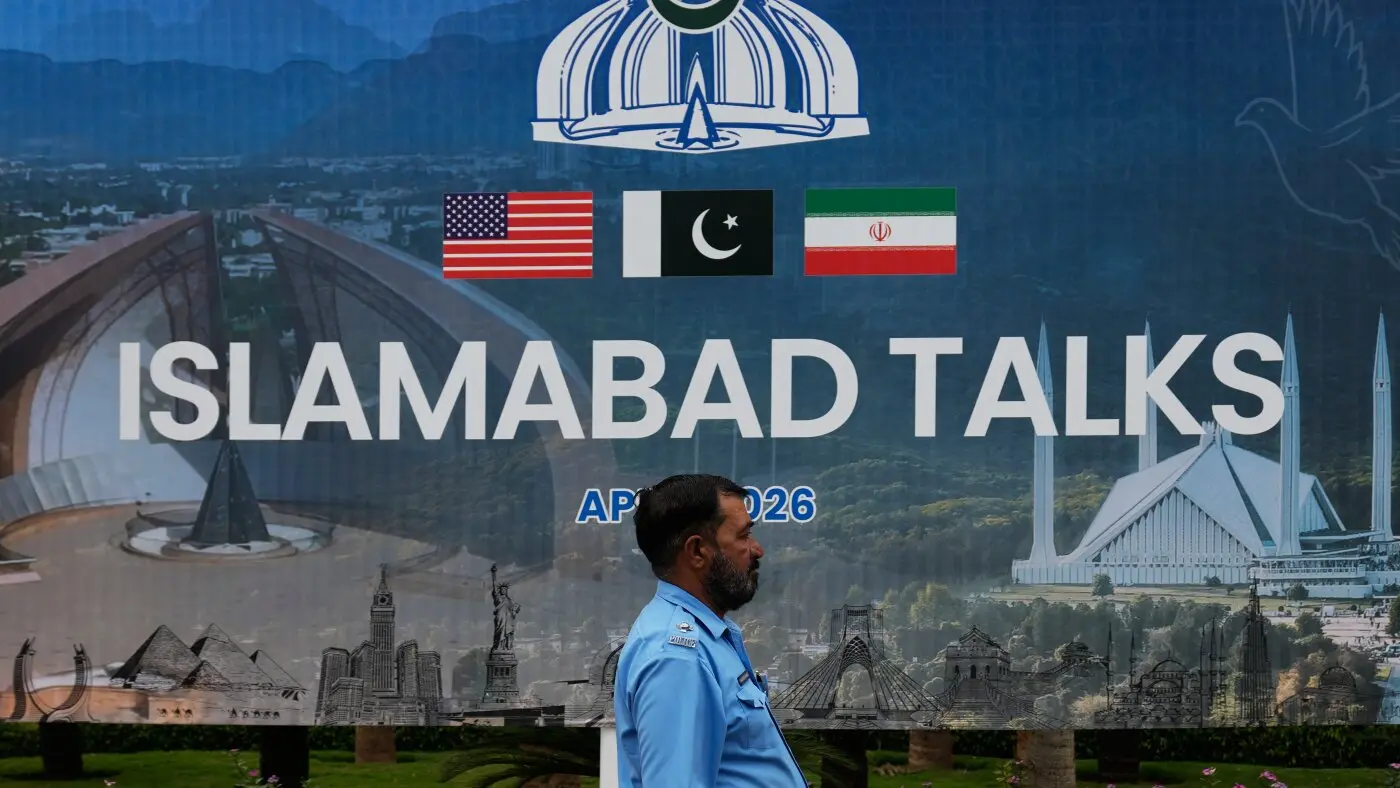
한 경찰관이 이슬라마바드의 언론 지원 센터 외부에서 미국과 이란 협상과 관련된 광고판을 지나가고 있다.
이슬라마바드 – 파키스탄의 수도 이슬라마바드는 부통령 J.D. 밴스를 포함한 이란과 미국의 협상가들과의 평화 회담을 개최할 예정이다. 이는 파키스탄의 지도자들이 벌인 몇 주간의 열띤 외교 활동의 결과물로, 파키스탄은 2주간의 휴전을 중재하는 데 도움을 줬다고 미국과 이란이 모두 인정한 핵심 중재자로서의 역할을 맡게 되었다.
이 회담은 파키스탄을 세계에서 가장 큰 뉴스의 중심에 놓았으며, 며칠 동안 고위급 대표단의 도착에 대비해온 도시의 평소 조용한 면모를 드러냈다. 회담을 앞두고 이슬라마바드의 많은 주민들은 자국의 외교적 노력이 실제로 효과를 봤다는 사실을 아직도 이해하려고 노력하고 있었다. "좀 놀랐어요"라고 시내 중심 근처의 쇼핑 지역 주차장에 서 있던 19살의 키즈라 자히르가 말했다. "파키스탄이 언제 이렇게 영향력 있는 나라가 되었나요?"
지난 3주간 파키스탄이 조용한 중개자에서 미국과 이란 간의 협상에 적극적으로 참여하는 국가로 전환되면서 이것이 중심 질문이 되었다. 파키스탄은 이집트, 터키, 사우디아라비아, 중국의 지도자들을 끌어들여 평화 노력을 지원하게 한 후 휴전안을 제시했다. 파키스탄의 총리 샤흐바즈 샤리프의 절박한 호소 직후 양측이 일시 중단에 합의했을 때 파키스탄의 개입의 진정한 의미가 명확해졌다.
트럼프 대통령과 이란의 외무부는 휴전 성명서에서 샤리프와 파키스탄 육군 참모장 아심 무니르를 언급했다. "이것은 매우 드문 일치라고 할 수 있습니다. 다른 어떤 나라도 양쪽으로부터 같은 종류의 신뢰를 누린 적이 없기 때문입니다"라고 국가안보 싱크탱크인 이슬라마바드정책연구소의 연구 담당이사 라시드 왈리 잔주아가 말했다. "양측 모두 탈출구를 찾고 있다고 말하는 것이 공정한 평가입니다."
이제 파키스탄은 이슬라마바드 회담에서 또 다른 어려운 과제에 직면해 있습니다. 취약한 휴전을 지속 가능한 것으로 바꾸기 위해 합의에 도달하도록 하는 것입니다. 회담이 성공하면 "파키스탄에 대한 세계적 인식이 급진적으로 변할 수 있다"고 이슬라마바드의 콰이드-이-아잠 대학교 명예교수 이쉬티아크 아흐마드는 말합니다. 특히 미국의 눈에는 파키스탄이 추구해온 이러한 글로벌 관련성이 국내의 정치적, 경제적 변동성으로 어려움을 겪고 있습니다. "파키스탄의 외교적 성과와 국내 상황 사이에는 단절이 있습니다"라고 아흐마드는 말합니다.
이슬라마바드 회담에서 파키스탄의 지속 가능한 평화 중재 역할을 방해할 수 있는 잠재적 걸림돌도 있습니다. 여기에는 호르무즈 해협과 레바논이 포함되는데, 레바논은 샤리프가 휴전 대상에 포함되어 있다고 선언한 후에도 이스라엘의 공격을 받았습니다. 레바논의 총리 나왑 살람은 목요일에 이러한 공격을 종료하기 위해 파키스탄의 도움을 직접 요청했습니다.
스팀슨센터의 남아시아 프로그램 선임 펠로우인 대니엘 마키는 파키스탄의 정치 지도부는 이스라엘을 "맞닥뜨리고 싶어 하는 세력"으로 보지 않는다고 말합니다. 부분적으로는 그 정책이 파키스탄에서 매우 인기가 없기 때문입니다. 이슬라마바드는 이스라엘을 외교적으로 인정하지 않으며, 과거에 이러한 정치적 냉각이 완화된다는 징후는 공분을 샀습니다.
그러므로 이슬라마바드의 회담은 대신 미국과 이란 간의 대화에 초점을 맞췄습니다. J.D. 밴스가 이끄는 미국 대표단과 의회 연사 모하마드 바게르 갈리바프와 외무장관 압바스 아라그치가 이끄는 이란 대표단은 토요일에 수도에 도착했습니다. 파키스탄의 총리 샤흐바즈 샤리프와 외무장관 이샤크 다르는 회담을 진행할 것으로 예상됩니다.
그들과 함께 파키스탄의 육군 참모장 아심 무니르와 정보부장 겸 국가안보자문관 아심 말리크는 국가의 외교적 노력에서 주요 역할을 했습니다. 휴전이 선언될 때까지 공식 세부 사항은 철저히 비밀로 유지되었습니다. 토요일 회담의 정확한 계획도 개최될 아침까지 철저히 비밀로 유지되었습니다.
이슬라마바드의 주민들은 대신 자신들의 도시가 어떤 역할을 할 것인지에 대해 추측하게 되었습니다. 이번 주 초, 이슬라마바드의 한 5성급 호텔은 "중요한 행사"를 위해 손님들을 모두 내보냈고, 정부는 목요일과 금요일에 이유를 제시하지 않은 채 이틀간의 휴일을 선포했습니다. "이슬라마바드 회담"에 대한 더 확실한 신호는 도시 곳곳에 조용히 나타난 이란, 미국, 파키스탄 국기를 나란히 보여주는 광고판입니다.
어떤 면에서 이슬라마바드는 이런 순간을 위해 만들어졌습니다. 이것은 모든 주요 도로가 외교 지역인 레드 존으로 통하는 정사각형 형태로 배열된 정부 도시입니다. 레드 존에는 정부 건물과 대부분의 대사관이 위치하며 보안이 강화되는 시간에 거대한 해운 컨테이너로 에워싸입니다.
회담 전 금요일에 평소 컨테이너는 없었지만 이슬라마바드에서 무언가 진행 중임을 시사하는 다른 징후들이 있었습니다. 철조망 줄, 콘크리트 장벽, 도로를 막은 경찰차들이 있었고, 통근자들을 길을 잃게 한 우회로를 강요했습니다. 자동차들은 교통 체증을 피하기 위해 주요 고속도로에서 잘못된 방향으로 흘러갔고, 경찰은 운전자들을 원래 온 곳으로 돌려보내도록 필사적으로 손을 흔들었습니다.
43세의 무함마드 와심은 막힌 도로 옆에 아들과 함께 서서 그들을 집으로 데려갈 오토바이 기사를 찾으려고 노력했습니다. 그는 불편함이 파키스탄의 평화 프로세스 역할을 위한 작은 대가라고 말했습니다.
"평화 회담이 진행 중이니까 이를 위해 우리는 타협해야 합니다."
이슬라마바드 – 파키스탄의 수도 이슬라마바드는 부통령 J.D. 밴스를 포함한 이란과 미국의 협상가들과의 평화 회담을 개최할 예정이다. 이는 파키스탄의 지도자들이 벌인 몇 주간의 열띤 외교 활동의 결과물로, 파키스탄은 2주간의 휴전을 중재하는 데 도움을 줬다고 미국과 이란이 모두 인정한 핵심 중재자로서의 역할을 맡게 되었다.
이 회담은 파키스탄을 세계에서 가장 큰 뉴스의 중심에 놓았으며, 며칠 동안 고위급 대표단의 도착에 대비해온 도시의 평소 조용한 면모를 드러냈다. 회담을 앞두고 이슬라마바드의 많은 주민들은 자국의 외교적 노력이 실제로 효과를 봤다는 사실을 아직도 이해하려고 노력하고 있었다. "좀 놀랐어요"라고 시내 중심 근처의 쇼핑 지역 주차장에 서 있던 19살의 키즈라 자히르가 말했다. "파키스탄이 언제 이렇게 영향력 있는 나라가 되었나요?"
지난 3주간 파키스탄이 조용한 중개자에서 미국과 이란 간의 협상에 적극적으로 참여하는 국가로 전환되면서 이것이 중심 질문이 되었다. 파키스탄은 이집트, 터키, 사우디아라비아, 중국의 지도자들을 끌어들여 평화 노력을 지원하게 한 후 휴전안을 제시했다. 파키스탄의 총리 샤흐바즈 샤리프의 절박한 호소 직후 양측이 일시 중단에 합의했을 때 파키스탄의 개입의 진정한 의미가 명확해졌다.
트럼프 대통령과 이란의 외무부는 휴전 성명서에서 샤리프와 파키스탄 육군 참모장 아심 무니르를 언급했다. "이것은 매우 드문 일치라고 할 수 있습니다. 다른 어떤 나라도 양쪽으로부터 같은 종류의 신뢰를 누린 적이 없기 때문입니다"라고 국가안보 싱크탱크인 이슬라마바드정책연구소의 연구 담당이사 라시드 왈리 잔주아가 말했다. "양측 모두 탈출구를 찾고 있다고 말하는 것이 공정한 평가입니다."
이제 파키스탄은 이슬라마바드 회담에서 또 다른 어려운 과제에 직면해 있습니다. 취약한 휴전을 지속 가능한 것으로 바꾸기 위해 합의에 도달하도록 하는 것입니다. 회담이 성공하면 "파키스탄에 대한 세계적 인식이 급진적으로 변할 수 있다"고 이슬라마바드의 콰이드-이-아잠 대학교 명예교수 이쉬티아크 아흐마드는 말합니다. 특히 미국의 눈에는 파키스탄이 추구해온 이러한 글로벌 관련성이 국내의 정치적, 경제적 변동성으로 어려움을 겪고 있습니다. "파키스탄의 외교적 성과와 국내 상황 사이에는 단절이 있습니다"라고 아흐마드는 말합니다.
이슬라마바드 회담에서 파키스탄의 지속 가능한 평화 중재 역할을 방해할 수 있는 잠재적 걸림돌도 있습니다. 여기에는 호르무즈 해협과 레바논이 포함되는데, 레바논은 샤리프가 휴전 대상에 포함되어 있다고 선언한 후에도 이스라엘의 공격을 받았습니다. 레바논의 총리 나왑 살람은 목요일에 이러한 공격을 종료하기 위해 파키스탄의 도움을 직접 요청했습니다.
스팀슨센터의 남아시아 프로그램 선임 펠로우인 대니엘 마키는 파키스탄의 정치 지도부는 이스라엘을 "맞닥뜨리고 싶어 하는 세력"으로 보지 않는다고 말합니다. 부분적으로는 그 정책이 파키스탄에서 매우 인기가 없기 때문입니다. 이슬라마바드는 이스라엘을 외교적으로 인정하지 않으며, 과거에 이러한 정치적 냉각이 완화된다는 징후는 공분을 샀습니다.
그러므로 이슬라마바드의 회담은 대신 미국과 이란 간의 대화에 초점을 맞췄습니다. J.D. 밴스가 이끄는 미국 대표단과 의회 연사 모하마드 바게르 갈리바프와 외무장관 압바스 아라그치가 이끄는 이란 대표단은 토요일에 수도에 도착했습니다. 파키스탄의 총리 샤흐바즈 샤리프와 외무장관 이샤크 다르는 회담을 진행할 것으로 예상됩니다.
그들과 함께 파키스탄의 육군 참모장 아심 무니르와 정보부장 겸 국가안보자문관 아심 말리크는 국가의 외교적 노력에서 주요 역할을 했습니다. 휴전이 선언될 때까지 공식 세부 사항은 철저히 비밀로 유지되었습니다. 토요일 회담의 정확한 계획도 개최될 아침까지 철저히 비밀로 유지되었습니다.
이슬라마바드의 주민들은 대신 자신들의 도시가 어떤 역할을 할 것인지에 대해 추측하게 되었습니다. 이번 주 초, 이슬라마바드의 한 5성급 호텔은 "중요한 행사"를 위해 손님들을 모두 내보냈고, 정부는 목요일과 금요일에 이유를 제시하지 않은 채 이틀간의 휴일을 선포했습니다. "이슬라마바드 회담"에 대한 더 확실한 신호는 도시 곳곳에 조용히 나타난 이란, 미국, 파키스탄 국기를 나란히 보여주는 광고판입니다.
어떤 면에서 이슬라마바드는 이런 순간을 위해 만들어졌습니다. 이것은 모든 주요 도로가 외교 지역인 레드 존으로 통하는 정사각형 형태로 배열된 정부 도시입니다. 레드 존에는 정부 건물과 대부분의 대사관이 위치하며 보안이 강화되는 시간에 거대한 해운 컨테이너로 에워싸입니다.
회담 전 금요일에 평소 컨테이너는 없었지만 이슬라마바드에서 무언가 진행 중임을 시사하는 다른 징후들이 있었습니다. 철조망 줄, 콘크리트 장벽, 도로를 막은 경찰차들이 있었고, 통근자들을 길을 잃게 한 우회로를 강요했습니다. 자동차들은 교통 체증을 피하기 위해 주요 고속도로에서 잘못된 방향으로 흘러갔고, 경찰은 운전자들을 원래 온 곳으로 돌려보내도록 필사적으로 손을 흔들었습니다.
43세의 무함마드 와심은 막힌 도로 옆에 아들과 함께 서서 그들을 집으로 데려갈 오토바이 기사를 찾으려고 노력했습니다. 그는 불편함이 파키스탄의 평화 프로세스 역할을 위한 작은 대가라고 말했습니다.
"평화 회담이 진행 중이니까 이를 위해 우리는 타협해야 합니다."
처리 완료 5,257 tokens · $0.0148
기사 수집 완료 · 16:25
매체 피드에서 기사 메타데이터 수집
헤드라인 번역 완료 · 16:37
제목/요약 한국어 번역 (fetch 시점 inline)
claude-haiku-4-5-20251001
226 tokens
$0.00058
2.4s
본문 추출 완료
6,237자 추출 완료
본문 한국어 번역 완료 · 16:37
2,679자 번역 완료
claude-haiku-4-5-20251001
5,031 tokens
$0.01417
33.4s
지정학적 엔티티 추출 완료 · 16:37
8개 엔티티 추출 완료
Pakistan's capital, Islamabad, is set to host peace talks today with leaders from Iran and the US, including Vice President J.D. Vance.
A police officer walks past a billboard regarding the United States and Iran negotiations, outside a media facilitation center in Islamabad, Pakistan, Saturday, April 11, 2026.Anjum Naveed/AP
hide caption
ISLAMABAD – Pakistan's capital, Islamabad, is set to host peace talks today with negotiators from Iran and the US, including Vice President J.D. Vance. It's the culmination of weeks of frantic diplomacy by Pakistan's leaders, who pitched the city as the venue for talks even before they took the lead as a key mediator that both the U.S. and Iran credited for helping broker a two-week ceasefire.
The meeting has put Pakistan at the center of the biggest story in the world, spotlighting its normally sleepy capital that has been preparing for days for high-profile delegations to arrive. Ahead of the talks, many in Islamabad were still trying to get their heads around the fact that their country's diplomatic efforts actually worked. "I'm a bit surprised," says 19-year-old Khizra Zaheer, standing in a parking lot of a shopping area near the center of the city. "When did Pakistan get so influential?"
That has been a central question in the past three weeks as Pakistan transitioned from a quiet go-between to an active participant in negotiations between the US and Iran, pulling in leaders from Egypt, Turkey, Saudi Arabia, and China to support its peace efforts before putting forward a ceasefire plan. The true significance of Pakistan's intervention only became clear when both sides agreed to a pause shortly after a down-to-the-wire plea from the country's prime minister, Shehbaz Sharif.
President Trump and Iran's foreign ministry went on to name Sharif and Pakistani army chief Asim Munir, in their ceasefire announcements. "That was a very rare concurrence, because no other country enjoyed the same kind of trust from both parties," says Rasheed Wali Janjua, director of research at the Islamabad Policy Research Institute, a national security think-tank. "It's a fair assessment to say that both parties are looking for a way out."
Vice President JD Vance walks to speak with the Press before boarding Air Force Two, Friday, April 10, 2026, at Joint Base Andrews, Md., for expected departure to Pakistan, for talks on Iran.
Jacquelyn Martin/AP
hide caption
Now, Pakistan faces another difficult task during its Islamabad talks: trying to get them to reach an agreement that can turn a fragile ceasefire into something that lasts. If the talks succeed, it could lead to "radically changed perceptions of Pakistan" in the world, says Ishtiaq Ahmad, professor emeritus at Quaid-i-Azam University in Islamabad. That global relevance, especially in the eyes of the US, is something that Pakistan has pushed for, even as it has struggled with political and economic volatility at home. "There is a disconnect between Pakistan's diplomatic achievement and the situation back home," Ahmad says.
There are also potential sticking points for the Islamabad talks that could derail Pakistan's ability to act as a broker of lasting peace, including the Strait of Hormuz and Lebanon – which has come under Israeli attack even after Sharif declared it was covered by the ceasefire. Lebanon's Prime Minister Nawaf Salam sought Pakistan's help directly on Thursday to bring an end to these attacks.
Daniel Markey, a senior fellow with the South Asia program at the Stimson Center, says Pakistan's political leadership doesn't see Israel as "a force that it wants to reckon with," in part because its policies are deeply unpopular there. Islamabad does not recognize Israel diplomatically, and any signs in the past of that political chill easing have been met with public fury.
So, talks in Islamabad have instead focused on dialogue between the United States and Iran. The U.S. delegation, led by J.D. Vance, and Iran's delegation, led by parliamentary speaker Mohammad Bagher Ghalibaf and foreign minister Abbas Araghchi, arrived in the capital Saturday. Pakistan's prime minister, Shehbaz Sharif, and foreign minister, Ishaq Dar, are expected to facilitate the talks.
Police officers take position in Islamabad, Pakistan, to ensure security ahead of possible negotiations between Iran and the United States, Friday, April 10, 2026.
Anjum Naveed/AP
hide caption
They, along with Pakistan's army chief Asim Munir and intelligence chief turned National Security Advisor, Asim Malik, have been main players in the country's diplomatic efforts – the official details of which were kept under tight wraps until a ceasefire was announced. The exact plan for Saturday's meeting has also been heavily guarded, even up until the morning it is set to take place.
Residents of Islamabad have instead been left reading between the lines about the role their city will play. Earlier this week, a five-star hotel in Islamabad was cleared of its guests for "an important event," and the government declared a two-day holiday on Thursday and Friday, without providing a reason. A more decisive nod to the "Islamabad Talks" is a slew of billboards that have quietly popped up around the city showing Iranian, American, and Pakistani flags side by side.
Islamabad was in many ways built for a moment like this; It's a government city arranged in a neat rectangle that has all major roads leading to the Red Zone, a diplomatic sector housing government buildings and most embassies, which regularly gets cordoned off with hulking shipping containers during moments of heightened security.
On Friday before the talks, the usual containers were absent, but there were other signs that something is underfoot in Islamabad: lines of barbed wire, concrete barriers, and police cars blocking roads – forcing diversions that left commuters stranded. Cars careened the wrong way on major highways to avoid traffic jams, and police frantically waved down their drivers to turn them back where they came from.
Muhammad Waseem, 43, stood on the side of a blocked road with his son, trying to find a motorbike rider who would pick them up and bring them home. He said the inconvenience is a small price to pay for Pakistan's role in the peace process.
"Peace talks are going on, so for this we should compromise."