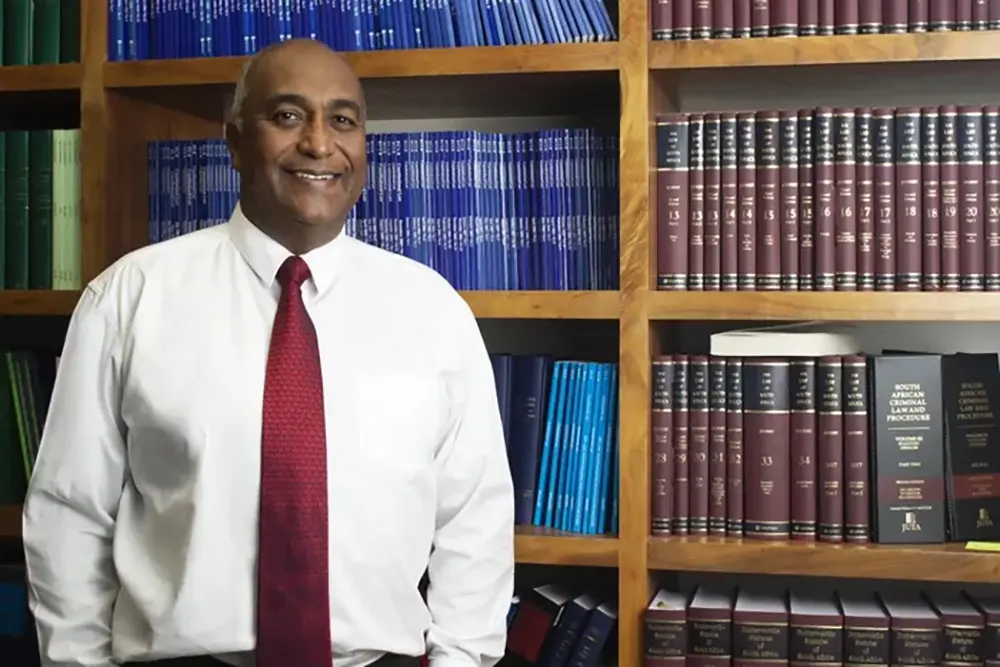
부고: 태스웰 파피에르 판사: 가장 소외된 자들을 위한 '정의의 방패'
OBITUARY: Judge Taswell Papier: A ‘shield of justice’ for the most marginalised
Daily Maverick
Herman Lategan
EN
2026-04-10 21:59
Translated
서케이프 주 고등법원 판사 태스웰 파피에르는 빈곤층의 사법 접근성을 옹호했으며 남아프리카 민주화 이후 사법부의 기둥이 되었다.
법정에서 진실보다 드문 종류의 변호사가 있는데, 그는 다른 누구도 맡지 않을 사건을 맡고, 비용을 청구하지 않으며, 편안하게 잠을 잔다. 태스웰 파피에르는 그런 사람이었다.
나중에 서케이프 주 고등법원의 판사가 되었을 때도 같은 신념을 유지했다: 법은 아무리 웅장한 구조를 가지고 있어도 그것을 헤쳐나갈 능력이 가장 부족한 사람들을 위해 존재한다는 신념이었다. 그가 2026년 4월 7일 64세의 나이에 4년간 췌장암과 싸우다 사망했을 때, 남아프리카는 40년간 학생 활동가 시절 자신에게 한 약속을 지켜온 법관을 잃었다.
태스웰 데즈먼드 파피에르 판사는 케이프타운의 서쪽 가장자리를 형성한 지역사회에서 자라났으며, 그곳은 소박한 집들, 경찰 통금, 그리고 인간을 피부색으로 분류하는 정부가 있는 세상이었다. 그는 애틀론의 세인트 컬럼바스 고등학교에서 학교를 마친 후 법학을 공부하기 위해 웨스턴케이프 대학교(UWC)에 입학했다.
아파르트헤이트 체제에 의해 소위 '혼혈' 학생들을 위한 기관으로 설립된 이 대학교는 정부가 의도하지 않은 것으로 변해 있었다: 저항의 용광로가 된 것이었다. 파피에르는 그렇게 만든 사람들 중 한 명이었다. 그는 비상사태, 대량 체포, 그리고 국가의 자국민에 대한 폭력 증가 속에서 공부했다.
"만약 UWC가 없었다면 저는 아마도 변호사가 아니었을 것이고 결과적으로 판사도 아니었을 것입니다"라고 그는 나중에 말했다.
졸업 후 파피에르는 검사로 일했고, 그 후 수습을 마친 후 케이프타운 남부 반도의 택시(시골마을) 미첼스 플레인에서 자신의 법률사무소를 열었다. 이어진 17년 동안 그의 사무실은 상업 회사라기보다는 지역사회 피난처에 더 가까워졌다. 그는 시위 중 경찰에 체포된 많은 학생과 학교 학습자들, 그리고 반역, 파괴행위, 금지된 조직 가입 혐의로 기소된 해방 운동 회원들을 대리했다. 이 중 많은 일을 그는 무료로 했다.
고인 기자 카리마 브라운의 어머니이자 오랫동안의 가족 친구인 루슈다 세마르는 그 시절의 그들의 일의 무게를 회상한다.
"우리는 피의자들을 감옥 세포에 오래 머물지 않게 하기 위해 야간 법정을 열었고, 피의자 가족들을 지원했습니다. 파피에르의 관심을 끌지 못할 만큼 크거나 작은 것은 없었으며, '아니오'라는 단어는 그가 거의 사용하지 않던 단어였습니다"라고 그녀는 말했다.
미첼스 플레인에서 젊은 수습 변호사로 파피에르를 처음 만난 배로니스 헨리는 그 당시 만난 남자와 그가 남아있던 남자의 초상을 제시한다.
"조용하고 겸손한 신사"라고 그녀는 말한다. "그가 선임 변호사가 되었을 때, 그리고 나중에 판사가 되었을 때도 그는 차분하고 소박한 남자로 남았으며, 어떤 자의식도 없었습니다."
하버드 로스쿨의 인권 프로그램 장학금은 중요한 순간에 왔다: SA는 첫 민주주의 선거를 치르고 있었고, 그 권리를 위해 싸운 사람들을 방어하는 데 몇 년을 보낸 남자가 이제 그것을 보호할 수 있는 국제적 틀을 공부하고 있었다. 그는 거기서 인권 법학 석사 학위를 완료한 후 미첼스 플레인으로 돌아왔고, 자신의 관행으로 돌아갔다.
파피에르의 회사는 결국 SA의 가장 큰 법률 회사 중 하나인 ENSafrica(이전의 소네베르그, 호프만 & 갈롬빅)와 합병되었으며, 그곳에서 그는 기업 및 상업법을 전문으로 하는 선임 파트너가 되었다. 이 움직임은 훈련받지 않은 눈에는 원칙으로부터의 후퇴처럼 보일 수 있었다. 그것은 전혀 그런 것이 아니었다.
ENSafrica에서 파피에르는 무료 법률서비스 부서를 이끌었고 조용히 자발적 제스처였던 것을 제도적 기대로 변환했다. 그는 법률 전문직 전체에 걸쳐 무료 법률서비스 프로그램을 개척했으며, 그것들이 변호사와 법정대리인 모두를 위한 전문적 요구사항이 되어야 한다고 성공적으로 주장했다.
이 일은 그에게 국제적 인정을 가져다주었으며, 영국 글로벌 로이어 오브 더 이어 상을 포함했으며, 이는 인권과 정의 접근에 대한 그의 기여에 대한 명예이며, 보스턴의 법률 관행 관리 대학의 펠로우십을 받았다.
선거 중 남아프리카 민족회의의 법률 특별팀에서 파피에르와 함께 봉사한 친구, 동지, 그리고 동료 법률가인 롯드 솔로몬스 변호사는 말한다. "그는 항상 먼저 경청하고 나중에 행동한다고 믿었습니다. 그는 대립을 위한 사람이 아니었으며, 윈-윈 해결책을 찾는 것이었습니다. 그의 명확한 사고는 매우 뛰어났으며, 그를 곁에 두는 것이 위안이 되었습니다. 그의 죽음은 벤치와 우리 판례법의 손실입니다. 왜냐하면 그는 여전히 많은 것을 기여할 수 있었기 때문입니다."
그는 계속 공부했으며, 케이프타운 대학교에서 상업법 법학 석사 학위를 얻었고, 런던 중재 학교에서 중재 증명서를 받았다. 자격 증명의 축적은 야심보다는 습관이었다: 그는 학습하지 않을 수 없는 본질적으로 구성되어 있었다.
파피에르의 일부 동료들은 오랫동안 그가 사법부 자료라고 생각했다. 그는 2017년 11월 벤치에 항구적으로 임명되기 전에 서케이프 주 고등법원에서 두 번의 별도 경우에 임시 자격으로 봉사했으며, 이는 그가 많은 공직을 역임한 민주 변호사 전국 협회의 동료들로부터의 추천이었다.
벤치에서 그는 헌법적 권리, 행정 정의, 그리고 공정한 법적 원칙의 발전을 돕기 위해 도움이 되는 문제들을 주재했다. 그러나 일부 법관들은 나중에 탄핵된 당시 서케이프 주 고등법원의 판사장 존 흘로페 박사와의 그의 긴밀한 관계가 문제가 되었으며 아첨에 가까웠다고 주장한다. 그는 비평가들에 의해 흘로페의 동맹이라고 불렸다.
그의 아내이자 37년 동안 결혼한 교수 조이 파피에르는 자신이 결혼한 남자를 다음과 같이 묘사한다: "항상 공손하고, 올바른 방식으로 일을 하는 데 엄격했습니다. 그는 모든 사람을 위한 정의에 깊이 전념했으며, 법은 가장 소외된 사람들을 섬겨야 한다고 믿었습니다."
그의 친구이자 동료인 빈센트 살다냐 판사는 말한다: "태스웰 파피에르 판사는 단순히 서케이프 고등법원 벤치의 동료 이상이었습니다. 우리는 1980년대 학생 시위의 격동의 해에 법학생으로 시작된 수십 년에 걸친 친밀한 우정을 누렸습니다.
"태스웰은 나중에 변호사로서의 역할로까지 확대된 깊이 있는 행동주의자였습니다. 그 외에도, 그는 사랑하는 가족과 많은 시간을 보냈고, 사랑하는 아내 조이와 광범위하게 여행했으며, 종종 동해안 주변에 보트를 항해했고, 자신의 아름다운 정원 [스틴베르그 부동산]에서 수시간을 보냈으며, 토요일 아침 '박키 빌더'라는 제목을 명예롭게 여겼으며 그는 개인적으로 그의 집에서 모든 일을 열정과 열의로 직접 관리했습니다. 친구로서 그리고 다른 많은 사람들에게, 그는 정신의 관대함을 보여주었습니다"라고 그는 말한다.
케이프타운의 세인트 조지 대성당의 은퇴한 학장인 마이클 위더 신부는 말한다: "나는 [넬슨] 만델라가 석방된 후 몇 개월 후에 태스웰을 만났습니다. 보지역의 도시인 애쉬톤이 1980년대의 투쟁 저항의 수년 간에는 일어나지 않았던 방식으로 폭발했으며, 사람들이 체포된 수준에서 우리는 종종 변호사를 데려와야 했습니다. 웨스턴 주의 교회 위원회의 의존성 회의는 우스터 기반 변호사를 제공했습니다"라고 그는 말했다.
"내 배우자인 보니타는 의존성 회의에 전화하는 동안 '검은 변호사를 요청하세요'라고 말했고, 그녀는 여기의 사람들이 백인에 의해 억압되고, 그들은 괴롭히고 위협을 받으며, 그들의 전체 삶의 질 - 그것이 부정적이고 뒤집힌 것 - 모든 것이 백인에 의해 규제된다고 말했습니다.
"그렇게 우리는 태스웰 파피에르를 만났습니다"라고 그는 말한다. "한 토요일 저녁 경찰관이 애쉬톤에 왔습니다. 그곳의 펍에서 술에 취해 있었습니다. 약간 거칠게 당했습니다, 약간, 그의 서비스 총을 빼앗겼습니다. 그것을 내가 보관하도록 가져왔습니다.
"그 같은 날 나는 6월 16일 관련 문제에 대해 브레다스도르프에서 말해야 했습니다. 나는 늦은 밤에만 돌아왔고 일요일에 내 목사 방문을 해야 했습니다. 나는 일찍 길을 나섰고 점심 무렵에 돌아왔습니다. 나는 태스웰에 전화했고 총으로 무엇을 해야 하는지 물었습니다.
"그는 경찰에 그것을 가져가라고 말했습니다. 내가 전화를 끊으면서 문에 노크 소리가 납니다. 그것은 지역 형사였습니다; 그는 총을 찾았습니다. 나는 불법 총기 소유 혐의를 받았습니다. 라이센스 없이 5개 정도의 혐의가 있었고, 태스웰이 나를 혐의에서 벗겨낸 사람이었습니다. 한 남자와 그의 사랑하는 아내 조이는 선물이었으며, 말로 형용할 수 없을 정도로 매력적입니다"라고 그는 말했다.
파피에르를 알던 사람들은 같은 단어를 찾는다: 자기 철저한 그리고 족벌적인. 그는 젊은 변호사를 멘토링했으며, 자신의 중요성에 관심이 없는 사람만이 할 수 있는 방식으로 학생과 경력 초기 실무자들을 자신의 사용 가능하게 만들었다. 추도문에서, 웨스턴케이프 대학교의 법학부 학장인 자크 드 빌 교수는 파피에르가 UWC의 가속 우수성 프로그램의 학생을 법원 소송에 참석하도록 초대한 방법을 회상했으며, 그는 그의 공식적인 성취만큼이나 그 남자의 특징이다.
"불이익을 당신의 이점으로 사용하고, 항상 다른 사람의 어려움을 해결하기 위해 어떤 방식으로든 기여하세요"라고 파피에르는 한 때 UWC의 학생들에게 말했다. "힘든 일을 대신할 것은 없습니다. 건설적이고, 포용적이고, 통합하는 접근 방식을 취하세요."
남아프리카 공화국의 베냉과 토고 대사 루비 마크스는 말한다: "케이프 플랫스로 형성된 그는 필요할 때 정의의 방패로 용감하게 봉사했습니다."
파피에르는 법이 권력이 가장 부족한 사람들을 향해 구부러져야 한다는 신조를 남긴다. 그는 아내 조이 파피에르 교수, 아들 로스코, 딸 카일라, 그리고 어머니, 아버지, 누나가 뒤에 남겨졌습니다. DM
태스웰 파피에르 판사, 1961년 11월 6일 출생, 2026년 4월 7일 사망.
나중에 서케이프 주 고등법원의 판사가 되었을 때도 같은 신념을 유지했다: 법은 아무리 웅장한 구조를 가지고 있어도 그것을 헤쳐나갈 능력이 가장 부족한 사람들을 위해 존재한다는 신념이었다. 그가 2026년 4월 7일 64세의 나이에 4년간 췌장암과 싸우다 사망했을 때, 남아프리카는 40년간 학생 활동가 시절 자신에게 한 약속을 지켜온 법관을 잃었다.
태스웰 데즈먼드 파피에르 판사는 케이프타운의 서쪽 가장자리를 형성한 지역사회에서 자라났으며, 그곳은 소박한 집들, 경찰 통금, 그리고 인간을 피부색으로 분류하는 정부가 있는 세상이었다. 그는 애틀론의 세인트 컬럼바스 고등학교에서 학교를 마친 후 법학을 공부하기 위해 웨스턴케이프 대학교(UWC)에 입학했다.
아파르트헤이트 체제에 의해 소위 '혼혈' 학생들을 위한 기관으로 설립된 이 대학교는 정부가 의도하지 않은 것으로 변해 있었다: 저항의 용광로가 된 것이었다. 파피에르는 그렇게 만든 사람들 중 한 명이었다. 그는 비상사태, 대량 체포, 그리고 국가의 자국민에 대한 폭력 증가 속에서 공부했다.
"만약 UWC가 없었다면 저는 아마도 변호사가 아니었을 것이고 결과적으로 판사도 아니었을 것입니다"라고 그는 나중에 말했다.
졸업 후 파피에르는 검사로 일했고, 그 후 수습을 마친 후 케이프타운 남부 반도의 택시(시골마을) 미첼스 플레인에서 자신의 법률사무소를 열었다. 이어진 17년 동안 그의 사무실은 상업 회사라기보다는 지역사회 피난처에 더 가까워졌다. 그는 시위 중 경찰에 체포된 많은 학생과 학교 학습자들, 그리고 반역, 파괴행위, 금지된 조직 가입 혐의로 기소된 해방 운동 회원들을 대리했다. 이 중 많은 일을 그는 무료로 했다.
고인 기자 카리마 브라운의 어머니이자 오랫동안의 가족 친구인 루슈다 세마르는 그 시절의 그들의 일의 무게를 회상한다.
"우리는 피의자들을 감옥 세포에 오래 머물지 않게 하기 위해 야간 법정을 열었고, 피의자 가족들을 지원했습니다. 파피에르의 관심을 끌지 못할 만큼 크거나 작은 것은 없었으며, '아니오'라는 단어는 그가 거의 사용하지 않던 단어였습니다"라고 그녀는 말했다.
미첼스 플레인에서 젊은 수습 변호사로 파피에르를 처음 만난 배로니스 헨리는 그 당시 만난 남자와 그가 남아있던 남자의 초상을 제시한다.
"조용하고 겸손한 신사"라고 그녀는 말한다. "그가 선임 변호사가 되었을 때, 그리고 나중에 판사가 되었을 때도 그는 차분하고 소박한 남자로 남았으며, 어떤 자의식도 없었습니다."
하버드 로스쿨의 인권 프로그램 장학금은 중요한 순간에 왔다: SA는 첫 민주주의 선거를 치르고 있었고, 그 권리를 위해 싸운 사람들을 방어하는 데 몇 년을 보낸 남자가 이제 그것을 보호할 수 있는 국제적 틀을 공부하고 있었다. 그는 거기서 인권 법학 석사 학위를 완료한 후 미첼스 플레인으로 돌아왔고, 자신의 관행으로 돌아갔다.
파피에르의 회사는 결국 SA의 가장 큰 법률 회사 중 하나인 ENSafrica(이전의 소네베르그, 호프만 & 갈롬빅)와 합병되었으며, 그곳에서 그는 기업 및 상업법을 전문으로 하는 선임 파트너가 되었다. 이 움직임은 훈련받지 않은 눈에는 원칙으로부터의 후퇴처럼 보일 수 있었다. 그것은 전혀 그런 것이 아니었다.
ENSafrica에서 파피에르는 무료 법률서비스 부서를 이끌었고 조용히 자발적 제스처였던 것을 제도적 기대로 변환했다. 그는 법률 전문직 전체에 걸쳐 무료 법률서비스 프로그램을 개척했으며, 그것들이 변호사와 법정대리인 모두를 위한 전문적 요구사항이 되어야 한다고 성공적으로 주장했다.
이 일은 그에게 국제적 인정을 가져다주었으며, 영국 글로벌 로이어 오브 더 이어 상을 포함했으며, 이는 인권과 정의 접근에 대한 그의 기여에 대한 명예이며, 보스턴의 법률 관행 관리 대학의 펠로우십을 받았다.
선거 중 남아프리카 민족회의의 법률 특별팀에서 파피에르와 함께 봉사한 친구, 동지, 그리고 동료 법률가인 롯드 솔로몬스 변호사는 말한다. "그는 항상 먼저 경청하고 나중에 행동한다고 믿었습니다. 그는 대립을 위한 사람이 아니었으며, 윈-윈 해결책을 찾는 것이었습니다. 그의 명확한 사고는 매우 뛰어났으며, 그를 곁에 두는 것이 위안이 되었습니다. 그의 죽음은 벤치와 우리 판례법의 손실입니다. 왜냐하면 그는 여전히 많은 것을 기여할 수 있었기 때문입니다."
그는 계속 공부했으며, 케이프타운 대학교에서 상업법 법학 석사 학위를 얻었고, 런던 중재 학교에서 중재 증명서를 받았다. 자격 증명의 축적은 야심보다는 습관이었다: 그는 학습하지 않을 수 없는 본질적으로 구성되어 있었다.
파피에르의 일부 동료들은 오랫동안 그가 사법부 자료라고 생각했다. 그는 2017년 11월 벤치에 항구적으로 임명되기 전에 서케이프 주 고등법원에서 두 번의 별도 경우에 임시 자격으로 봉사했으며, 이는 그가 많은 공직을 역임한 민주 변호사 전국 협회의 동료들로부터의 추천이었다.
벤치에서 그는 헌법적 권리, 행정 정의, 그리고 공정한 법적 원칙의 발전을 돕기 위해 도움이 되는 문제들을 주재했다. 그러나 일부 법관들은 나중에 탄핵된 당시 서케이프 주 고등법원의 판사장 존 흘로페 박사와의 그의 긴밀한 관계가 문제가 되었으며 아첨에 가까웠다고 주장한다. 그는 비평가들에 의해 흘로페의 동맹이라고 불렸다.
그의 아내이자 37년 동안 결혼한 교수 조이 파피에르는 자신이 결혼한 남자를 다음과 같이 묘사한다: "항상 공손하고, 올바른 방식으로 일을 하는 데 엄격했습니다. 그는 모든 사람을 위한 정의에 깊이 전념했으며, 법은 가장 소외된 사람들을 섬겨야 한다고 믿었습니다."
그의 친구이자 동료인 빈센트 살다냐 판사는 말한다: "태스웰 파피에르 판사는 단순히 서케이프 고등법원 벤치의 동료 이상이었습니다. 우리는 1980년대 학생 시위의 격동의 해에 법학생으로 시작된 수십 년에 걸친 친밀한 우정을 누렸습니다.
"태스웰은 나중에 변호사로서의 역할로까지 확대된 깊이 있는 행동주의자였습니다. 그 외에도, 그는 사랑하는 가족과 많은 시간을 보냈고, 사랑하는 아내 조이와 광범위하게 여행했으며, 종종 동해안 주변에 보트를 항해했고, 자신의 아름다운 정원 [스틴베르그 부동산]에서 수시간을 보냈으며, 토요일 아침 '박키 빌더'라는 제목을 명예롭게 여겼으며 그는 개인적으로 그의 집에서 모든 일을 열정과 열의로 직접 관리했습니다. 친구로서 그리고 다른 많은 사람들에게, 그는 정신의 관대함을 보여주었습니다"라고 그는 말한다.
케이프타운의 세인트 조지 대성당의 은퇴한 학장인 마이클 위더 신부는 말한다: "나는 [넬슨] 만델라가 석방된 후 몇 개월 후에 태스웰을 만났습니다. 보지역의 도시인 애쉬톤이 1980년대의 투쟁 저항의 수년 간에는 일어나지 않았던 방식으로 폭발했으며, 사람들이 체포된 수준에서 우리는 종종 변호사를 데려와야 했습니다. 웨스턴 주의 교회 위원회의 의존성 회의는 우스터 기반 변호사를 제공했습니다"라고 그는 말했다.
"내 배우자인 보니타는 의존성 회의에 전화하는 동안 '검은 변호사를 요청하세요'라고 말했고, 그녀는 여기의 사람들이 백인에 의해 억압되고, 그들은 괴롭히고 위협을 받으며, 그들의 전체 삶의 질 - 그것이 부정적이고 뒤집힌 것 - 모든 것이 백인에 의해 규제된다고 말했습니다.
"그렇게 우리는 태스웰 파피에르를 만났습니다"라고 그는 말한다. "한 토요일 저녁 경찰관이 애쉬톤에 왔습니다. 그곳의 펍에서 술에 취해 있었습니다. 약간 거칠게 당했습니다, 약간, 그의 서비스 총을 빼앗겼습니다. 그것을 내가 보관하도록 가져왔습니다.
"그 같은 날 나는 6월 16일 관련 문제에 대해 브레다스도르프에서 말해야 했습니다. 나는 늦은 밤에만 돌아왔고 일요일에 내 목사 방문을 해야 했습니다. 나는 일찍 길을 나섰고 점심 무렵에 돌아왔습니다. 나는 태스웰에 전화했고 총으로 무엇을 해야 하는지 물었습니다.
"그는 경찰에 그것을 가져가라고 말했습니다. 내가 전화를 끊으면서 문에 노크 소리가 납니다. 그것은 지역 형사였습니다; 그는 총을 찾았습니다. 나는 불법 총기 소유 혐의를 받았습니다. 라이센스 없이 5개 정도의 혐의가 있었고, 태스웰이 나를 혐의에서 벗겨낸 사람이었습니다. 한 남자와 그의 사랑하는 아내 조이는 선물이었으며, 말로 형용할 수 없을 정도로 매력적입니다"라고 그는 말했다.
파피에르를 알던 사람들은 같은 단어를 찾는다: 자기 철저한 그리고 족벌적인. 그는 젊은 변호사를 멘토링했으며, 자신의 중요성에 관심이 없는 사람만이 할 수 있는 방식으로 학생과 경력 초기 실무자들을 자신의 사용 가능하게 만들었다. 추도문에서, 웨스턴케이프 대학교의 법학부 학장인 자크 드 빌 교수는 파피에르가 UWC의 가속 우수성 프로그램의 학생을 법원 소송에 참석하도록 초대한 방법을 회상했으며, 그는 그의 공식적인 성취만큼이나 그 남자의 특징이다.
"불이익을 당신의 이점으로 사용하고, 항상 다른 사람의 어려움을 해결하기 위해 어떤 방식으로든 기여하세요"라고 파피에르는 한 때 UWC의 학생들에게 말했다. "힘든 일을 대신할 것은 없습니다. 건설적이고, 포용적이고, 통합하는 접근 방식을 취하세요."
남아프리카 공화국의 베냉과 토고 대사 루비 마크스는 말한다: "케이프 플랫스로 형성된 그는 필요할 때 정의의 방패로 용감하게 봉사했습니다."
파피에르는 법이 권력이 가장 부족한 사람들을 향해 구부러져야 한다는 신조를 남긴다. 그는 아내 조이 파피에르 교수, 아들 로스코, 딸 카일라, 그리고 어머니, 아버지, 누나가 뒤에 남겨졌습니다. DM
태스웰 파피에르 판사, 1961년 11월 6일 출생, 2026년 4월 7일 사망.
Western Cape Division of the High Court Judge Taswell Papier championed access to justice for the poor and became a pillar of South Africa’s post-apartheid judiciary.
There is a kind of lawyer, often rarer than truth in a courtroom, who takes on the case nobody else will, charges nothing, and sleeps soundly. Taswell Papier was that person.Later, as a judge of the Western Cape Division of the High Court, he carried the same conviction to the bench: that the law, however imposing its architecture, exists to serve those least able to navigate it. When he died on 7 April 2026, aged 64, after four years living with pancreatic cancer, South Africa lost a jurist who had spent four decades making good on a promise he had made to himself as a student activist on the Cape Flats.
Judge Taswell Desmond Papier grew up in the communities that shaped the western edge of Cape Town, a world of modest houses, police curfews, and a government that sorted human beings by the shade of their skin. He completed his schooling at St Columba’s High School in Athlone, before arriving at the University of the Western Cape (UWC) to study law.
The university, established by the apartheid regime as an institution for so-called coloured students, had by then become something the government had not intended: a crucible of resistance. Papier was among those who made it so. He studied through the states of emergency, the mass arrests, and the state’s escalating violence against its own citizenry.
“If it were not for UWC, I would probably not have been a lawyer and consequently a judge,” he later said.
After graduating, Papier worked as a prosecutor before completing his articles and opening his own legal practice in Mitchells Plain, the township on Cape Town’s southern peninsula. Over the following 17 years, his office became something closer to a community refuge than a commercial firm. He represented many students and school learners arrested by the police during protests, as well as members of liberation movements charged with treason, sabotage and membership of banned organisations. Much of it he did without charge.
Ruschda Semaar, the mother of the late journalist Karima Brown and a close family friend who collaborated with him during those years, recalls the weight of their work.
“We held night courts for the detained so that they didn’t have to stay in the cells, and we assisted families of the detainees. Nothing was too big or too small for Papier’s attention, and the word ‘no’ was one he rarely used,” she said.
Baronise Henry, who first encountered Papier as a young candidate attorney in Mitchells Plain, offers a portrait of the man she met then, and the man he remained.
“A quiet and humble gentleman,” she says. “When he became a senior attorney and later a judge, he remained a soft-spoken and unassuming man without any self-importance.”
A scholarship to Harvard Law School’s Human Rights Programme came at a pivotal moment: SA was holding its first democratic elections, and the man who had spent years defending those who fought for that right was now studying the international frameworks that might protect it. He completed a Master of Laws in Human Rights there, then returned to Mitchells Plain, and to his practice.
Papier’s firm eventually merged with ENSafrica (previously Sonnenberg, Hoffman & Galombik), one of SA’s largest legal practices, where he became a senior partner specialising in corporate and commercial law. The move might have looked, to the untrained eye, like a retreat from principle. It was nothing of the sort.
At ENSafrica, Papier led the pro bono department and quietly transformed what had been a voluntary gesture into an institutional expectation. He pioneered pro bono programmes across the legal profession, arguing successfully that they be made a professional requirement for attorneys and advocates alike.
The work earned him international recognition, including the United Kingdom Global Lawyer of the Year Award, an honour for his contributions to human rights and access to justice, and a fellowship at the College of Law Practice Management in Boston.
“He always believed in listening first, acting later,” says Advocate Rod Solomons, a friend, comrade and fellow legal practitioner who served with Papier on the African National Congress’s legal task team during elections. “He was not one for confrontation, he was about finding a win-win solution. His clarity of thought was striking, and it was a source of comfort to have him around. His passing is a loss to the Bench and our jurisprudence, because he had so much more to contribute.”
He continued to study, obtaining a Master of Laws in Commercial Law from the University of Cape Town and a Certificate in Mediation from the London School of Mediation. The accumulation of qualifications was less ambition than habit: he was constitutionally incapable of not learning.
Some of Papier’s colleagues had long considered him judicial material. He had served in an acting capacity in the Western Cape Division of the High Court on two separate occasions before his permanent appointment to the Bench in November 2017, a nomination that came from his peers in the National Association of Democratic Lawyers, where he had held numerous official positions.
From the Bench, he presided over matters that helped shape the development of constitutional rights, administrative justice and equitable legal principles. Some jurists, however, allege that his close ties with the disputatious then Judge President of the Western Cape Division of the High Court, Dr John Hlophe (later impeached), were problematic and bordered on the sycophantic. He was described by critics as an ally of Hlophe.
His wife, Professor Joy Papier, however, portrays the man she was married to for 37 years as “unfailingly polite, and a stickler for doing things the right way. He was deeply committed to justice for all, and believed that the law should serve the most marginalised.”
His friend and colleague, Judge Vincent Saldanha, says: “Judge Taswell Papier was more than just a colleague on the Bench of the Western Cape High Court. We enjoyed a close friendship over many decades that began as law students in the turbulent years of the student protests of the 1980s.
“Taswell was a deeply committed activist that extended to his role in later years as an attorney. Besides all of that, he spent much time with his cherished family, travelled extensively with his dear wife Joy, often sailed a boat around the East Coast, spent hours in his beautiful garden [in Steenberg Estate] and honoured the title of the Saturday morning ‘bakkie builder’ as he personally attended to all of the handy work at his house with much passion and zeal. As a friend and to so many others, he displayed a generosity of spirit,” he says.
Father Michael Weeder, retired Dean of St George’s Cathedral in Cape Town, says: “I met Taswell in the months after [Nelson] Mandela was released. Ashton, one of the Boland towns, erupted in a way that had not happened in years of Struggle resistance of the 1980s, with people being arrested on a level that we often had to bring in lawyers. The Western Province Council of Churches’s Dependence Conference provided lawyers based in Worcester,” he said.
“Bonita, my spouse, while I was on the phone to the Dependence Conference, said: ‘Ask for black lawyers,’ and she qualified this to say that you know the people here get oppressed by white people, they are bullied and threatened, their whole quality of life – that it’s negative and upside down – everything is regulated by white people.’
“That is how we met Taswell Papier,” he says. “One Saturday evening a police officer came to Ashton. Got drunk in the pub there. Was roughed up, soe ’n bietjie, robbed of his service gun. It was brought to me for safekeeping.
“That same day I had to speak in Bredasdorp on a 16 June-related matter. I only came back late at night and I then had to do my pastoral rounds the Sunday. I was on the road early and came back around lunchtime. I called Taswell and asked what I had to do [with the gun].
“He said to take it to the police, as I put the phone down there is a knock on the door. It was the local detective; he looked for the gun. I was accused of illegal possession of a firearm. There are like five charges without a licence, and it was Taswell that got me off the charges. A gift of a man and Joy his beloved wife were, and are, enchanting beyond words,” he said.
Those who knew Papier reach for the same words: self-effacing and patrician. He mentored younger lawyers, making himself available to students and junior practitioners in the way that only someone uninterested in their own importance can. In a tribute, the University of the Western Cape’s Dean of the Faculty of Law, Professor Jacques de Ville, recalled how Papier invited a student from UWC’s Accelerated Excellence Programme to sit in on court proceedings, a gesture as characteristic of the man as any of his formal achievements.
“Use disadvantage to your advantage, and always contribute in any way you can to addressing the plight of others,” Papier once told students at UWC. “There is no substitute for arduous work. Be constructive, inclusive and unifying in your approach.”
Ruby Marks, South Africa’s Ambassador to the Republic of Benin and Togo, says: “Shaped by the Cape Flats, he fearlessly served as a shield of justice when it was needed most.”
Papier leaves behind the credo that the law must bend towards those with the least power. He is survived by his wife, Professor Joy Papier; their son, Roscoe; their daughter, Kayla; and his mother, father and sister. DM
Judge Taswell Papier, born 6 November 1961, died 7 April 2026.