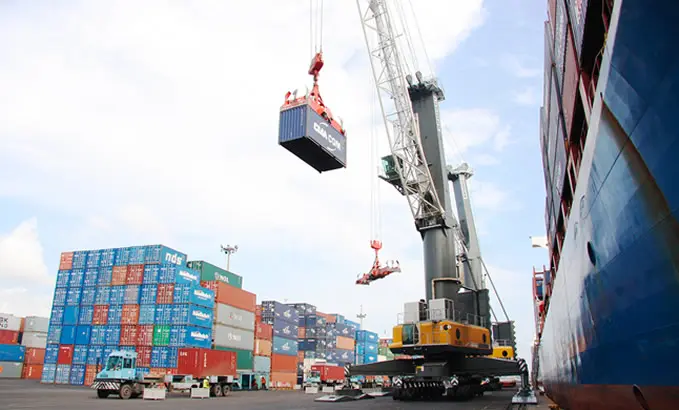
'나이지리아의 수출 급증은 해운 부문 성장을 시사'
‘Nigeria’s export surge signals maritime sector growth’
Punch Newspapers
Punch Newspapers
EN
2026-04-11 09:11
Translated
나이지리아의 수출 급증이 전략적 개혁과 항만 효율성에 대한 상당한 투자로 인해 해운 부문의 주요 성장을 시사하는 방식을 발견하십시오.
APM Terminals Nigeria의 최고경영자인 Frederik Klinke는 나이지리아의 해운 부문이 놀라운 회복력과 추진력을 보여주고 있으며, 수출량의 급격한 증가가 국가를 글로벌 무역의 신흥 강국으로 자리매김하고 있다고 말했습니다.
목요일 성명서에 따르면, Klinke는 Blue Economy Investment Summit 개막식에서 아부자에서 이를 언급했습니다. 그는 수출 활동의 현저한 증가를 강조하면서 이를 나이지리아의 전략적 개혁과 투자에 돌렸으며, 글로벌 해운 산업이 불확실성에 직면해 있을 때에도 이들이 유형의 결과를 낳기 시작했다고 덧붙였습니다.
Klinke는 국제 해운이 지정학적 긴장과 무역로 변화에 의한 혼란로 계속 고심하고 있지만, "나이지리아는 특히 비석유 수출 확대 추진에서 전진을 유지했다"고 지적했습니다.
그는 나이지리아 항만청의 2025년 3분기 보고서를 언급하며, 보고서가 수출용 컨테이너 물동량이 1,085%라는 엄청난 증가율을 보였다고 강조했으며, 이는 국가의 무역 생태계 내에서 진행 중인 변환의 규모를 강조합니다.
Klinke는 성장을 "효율성 향상 및 병목 현상 감소를 목표로 하는 의도적인 정책 조치 및 운영 개선"에 돌렸으며, 이 중 주요 항목은 수입 및 수출 절차를 간소화하도록 설계된 중앙집중식 디지털 플랫폼인 National Single Window의 출시라고 덧붙였습니다.
"이 이니셔티브는 화물 통관 시간을 수주에서 최소 48시간으로 대폭 단축하여 글로벌 시장에서 나이지리아의 경쟁력을 향상시킬 것으로 예상된다"고 그는 말했습니다.
지속적인 글로벌 과제에도 불구하고, 운임 상승, 장거리 해운로, 보험료 증가를 포함하여, Klinke는 나이지리아의 수출 확대가 개혁에 긍정적으로 반응하는 부문을 반영한다고 강조했습니다.
그럼에도 불구하고 그는 지속적인 개입과 조율이 없다면 외부 압력이 여전히 국가의 다각화 의제를 훼손할 수 있다고 경고했습니다. Klinke는 터미널이 수출의 상승 추세를 지원하고 활용하기 위해 운영을 조정했다고 말했습니다.
"회사는 나이지리아 터미널에 6억 달러 이상을 투자했으며, 효율성, 지속 가능성, 화물 이동을 촉진하기 위한 기반시설 업그레이드에 중점을 두고 있습니다. 이러한 투자들은 이미 수출 성장에 기여하고 있습니다"라고 그는 말했습니다.
Klinke는 Onne에서의 전용 컨테이너 화물 스테이션 설립, Apapa의 지연을 줄이기 위한 전용 수출 차선 도입, Apapa 항만을 Ibadan의 Moniya에 연결하는 주 3회 철도 서비스 출범 등의 목표 운영 전략을 지적했으며, 철도 연결이 내륙 생산 허브에서 항만까지 수출 화물 이동의 안정성과 속도를 개선하고 있다고 강조했습니다.
그는 이러한 조치들이 특히 무역 패턴이 빠르게 진화하고 있는 시점에서 현재의 수출량 추진력을 유지하는 데 중요하다고 강조했습니다.
"동서 아프리카 무역량이 2025년에 30% 이상 증가하여 현재 전 세계적으로 가장 빠르게 성장하는 컨테이너 무역 회랑이 되면서, 나이지리아는 해운 기반시설과 물류 시스템을 계속 강화한다면 이 성장의 더 큰 점유율을 확보할 수 있는 좋은 위치에 있습니다"라고 Klinke는 계속했습니다.
Klinke는 또한 수출 확대를 지원하기 위해 일관된 규제 개혁 유지 및 항만 현대화 추진의 중요성을 강조했습니다. 그는 더 큰 선박을 수용하기 위한 더 깊은 수로, 항만 생태계 전반에 걸친 디지털 시스템의 완전한 통합, 화물 이동의 원활함을 보장하기 위한 개선된 복합 운송 네트워크를 촉구했습니다.
그에 따르면, 화물 체류 시간을 단축하고 문서 절차를 단순화하면 사업 비용을 절감할 뿐만 아니라 국제 무역에서 나이지리아의 신뢰도를 향상시켜 수출 경쟁력을 더욱 높일 것입니다.
그는 나이지리아의 해운 경제가 정책, 기반시설 투자 및 실행 간의 지속적인 조율이 더 큰 수출 성장을 도출할 수 있는 중요한 시점에 있다고 결론지었습니다.
"민간 부문이 투자할 준비가 되어 있다며, 그는 우선순위가 예측 가능한 규제, 가속화된 디지털화, 그리고 나이지리아가 수출 잠재력을 완전히 실현하고 서부 아프리카의 주요 해운 허브로 자리매김할 수 있게 하는 효율적인 무역 회랑을 보장하는 것이어야 한다고 말했습니다"라고 그는 결론지었습니다.
목요일 성명서에 따르면, Klinke는 Blue Economy Investment Summit 개막식에서 아부자에서 이를 언급했습니다. 그는 수출 활동의 현저한 증가를 강조하면서 이를 나이지리아의 전략적 개혁과 투자에 돌렸으며, 글로벌 해운 산업이 불확실성에 직면해 있을 때에도 이들이 유형의 결과를 낳기 시작했다고 덧붙였습니다.
Klinke는 국제 해운이 지정학적 긴장과 무역로 변화에 의한 혼란로 계속 고심하고 있지만, "나이지리아는 특히 비석유 수출 확대 추진에서 전진을 유지했다"고 지적했습니다.
그는 나이지리아 항만청의 2025년 3분기 보고서를 언급하며, 보고서가 수출용 컨테이너 물동량이 1,085%라는 엄청난 증가율을 보였다고 강조했으며, 이는 국가의 무역 생태계 내에서 진행 중인 변환의 규모를 강조합니다.
Klinke는 성장을 "효율성 향상 및 병목 현상 감소를 목표로 하는 의도적인 정책 조치 및 운영 개선"에 돌렸으며, 이 중 주요 항목은 수입 및 수출 절차를 간소화하도록 설계된 중앙집중식 디지털 플랫폼인 National Single Window의 출시라고 덧붙였습니다.
"이 이니셔티브는 화물 통관 시간을 수주에서 최소 48시간으로 대폭 단축하여 글로벌 시장에서 나이지리아의 경쟁력을 향상시킬 것으로 예상된다"고 그는 말했습니다.
지속적인 글로벌 과제에도 불구하고, 운임 상승, 장거리 해운로, 보험료 증가를 포함하여, Klinke는 나이지리아의 수출 확대가 개혁에 긍정적으로 반응하는 부문을 반영한다고 강조했습니다.
그럼에도 불구하고 그는 지속적인 개입과 조율이 없다면 외부 압력이 여전히 국가의 다각화 의제를 훼손할 수 있다고 경고했습니다. Klinke는 터미널이 수출의 상승 추세를 지원하고 활용하기 위해 운영을 조정했다고 말했습니다.
"회사는 나이지리아 터미널에 6억 달러 이상을 투자했으며, 효율성, 지속 가능성, 화물 이동을 촉진하기 위한 기반시설 업그레이드에 중점을 두고 있습니다. 이러한 투자들은 이미 수출 성장에 기여하고 있습니다"라고 그는 말했습니다.
Klinke는 Onne에서의 전용 컨테이너 화물 스테이션 설립, Apapa의 지연을 줄이기 위한 전용 수출 차선 도입, Apapa 항만을 Ibadan의 Moniya에 연결하는 주 3회 철도 서비스 출범 등의 목표 운영 전략을 지적했으며, 철도 연결이 내륙 생산 허브에서 항만까지 수출 화물 이동의 안정성과 속도를 개선하고 있다고 강조했습니다.
그는 이러한 조치들이 특히 무역 패턴이 빠르게 진화하고 있는 시점에서 현재의 수출량 추진력을 유지하는 데 중요하다고 강조했습니다.
"동서 아프리카 무역량이 2025년에 30% 이상 증가하여 현재 전 세계적으로 가장 빠르게 성장하는 컨테이너 무역 회랑이 되면서, 나이지리아는 해운 기반시설과 물류 시스템을 계속 강화한다면 이 성장의 더 큰 점유율을 확보할 수 있는 좋은 위치에 있습니다"라고 Klinke는 계속했습니다.
Klinke는 또한 수출 확대를 지원하기 위해 일관된 규제 개혁 유지 및 항만 현대화 추진의 중요성을 강조했습니다. 그는 더 큰 선박을 수용하기 위한 더 깊은 수로, 항만 생태계 전반에 걸친 디지털 시스템의 완전한 통합, 화물 이동의 원활함을 보장하기 위한 개선된 복합 운송 네트워크를 촉구했습니다.
그에 따르면, 화물 체류 시간을 단축하고 문서 절차를 단순화하면 사업 비용을 절감할 뿐만 아니라 국제 무역에서 나이지리아의 신뢰도를 향상시켜 수출 경쟁력을 더욱 높일 것입니다.
그는 나이지리아의 해운 경제가 정책, 기반시설 투자 및 실행 간의 지속적인 조율이 더 큰 수출 성장을 도출할 수 있는 중요한 시점에 있다고 결론지었습니다.
"민간 부문이 투자할 준비가 되어 있다며, 그는 우선순위가 예측 가능한 규제, 가속화된 디지털화, 그리고 나이지리아가 수출 잠재력을 완전히 실현하고 서부 아프리카의 주요 해운 허브로 자리매김할 수 있게 하는 효율적인 무역 회랑을 보장하는 것이어야 한다고 말했습니다"라고 그는 결론지었습니다.
Discover how Nigeria’s export surge is signaling major growth in its maritime sector, driven by strategic reforms and significant investments in port effic Read More: https://punchng.com/nigerias-export-surge-signals-maritime-sector-growth/
The Chief Executive Officer of APM Terminals Nigeria, Frederik Klinke, has said that Nigeria’s maritime sector is demonstrating remarkable resilience and momentum, with a dramatic surge in export volumes positioning the country as an emerging force in global trade.According to a statement on Thursday, Klinke stated this in Abuja while speaking during the opening of the Blue Economy Investment Summit. He highlighted a significant increase in export activity, attributing it to Nigeria’s strategic reforms and investments, adding that they are beginning to yield tangible results even as the global maritime industry faces mounting uncertainty.
Klinke noted that while international shipping continues to grapple with disruptions driven by geopolitical tensions and shifting trade routes, “Nigeria has maintained forward progress, particularly in its push to expand non-oil exports.”
He referenced the Nigerian Ports Authority’s third quarter 2025 report, stressing that the report showed that export-laden container volumes surged by an extraordinary 1,085 per cent, underscoring the scale of transformation underway within the country’s trade ecosystem.
Klinke attributed the growth to “deliberate policy measures and operational improvements aimed at enhancing efficiency and reducing bottlenecks,” adding that chief among these is the rollout of the National Single Window, a centralised digital platform designed to streamline import and export processes.
“The initiative is expected to cut cargo clearance timelines dramatically, from several weeks to as little as 48 hours, thereby improving Nigeria’s competitiveness in global markets,” he stated.
Despite persistent global challenges, including rising freight costs, longer shipping routes, and increased insurance premiums, Klinke emphasised that Nigeria’s export expansion reflects a sector responding positively to reform.
Nevertheless, he warned that without sustained intervention and coordination, external pressures could still undermine the country’s diversification agenda. Klinke said that the terminal has aligned its operations to support and capitalise on the upward trend in exports.
“The company has invested more than $600m in its Nigerian terminals, focusing on efficiency, sustainability, and infrastructure upgrades to facilitate smoother cargo movement. These investments are already contributing to export growth,” he stated.
Klinke pointed to targeted operational strategies such as the establishment of a dedicated Container Freight Station at Onne, the introduction of exclusive export lanes at Apapa to reduce delays, and the launch of a thrice-weekly rail service linking Apapa Port to Moniya in Ibadan, stressing that the rail connection is improving the reliability and speed of moving export cargo from inland production hubs to the ports.
He stressed that such measures are critical in sustaining the current momentum in export volumes, particularly at a time when trade patterns are rapidly evolving.
“With East–West Africa trade volumes having risen by more than 30 per cent in 2025, now the fastest-growing container trade corridor globally, Nigeria is well positioned to capture a larger share of this growth if it continues to strengthen its maritime infrastructure and logistics systems,” Klinke continued.
Klinke also underscored the importance of maintaining consistent regulatory reforms and advancing port modernisation to support export expansion. He called for deeper channel drafts to accommodate larger vessels, full integration of digital systems across the port ecosystem, and improved multimodal transport networks to ensure seamless cargo movement.
According to him, reducing cargo dwell times and simplifying documentation processes will not only lower the cost of doing business but also enhance Nigeria’s credibility in international trade, further boosting export competitiveness.
He concluded that Nigeria’s maritime economy is at a critical juncture, where sustained alignment between policy, infrastructure investment, and execution could unlock even greater export growth.
“With the private sector ready to invest, he said the priority must be to ensure predictable regulations, accelerated digitisation, and efficient trade corridors that enable Nigeria to fully realise its export potential and establish itself as a leading maritime hub in West Africa,” he concluded.