'정신붕괴': 페르시만에 6주간 갇힌 유조선 선원들이 한계에 도달하다
‘Mental breakdown’: oil tanker workers stuck in Gulf for six weeks are reaching their limit
그러나 중동의 연약한 휴전이 이미 깨어지고 있는 가운데, 1개월 전 가디언과 처음 대화한 유조선 선원은 곧 떠날 수 있다는 희망이 이미 사라졌다고 말했다.
"우리는 수십 척의 적재된 유조선 근처에 정박해 있습니다. 아무도 움직이지 않았습니다"라고 이 승무원은 말했다. 그는 아랍에미리트 해안 근처에 정박해 있으며, 불과 2주 전 이란 미사일로 불에 탄 쿠웨이트 유조선을 선명히 볼 수 있는 수백 척의 선박 중 한 척에 탑승하고 있다.
휴전이 합의된 직후 격추된 미사일의 특징적인 연기 기둥이 그들의 선박 위 하늘을 가로질렀다. 1개월 반 동안의 드론 공격과 수중 지뢰 보고가 있은 후, 많은 선원들은 휴전이 허용되더라도 해협을 통과하고 싶지 않으며 그럴 수 없다고 느낀다.
"저는 정확히 1개월 전에 사직 의사를 밝혔습니다"라고 이 선원은 말했다. "저는 선장에게 알렸고, 저는 해협을 항해할 의향이 없습니다. 이것은 안전 문제이며, 모두 안전에 관한 것입니다."
같은 유조선에 탑승한 대부분의 선원들도 같은 생각을 가지고 있으며, 그들은 탑승한 약 90%가 항해를 거부할 권리를 행사하고 싶어 한다고 말했다. 한 선원은 "정신붕괴"를 겪었으며 동료들이 정기적으로 확인하고 있다.
"이 특정한 문제, 즉 이 정신붕괴가 우리 주변의 [모든 유조선에서] 이 상황의 스트레스로 인해 발생하고 있다는 것에 의심의 여지가 없습니다. 선원 지원 전화선이 도움을 주려고 노력하고 있지만, 처음부터 우리 모두는 그것이 충분하지 않을 것이라는 것을 알고 있었습니다"라고 이 선원은 말했다.
분쟁이 시작된 이후 국제운수노동자연맹(ITF)은 300척의 서로 다른 선박에서 약 1,000건의 문의를 받았다. 약 20%는 송환을 요청하는 선원들로부터였다. 다른 우려 사항들은 급여나 연료, 음식, 물과 같은 필수 물품에 대한 접근에 관한 것이었다.
쿠웨이트의 알살미 유조선에 대한 최근 공격 이후, 불과 몇 마일 떨어진 곳에서 처음으로 도움말선을 전화했다. "나는 약간 압도당했고 내가 느끼는 감정을 다룰 수 있을지 확신할 수 없었습니다. 다른 사람들이 저를 우는 모습을 보지 않는 것이 저에게 중요합니다. 그냥 낯선 사람에게 모든 감정을 토로하는 것이 도움이 되었습니다."
그러나 선박 승무원을 대표하는 노틸러스(Nautilus)의 선임 지도자 데이비드 애플턴(David Appleton)에 따르면 거리에서 받는 조언과 안심만으로는 할 수 있는 일이 제한적이다. "모두가 도움을 주기 위해 최선을 다하지만, 당신이 정말 하고 싶은 것은 사람들을 상황에서 벗어나게 하는 것입니다"라고 그는 말했다.
"폭력의 위협이 사람들에게 미치는 정신적 피해에 더하여, 당신이 거기 앉아 있다는 사실 – 거의 움직이지 못하는 표적처럼 – 거기에 또한 불확실성이 있고, 이것이 얼마나 오래 계속될지 모르는 것이 있습니다"라고 애플턴은 덧붙였다.
좌초된 유조선에 탑승한 선원들의 악화되는 정신 건강은 선주들이 구제 승무원으로 기꺼이 일할 해운인으로 교체하도록 요구하는 요청을 다시 제기했다. 해운 규정에 따르면 해운 회사들은 위험 지역에서 일하도록 선원들을 강제할 수 없지만, 여전히 일을 감수하려는 사람들이 있을 것이다.
"우리의 잠재적 구제자 대부분은 우크라이나 선원들입니다. 집에 돌아갈 수 없기 때문에 외국의 유럽 국가에서 돈을 쓰며 집에서 떨어져 있는 선원들입니다"라고 이 선원은 말했다.
해운 회사들은 위험 지역에서 일하는 승무원들에게 이중 급여를 제공하도록 요구됩니다. 그들은 승진에 관심이 있는 사람들을 찾아 더 높은 직급을 부여하도록 예상됩니다. 또한 육지에 가장 오래 있었던 사람들과 일이 필요한 사람들을 찾고 있을 것입니다.
"우리와 그들 사이의 유일한 차이점은 선택입니다. 적어도 그들은 이유가 무엇이든 여기에 오기로 선택할 것입니다"라고 이 선원은 말했다.
그들은 향후 몇 주일 내에 유조선이 닻을 내릴 수 있도록 가져가져 계속할 의향이나 능력이 없는 사람들의 자리를 새로운 승무원이 차지할 수 있기를 희망하고 있다.
"선장은 승무원 관리자와 비공식 대화를 했으며, 그는 승무원들에게 배출항에 도달할 때까지 탑승을 유지하도록 설득하려고 했지만 그는 즉시 그것을 거부했습니다"라고 그들은 말했다.
"나는 이 모든 것 후에 집중적인 작업을 수행할 정신적 상태가 아닙니다. 이것은 제가 겪은 가장 어려운 상황입니다"라고 이 근로자는 말했다. 그가 다시 바다로 돌아올 것이라는 보장은 없다.
"저는 평생 유조선에서 일해 왔습니다. 떠나는 것은 제가 이루어낸 모든 것을 포기하는 것을 의미합니다. 하지만 이 일을 계속하는 것은 제가 결국 여기로 돌아와야 할 가능성이 있다는 것을 의미합니다. 저는 이 유조선에서 떨어져 몇 개월을 보낸 후에만 그 결정을 내릴 수 있을 것입니다. 집에서"라고 그들은 말했다.
Seafarer tells of ‘impossible’ situation, with strait still so unsafe that crew would not cross even if told to sailMaritime and port workers: how is the Middle East conflict affecting you?‘You can try to minimise the impact that this situation has on your mental health but it’s becoming impossible.” After six weeks stranded in the Gulf, one of the 20,000 seafarers trapped by Iran’s chokehold on the strait of Hormuz is reaching their limit.Yet with the fragile Middle East ceasefire already fraying, the oil tanker worker – who first spoke to the Guardian a month ago – said any hope they may soon be free to leave had already evaporated, if it ever felt real at all.
‘You can try to minimise the impact that this situation has on your mental health but it’s becoming impossible.” After six weeks stranded in the Gulf, one of the 20,000 seafarers trapped by Iran’s chokehold on the strait of Hormuz is reaching their limit.Yet with the fragile Middle East ceasefire already fraying, the oil tanker worker – who first spoke to the Guardian a month ago – said any hope they may soon be free to leave had already evaporated, if it ever felt real at all.
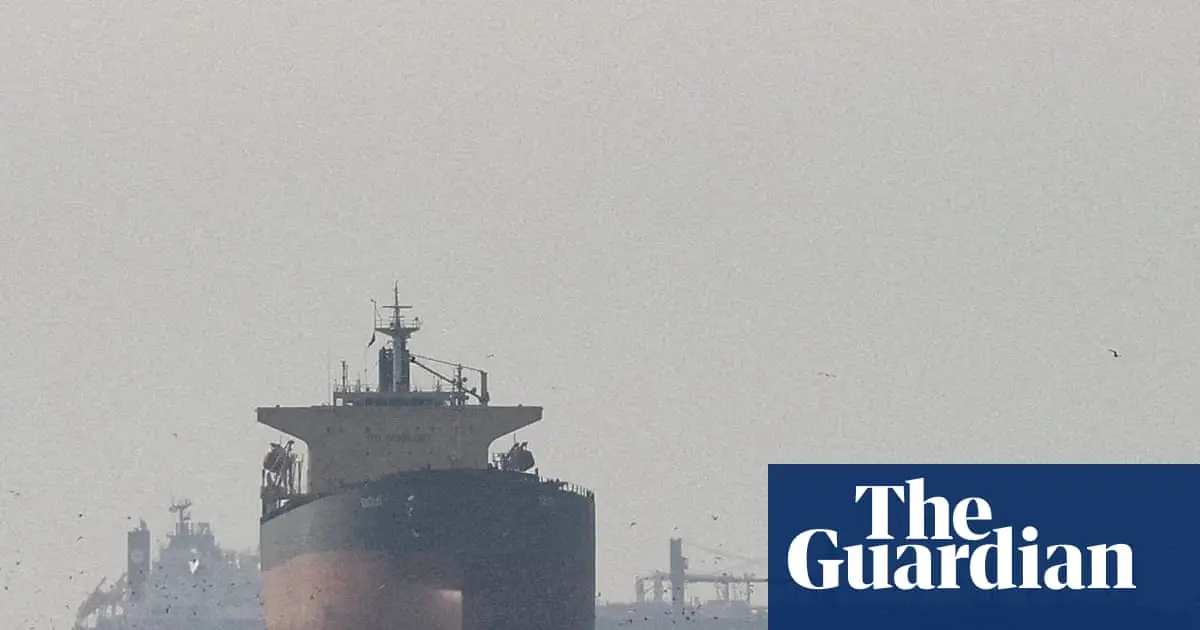
“We’re at anchor, near dozens of loaded tankers. No one has moved an inch,” said the crew member, one of hundreds anchored off the coast of the United Arab Emirates with a clear view of the loaded Kuwaiti oil tanker set ablaze by an Iranian missile less than a fortnight ago.
Within hours of the ceasefire being agreed, the tell-tale plumes of intercepted missiles streaked the sky above their vessels. After a month and a half of drone attacks and reports on underwater mines, many seafarers feel unwilling and unable to traverse the strait – even if the ceasefire allowed them to do so.
“I gave my notice exactly one month ago,” the seafarer said. “I’ve informed the master, I’m not willing to sail through the strait. It’s about safety, it’s all about safety.”
Aboard the same tanker, most of the crew feel the same, they added, saying about 90% of those on board want to exercise their right to refuse to sail. One crew member has suffered a “mental breakdown”, and is being checked on regularly by colleagues.
“I’ve no doubt that this particular issue, this mental breakdown, is happening [on tankers] all around us from the stress of this situation. Seafarer support [phone] lines are trying to help, but from the beginning we have all known that it would not be enough,” the seafarer said.
Since the start of the conflict, the trade union the International Transport Workers’ Federation (ITF) has received about 1,000 inquiries from seafarers on 300 different vessels. About 20% were from those seeking repatriation. Other concerns were about pay or access to essential supplies like fuel, food and water.
After the recent attack on Kuwait’s Al-Salmi oil tanker just a few miles away, the seafarer called a helpline for the first time. “I was a bit overwhelmed and I wasn’t sure if I could handle how I was feeling. It’s important to me that others don’t see me cry. It did help, just to vent out all the feelings to a stranger.”
However, there is only so much that advice and reassurance from a distance can do, according to David Appleton, a senior leader at Nautilus, which represents ship staff. “Everyone does their best to assist, but really what you want to do is get people out of the situation,” he said.
“In addition to the mental toll that the threat of violence takes on people – the fact that you’re sitting there almost as a sitting duck – there is also the uncertainty, and not knowing how long it’s going go on,” Appleton added.
The eroding mental health of those on board stranded tankers has reignited calls for shipowners to replace their crews with mariners willing to offer relief. Under maritime regulations shipping companies cannot force seafarers to work in hazardous zones, but there will still be those desperate enough to take up the work.
“Most of our potential relievers are Ukrainian seafarers; the ones who are away from their homes, spending money in foreign European countries because they can’t go back home,” the seafarer said.
Shipping companies are required to offer double pay to crew working in hazardous areas. They are expected to find those interested in promotion and give them a higher rank to sign on. They will also be looking for those who have been ashore the longest and need the work.
The seafarer said: “The only difference between them and us is choice. At least they will be making a choice to come here, regardless of why they choose to do so.”
They hope that within the coming weeks their tanker will be taken to anchorage to allow new crew to take the places of those unwilling or unable to carry on.
“The captain had an informal conversation with our crew manager, who was trying to get the crew to stay aboard until we reach the discharge port but he immediately shut that down,” they said.
“I’m in no mental condition to perform any intense task after all of this. It is the hardest situation that I have ever been in,” the worker said. There is no guarantee they will ever return to the sea.
“I have worked on tankers all my life. To go, means letting go of all I’ve accomplished. But to stay in this work, means there is a chance that I’ll have to return here eventually. I will only be able to make that decision after a few months of being off this tanker. At home,” they said.