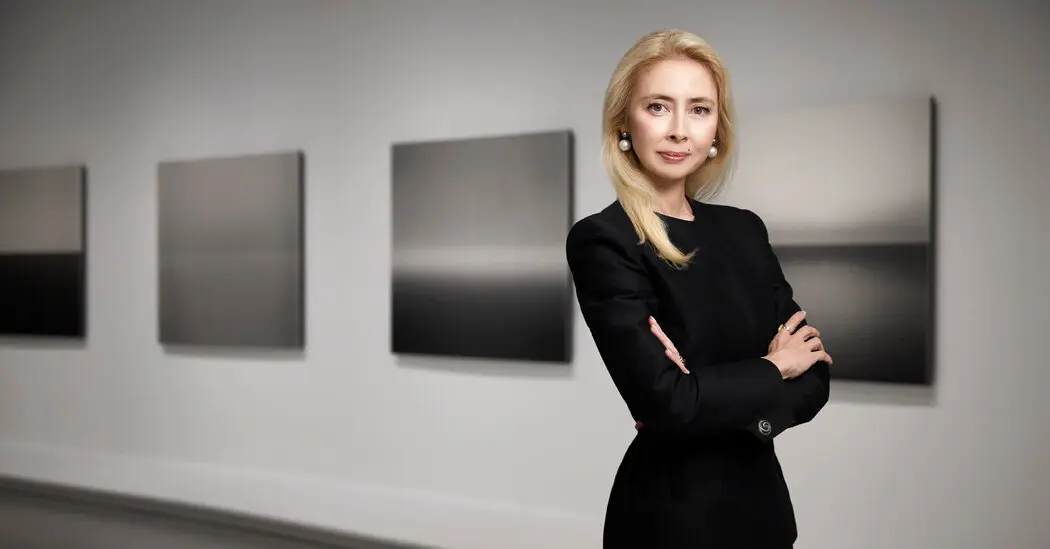
멜리사 치우, 허쉬혼 미술관 떠나 guggenheim 관장으로 부임
Melissa Chiu Exits Hirshhorn Museum to Lead Guggenheim
The New York Times
Zachary Small
EN
2026-04-09 13:45
Translated
멜리사 치우가 워싱턴의 허쉬혼 미술관 관장직에서 물러나 뉴욕의 guggenheim 미술관의 새 관장으로 취임한다.
Melissa Chiu, director of the Hirshhorn Museum and Sculpture Garden in Washington, the nation’s museum of modern and contemporary art, said Thursday that she will leave for a new role as director of the Solomon R. Guggenheim Museum in New York, which begins Sept. 1.
Chiu, who has led the Hirshhorn for more than a decade, is the fourth director of a Smithsonian museum to depart within the last two years, and the most recent to leave amid the Trump administration’s effort to overhaul the organization’s network of 21 museums and other cultural centers. The director of the National Portrait Gallery, Kim Sajet, resigned last year after the president said he had fired her because of her support for diversity initiatives.
“This is a dream job,” Chiu, 54, said of her new position, in which she will report to Mariët Westermann, currently director and chief executive of the Guggenheim Museum and Foundation, who is restructuring her management team.
Chiu added that the stress of working in Washington did not influence her decision to join the Guggenheim. “Under any circumstances I would have taken this job, and I feel confident in the legacy that I’m leaving behind at the Hirshhorn,” she said.
Chiu said that during her tenure she raised nearly $250 million and tripled the size of the museum’s board of trustees to include international board members for the first time. Attendance increased; she was able to commission major works by artists like Mark Bradford; and the final piece of her legacy, a redesign of the museum’s sculpture garden, is expected to open in October. She also experimented with new revenue streams, including a reality show competition called “The Exhibit” that aired on MTV and the Smithsonian Channel (which some critics found bland).
Black Cowboys Ride Again: Museums have taken up the cause of dispelling the perception of a whites-only West.
A Symbol of Hope in St. Louis: The 19th-century Old Courthouse is set to reopen in May after a $27.5 million renovation.
A Museum and the Sea: Rising sea levels are forcing the Mystic Seaport Museum in Connecticut to address the sustainability of its campus.
Ai Weiwei’s World: A show now at the Seattle Art Museum is the largest in the U.S. in the 40-year career of the renowned Chinese artist.
More on Museums: Artists and institutions are adapting to changing times.
Born in Darwin, Northern Territory, Australia, Chiu had served for a decade as director of the Asia Society in New York, and she is a leading authority on contemporary Asian and Asian American art. She completed a doctorate on experimental Chinese art in 2005.
“I have followed Melissa Chiu’s career for many years and seen her transform the Hirshhorn Museum into one of the most dynamic destinations for modern and contemporary art in the country,” J. Tomilson Hill, chairman of the Guggenheim’s board, said in a statement. “She has proved that she can lead with a clear vision that is both local and global working across complex institutions.”
Chiu is the second top executive to depart the Hirshhorn Museum for the Guggenheim. Previously, Daniel Sallick served as the Hirshhorn’s chairman for eight years, until 2024, when he joined the Guggenheim’s board. Sallick, a communications official, often works with Democratic politicians and campaigns.
In hiring a new director at the Guggenheim, Westermann, who joined the Guggenheim in November 2023, is stepping back from day-to-day management of the New York institution to oversee the global portfolio of museums in Venice, Bilbao, and under construction in Abu Dhabi, the capital of the United Arab Emirates. Her new title will be director and chief executive of the Solomon R. Guggenheim Foundation.
In recent months, she has brought a new chief development officer and a chief financial officer onto the leadership team to improve the nonprofit museum’s economic outlook after several years of layoffs and declining international tourism, which has afflicted most museums since the Covid-19 pandemic. The Guggenheim also has an endowment that, at $125 million, lags well behind that of peers like the Metropolitan Museum of Art and MoMA, with endowments and private donations in the billions.
“It is financially struggling,” Adam Weinberg, the former director of the Whitney Museum, said of the Guggenheim. “But what Melissa benefits from is a large palette, coming from Australia and having worked extensively in Asia and the United States.”
Handing over local responsibilities to Chiu will allow Westermann to spearhead the opening of the Guggenheim Abu Dhabi, which has experienced several delays over the last 20 years. The outpost is expected to open within the next year, and work has continued there despite missile and drone strikes that Iran has launched across the Gulf region in retaliation for strikes by the United States and Israel. (The Abu Dhabi campus of New York University has closed until further notice after Iran warned last month that American universities with outposts in the Gulf were “legitimate targets” in retaliation for strikes on Iranian universities.)
Westermann, 64, said that in New York, “Melissa is truly in charge of the museum.” She added that this includes “the artistic vision for it, the program, the daily operations, the finances, within the broader context and the strategy that I set as the director and C.E.O. of the foundation.”
That amounts to nothing short of redefining what role the Guggenheim plays in New York, where similar institutions like the Whitney and New Museum have continued to grow.
“It will be Melissa’s big challenge,” Weinberg predicted. “The Guggenheim needs to refind where it is right now, and each director over the years has asserted a different vision for the museum.”
Zachary Small is a Times reporter writing about the art world’s relationship to money, politics and technology.
Chiu, who has led the Hirshhorn for more than a decade, is the fourth director of a Smithsonian museum to depart within the last two years, and the most recent to leave amid the Trump administration’s effort to overhaul the organization’s network of 21 museums and other cultural centers. The director of the National Portrait Gallery, Kim Sajet, resigned last year after the president said he had fired her because of her support for diversity initiatives.
“This is a dream job,” Chiu, 54, said of her new position, in which she will report to Mariët Westermann, currently director and chief executive of the Guggenheim Museum and Foundation, who is restructuring her management team.
Chiu added that the stress of working in Washington did not influence her decision to join the Guggenheim. “Under any circumstances I would have taken this job, and I feel confident in the legacy that I’m leaving behind at the Hirshhorn,” she said.
Chiu said that during her tenure she raised nearly $250 million and tripled the size of the museum’s board of trustees to include international board members for the first time. Attendance increased; she was able to commission major works by artists like Mark Bradford; and the final piece of her legacy, a redesign of the museum’s sculpture garden, is expected to open in October. She also experimented with new revenue streams, including a reality show competition called “The Exhibit” that aired on MTV and the Smithsonian Channel (which some critics found bland).
Black Cowboys Ride Again: Museums have taken up the cause of dispelling the perception of a whites-only West.
A Symbol of Hope in St. Louis: The 19th-century Old Courthouse is set to reopen in May after a $27.5 million renovation.
A Museum and the Sea: Rising sea levels are forcing the Mystic Seaport Museum in Connecticut to address the sustainability of its campus.
Ai Weiwei’s World: A show now at the Seattle Art Museum is the largest in the U.S. in the 40-year career of the renowned Chinese artist.
More on Museums: Artists and institutions are adapting to changing times.
Born in Darwin, Northern Territory, Australia, Chiu had served for a decade as director of the Asia Society in New York, and she is a leading authority on contemporary Asian and Asian American art. She completed a doctorate on experimental Chinese art in 2005.
“I have followed Melissa Chiu’s career for many years and seen her transform the Hirshhorn Museum into one of the most dynamic destinations for modern and contemporary art in the country,” J. Tomilson Hill, chairman of the Guggenheim’s board, said in a statement. “She has proved that she can lead with a clear vision that is both local and global working across complex institutions.”
Chiu is the second top executive to depart the Hirshhorn Museum for the Guggenheim. Previously, Daniel Sallick served as the Hirshhorn’s chairman for eight years, until 2024, when he joined the Guggenheim’s board. Sallick, a communications official, often works with Democratic politicians and campaigns.
In hiring a new director at the Guggenheim, Westermann, who joined the Guggenheim in November 2023, is stepping back from day-to-day management of the New York institution to oversee the global portfolio of museums in Venice, Bilbao, and under construction in Abu Dhabi, the capital of the United Arab Emirates. Her new title will be director and chief executive of the Solomon R. Guggenheim Foundation.
In recent months, she has brought a new chief development officer and a chief financial officer onto the leadership team to improve the nonprofit museum’s economic outlook after several years of layoffs and declining international tourism, which has afflicted most museums since the Covid-19 pandemic. The Guggenheim also has an endowment that, at $125 million, lags well behind that of peers like the Metropolitan Museum of Art and MoMA, with endowments and private donations in the billions.
“It is financially struggling,” Adam Weinberg, the former director of the Whitney Museum, said of the Guggenheim. “But what Melissa benefits from is a large palette, coming from Australia and having worked extensively in Asia and the United States.”
Handing over local responsibilities to Chiu will allow Westermann to spearhead the opening of the Guggenheim Abu Dhabi, which has experienced several delays over the last 20 years. The outpost is expected to open within the next year, and work has continued there despite missile and drone strikes that Iran has launched across the Gulf region in retaliation for strikes by the United States and Israel. (The Abu Dhabi campus of New York University has closed until further notice after Iran warned last month that American universities with outposts in the Gulf were “legitimate targets” in retaliation for strikes on Iranian universities.)
Westermann, 64, said that in New York, “Melissa is truly in charge of the museum.” She added that this includes “the artistic vision for it, the program, the daily operations, the finances, within the broader context and the strategy that I set as the director and C.E.O. of the foundation.”
That amounts to nothing short of redefining what role the Guggenheim plays in New York, where similar institutions like the Whitney and New Museum have continued to grow.
“It will be Melissa’s big challenge,” Weinberg predicted. “The Guggenheim needs to refind where it is right now, and each director over the years has asserted a different vision for the museum.”
Zachary Small is a Times reporter writing about the art world’s relationship to money, politics and technology.