맘다니, '하수도 사회주의'에 빠져 손을 더럽히다
Mamdani, Leaning Into ‘Sewer Socialism,’ Gets His Hands Dirty
The New York Times
Emma Goldberg
EN
2026-04-11 16:00
Translated
시장이 수십 년 된 '하수도 사회주의' 개념을 받아들이며, 공공 서비스에 집중하여 뉴욕시민들의 삶을 개선하기를 희망하고 있다.
시장 취임 100일을 맞아 조란 맘다니는 브롱크스로 향했다. 이는 시트콤 장면으로도 손색없는 상황이었다.
응원단이 폼폼을 흔들었다. 스크래피라는 이름의 마스코트는 퇴비통으로 복장했다. 그리고 맘다니 시장은 자신의 '시립 광란' 프로그램(뉴욕시민들이 시장이 직접 해결할 도시 문제를 정하는 토너먼트식 경쟁)과 그의 행정부의 더 큰 비전을 연결하려고 노력했다.
"우리는 우리 도시에서 새로운 종류의 통치 방식을 선보였습니다. 바로 포트홀 정치입니다"라고 맘다니 시장이 말했다. "공공 서비스와 공공의 우수성을 함께 제공하는 것입니다."
대부분의 뉴욕 시장들의 처음 몇 개월은 도시의 광란의 리듬에 거의 영향을 미치지 못한다. 그러나 맘다니는 취임 첫날부터 일반 뉴욕시민들의 삶에 눈에 띄는 변화를 가져오겠다고 약속했다. 보도에서의 거닐음과 놀이터의 소풍 같은 일상적인 것들 말이다.
뒤에서는 맘다니가 1월에 취임하기 전부터 이미 그 작업이 시작되었다.
그의 보좌관들 사이에서 인프라 프로젝트와 서비스 중심 이니셔티브로 채워진 할 일 목록이 돌아다니고 있었다. 이것은 뉴욕시가 어느 시점에 계획 수립을 시작했으나 완료하지 못한 것들이었다고 상황을 알고 있는 한 사람이 말했다.
맘다니는 처음 100일 재임 기간 동안 이러한 미완성 아이디어 중 일부를 적극 활용한 것으로 보인다.
시장은 도시의 5개 자치구 전역에 새로운 공중화장실을 위해 400만 달러를 할당했다. 그는 윌리엄스버그 다리 입구의 성가신 범프 위에 직접 아스팔트를 삽질했다. 그의 행정부는 40개의 공공 주택 개발에서 헛간을 철거하기 시작했고, 맨해튼의 34번가와 브롱크스의 포드햄 로드에서 버스 차선 프로젝트를 다시 시작했으며, 도시 전역에서 자전거 도로 이니셔티브를 재개했다.
그는 브롱크스 견인차 운영자를 고소했다. 그는 자치구 전역의 포트홀을 메우는 캠페인을 공개했다. 그리고 대규모 폭설 중에 응급 제설 인력의 급여를 올렸다.
이 모든 노력들은 민주 사회주의자인 맘다니가 작년에 '하수도 사회주의'라고 설명한 것의 예이다. 공공 부문이 민간과 경쟁할 수 있다는 것을 보여주기 위해 공공 서비스에 돈, 시간, 관심을 집중시키는 것이다. 또는 시장의 팀이 '거리 사회주의'라고 부르는 것이다.
지난해 맘다니가 시장 선거에 출마했을 때, 그는 사회주의 통치를 이데올로기적이기보다는 더 수용할 수 있는 것으로 재정의하려고 노력했다. 특히 경쟁 후보들과 비평가들이 사회주의가 뉴욕을 '죽일' 수 있다는 어두운 예언을 내놓았을 때 말이다. 사회주의 통치는 단순히 도시 운영 상품에 투자하는 것이 뉴욕시민들의 삶을 더 나아지게 할 것이라는 것을 증명하는 것이라고 그는 강조했다.
"내 마음에 떠오르는 것 중 하나는 하수도 사회주의라는 개념입니다"라고 그는 2024년 10월 WNYC의 브라이언 레러와의 인터뷰에서 선거 출마 직후 말했다. "사회주의 시장들이 공중 보건 인프라, 공공 소유 전력 시스템을 건설하고, 근무 조건을 개선했습니다."
맘다니는 이데올로기적인 프로젝트보다 현실적인 프로젝트를 우선순위로 삼음으로써 그 비전을 실현하려고 노력해왔다. 심지어 이전 행정부의 작업에 의존해야 한다는 의미일지라도 말이다.
"모든 시장은 그 이전 시장의 어깨 위에 서 있습니다"라고 지역 옹호 단체인 교통 대안의 수장 벤 펄너스가 말했다. "시장이 발표할 수 있는 많은 것들은 정부가 준비되고 할 수 있는 일이지만, 그렇다고 해서 진행하는 데 리더십이 필요 없다는 뜻은 아닙니다."
배달 근로자들이 자신의 자전거를 충전할 수 있는 휴게소를 만들기 위한 노력은 맘다니의 전임자인 에릭 애덤스 시장 시대에 시작되었다. 하지만 이번 달에 가속화되어 완성되었다.
맘다니가 새로운 공중화장실을 위해 400만 달러를 발표했을 때, 그는 높은 비용 때문에 애덤스 행정부 아래에서 시들어간 제안을 타당성 있게 만들었다. 관련 아이디어를 고안한 애덤스의 보조원은 맘다니의 발표를 바통 터치로 본다고 말했다. 뉴욕의 정부는 일종의 릴레이 경주였다.
34번가의 일부를 버스 전용도로로 전환하는 아이디어는 2025년에 시작되었으나 몇 개월 후 중단되었다. 공공 주택 개발에서 못생긴 헛간을 철거하려는 노력도 애덤스 시장 시대에 시작되었다.
애덤스 시장 시대의 전 부시장 파비앙 레비는 맘다니가 아동 돌봄 파일럿 프로그램에 대한 신용을 받은 것에 이의를 제기했다. 그는 X에 "기본적으로 맘다니 시장이 애덤스 시장의 숙제를 베끼는 데 5개월이 걸렸습니다"라고 썼다.
"우리가 유아원 확대 같은 일을 할 때, 우리는 데 블라지오 전 시장을 초대하고 그에게 신용을 주었습니다"라고 레비는 인터뷰에서 말했다. "모두가 모든 것에 초대받아야 한다고 말하는 건 아닙니다."
하수도 사회주의는 맘다니의 뉴욕의 다리와 버스 차선으로부터 멀리 떨어진 곳에서 그 뿌리(또는 말하자면 파이프)를 가지고 있다. 1910년, 많은 독일 이민자였던 밀워키 유권자들은 일련의 사회주의자들을 시청으로 보냈다. 에밀 사이델, 대니얼 호안, 프랭크 자이들러 시장들은 공원, 광활한 공공 주택 개발, 그리고 전국적으로 부러워받는 하수도 시스템을 건설했다.
1936년 "마르크스주의 시장"이라는 표지 이야기에서 타임지는 도시의 성취를 칭찬했다. 67개의 공원, 68개의 놀이터, 21개의 사회 센터, 무료 해변, 댄스홀, 그리고 야외 오페라 극장.
밀워키는 기능성으로 유명해졌다. 비록 매거진 기사는 이것이 사회주의 리더십이 좋은 것이라는 뜻은 아니라는 것을 명확히 하는 데 빨랐다. "경제 교리로서의 사회주의는 이것과 아무 관계가 없다"고 글은 읽혔다.
이것은 하수도 사회주의에 대한 공통적인 비판이다. 이 용어는 밀워키 정치 진영을 비판하던 좌파에 의해 만들어졌으며, 이들은 그들이 보기에 물에 잠긴 유형의 사회주의 통치를 실행했다. 좌파의 역사가인 셰리 버먼은 일부 진보주의자들이 하수도 사회주의자들이 유럽의 사회 민주주의자들처럼 현 상태를 충분히 편안하게 만들어서 사람들이 더 광범위한 변화를 위해 분연히 일어나지 않는다고 느꼈다고 지적했다.
"고전적인 논쟁은 사회 민주주의자들이 단지 자본주의를 더 맛있게 만들었다는 것입니다"라고 버먼 씨가 말했다. "그들이 결국 한 것은 돼지에 입술을 바르는 것이었으며, 사람들이 근본적으로 더 나은 미래에 대해 생각하지 않도록 할 만큼 더 친절하고 온화한 체계를 만드는 것이었습니다."
그러나 맘다니를 공직에 내몰아준 뉴욕시 전역의 수천 명의 좌파 활동가들에게는, 젊은 시장의 성공에 대한 불안하고 갈망하고 심지어 절박한 욕망이 있다. 따라서 그가 사무실에 가져온 특정한 종류의 사회주의(하수도 수리를 포함하는지 또는 부의 재분배를 포함하는지 여부)는 그들이 적어도 아직은 공격하는 데 관심이 있는 것이 아닌 것 같다.
"오랫동안 우리는 레이건 하에서 상식이 된 것에 정말로 충분히 도전하지 않은 시장직을 가져왔습니다. 시장이 공공 생활을 구성하는 최선의 방법이라는 것입니다"라고 뉴욕 민주 사회주의자 미국 지부의 공동 의장 구스타보 고르디요가 말했다. "이 행정부가 시도하려는 것은 정부가 당신을 위해, 일반인을 위해 일할 수 있다는 것을 보여주는 것입니다."
맘다니는 최근 $1억 8백만 투자를 발표하면서 밀워키를 자랑스럽게 인용했다. 뉴욕의 캐치 베이신을 교체하고 현대화하기 위한 것이다. 그는 농담으로 2015년 인기 랩 노래 "밀리 로킹"이 도시와 하수도 사회주의의 발상지로서의 그 역사에 영감을 받았을지도 모른다고 제안했다.
"오늘, 우리도 밀리 로킹을 할 수 있습니다"라고 맘다니가 말했다. "우리는 뉴욕 시민들의 일상에서 너무 자주 부족했던 바로 그러한 종류의 공공 상품과 공공 우수성을 제공하고 있습니다."
맘다니가 자신의 주민들에게 이 경우를 그렇게 강력하게 펼칠 수 있게 해준 것의 일부는 그의 광범위한 소셜 미디어 도달과 그의 메시지를 전달하기 위한 창의적인 접근 방식이다.
그가 포트홀을 메웠을 때, 그의 손으로 한 일은 인스타그램, X, 유튜브 전역에 붙여졌으며, 그의 행정부를 감정적인 시립 특례주의 감각으로 주입했다.
행정부가 야외 식사에 대한 새로운 계획이나 학교 구역에서 시간당 15마일의 속도 제한 같은 이니셔티브를 발표할 때마다, 시장의 통신 팀은 영향력 있는 인물들이 소셜 미디어에 그 노력을 게시하도록 독려할 것이다. 밈 주도의 칭찬의 폭포가 뒤따랐다. "들어와, 우리는 하수도 사회주의를 하고 있다." "누군가 이 사회주의 마술 속임수의 작동을 연구해 주세요."
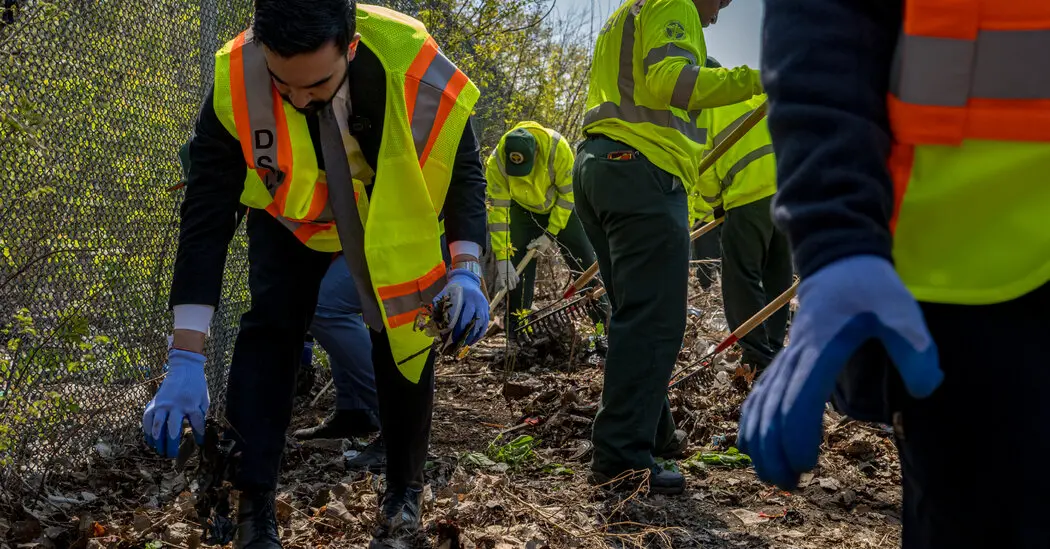
그의 최신 공연을 위해 맘다니는 장갑을 끼고 브롱크스의 사운드뷰 섹션의 시립 광란 보내기 행사에서 쓰레기를 주웠다. 그를 둘러싼 것은 뉴욕시 거리의 특징적인 쓰레기였다. 체스 믹스 봉지와 주황색 게토레이드 병, 담배와 치킨 맥너겟 상자.
이 행사는 발명보다는 재발명이었으며, 대도시 시장의 일상적이고 지루한 업무를 완료하는 창의적인 접근 방식이었다. 예를 들어 교통부는 3월에 3,946개의 포트홀을 메웠다. 이는 2020년 이후 한 달에 가장 많이 메운 것이었다.
"라과르디아가 쓰레기를 수집하는 민주적 또는 공화적 방법은 없다는 인용구가 있습니다"라고 공공 기업 센터의 전무 이사인 폴 윌리엄스가 말했다. "당신이 기본 시립 서비스를 하고 있다면, 그것이 사회주의입니까? 아니지만, 그것이 시립 정부가 하는 것입니다."
엠마 골드버그는 정치적 소문화와 우리가 사는 방식에 대해 쓰는 뉴욕 타임스 기자이다.
응원단이 폼폼을 흔들었다. 스크래피라는 이름의 마스코트는 퇴비통으로 복장했다. 그리고 맘다니 시장은 자신의 '시립 광란' 프로그램(뉴욕시민들이 시장이 직접 해결할 도시 문제를 정하는 토너먼트식 경쟁)과 그의 행정부의 더 큰 비전을 연결하려고 노력했다.
"우리는 우리 도시에서 새로운 종류의 통치 방식을 선보였습니다. 바로 포트홀 정치입니다"라고 맘다니 시장이 말했다. "공공 서비스와 공공의 우수성을 함께 제공하는 것입니다."
대부분의 뉴욕 시장들의 처음 몇 개월은 도시의 광란의 리듬에 거의 영향을 미치지 못한다. 그러나 맘다니는 취임 첫날부터 일반 뉴욕시민들의 삶에 눈에 띄는 변화를 가져오겠다고 약속했다. 보도에서의 거닐음과 놀이터의 소풍 같은 일상적인 것들 말이다.
뒤에서는 맘다니가 1월에 취임하기 전부터 이미 그 작업이 시작되었다.
그의 보좌관들 사이에서 인프라 프로젝트와 서비스 중심 이니셔티브로 채워진 할 일 목록이 돌아다니고 있었다. 이것은 뉴욕시가 어느 시점에 계획 수립을 시작했으나 완료하지 못한 것들이었다고 상황을 알고 있는 한 사람이 말했다.
맘다니는 처음 100일 재임 기간 동안 이러한 미완성 아이디어 중 일부를 적극 활용한 것으로 보인다.
시장은 도시의 5개 자치구 전역에 새로운 공중화장실을 위해 400만 달러를 할당했다. 그는 윌리엄스버그 다리 입구의 성가신 범프 위에 직접 아스팔트를 삽질했다. 그의 행정부는 40개의 공공 주택 개발에서 헛간을 철거하기 시작했고, 맨해튼의 34번가와 브롱크스의 포드햄 로드에서 버스 차선 프로젝트를 다시 시작했으며, 도시 전역에서 자전거 도로 이니셔티브를 재개했다.
그는 브롱크스 견인차 운영자를 고소했다. 그는 자치구 전역의 포트홀을 메우는 캠페인을 공개했다. 그리고 대규모 폭설 중에 응급 제설 인력의 급여를 올렸다.
이 모든 노력들은 민주 사회주의자인 맘다니가 작년에 '하수도 사회주의'라고 설명한 것의 예이다. 공공 부문이 민간과 경쟁할 수 있다는 것을 보여주기 위해 공공 서비스에 돈, 시간, 관심을 집중시키는 것이다. 또는 시장의 팀이 '거리 사회주의'라고 부르는 것이다.
지난해 맘다니가 시장 선거에 출마했을 때, 그는 사회주의 통치를 이데올로기적이기보다는 더 수용할 수 있는 것으로 재정의하려고 노력했다. 특히 경쟁 후보들과 비평가들이 사회주의가 뉴욕을 '죽일' 수 있다는 어두운 예언을 내놓았을 때 말이다. 사회주의 통치는 단순히 도시 운영 상품에 투자하는 것이 뉴욕시민들의 삶을 더 나아지게 할 것이라는 것을 증명하는 것이라고 그는 강조했다.
"내 마음에 떠오르는 것 중 하나는 하수도 사회주의라는 개념입니다"라고 그는 2024년 10월 WNYC의 브라이언 레러와의 인터뷰에서 선거 출마 직후 말했다. "사회주의 시장들이 공중 보건 인프라, 공공 소유 전력 시스템을 건설하고, 근무 조건을 개선했습니다."
맘다니는 이데올로기적인 프로젝트보다 현실적인 프로젝트를 우선순위로 삼음으로써 그 비전을 실현하려고 노력해왔다. 심지어 이전 행정부의 작업에 의존해야 한다는 의미일지라도 말이다.
"모든 시장은 그 이전 시장의 어깨 위에 서 있습니다"라고 지역 옹호 단체인 교통 대안의 수장 벤 펄너스가 말했다. "시장이 발표할 수 있는 많은 것들은 정부가 준비되고 할 수 있는 일이지만, 그렇다고 해서 진행하는 데 리더십이 필요 없다는 뜻은 아닙니다."
배달 근로자들이 자신의 자전거를 충전할 수 있는 휴게소를 만들기 위한 노력은 맘다니의 전임자인 에릭 애덤스 시장 시대에 시작되었다. 하지만 이번 달에 가속화되어 완성되었다.
맘다니가 새로운 공중화장실을 위해 400만 달러를 발표했을 때, 그는 높은 비용 때문에 애덤스 행정부 아래에서 시들어간 제안을 타당성 있게 만들었다. 관련 아이디어를 고안한 애덤스의 보조원은 맘다니의 발표를 바통 터치로 본다고 말했다. 뉴욕의 정부는 일종의 릴레이 경주였다.
34번가의 일부를 버스 전용도로로 전환하는 아이디어는 2025년에 시작되었으나 몇 개월 후 중단되었다. 공공 주택 개발에서 못생긴 헛간을 철거하려는 노력도 애덤스 시장 시대에 시작되었다.
애덤스 시장 시대의 전 부시장 파비앙 레비는 맘다니가 아동 돌봄 파일럿 프로그램에 대한 신용을 받은 것에 이의를 제기했다. 그는 X에 "기본적으로 맘다니 시장이 애덤스 시장의 숙제를 베끼는 데 5개월이 걸렸습니다"라고 썼다.
"우리가 유아원 확대 같은 일을 할 때, 우리는 데 블라지오 전 시장을 초대하고 그에게 신용을 주었습니다"라고 레비는 인터뷰에서 말했다. "모두가 모든 것에 초대받아야 한다고 말하는 건 아닙니다."
하수도 사회주의는 맘다니의 뉴욕의 다리와 버스 차선으로부터 멀리 떨어진 곳에서 그 뿌리(또는 말하자면 파이프)를 가지고 있다. 1910년, 많은 독일 이민자였던 밀워키 유권자들은 일련의 사회주의자들을 시청으로 보냈다. 에밀 사이델, 대니얼 호안, 프랭크 자이들러 시장들은 공원, 광활한 공공 주택 개발, 그리고 전국적으로 부러워받는 하수도 시스템을 건설했다.
1936년 "마르크스주의 시장"이라는 표지 이야기에서 타임지는 도시의 성취를 칭찬했다. 67개의 공원, 68개의 놀이터, 21개의 사회 센터, 무료 해변, 댄스홀, 그리고 야외 오페라 극장.
밀워키는 기능성으로 유명해졌다. 비록 매거진 기사는 이것이 사회주의 리더십이 좋은 것이라는 뜻은 아니라는 것을 명확히 하는 데 빨랐다. "경제 교리로서의 사회주의는 이것과 아무 관계가 없다"고 글은 읽혔다.
이것은 하수도 사회주의에 대한 공통적인 비판이다. 이 용어는 밀워키 정치 진영을 비판하던 좌파에 의해 만들어졌으며, 이들은 그들이 보기에 물에 잠긴 유형의 사회주의 통치를 실행했다. 좌파의 역사가인 셰리 버먼은 일부 진보주의자들이 하수도 사회주의자들이 유럽의 사회 민주주의자들처럼 현 상태를 충분히 편안하게 만들어서 사람들이 더 광범위한 변화를 위해 분연히 일어나지 않는다고 느꼈다고 지적했다.
"고전적인 논쟁은 사회 민주주의자들이 단지 자본주의를 더 맛있게 만들었다는 것입니다"라고 버먼 씨가 말했다. "그들이 결국 한 것은 돼지에 입술을 바르는 것이었으며, 사람들이 근본적으로 더 나은 미래에 대해 생각하지 않도록 할 만큼 더 친절하고 온화한 체계를 만드는 것이었습니다."
그러나 맘다니를 공직에 내몰아준 뉴욕시 전역의 수천 명의 좌파 활동가들에게는, 젊은 시장의 성공에 대한 불안하고 갈망하고 심지어 절박한 욕망이 있다. 따라서 그가 사무실에 가져온 특정한 종류의 사회주의(하수도 수리를 포함하는지 또는 부의 재분배를 포함하는지 여부)는 그들이 적어도 아직은 공격하는 데 관심이 있는 것이 아닌 것 같다.
"오랫동안 우리는 레이건 하에서 상식이 된 것에 정말로 충분히 도전하지 않은 시장직을 가져왔습니다. 시장이 공공 생활을 구성하는 최선의 방법이라는 것입니다"라고 뉴욕 민주 사회주의자 미국 지부의 공동 의장 구스타보 고르디요가 말했다. "이 행정부가 시도하려는 것은 정부가 당신을 위해, 일반인을 위해 일할 수 있다는 것을 보여주는 것입니다."
맘다니는 최근 $1억 8백만 투자를 발표하면서 밀워키를 자랑스럽게 인용했다. 뉴욕의 캐치 베이신을 교체하고 현대화하기 위한 것이다. 그는 농담으로 2015년 인기 랩 노래 "밀리 로킹"이 도시와 하수도 사회주의의 발상지로서의 그 역사에 영감을 받았을지도 모른다고 제안했다.
"오늘, 우리도 밀리 로킹을 할 수 있습니다"라고 맘다니가 말했다. "우리는 뉴욕 시민들의 일상에서 너무 자주 부족했던 바로 그러한 종류의 공공 상품과 공공 우수성을 제공하고 있습니다."
맘다니가 자신의 주민들에게 이 경우를 그렇게 강력하게 펼칠 수 있게 해준 것의 일부는 그의 광범위한 소셜 미디어 도달과 그의 메시지를 전달하기 위한 창의적인 접근 방식이다.
그가 포트홀을 메웠을 때, 그의 손으로 한 일은 인스타그램, X, 유튜브 전역에 붙여졌으며, 그의 행정부를 감정적인 시립 특례주의 감각으로 주입했다.
행정부가 야외 식사에 대한 새로운 계획이나 학교 구역에서 시간당 15마일의 속도 제한 같은 이니셔티브를 발표할 때마다, 시장의 통신 팀은 영향력 있는 인물들이 소셜 미디어에 그 노력을 게시하도록 독려할 것이다. 밈 주도의 칭찬의 폭포가 뒤따랐다. "들어와, 우리는 하수도 사회주의를 하고 있다." "누군가 이 사회주의 마술 속임수의 작동을 연구해 주세요."
그의 최신 공연을 위해 맘다니는 장갑을 끼고 브롱크스의 사운드뷰 섹션의 시립 광란 보내기 행사에서 쓰레기를 주웠다. 그를 둘러싼 것은 뉴욕시 거리의 특징적인 쓰레기였다. 체스 믹스 봉지와 주황색 게토레이드 병, 담배와 치킨 맥너겟 상자.
이 행사는 발명보다는 재발명이었으며, 대도시 시장의 일상적이고 지루한 업무를 완료하는 창의적인 접근 방식이었다. 예를 들어 교통부는 3월에 3,946개의 포트홀을 메웠다. 이는 2020년 이후 한 달에 가장 많이 메운 것이었다.
"라과르디아가 쓰레기를 수집하는 민주적 또는 공화적 방법은 없다는 인용구가 있습니다"라고 공공 기업 센터의 전무 이사인 폴 윌리엄스가 말했다. "당신이 기본 시립 서비스를 하고 있다면, 그것이 사회주의입니까? 아니지만, 그것이 시립 정부가 하는 것입니다."
엠마 골드버그는 정치적 소문화와 우리가 사는 방식에 대해 쓰는 뉴욕 타임스 기자이다.
처리 완료 7,809 tokens · $0.0228
기사 수집 완료 · 19:10
매체 피드에서 기사 메타데이터 수집
헤드라인 번역 완료 · 19:27
제목/요약 한국어 번역 (fetch 시점 inline)
claude-haiku-4-5-20251001
219 tokens
$0.00054
1.7s
본문 추출 완료
9,105자 추출 완료
본문 한국어 번역 완료 · 19:27
4,598자 번역 완료
claude-haiku-4-5-20251001
7,590 tokens
$0.02223
55.3s
지정학적 엔티티 추출 완료 · 19:27
5개 엔티티 추출 완료
The mayor has embraced the decades-old concept of “sewer socialism,” hoping to improve New Yorkers’ lives by focusing on public services.
Marking his 100th day as mayor, Zohran Mamdani headed to the Bronx for what could have doubled as a sitcom scene.Cheerleaders waved pompoms. A mascot named Scrappy was dressed as a compost bin. And there was Mr. Mamdani, trying to connect the dots between his “Municipal Madness” program — a bracket-style competition in which New Yorkers decided which city problem the mayor would directly address — and the broader vision of his administration.
“We have showcased a new kind of approach to governing in our city — pothole politics,” he said. “Delivering public goods coupled with public excellence.”
For most New York mayors, their first few months tend to have little sway over the frenetic rhythms of the city. Mr. Mamdani, however, vowed on Day 1 of his administration to make a visceral difference in the lives of ordinary New Yorkers — their sidewalk meanderings and playground jaunts.
Behind the scenes, that work had already begun before Mr. Mamdani took office in January.
A to-do list had been circulating among his aides, filled with ideas — infrastructure projects, service-focused initiatives — that New York City had at some point started planning but hadn’t seen through to completion, according to a person familiar with the list.
Mr. Mamdani seems to have seized on some of these unfinished ideas as he began his first 100 days in office.
The mayor announced $4 million for new public bathrooms across the city’s five boroughs. He personally shoveled asphalt over a vexing bump at the foot of the Williamsburg Bridge. His administration started taking down sheds at 40 public housing developments, restarted bus lane projects on 34th Street in Manhattan and Fordham Road in the Bronx and relaunched bike lane initiatives across the city.
He sued a Bronx tow truck operator. He publicized a campaign to fill potholes across the boroughs. And he raised pay for emergency snow shovelers during a massive blizzard.
All of these efforts were examples of something Mr. Mamdani, a democratic socialist, described last year as “sewer socialism” — putting money, time and attention into public services, in an effort to show how the public sector can compete with the private. Or what the mayor’s team is calling “street socialism.”
As Mr. Mamdani ran for mayor last year, he tried to reframe socialist governance as something less ideological and more palatable — especially as rival candidates and critics offered dark prophecies of how socialism could “kill” New York City. Socialist governance, he stressed, could simply mean proving to New Yorkers that investing in city-run goods would make their lives better.
“One of the things that comes to mind for me is the concept of sewer socialism,” he told WNYC’s Brian Lehrer in October 2024, just after he entered the race. “You had socialist mayors who went on to build public health infrastructure, publicly owned power systems, improving workplace conditions.”
Mr. Mamdani has tried to bring that vision to fruition by prioritizing brass tacks projects over ideological ones, even if that means relying on the work of previous administrations.
“Every mayor stands on the shoulders of the mayor that came before,” said Ben Furnas, head of Transportation Alternatives, a local advocacy group. “A lot of things a mayor is able to announce are things the government was ready and able to do, but that doesn’t mean it doesn’t take leadership to proceed.”
The effort to build a rest stop for delivery workers where they can recharge their bikes began under Mr. Mamdani’s predecessor, Eric Adams. But it was jump-started and completed this month.
When Mr. Mamdani announced the $4 million for new public bathrooms, he validated a pitch that had withered under the Adams administration because of the high costs involved. The Adams aide who hatched the related idea said she saw Mr. Mamdani’s announcement as a passing of the baton, New York’s government in a relay race of sorts.
The idea of converting part of 34th Street into a busway started in 2025, but was halted several months later. The efforts to take down the ugly sheds at public housing developments had been kick-started under Mr. Adams, too.
Fabien Levy, a former deputy mayor under Mr. Adams, took issue with Mr. Mamdani receiving credit for a child care pilot program, writing on X: “So, basically, it took 5 months for Mayor Mamdani to copy Mayor Adams’s homework.”
“When we did things like expand pre-K, we invited former Mayor de Blasio and gave him credit for things,” Mr. Levy said in an interview. “Not saying everyone has to be invited to everything.”
Sewer socialism has its roots (or, you might say, pipes) far from the bridges and bus lanes of Mr. Mamdani’s New York. In 1910, Milwaukee voters, many of them German immigrants, sent a series of socialists to City Hall. Mayors Emil Seidel, Daniel Hoan and Frank Zeidler built parks, sprawling public housing developments and a nationally envied sewer system.
In a 1936 cover story called “Marxist Mayor,” Time magazine celebrated the city’s achievements: 67 parks, 68 playgrounds, 21 social centers, free beaches, dance halls and an outdoor opera.
Milwaukee had become famous for its functionality, even if the magazine piece was quick to clarify that this didn’t mean socialist leadership was a good thing: “Socialism as an economic doctrine has nothing to do with it,” the story read.
It’s a common critique of sewer socialism — a term coined by leftists who were critical of the Milwaukee political camp, which practiced what they viewed as a watered-down type of socialist governance. Sheri Berman, a historian of the left, noted that some progressives felt that sewer socialists, much like Europe’s social democrats, could make the status quo comfortable enough that people didn’t agitate for broader change.
“The classic debate is that social democrats were just making capitalism more palatable,” Ms. Berman said. “What they ended up doing was putting lipstick on a pig, creating a system that was kinder and gentler enough to stop people from thinking about what a fundamentally better future would be.”
But for thousands of leftist activists around New York City, who helped catapult Mr. Mamdani into office, there’s an angsty, yearning, even desperate desire for the young mayor to succeed. So the specific brand of socialism he has brought to office — whether it involves fixing sewers or redistributing wealth — isn’t something they seem interested in attacking, at least not yet.
“For a long time we’ve had mayoralties that haven’t really done enough to challenge what became common sense under Reagan, that the market is the best way to organize public life,” said Gustavo Gordillo, the co-chair of the New York City chapter of the Democratic Socialists of America. “What this administration is trying to do is to demonstrate that the government can work for you, for ordinary people.”
Mr. Mamdani recently cited Milwaukee with pride while announcing an investment of $108 million to replace and modernize New York’s catch basins. He suggested in jest that a popular 2015 rap song, “Milly Rocking,” might be inspired by the city and its history as the birthplace of sewer socialism.
“Today, we may too be Milly rocking,” Mr. Mamdani said. “We are delivering the very kinds of public goods and public excellence that, too often for New Yorkers, have been missing in their day-to-day lives.”
Part of what has allowed Mr. Mamdani to make this case to his constituents so powerfully is his broad reach on social media and his creative approaches to getting his message out.
When he filled potholes, his handiwork was plastered across Instagram, X and YouTube, infusing his administration with an audacious sense of municipal exceptionalism.
Whenever the administration announced an initiative — a new plan for outdoor dining or a 15-miles-per-hour limit in school zones — the mayor’s communication team would prod influencers to post the effort on social media. Cascades of meme-driven praise followed: “Get in loser, we’re doing sewer socialism.” “Can someone please study the workings of this socialist magic trick.”
For his latest act, Mr. Mamdani put on gloves and picked up trash at the Municipal Madness send-off in the Soundview section of the Bronx. Around him was the litter characteristic of a New York City street: bags of Chex Mix and bottles of orange Gatorade, cigarettes and boxes of Chicken McNuggets.
The event was more reinvention than invention, an imaginative approach to completing some of the everyday, unsexy tasks of a big-city mayor. The Department of Transportation, for example, closed 3,946 potholes in March — the most filled in a month since 2020.
“There’s a La Guardia quote that says there’s no Democratic or Republican way of collecting garbage,” said Paul Williams, executive director of the Center for Public Enterprise, a think tank. “If you’re doing basic municipal services, is that socialism? No, but it’s what municipal government is about.”
Emma Goldberg is a Times reporter who writes about political subcultures and the way we live now.