미국-이란 휴전에도 불구하고 이스라엘 공습으로 레바논 사망자 200명 초과
Lebanon death toll surpasses 200 after Israel launches assault despite U.S.-Iran ceasefireJanuary 1, 1970
CBC News
CBC News · Posted: Apr 08, 2026 11:28 AM EDT | Last Updated: 2 hours ago
EN
2026-04-09 08:01
Translated
(No description was provided in the original text)
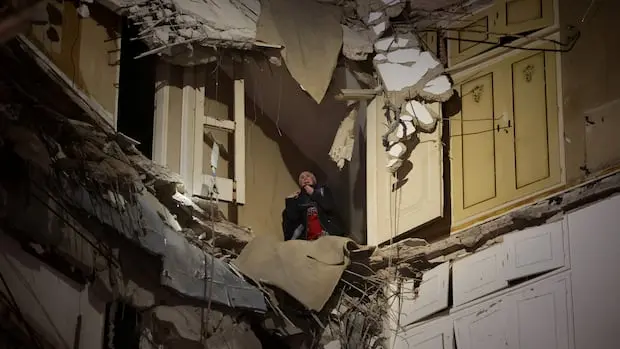
A wave of Israeli airstrikes swept across Lebanon on Wednesday, leaving at least 254 dead and hundreds wounded, according to the Lebanese Civil Defence.
Lebanese President Joseph Aoun condemned the surge in violence, saying that the latest attacks amount to a "massacre."
The escalation persists despite a two-week ceasefire agreement between the United States and Iran.
Brokered by Pakistan, the deal was meant to pause the war which started when the U.S. and Israel attacked Iran on Feb. 28 — prompting Hezbollah, the Iranian-backed militia in Lebanon, to strike Israel.
The war also led Iran to largely close the Strait of Hormuz, roiling the world's energy markets.
However, the terms of the ceasefire are under dispute.
Israeli Prime Minister Benjamin Netanyahu said Wednesday that the agreement would not halt Israel’s campaign in Lebanon.
Likewise, U.S. President Donald Trump told PBS News that Lebanon is not part of the ceasefire "because of Hezbollah" but will "get taken care of."
Israel pounds Lebanon despite U.S.-Iran ceasefire
Asked if he was OK with Israel's continued strikes, Trump said "That's a separate skirmish," PBS News Hour's Liz Landers said in a post on X following the interview.
Their comments contradict Pakistani Prime Minister Shehbaz Sharif, who said the agreement includes a total cessation of hostilities, specifically naming Lebanon.
Meanwhile, Iranian President Masoud Pezeshkian reportedly told Pakistan's prime minister that a ceasefire in Lebanon is an "essential condition" in the framework of the 10-point agreement with the United States, according to Iranian media.
By Wednesday afternoon, Tehran had announced it would again close the Strait of Hormuz in response to Israel's attacks on Lebanon, Iranian state media reports said.
U.S. Vice President JD Vance said Iran misunderstood what was part of the agreement.
"I think the Iranians thought that the ceasefire included Lebanon, and it just didn't," Vance told reporters in Budapest. He added that Israel had agreed to show restraint to help the peace talks succeed.
Mohammad Baqer Ghalibaf, Iran's parliament speaker, said on Wednesday that three key clauses of the agreed framework were violated before negotiations set to start on Friday in Pakistan, adding that in such a situation, a bilateral ceasefire or negotiations were unreasonable.
The breaches included the violation of a ceasefire in Lebanon, the entry of an "intruding drone" into Iranian airspace and the denial of Iran's right to uranium enrichment, he said in a post on X.
According to the Lebanese state news agency NNA, consecutive explosions shook Beirut as bombs struck multiple districts simultaneously. In the south, Israeli forces maintained a relentless assault, including a pre-dawn airstrike near a hospital that killed four people.
The Israeli military has also issued a series of urgent warnings to residents of Tyre, signalling plans to strike the southern city.
This follows what the military described as its largest co-ordinated strike of the war to date.
Israeli Defence Minister Israel Katz said that his government remains committed to separating the Iranian conflict from the war in Lebanon.
He said the goal is to change the reality on the ground and eliminate threats to northern Israeli residents who have faced heavy fire throughout the war.
Backing this, the Israel Defence Forces' military chief vowed to "utilize every operational opportunity" to dismantle Hezbollah.
The attacks in Lebanon have drawn concern from world leaders.
Prime Minister Mark Carney, French President Emmanuel Macron, U.K. Prime Minister Keir Starmer as well as other world leaders, issued a joint statement Wednesday calling for a lasting truce.
"This will be crucial to protect the civilian population of Iran and ensure security in the region," the leaders said in the statement, which was issued by a spokesperson for the European Council.
They noted that a ceasefire could "avert a severe global energy crisis" and should include Lebanon.
The group also pledged to "contribute to ensuring freedom of navigation in the Strait of Hormuz," though they did not provide specifics on how that would be enforced.
UN Human Rights Chief Volker Turk called the scale of the killing and destruction "nothing short of horrific" in a statement.
"Such carnage, within hours of agreeing to a ceasefire with Iran, defies belief. It places enormous pressure on a fragile peace, which is so desperately needed by civilians," he said.
Bombardment in southern Lebanon on Tuesday forced a convoy of humanitarian aid organized by the Vatican's embassy for a besieged Christian town to turn back, a priest in the town told Reuters.
Thousands of Christians in several southern Lebanese towns have stayed in their homes despite the escalating fighting between Israel and Hezbollah, hoping their towns would be spared if they stayed on the sidelines of the conflict.
But clashes and Israeli air strikes on surrounding villages have made travel in and out of the towns too dangerous, and food, water and medicine are running short.
Iran's Revolutionary Guard said in a statement Wednesday that if the attack on Lebanon does not end, a "regretful response" will face "aggressors" in the region, according to state media.
Egypt's Foreign Ministry described attacks by Israel against Lebanon as another attempt to drag the region into "total chaos."
In an interview with The Associated Press, Lebanon’s Minister of Social Affairs, Haneen Sayed, described the strikes in the capital as a "very dangerous turning point."
Israel backs Trump's 2-week pause on Iran strikes, says Lebanon excluded
"These hits are now at the heart of Beirut.... Half of the sheltered [internally displaced persons] are in Beirut in this area," Sayed said, noting she had just driven by the affected areas.
She said the Lebanese government is prepared to negotiate directly with Israel to end hostilities — an offer previously made by the president — but Israel has yet to respond.
"There are calls and efforts being made as we speak," Sayed said.
With files from Reuters and The Associated Press
Lebanese President Joseph Aoun condemned the surge in violence, saying that the latest attacks amount to a "massacre."
The escalation persists despite a two-week ceasefire agreement between the United States and Iran.
Brokered by Pakistan, the deal was meant to pause the war which started when the U.S. and Israel attacked Iran on Feb. 28 — prompting Hezbollah, the Iranian-backed militia in Lebanon, to strike Israel.
The war also led Iran to largely close the Strait of Hormuz, roiling the world's energy markets.
However, the terms of the ceasefire are under dispute.
Israeli Prime Minister Benjamin Netanyahu said Wednesday that the agreement would not halt Israel’s campaign in Lebanon.
Likewise, U.S. President Donald Trump told PBS News that Lebanon is not part of the ceasefire "because of Hezbollah" but will "get taken care of."
Israel pounds Lebanon despite U.S.-Iran ceasefire
Asked if he was OK with Israel's continued strikes, Trump said "That's a separate skirmish," PBS News Hour's Liz Landers said in a post on X following the interview.
Their comments contradict Pakistani Prime Minister Shehbaz Sharif, who said the agreement includes a total cessation of hostilities, specifically naming Lebanon.
Meanwhile, Iranian President Masoud Pezeshkian reportedly told Pakistan's prime minister that a ceasefire in Lebanon is an "essential condition" in the framework of the 10-point agreement with the United States, according to Iranian media.
By Wednesday afternoon, Tehran had announced it would again close the Strait of Hormuz in response to Israel's attacks on Lebanon, Iranian state media reports said.
U.S. Vice President JD Vance said Iran misunderstood what was part of the agreement.
"I think the Iranians thought that the ceasefire included Lebanon, and it just didn't," Vance told reporters in Budapest. He added that Israel had agreed to show restraint to help the peace talks succeed.
Mohammad Baqer Ghalibaf, Iran's parliament speaker, said on Wednesday that three key clauses of the agreed framework were violated before negotiations set to start on Friday in Pakistan, adding that in such a situation, a bilateral ceasefire or negotiations were unreasonable.
The breaches included the violation of a ceasefire in Lebanon, the entry of an "intruding drone" into Iranian airspace and the denial of Iran's right to uranium enrichment, he said in a post on X.
According to the Lebanese state news agency NNA, consecutive explosions shook Beirut as bombs struck multiple districts simultaneously. In the south, Israeli forces maintained a relentless assault, including a pre-dawn airstrike near a hospital that killed four people.
The Israeli military has also issued a series of urgent warnings to residents of Tyre, signalling plans to strike the southern city.
This follows what the military described as its largest co-ordinated strike of the war to date.
Israeli Defence Minister Israel Katz said that his government remains committed to separating the Iranian conflict from the war in Lebanon.
He said the goal is to change the reality on the ground and eliminate threats to northern Israeli residents who have faced heavy fire throughout the war.
Backing this, the Israel Defence Forces' military chief vowed to "utilize every operational opportunity" to dismantle Hezbollah.
The attacks in Lebanon have drawn concern from world leaders.
Prime Minister Mark Carney, French President Emmanuel Macron, U.K. Prime Minister Keir Starmer as well as other world leaders, issued a joint statement Wednesday calling for a lasting truce.
"This will be crucial to protect the civilian population of Iran and ensure security in the region," the leaders said in the statement, which was issued by a spokesperson for the European Council.
They noted that a ceasefire could "avert a severe global energy crisis" and should include Lebanon.
The group also pledged to "contribute to ensuring freedom of navigation in the Strait of Hormuz," though they did not provide specifics on how that would be enforced.
UN Human Rights Chief Volker Turk called the scale of the killing and destruction "nothing short of horrific" in a statement.
"Such carnage, within hours of agreeing to a ceasefire with Iran, defies belief. It places enormous pressure on a fragile peace, which is so desperately needed by civilians," he said.
Bombardment in southern Lebanon on Tuesday forced a convoy of humanitarian aid organized by the Vatican's embassy for a besieged Christian town to turn back, a priest in the town told Reuters.
Thousands of Christians in several southern Lebanese towns have stayed in their homes despite the escalating fighting between Israel and Hezbollah, hoping their towns would be spared if they stayed on the sidelines of the conflict.
But clashes and Israeli air strikes on surrounding villages have made travel in and out of the towns too dangerous, and food, water and medicine are running short.
Iran's Revolutionary Guard said in a statement Wednesday that if the attack on Lebanon does not end, a "regretful response" will face "aggressors" in the region, according to state media.
Egypt's Foreign Ministry described attacks by Israel against Lebanon as another attempt to drag the region into "total chaos."
In an interview with The Associated Press, Lebanon’s Minister of Social Affairs, Haneen Sayed, described the strikes in the capital as a "very dangerous turning point."
Israel backs Trump's 2-week pause on Iran strikes, says Lebanon excluded
"These hits are now at the heart of Beirut.... Half of the sheltered [internally displaced persons] are in Beirut in this area," Sayed said, noting she had just driven by the affected areas.
She said the Lebanese government is prepared to negotiate directly with Israel to end hostilities — an offer previously made by the president — but Israel has yet to respond.
"There are calls and efforts being made as we speak," Sayed said.
With files from Reuters and The Associated Press