라과디아 소방관이 충돌 전 '정지' 경고를 들었지만 누구를 위한 것인지 몰랐다고 보고서는 말한다
LaGuardia firefighter heard ‘stop’ before crash but didn’t know who it was for, report says
국가교통안전위원회는 3월 22일 충돌에 대한 예비 보고서에서 항공 교통 관제사용 충돌 방지 시스템이 음성 또는 시각적 경보를 생성하지 않았으며, 횡단 교통에 대한 정지 신호 역할을 하는 활주로의 조명이 충돌 약 3초 전까지 켜져 있었다고 말했다.
항공 교통 관제사의 초기 정지 경고 후 소방차량의 포탑 조작자가 관제사가 '트럭 1, 정지, 정지, 정지'라고 말하는 것을 들었고 경고가 트럭을 멈추라는 것이라고 깨달았다고 보고서는 말했다. 그 시점에는 트럭이 이미 활주로에 있었고 에어캐나다 익스프레스 비행 8646편이 착륙하며 이를 향해 전진하고 있었다.
소방차량의 두 승무원 중 한 명인 포탑 조작자는 차량이 왼쪽으로 회전할 때 활주로에서 비행기의 조명을 보았다고 조사관들이 실시한 인터뷰를 요약한 보고서에서 말했다.
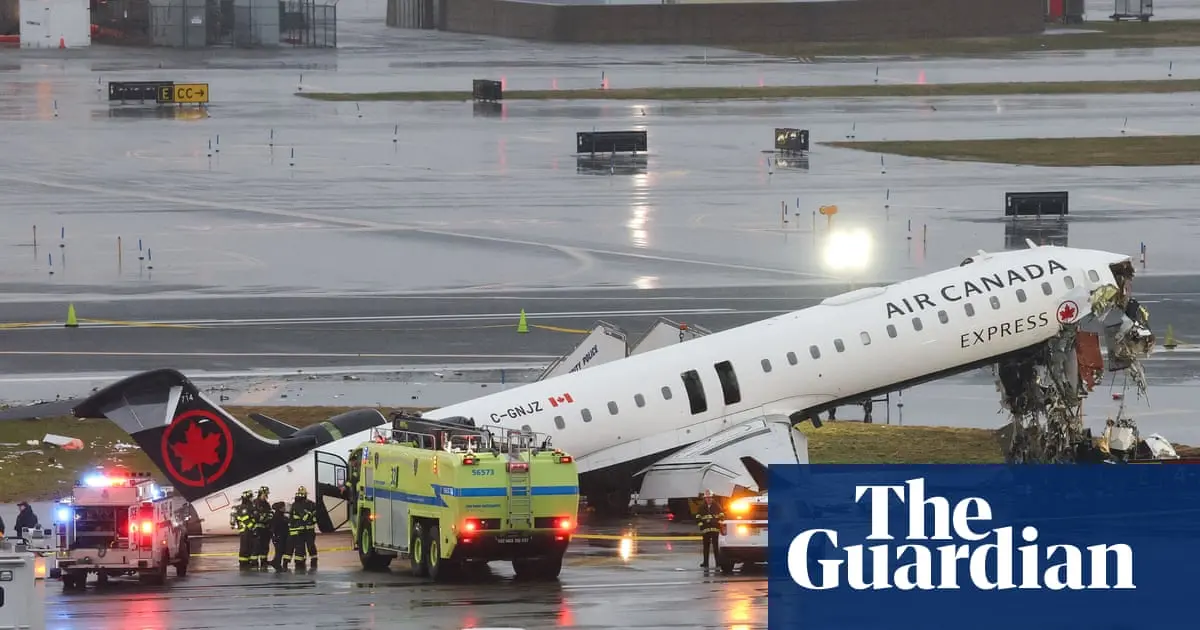
에어캐나다 항공기는 소방차와 충돌하여 조종사 앙투안 포레스트와 맥켄지 거너를 사망시켰다. 항공 교통 관제사는 비행기가 접지하기 12초 전에 트럭의 활주로 횡단을 허가했다고 연방 조사관들이 말했다.
몬트리올에서 출발한 CRJ900 지역 제트기인 이 비행편은 탑승객 70명 이상을 태우고 있었다. 소방차의 두 사람을 포함하여 약 40명이 병원으로 이송되었다. 여객실 안전벨트에 매여 있던 한 객실 승무원이 타닥 위로 던져진 후 생존했다.
소방차는 6대의 차량으로 구성된 호송대를 선도했으며, 여기에는 소방차 4대, 계단 트럭, 경찰차가 포함되어 있으며 아메리칸 항공 여객기 기실에서 보고된 강한 냄새와 관련된 긴급 상황에 대응하고 있었다.
라과디아 타워는 비행 지연으로 인해 밤 10시 이후의 도착 및 출발 수가 예정된 것의 2배 이상으로 증가하면서 충돌 당일 밤 평소보다 바빴다고 항공 분석 회사 시리움의 데이터에 따르면 말했다.
비행기들은 몇 분마다 착륙했으며, 오후 11시 사이에 12개 비행편이 도착했다. 동시에 타워는 승무원들을 불편하게 하는 비정상적인 냄새에 대한 긴급 대응을 조정하고 있었다.
라과디아는 위험한 활주로 침입을 제거하고 충돌을 방지하기 위한 고급 지표면 감시 시스템을 갖춘 35개의 주요 미국 공항 중 하나이다. 이 공항의 관제사들은 모든 비행기와 차량의 위치를 보여야 하는 타워의 디스플레이를 가지고 있다.
ASDE-X로 알려진 시스템은 소방차가 트랜스폰더를 장착하지 않았기 때문에 당시 의도대로 작동하지 않았다고 조사관들이 말했다. 또한 트럭 뒤에 긴급 차량이 있었으며, 차량이 합류하는 근접성으로 인해 시스템이 경보를 발동하지 못했다고 조사관들이 말했다.
항공 교통 관제 송수신에 따르면, 비행기는 오후 11시 35분에 활주로 4에 착륙하도록 허가받았다.
약 2분 후, 충돌 25초 전에 소방대원들이 비행기가 주차된 공항의 소방서와 아메리칸 항공 여객기 사이의 같은 활주로를 횡단하도록 요청했다.
5초 후, 에어캐나다 비행편이 지표면 약 100피트(30미터) 상공의 활주로에 접근하면서 항공 교통 관제사는 소방차의 활주로 횡단을 허가했다.
그리고 충돌 9초 전에 관제사는 소방대원들에게 절박하게 "정지. 정지. 정지. 정지. 트럭 1. 정지. 정지. 정지. 정지."라고 말했다. 1초 후, 비행기의 착륙장치가 접지했다.
그것은 34년 만에 라과디아에서 처음으로 발생한 치명적인 충돌이었다.
kimi-k2.5
0 tokens
$0.00000
0.2s
claude-haiku-4-5-20251001
3,609 tokens
$0.01015
18.9s
National Transportation Safety Board’s preliminary report further says crash prevention system didn’t generate alertA firefighter whose truck collided with an Air Canada jet last month on a runway at New York’s LaGuardia airport, killing both pilots, heard an air traffic controller warn “stop, stop, stop” but didn’t know who it was for, federal investigators said Thursday.The National Transportation Safety Board said in a preliminary report on the 22 March collision that a crash prevention system for air traffic controllers didn’t generate an audio or visual alert, and lights on the runway that act as a stop light for crossing traffic were on until about three seconds before the collision.
A firefighter whose truck collided with an Air Canada jet last month on a runway at New York’s LaGuardia airport, killing both pilots, heard an air traffic controller warn “stop, stop, stop” but didn’t know who it was for, federal investigators said Thursday.The National Transportation Safety Board said in a preliminary report on the 22 March collision that a crash prevention system for air traffic controllers didn’t generate an audio or visual alert, and lights on the runway that act as a stop light for crossing traffic were on until about three seconds before the collision.
After the air traffic controller’s initial stop warning, the fire truck’s turret operator heard the controller say, “Truck 1, stop, stop, stop,” and realized the warning was for the truck to halt, the report said. By that time, the truck was already on the runway as Air Canada Express Flight 8646 was landing and speeding toward it.
The turret operator, one of two crew members in the fire truck, recalled that as the vehicle turned left, he saw the airplane’s lights on the runway, the report said, summarizing an interview investigators conducted with the crew member.
The Air Canada plane slammed into the fire truck while landing, killing pilots Antoine Forest and Mackenzie Gunther. An air traffic controller had cleared the truck to cross the runway just 12 seconds before the plane touched down, federal investigators said.
The flight, a CRJ900 regional jet from Montreal, had more than 70 people on board. About 40 people, including the two people in the fire truck, were taken to hospitals. A flight attendant still strapped in her seat survived after being thrown onto the tarmac.
The fire truck was leading a convoy of six vehicles, including four fire trucks, a stair truck, and a police vehicle, responding to an emergency involving a strong odor reported in the cabin of an outbound United Airlines jet.
The tower at LaGuardia was busier than usual the night of the crash because flight delays pushed the number of arrivals and departures after 10pm to more than double of what was scheduled, according to data from aviation analytics firm Cirium.
Planes were landing every few minutes, with a dozen flights arriving between 11pm. At the same time, the tower was coordinating the emergency response to the unusual odor that was making flight attendants feel ill.
LaGuardia is one of 35 major US airports with an advanced surface surveillance system to help eliminate dangerous runway incursions and prevent crashes. Controllers at these airports have a display in the tower that’s supposed to show the location of every plane and vehicle.
The system, known as ASDE-X, didn’t work as intended at the time because the fire truck wasn’t outfitted with a transponder, investigators said. There were also emergency vehicles behind the truck, and the proximity of the vehicles merging kept the system from triggering an alarm, investigators said.
According to air traffic control transmissions, the plane was cleared to land on runway 4 at 11.35pm.
About 2 minutes later – and 25 seconds before the crash – the fire crew asked to cross the same runway, which was between the airport’s fire station and where the United Airlines jet had parked.
Five seconds later, with the Air Canada flight approaching the runway a little more than 100 ft (30 meters) above the ground, an air traffic controller cleared the fire truck to cross the runway.
Then, just 9 seconds before the crash, the controller frantically told the fire crew: “Stop. Stop. Stop. Stop. Truck 1. Stop. Stop. Stop. Stop.” A second later, the plane’s landing gear touched down.
It was the first deadly crash at LaGuardia in 34 years.