케냐: 공공서비스 이용 중 여성 10명 중 7명이 반복적 성폭력 협박 직면 - 조사
Kenya: Seven in 10 Women Face Repeated Sextortion While Seeking Public Services - Study
AllAfrica
Bruhan Makong
EN
2026-04-09 12:30
Translated
[CONTENT]
나이로비 — 케냐에서 공공서비스를 이용하는 여성 서비스 이용자 중 거의 4분의 3이 공공서비스 접근 과정에서 반복적으로 성적 대가를 요구받는다고 보고했다. 최근 공개된 '2025 케냐 국가 성별 및 부패 조사'에 따르면 이러한 실태가 드러났다.
윤리반부패위원회(EACC)가 케냐통계청(KNBS)의 지원을 받아 실시한 이번 조사에서 성폭력 협박을 경험한 여성의 73%가 1년 내에 3회 이상 성적 대가를 요구받았다고 나타났다.
반부패 기관은 이러한 조사 결과가 특히 정부 필수서비스를 이용하는 여성들을 대상으로 한 성폭력 협박의 만연하고 반복적인 성격을 부각시킨다고 밝혔다.
조사에 따르면 여성들이 불균형적으로 표적이 되고 있으며, 반복적인 강압이 성폭력 협박의 특징으로 떠오르고 있다.
3회 이상 협박을 받은 여성이 73%인 것 외에도, 상당 비율의 여성 응답자들이 서비스 이용 과정에서 최소 2회 이상 성적 요구를 경험했다고 보고했다.
남성들도 영향을 받았지만 수준이 낮았다. 남성 응답자의 약 27%가 3회 이상 성적 대가를 요구받았다고 답했으며, 18%는 최소 1회 이상 이러한 요구를 경험했다고 답했다.
전체적으로 서비스 이용자의 8%는 간접적으로 성적 대가를 요청받았으며, 2.1%는 조사 이전 12개월 동안 직접적인 요청을 받았다고 보고했다.
강압적 관행
보고서는 성폭력 협박의 복잡성을 강조하면서, 요구가 종종 간접적이어서 적발과 신고가 어렵다고 지적했다.
여성들은 직간접적 요청을 모두 받을 가능성이 높았다. 여성 응답자의 약 9.3%가 간접적 요구를 받았으며 남성은 7.4%였고, 여성의 3%가 직접적 요청을 받았으며 남성은 약 1%였다.
이러한 조사 결과는 가해자들이 공공서비스 제공의 권력 불균형을 악용하면서 미묘한 강압에 자주 의존함을 시사한다.
조사는 케냐의 부패가 현금 뇌물을 넘어 성적 착취와 같은 비금전적 거래를 포함한다는 점을 강조한다.
초점집단토론 중에 수집된 증언은 성폭력 협박이 일상생활과 여러 부문에서 어떻게 나타나는지 보여준다.
키수무의 한 참가자는 "부패를 논할 때 금전적인 것만을 의미하지 않는다... 어떤 여성들은 생선과 같은 것을 얻기 위해 성관계를 강요당한다"고 말하며 비공식 경제에서의 관행을 설명했다.
뉘에리의 또 다른 증언은 권력 있는 개인들이 가해자를 비호한다고 주장하면서 부패가 민감한 사건에서 사법부를 방해할 수 있는 방식을 강조했다.
성폭력 협박 조사 결과는 조사에서 확인된 더 광범위한 우려 속에서 나왔으며, 경찰, 민간등록, 토지등기, NTSA 관계자들이 부패 유병율이 가장 높은 기관 중 하나로 확인되었다.
뇌물의 72% 이상이 현금으로 지불되었다고 보고되었으며, 이는 서비스 이용 시 비공식적 거래의 지속적인 우위를 반영한다.
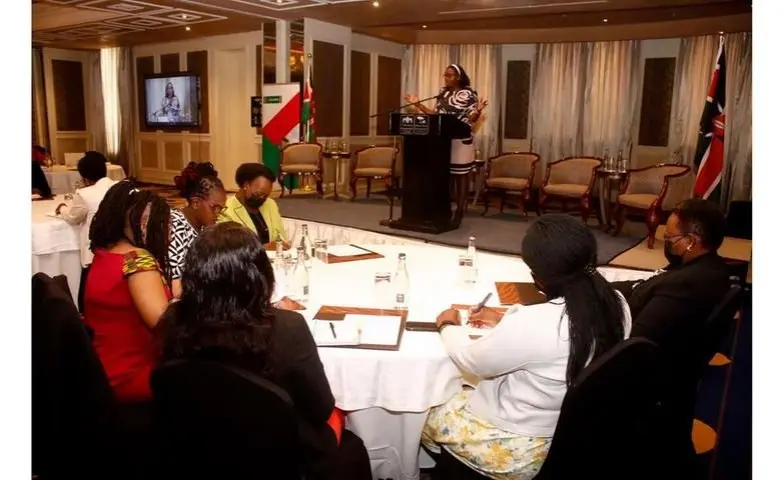
조사는 EACC 예방서비스 담당관 빈센트 오꽁고가 유엔마약범죄사무소(UNODC)를 포함한 고위 관계자와 개발 파트너가 참석한 포럼에서 발표했다.
케냐는 부패에 대한 포용적이고 시민 중심의 접근을 요구하는 유엔부패방지협약에 부합하면서 성별 중심의 부패 조사를 실시하는 소수의 아프리카 국가 중 하나이다.
나이로비 — 케냐에서 공공서비스를 이용하는 여성 서비스 이용자 중 거의 4분의 3이 공공서비스 접근 과정에서 반복적으로 성적 대가를 요구받는다고 보고했다. 최근 공개된 '2025 케냐 국가 성별 및 부패 조사'에 따르면 이러한 실태가 드러났다.
윤리반부패위원회(EACC)가 케냐통계청(KNBS)의 지원을 받아 실시한 이번 조사에서 성폭력 협박을 경험한 여성의 73%가 1년 내에 3회 이상 성적 대가를 요구받았다고 나타났다.
반부패 기관은 이러한 조사 결과가 특히 정부 필수서비스를 이용하는 여성들을 대상으로 한 성폭력 협박의 만연하고 반복적인 성격을 부각시킨다고 밝혔다.
조사에 따르면 여성들이 불균형적으로 표적이 되고 있으며, 반복적인 강압이 성폭력 협박의 특징으로 떠오르고 있다.
3회 이상 협박을 받은 여성이 73%인 것 외에도, 상당 비율의 여성 응답자들이 서비스 이용 과정에서 최소 2회 이상 성적 요구를 경험했다고 보고했다.
남성들도 영향을 받았지만 수준이 낮았다. 남성 응답자의 약 27%가 3회 이상 성적 대가를 요구받았다고 답했으며, 18%는 최소 1회 이상 이러한 요구를 경험했다고 답했다.
전체적으로 서비스 이용자의 8%는 간접적으로 성적 대가를 요청받았으며, 2.1%는 조사 이전 12개월 동안 직접적인 요청을 받았다고 보고했다.
강압적 관행
보고서는 성폭력 협박의 복잡성을 강조하면서, 요구가 종종 간접적이어서 적발과 신고가 어렵다고 지적했다.
여성들은 직간접적 요청을 모두 받을 가능성이 높았다. 여성 응답자의 약 9.3%가 간접적 요구를 받았으며 남성은 7.4%였고, 여성의 3%가 직접적 요청을 받았으며 남성은 약 1%였다.
이러한 조사 결과는 가해자들이 공공서비스 제공의 권력 불균형을 악용하면서 미묘한 강압에 자주 의존함을 시사한다.
조사는 케냐의 부패가 현금 뇌물을 넘어 성적 착취와 같은 비금전적 거래를 포함한다는 점을 강조한다.
초점집단토론 중에 수집된 증언은 성폭력 협박이 일상생활과 여러 부문에서 어떻게 나타나는지 보여준다.
키수무의 한 참가자는 "부패를 논할 때 금전적인 것만을 의미하지 않는다... 어떤 여성들은 생선과 같은 것을 얻기 위해 성관계를 강요당한다"고 말하며 비공식 경제에서의 관행을 설명했다.
뉘에리의 또 다른 증언은 권력 있는 개인들이 가해자를 비호한다고 주장하면서 부패가 민감한 사건에서 사법부를 방해할 수 있는 방식을 강조했다.
성폭력 협박 조사 결과는 조사에서 확인된 더 광범위한 우려 속에서 나왔으며, 경찰, 민간등록, 토지등기, NTSA 관계자들이 부패 유병율이 가장 높은 기관 중 하나로 확인되었다.
뇌물의 72% 이상이 현금으로 지불되었다고 보고되었으며, 이는 서비스 이용 시 비공식적 거래의 지속적인 우위를 반영한다.
조사는 EACC 예방서비스 담당관 빈센트 오꽁고가 유엔마약범죄사무소(UNODC)를 포함한 고위 관계자와 개발 파트너가 참석한 포럼에서 발표했다.
케냐는 부패에 대한 포용적이고 시민 중심의 접근을 요구하는 유엔부패방지협약에 부합하면서 성별 중심의 부패 조사를 실시하는 소수의 아프리카 국가 중 하나이다.
윤리반부패위원회(EACC)가 케냐통계청(KNBS)의 지원을 받아 실시한 이번 조사에서 성폭력 협박을 경험한 여성의 73%가 1년 내에 3회 이상 성적 대가를 요구받았다고 나타났다.
반부패 기관은 이러한 조사 결과가 특히 정부 필수서비스를 이용하는 여성들을 대상으로 한 성폭력 협박의 만연하고 반복적인 성격을 부각시킨다고 밝혔다.
조사에 따르면 여성들이 불균형적으로 표적이 되고 있으며, 반복적인 강압이 성폭력 협박의 특징으로 떠오르고 있다.
3회 이상 협박을 받은 여성이 73%인 것 외에도, 상당 비율의 여성 응답자들이 서비스 이용 과정에서 최소 2회 이상 성적 요구를 경험했다고 보고했다.
남성들도 영향을 받았지만 수준이 낮았다. 남성 응답자의 약 27%가 3회 이상 성적 대가를 요구받았다고 답했으며, 18%는 최소 1회 이상 이러한 요구를 경험했다고 답했다.
전체적으로 서비스 이용자의 8%는 간접적으로 성적 대가를 요청받았으며, 2.1%는 조사 이전 12개월 동안 직접적인 요청을 받았다고 보고했다.
강압적 관행
보고서는 성폭력 협박의 복잡성을 강조하면서, 요구가 종종 간접적이어서 적발과 신고가 어렵다고 지적했다.
여성들은 직간접적 요청을 모두 받을 가능성이 높았다. 여성 응답자의 약 9.3%가 간접적 요구를 받았으며 남성은 7.4%였고, 여성의 3%가 직접적 요청을 받았으며 남성은 약 1%였다.
이러한 조사 결과는 가해자들이 공공서비스 제공의 권력 불균형을 악용하면서 미묘한 강압에 자주 의존함을 시사한다.
조사는 케냐의 부패가 현금 뇌물을 넘어 성적 착취와 같은 비금전적 거래를 포함한다는 점을 강조한다.
초점집단토론 중에 수집된 증언은 성폭력 협박이 일상생활과 여러 부문에서 어떻게 나타나는지 보여준다.
키수무의 한 참가자는 "부패를 논할 때 금전적인 것만을 의미하지 않는다... 어떤 여성들은 생선과 같은 것을 얻기 위해 성관계를 강요당한다"고 말하며 비공식 경제에서의 관행을 설명했다.
뉘에리의 또 다른 증언은 권력 있는 개인들이 가해자를 비호한다고 주장하면서 부패가 민감한 사건에서 사법부를 방해할 수 있는 방식을 강조했다.
성폭력 협박 조사 결과는 조사에서 확인된 더 광범위한 우려 속에서 나왔으며, 경찰, 민간등록, 토지등기, NTSA 관계자들이 부패 유병율이 가장 높은 기관 중 하나로 확인되었다.
뇌물의 72% 이상이 현금으로 지불되었다고 보고되었으며, 이는 서비스 이용 시 비공식적 거래의 지속적인 우위를 반영한다.
조사는 EACC 예방서비스 담당관 빈센트 오꽁고가 유엔마약범죄사무소(UNODC)를 포함한 고위 관계자와 개발 파트너가 참석한 포럼에서 발표했다.
케냐는 부패에 대한 포용적이고 시민 중심의 접근을 요구하는 유엔부패방지협약에 부합하면서 성별 중심의 부패 조사를 실시하는 소수의 아프리카 국가 중 하나이다.
Nairobi — Nearly three-quarters of female service seekers in Kenya report facing repeated demands for sexual favours while accessing public services, a newly released Kenya National Gender and Corruption Survey 2025 shows.
The study, conducted by the Ethics and Anti-Corruption Commission (EACC) with support from the Kenya National Bureau of Statistics (KNBS), found that 73 per cent of women who experienced sextortion were solicited for sexual favours more than three times within a year.
The anti-graft agency said the findings highlight the entrenched and repetitive nature of sextortion, particularly against women seeking essential government services.
The survey indicates that women are disproportionately targeted, with repeated coercion emerging as a defining feature of sextortion.
In addition to the 73 per cent who reported being solicited more than three times, a significant proportion of female respondents reported experiencing demands at least twice during service interactions.
Men were also affected, though at lower levels. About 27 per cent of male respondents reported being asked for sexual favours more than three times, while 18 per cent said they experienced at least one such demand.
Overall, 8 per cent of service seekers said they were indirectly asked for sexual favours, while 2.1 per cent reported direct requests in the 12 months leading up to the survey.
Coercive practices
The report highlights the complexity of sextortion, noting that demands are often indirect, making them harder to detect and report.
Women were more likely to face both direct and indirect requests. About 9.3 per cent of female respondents reported indirect demands, compared to 7.4 per cent of men, while 3 per cent of women reported direct requests, versus about 1 per cent of men.
The findings suggest that perpetrators frequently rely on subtle coercion, exploiting power imbalances in public service delivery.
The survey underscores that corruption in Kenya extends beyond cash bribes to include non-monetary exchanges such as sexual exploitation.
Testimonies collected during focus group discussions illustrate how sextortion manifests in everyday life and across sectors.
"When we talk corruption, it does not mean monetary only... there are ladies who are forced to get that fish in exchange for sex," a participant in Kisumu said, describing practices in the informal economy.
Another account from Nyeri highlighted how corruption can obstruct justice in sensitive cases, with powerful individuals allegedly shielding perpetrators.
The sextortion findings come amid broader concerns raised in the survey, which identified police, civil registration, land registry, and NTSA officials among the institutions with the highest corruption prevalence.
More than 72 per cent of bribes were reported to be paid in cash, reflecting the continued dominance of informal transactions in accessing services.
The survey was presented by EACC Director of Preventive Services Vincent Okong'o at a forum attended by senior officials and development partners, including the United Nations Office on Drugs and Crime (UNODC).
Kenya is among the few African countries to undertake a gender-focused corruption survey, aligning with the United Nations Convention against Corruption, which calls for inclusive and citizen-driven approaches to tackling corruption.
Read the original article on Capital FM.
The study, conducted by the Ethics and Anti-Corruption Commission (EACC) with support from the Kenya National Bureau of Statistics (KNBS), found that 73 per cent of women who experienced sextortion were solicited for sexual favours more than three times within a year.
The anti-graft agency said the findings highlight the entrenched and repetitive nature of sextortion, particularly against women seeking essential government services.
The survey indicates that women are disproportionately targeted, with repeated coercion emerging as a defining feature of sextortion.
In addition to the 73 per cent who reported being solicited more than three times, a significant proportion of female respondents reported experiencing demands at least twice during service interactions.
Men were also affected, though at lower levels. About 27 per cent of male respondents reported being asked for sexual favours more than three times, while 18 per cent said they experienced at least one such demand.
Overall, 8 per cent of service seekers said they were indirectly asked for sexual favours, while 2.1 per cent reported direct requests in the 12 months leading up to the survey.
Coercive practices
The report highlights the complexity of sextortion, noting that demands are often indirect, making them harder to detect and report.
Women were more likely to face both direct and indirect requests. About 9.3 per cent of female respondents reported indirect demands, compared to 7.4 per cent of men, while 3 per cent of women reported direct requests, versus about 1 per cent of men.
The findings suggest that perpetrators frequently rely on subtle coercion, exploiting power imbalances in public service delivery.
The survey underscores that corruption in Kenya extends beyond cash bribes to include non-monetary exchanges such as sexual exploitation.
Testimonies collected during focus group discussions illustrate how sextortion manifests in everyday life and across sectors.
"When we talk corruption, it does not mean monetary only... there are ladies who are forced to get that fish in exchange for sex," a participant in Kisumu said, describing practices in the informal economy.
Another account from Nyeri highlighted how corruption can obstruct justice in sensitive cases, with powerful individuals allegedly shielding perpetrators.
The sextortion findings come amid broader concerns raised in the survey, which identified police, civil registration, land registry, and NTSA officials among the institutions with the highest corruption prevalence.
More than 72 per cent of bribes were reported to be paid in cash, reflecting the continued dominance of informal transactions in accessing services.
The survey was presented by EACC Director of Preventive Services Vincent Okong'o at a forum attended by senior officials and development partners, including the United Nations Office on Drugs and Crime (UNODC).
Kenya is among the few African countries to undertake a gender-focused corruption survey, aligning with the United Nations Convention against Corruption, which calls for inclusive and citizen-driven approaches to tackling corruption.
Read the original article on Capital FM.