1차 세계대전 퀘벡 포로가 깎은 100년 된 의자의 여정이 전쟁박물관에서 끝나다
Journey of century-old chair carved by WW I Quebec prisoner ends at war museumVery few archival items exist from Canada's First World War internment camps. But now, the Canadian War Museum in Ottawa is adding a hand-carved wooden chair to its collection thanks to a B.C. woman who got curious about its origins and reached out to CBC Montreal for help last year.Canada -Montreal |7 hours ago|
CBC News
Leah Hendry · CBC News · Posted: Apr 10, 2026 4:00 AM EDT | Last Updated: 8 hours ago
EN
2026-04-10 22:22
Translated
캐나다 전쟁박물관이 브리티시컬럼비아 여성의 도움으로 1915년 포로수용소에서 손으로 깎은 나무 의자를 소장품에 추가하다
1차 세계대전 포로수용소에서 깎인 지 100년 이상이 지난 지금, 손으로 만든 나무 의자가 오타와의 캐나다 전쟁박물관에 새로운 보금자리를 찾았다.
"이 작품의 아름다운 장인정신을 주목하지 않기 어렵습니다"라고 박물관의 수집 전문가 메레디스 맥린이 말했다.
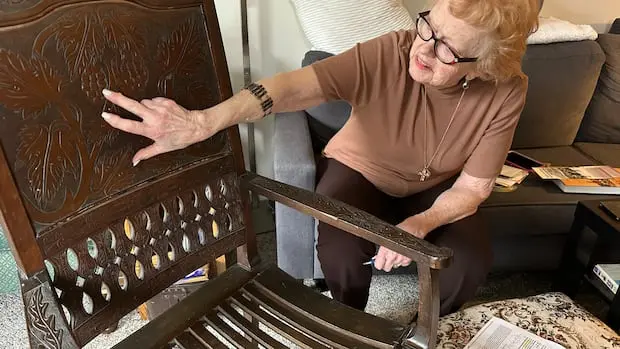
노란 자작나무나 참나무로 만들어진 것으로 추정되는 이 의자에는 포도나무, 참나무 잎과 도토리가 새겨져 있다. 뒷면에는 1915년이라는 날짜와 1915년부터 1917년까지 운영된 퀘벡의 아비티비 지역의 스피릿 레이크 포로수용소에 수감된 자가 깎았다는 메시지가 적힌 큰 프랑스어 비문이 있다.
1차 세계대전 중 캐나다 정부는 우크라이나인과 다른 동유럽 이민자들을 적국민으로 간주하여 이 수용소에 감금했다.
기증되기 전에 의자는 브리티시컬럼비아 주 싸워센의 마르갈로 화이트의 집 한구석에 수년간 놓여 있었다. 그녀는 오타와에 살았던 할아버지로부터 그것을 물려받았다. 그 가족이 수용소와 어떤 연관도 없었기 때문에 할아버지가 어떻게 획득했는지는 알 수 없다.
의자의 기원에 대해 궁금해진 화이트는 그 의자를 깎은 사람의 신원을 파악하기 위해 지난해 CBC 몬트리올에 연락했다.
족보 기록을 이용하여 CBC는 이 의자가 아내와 세 자녀와 함께 스피릿 레이크에 수감되었던 루마니아 이민자 시르기 소피안이 깎았을 가능성이 높다는 것을 발견했다.
1916년 석방된 후 소피안과 그의 가족은 온타리오 주 윈저 지역에서 몇 년을 보낸 후 미시간의 작은 농촌 지역으로 이주했다.
그의 인생은 쉽지 않았다. 그는 목수, 공장, 그리고 나중에는 농장 관리자로 일했지만 임금은 적었다. 1933년 소피안은 재정 지원을 요청하기 위해 미국 대통령 프랭클린 D. 루즈벨트에게 손으로 깎은 테이블을 크리스마스 선물로 보냈다.
화이트가 소피안의 이야기를 알게 된 후, 그녀는 의자가 어디로 갈지에 대해 시간을 가지고 결정했다.
"그 의자가 원래 캐나다에서 만들어졌고 캐나다 역사의 일부이기 때문에 의자를 캐나다 박물관에 기증하는 것에 만족감이 있었습니다"라고 화이트가 CBC 이메일로 전했다.
이 시기의 기록물은 특히 스피릿 레이크의 기록물이 드물다.
"이전에는 우리 컬렉션에 사진과 크리스마스 카드 하나라는 기록물이 있었던 것 같습니다"라고 맥린이 말했다. "그것들은 매우 드물기 때문에 우리는 3차원 유물이라는 점에서 이 작품에 상당히 관심이 있었습니다."
의자의 배경 이야기도 그것을 특별하게 만든다. 포로에 대해 이렇게 많은 것을 아는 것은 드물다.
"이 사건들을 직접 경험한 감금을 경험한 사람들에 대해 인간으로서 이야기할 수 있다면 역사와 연결되는 데 도움이 됩니다"라고 박물관의 역사가 스테이시 바커가 말했다.
바커와 맥린은 그 의자가 어떻게 화이트의 가족에게 도착했는지 알아내고 싶다고 말했다. 이런 큰 작품들은 보통 수용소 경비원이 주문한다.
"수감된 사람들과 그들을 지키는 사람들 사이의 관계는 흥미로운 부분입니다"라고 맥린이 말했다. "우리 컬렉션에는 감금된 사람들이 만들어 경비원들에게 선물로 준 여러 예술 작품들이 있습니다."
현재 그 의자를 전시할 계획은 없지만 다른 박물관으로 대여되거나 박물관이 다음에 포로수용소에 관한 특별 전시를 할 때 많은 캐나다인들이 모르는 과거의 구체적인 유물로 사용될 수 있다.
"이 작품의 아름다운 장인정신을 주목하지 않기 어렵습니다"라고 박물관의 수집 전문가 메레디스 맥린이 말했다.
노란 자작나무나 참나무로 만들어진 것으로 추정되는 이 의자에는 포도나무, 참나무 잎과 도토리가 새겨져 있다. 뒷면에는 1915년이라는 날짜와 1915년부터 1917년까지 운영된 퀘벡의 아비티비 지역의 스피릿 레이크 포로수용소에 수감된 자가 깎았다는 메시지가 적힌 큰 프랑스어 비문이 있다.
1차 세계대전 중 캐나다 정부는 우크라이나인과 다른 동유럽 이민자들을 적국민으로 간주하여 이 수용소에 감금했다.
기증되기 전에 의자는 브리티시컬럼비아 주 싸워센의 마르갈로 화이트의 집 한구석에 수년간 놓여 있었다. 그녀는 오타와에 살았던 할아버지로부터 그것을 물려받았다. 그 가족이 수용소와 어떤 연관도 없었기 때문에 할아버지가 어떻게 획득했는지는 알 수 없다.
의자의 기원에 대해 궁금해진 화이트는 그 의자를 깎은 사람의 신원을 파악하기 위해 지난해 CBC 몬트리올에 연락했다.
족보 기록을 이용하여 CBC는 이 의자가 아내와 세 자녀와 함께 스피릿 레이크에 수감되었던 루마니아 이민자 시르기 소피안이 깎았을 가능성이 높다는 것을 발견했다.
1916년 석방된 후 소피안과 그의 가족은 온타리오 주 윈저 지역에서 몇 년을 보낸 후 미시간의 작은 농촌 지역으로 이주했다.
그의 인생은 쉽지 않았다. 그는 목수, 공장, 그리고 나중에는 농장 관리자로 일했지만 임금은 적었다. 1933년 소피안은 재정 지원을 요청하기 위해 미국 대통령 프랭클린 D. 루즈벨트에게 손으로 깎은 테이블을 크리스마스 선물로 보냈다.
화이트가 소피안의 이야기를 알게 된 후, 그녀는 의자가 어디로 갈지에 대해 시간을 가지고 결정했다.
"그 의자가 원래 캐나다에서 만들어졌고 캐나다 역사의 일부이기 때문에 의자를 캐나다 박물관에 기증하는 것에 만족감이 있었습니다"라고 화이트가 CBC 이메일로 전했다.
이 시기의 기록물은 특히 스피릿 레이크의 기록물이 드물다.
"이전에는 우리 컬렉션에 사진과 크리스마스 카드 하나라는 기록물이 있었던 것 같습니다"라고 맥린이 말했다. "그것들은 매우 드물기 때문에 우리는 3차원 유물이라는 점에서 이 작품에 상당히 관심이 있었습니다."
의자의 배경 이야기도 그것을 특별하게 만든다. 포로에 대해 이렇게 많은 것을 아는 것은 드물다.
"이 사건들을 직접 경험한 감금을 경험한 사람들에 대해 인간으로서 이야기할 수 있다면 역사와 연결되는 데 도움이 됩니다"라고 박물관의 역사가 스테이시 바커가 말했다.
바커와 맥린은 그 의자가 어떻게 화이트의 가족에게 도착했는지 알아내고 싶다고 말했다. 이런 큰 작품들은 보통 수용소 경비원이 주문한다.
"수감된 사람들과 그들을 지키는 사람들 사이의 관계는 흥미로운 부분입니다"라고 맥린이 말했다. "우리 컬렉션에는 감금된 사람들이 만들어 경비원들에게 선물로 준 여러 예술 작품들이 있습니다."
현재 그 의자를 전시할 계획은 없지만 다른 박물관으로 대여되거나 박물관이 다음에 포로수용소에 관한 특별 전시를 할 때 많은 캐나다인들이 모르는 과거의 구체적인 유물로 사용될 수 있다.
Over a century after it was carved in a First World War internment camp, a handmade wooden chair has found a new home at the Canadian War Museum in Ottawa.
“It’s hard not to notice the beautiful craftsmanship of this piece,” said Meredith MacLean, a collections specialist at the museum.
Believed to be made from yellow birch or oak, the chair is engraved with grapevines, oak leaves and acorns. On the back, a large French inscription lists the date — 1915 — and a message that says it was carved by a detainee at the Spirit Lake internment camp, which operated in Quebec’s Abitibi region from 1915 to 1917.
During the First World War, the Canadian government detained Ukrainians and other Eastern European immigrants in these camps because officials considered them to be enemy aliens.
Before it was donated, the chair sat in a corner of Margalo Whyte’s home in Tsawwassen, B.C., for years. She inherited it from her grandfather, who had lived in Ottawa. She has no idea how he acquired it as their family had no connection to the camp.
Curious about the chair’s origins, Whyte contacted CBC Montreal last year for help in tracking down the identity of the man who carved it.
Using genealogical records, CBC discovered the chair was likely carved by Sirghi Sofian, a Romanian immigrant who was detained at Spirit Lake along with his wife and three children.
After he was released in 1916, Sofian and his family spent a few years in the Windsor, Ont., area and then moved to a small farming community in Michigan.
His life was not an easy one. He worked as a carpenter, in factories and later as a farm manager, but the work was poorly paid. In 1933, Sofian sent U.S. President Franklin D. Roosevelt a hand-carved table as a Christmas present in a bid to ask him for financial assistance.
Read the full story about how CBC tracked Sofian and his chair’s journey here.
Once Whyte learned about Sofian’s story, she took some time to decide where the chair would go next.
“There was an element of satisfaction donating the chair to a Canadian museum since the chair was originally created in Canada and is part of Canadian history,” Whyte told CBC by email.
Archival items from this time period are rare, particularly from Spirit Lake.
“Before this, I think we had a collection of photos and one archival piece, a Christmas card in our collection,” said MacLean. “They are very uncommon, so we were quite interested in this piece because it’s a 3D artifact.”
The chair’s backstory also makes it special. It's unusual to know so much about a prisoner.
"It helps to connect to the history if we have people who lived through these events, who experienced internment and we can talk about them as human beings, right?" said Stacey Barker, a historian at the museum.
Barker and MacLean said they’d like to figure out how the chair ended up in Whyte’s family. Large pieces like this are usually commissioned by camp guards.
“It is interesting, the relationship between the people who were interned and the people who were guarding them,” said MacLean. “We have a number of artworks in our collection that were created by people who were interned and given as gifts to the guards.”
There are no immediate plans to display the chair, but it could be loaned out to other museums or used the next time the museum does an exhibition on internment camps as a tangible relic from a past few Canadians are aware of.
“It’s hard not to notice the beautiful craftsmanship of this piece,” said Meredith MacLean, a collections specialist at the museum.
Believed to be made from yellow birch or oak, the chair is engraved with grapevines, oak leaves and acorns. On the back, a large French inscription lists the date — 1915 — and a message that says it was carved by a detainee at the Spirit Lake internment camp, which operated in Quebec’s Abitibi region from 1915 to 1917.
During the First World War, the Canadian government detained Ukrainians and other Eastern European immigrants in these camps because officials considered them to be enemy aliens.
Before it was donated, the chair sat in a corner of Margalo Whyte’s home in Tsawwassen, B.C., for years. She inherited it from her grandfather, who had lived in Ottawa. She has no idea how he acquired it as their family had no connection to the camp.
Curious about the chair’s origins, Whyte contacted CBC Montreal last year for help in tracking down the identity of the man who carved it.
Using genealogical records, CBC discovered the chair was likely carved by Sirghi Sofian, a Romanian immigrant who was detained at Spirit Lake along with his wife and three children.
After he was released in 1916, Sofian and his family spent a few years in the Windsor, Ont., area and then moved to a small farming community in Michigan.
His life was not an easy one. He worked as a carpenter, in factories and later as a farm manager, but the work was poorly paid. In 1933, Sofian sent U.S. President Franklin D. Roosevelt a hand-carved table as a Christmas present in a bid to ask him for financial assistance.
Read the full story about how CBC tracked Sofian and his chair’s journey here.
Once Whyte learned about Sofian’s story, she took some time to decide where the chair would go next.
“There was an element of satisfaction donating the chair to a Canadian museum since the chair was originally created in Canada and is part of Canadian history,” Whyte told CBC by email.
Archival items from this time period are rare, particularly from Spirit Lake.
“Before this, I think we had a collection of photos and one archival piece, a Christmas card in our collection,” said MacLean. “They are very uncommon, so we were quite interested in this piece because it’s a 3D artifact.”
The chair’s backstory also makes it special. It's unusual to know so much about a prisoner.
"It helps to connect to the history if we have people who lived through these events, who experienced internment and we can talk about them as human beings, right?" said Stacey Barker, a historian at the museum.
Barker and MacLean said they’d like to figure out how the chair ended up in Whyte’s family. Large pieces like this are usually commissioned by camp guards.
“It is interesting, the relationship between the people who were interned and the people who were guarding them,” said MacLean. “We have a number of artworks in our collection that were created by people who were interned and given as gifts to the guards.”
There are no immediate plans to display the chair, but it could be loaned out to other museums or used the next time the museum does an exhibition on internment camps as a tangible relic from a past few Canadians are aware of.