모기지를 고정금리로 전환하기에는 너무 늦었을 수 있습니다 – 대신 이 저축 방법을 시도해보세요
It might be too late to fix your mortgage – so try this saving instead
Sydney Morning Herald
Nicole Pedersen-McKinnon
EN
2026-04-11 04:10
Translated
고정금리로 대출 이자를 고정시키는 것의 문제점은 대부분의 사람들이 이를 고려할 때쯤이면 이미 너무 늦다는 것입니다.
저장된 항목의 최대 개수에 도달했습니다.
저장 목록에서 항목을 제거하여 더 많은 항목을 추가하세요.
기사를 저장 목록에 추가하고 언제든지 돌아와서 읽을 수 있습니다.
고정금리로 대출 이자를 고정시키는 것의 문제점은 대부분의 사람들이 이를 고려할 때쯤이면 이미 너무 늦다는 것입니다.
하지만 항상 재정적으로 더 나빠지는 것은 아닙니다. 실제로 나는 첫 번째 주택 대출에서 반고정 전략으로 큰 이득을 봤습니다 (이 전략에 대해 다시 설명하겠습니다). 그렇다면 현재의 고정금리가 작동하기 위해 공식 금리에서 어떤 일이 일어나야 하는지 모델링해봅시다.
고정금리로 이익을 얻는 방식은 당연히 변동금리를 유지했을 경우보다 고정 기간 동안 총 상환액이 적어야 합니다. 현재 전형적인 대출을 살펴봅시다: $700,000입니다.
2월과 3월의 두 번의 금리 인상 이후 최고 수준의 표준 변동금리는 약 5.8%입니다. 이보다 싼 금리를 얻을 수 있겠지만, 최고 수준의 대출은 실제 상쇄 계정이 있는 대출이라고 생각합니다. 왜냐하면 올바르게 사용하면 이것들은 엄청나게 강력한 부채 감소 도구이기 때문입니다.
(실제 상쇄 계정은 대출 자체와 분리되고 격리된 계정으로, 저축은 항상 접근 가능하며 최대 $250,000까지 호주 정부 예금 보증 대상입니다. 상쇄 계정이 실제인지 확인하려면 대출이 공인된 입금 기관으로 뒷받침되어야 합니다 – APRA 웹사이트에 목록이 있습니다.)
대출 기관들이 몇 개월 동안 금리 인상에 앞서 금리를 올려왔기 때문에 변동금리보다 낮은 고정금리를 얻을 가능성은 거의 없습니다.
하지만 현재 가장 경쟁력 있는 변동금리와 고정금리 사이에 1년 및 2년 기간에 매우 작은 차이가 있습니다 – 벤치마크 변동금리는 약 5.8%입니다.
따라서 금리가 조금이라도 올라가고 그 상태를 유지한다면, 고정금리로 전환함으로써 이득을 볼 수 있습니다. 실제로 Finder에 따르면 Cairns Bank의 시장을 이기는 2년 고정금리 5.49%가 있으며, 최대 80%의 대출가치비율입니다.
하지만 3년 기간에서는 – 인기 있는 고정금리 기간입니다 (그리고 부수적으로 제가 고려할 최장 기간) – 상황이 흥미로워집니다. 여기서 대부분의 고정금리는 변동금리보다 약간 높습니다 – 우리는 5.8%의 변동금리와 6%의 3년 고정금리로 계산합니다.
그 3년 동안 고정금리는 $162,360이 들고 변동금리는 금리가 동일하게 유지되면 (25년 대출 기간) $159,300이 듭니다. 각각 월 $4510 대 월 $4425입니다.
하지만 단 하나의 금리 인상만으로도 월 $85 뒤에서 월 $22 앞으로 변동하게 됩니다. 두 번의 금리 인상은 $129로 뛰어오르는 절감액을 의미합니다. 변동금리 상환액은 $4425에서 $4532로, 그 다음 $4639로 올라갑니다.
또한 $4510으로 고정된 예산 확실성을 갖게 되며, 이는 현재 아마도 매우 매력적일 것입니다.
물론, 고정금리로부터의 최종 이점 또는 단점은 금리가 얼마나 빠르게 올라갔다가 내려갈 수 있는지에 따라 달라집니다. 고정금리에는 내재된 단점도 있다는 것을 아는 것이 좋습니다. 종종 상쇄 계정이 없거나, 있다면 표준 이하의 이자 절감을 제공합니다.
이는 논리적입니다. 왜냐하면 정의상 대출 기관에 합의된 이자를 제공하기로 약속하기 때문이고, 상쇄 계정이 이를 절감하기 때문입니다. 이것이 바로 고정금리 종료 페널티가 처벌적인 이유입니다.
이는 "반고정"으로 다시 원점으로 돌아갑니다. 이는 내가 최대한 권장하는 정도입니다: 50% 고정금리로 50% 변동금리를 유지합니다. 이는 변동 부분에서 상쇄 계정으로부터 이자 절감을 받을 수 있다는 의미입니다.
또한 금리가 실제로 내려갈 경우 합리적인 헤지가 있습니다. 왜냐하면 고정금리로 은행을 상대로 내기하는 것은 항상 도박이기 때문입니다. 반고정의 실질적인 문제는 상위 변동금리와 고정금리가 동일한 대출 기관에서 제공되는 경우가 드물다는 것입니다.
따라서 금리가 앞으로 어떻게 되든, 가장 저렴한 반고정은 둘 다 최고에 가깝게 제공하는 것을 비교하는 문제입니다. 그렇다면 공식 금리의 가능성 있는 방향은? 음, 올라갑니다 – 최소한 단기적으로는요.
지금 행동하고 빠르게 고정금리로 전환하면, 금리가 조금 올라가고 그 상태를 유지할 경우 이득을 볼 수 있습니다. 또는 예측보다 훨씬 더 올라가면요. 하지만 경제가 약해지고 금리가 경기 부양을 위해 인하되는 실제 가능성이 있다면 갇히게 됩니다.
Nicole Pedersen-McKinnon은 nicolessmartmoney.com에서 구할 수 있는 "How to Get Mortgage-Free Like Me"의 저자입니다. Facebook, X 및 Instagram에서 그녀를 팔로우하세요.
매주 일요일 저축, 투자 및 돈을 최대한 활용하는 방법에 대한 전문가 팁이 받은 편지함으로 전달됩니다.
저장된 항목의 최대 개수에 도달했습니다.
저장 목록에서 항목을 제거하여 더 많은 항목을 추가하세요.
저장 목록에서 항목을 제거하여 더 많은 항목을 추가하세요.
기사를 저장 목록에 추가하고 언제든지 돌아와서 읽을 수 있습니다.
고정금리로 대출 이자를 고정시키는 것의 문제점은 대부분의 사람들이 이를 고려할 때쯤이면 이미 너무 늦다는 것입니다.
하지만 항상 재정적으로 더 나빠지는 것은 아닙니다. 실제로 나는 첫 번째 주택 대출에서 반고정 전략으로 큰 이득을 봤습니다 (이 전략에 대해 다시 설명하겠습니다). 그렇다면 현재의 고정금리가 작동하기 위해 공식 금리에서 어떤 일이 일어나야 하는지 모델링해봅시다.
고정금리로 이익을 얻는 방식은 당연히 변동금리를 유지했을 경우보다 고정 기간 동안 총 상환액이 적어야 합니다. 현재 전형적인 대출을 살펴봅시다: $700,000입니다.
2월과 3월의 두 번의 금리 인상 이후 최고 수준의 표준 변동금리는 약 5.8%입니다. 이보다 싼 금리를 얻을 수 있겠지만, 최고 수준의 대출은 실제 상쇄 계정이 있는 대출이라고 생각합니다. 왜냐하면 올바르게 사용하면 이것들은 엄청나게 강력한 부채 감소 도구이기 때문입니다.
(실제 상쇄 계정은 대출 자체와 분리되고 격리된 계정으로, 저축은 항상 접근 가능하며 최대 $250,000까지 호주 정부 예금 보증 대상입니다. 상쇄 계정이 실제인지 확인하려면 대출이 공인된 입금 기관으로 뒷받침되어야 합니다 – APRA 웹사이트에 목록이 있습니다.)
대출 기관들이 몇 개월 동안 금리 인상에 앞서 금리를 올려왔기 때문에 변동금리보다 낮은 고정금리를 얻을 가능성은 거의 없습니다.
하지만 현재 가장 경쟁력 있는 변동금리와 고정금리 사이에 1년 및 2년 기간에 매우 작은 차이가 있습니다 – 벤치마크 변동금리는 약 5.8%입니다.
따라서 금리가 조금이라도 올라가고 그 상태를 유지한다면, 고정금리로 전환함으로써 이득을 볼 수 있습니다. 실제로 Finder에 따르면 Cairns Bank의 시장을 이기는 2년 고정금리 5.49%가 있으며, 최대 80%의 대출가치비율입니다.
하지만 3년 기간에서는 – 인기 있는 고정금리 기간입니다 (그리고 부수적으로 제가 고려할 최장 기간) – 상황이 흥미로워집니다. 여기서 대부분의 고정금리는 변동금리보다 약간 높습니다 – 우리는 5.8%의 변동금리와 6%의 3년 고정금리로 계산합니다.
그 3년 동안 고정금리는 $162,360이 들고 변동금리는 금리가 동일하게 유지되면 (25년 대출 기간) $159,300이 듭니다. 각각 월 $4510 대 월 $4425입니다.
하지만 단 하나의 금리 인상만으로도 월 $85 뒤에서 월 $22 앞으로 변동하게 됩니다. 두 번의 금리 인상은 $129로 뛰어오르는 절감액을 의미합니다. 변동금리 상환액은 $4425에서 $4532로, 그 다음 $4639로 올라갑니다.
또한 $4510으로 고정된 예산 확실성을 갖게 되며, 이는 현재 아마도 매우 매력적일 것입니다.
물론, 고정금리로부터의 최종 이점 또는 단점은 금리가 얼마나 빠르게 올라갔다가 내려갈 수 있는지에 따라 달라집니다. 고정금리에는 내재된 단점도 있다는 것을 아는 것이 좋습니다. 종종 상쇄 계정이 없거나, 있다면 표준 이하의 이자 절감을 제공합니다.
이는 논리적입니다. 왜냐하면 정의상 대출 기관에 합의된 이자를 제공하기로 약속하기 때문이고, 상쇄 계정이 이를 절감하기 때문입니다. 이것이 바로 고정금리 종료 페널티가 처벌적인 이유입니다.
이는 "반고정"으로 다시 원점으로 돌아갑니다. 이는 내가 최대한 권장하는 정도입니다: 50% 고정금리로 50% 변동금리를 유지합니다. 이는 변동 부분에서 상쇄 계정으로부터 이자 절감을 받을 수 있다는 의미입니다.
또한 금리가 실제로 내려갈 경우 합리적인 헤지가 있습니다. 왜냐하면 고정금리로 은행을 상대로 내기하는 것은 항상 도박이기 때문입니다. 반고정의 실질적인 문제는 상위 변동금리와 고정금리가 동일한 대출 기관에서 제공되는 경우가 드물다는 것입니다.
따라서 금리가 앞으로 어떻게 되든, 가장 저렴한 반고정은 둘 다 최고에 가깝게 제공하는 것을 비교하는 문제입니다. 그렇다면 공식 금리의 가능성 있는 방향은? 음, 올라갑니다 – 최소한 단기적으로는요.
지금 행동하고 빠르게 고정금리로 전환하면, 금리가 조금 올라가고 그 상태를 유지할 경우 이득을 볼 수 있습니다. 또는 예측보다 훨씬 더 올라가면요. 하지만 경제가 약해지고 금리가 경기 부양을 위해 인하되는 실제 가능성이 있다면 갇히게 됩니다.
Nicole Pedersen-McKinnon은 nicolessmartmoney.com에서 구할 수 있는 "How to Get Mortgage-Free Like Me"의 저자입니다. Facebook, X 및 Instagram에서 그녀를 팔로우하세요.
매주 일요일 저축, 투자 및 돈을 최대한 활용하는 방법에 대한 전문가 팁이 받은 편지함으로 전달됩니다.
저장된 항목의 최대 개수에 도달했습니다.
저장 목록에서 항목을 제거하여 더 많은 항목을 추가하세요.
The thing about locking in your loan interest with a fixed rate is that by the time most people think about doing it, it’s already too late.
You have reached your maximum number of saved items.Remove items from your saved list to add more.
Add articles to your saved list and come back to them anytime.
The thing about locking in your loan interest with a fixed rate is that by the time most people think about doing it, it’s already too late.
But that’s not to say it always works out financially worse – indeed, I came out way ahead with a half-fix on my first home loan (I’ll come back to this strategy). So, let’s model what would need to happen with official interest rates to make the current fixed rates work.
The way you win with a fixed rate is – of course – to end up making less in total repayments over the period of the fix than you would have if you had stayed on the variable rate. Let’s look at a pretty typical loan now: $700,000.
The best-of-breed standard variable rate since the two rate rises in February and March is about 5.8 per cent. Note that you will be able to get cheaper than this, but I consider best of breed to be loans with real offset accounts because – used correctly – these are enormously powerful debt-reduction tools.
(A real offset account is one that is separate and quarantined from the loan itself, so savings are both always accessible and also up to $250,000 are eligible for the Australian Government Deposit Guarantee. To check that an offset account is real, a loan needs to be backed by an authorised deposit-taking institution – there’s a list on APRA’s website.)
Now, you are unlikely to get a fix below a variable rate anywhere any more as lenders have for months been increasing them ahead of interest rate hikes.
But there is very little separating the most competitive variable rates and fixes right now over one and two years – remember your benchmark variable rate is about 5.8 per cent.
So, if rates go up even a smidge, and stay up, you might come out ahead by fixing. In fact, Finder tells me there’s a market-beating two-year fix of 5.49 per cent from Cairns Bank, up to an 80 per cent loan-to-value ratio.
But it’s over three years – a popular fixed rate term (and incidentally the longest I would entertain) – that things get interesting. Here, most fixes are slightly higher than variable rates – we will work on that variable of 5.8 per cent and a three-year fix of 6 per cent.
During that three years, the fix would cost you $162,360 while the variable would set you back $159,300 (25-year loan term) if rates remain the same. It’s, respectively, $4510 a month for the fix versus $4425 for the variable, initially.
But just one rate rise – on these interest rate deals – would see you go from behind $85 a month to ahead by $22 a month; two rate hikes would mean a saving that leaps to $129. The variable repayment would have lifted from $4425, to $4532, to $4639.
You’ll also have budgetary certainty, locked in at $4510, which is probably very appealing right now.
Of course, your ultimate advantage – or disadvantage – from a fix comes down to how quickly rates potentially go up, then potentially go down. It’s worth knowing that there’s also a baked-in disadvantage to a fix: often there’s no offset account, or if there is, it’s one that offers a substandard interest saving.
That’s logical as – by definition – you are committing to give a lender an agreed amount of interest and an offset account saves it. It’s also why exit penalties on fixes are punitive.
Which brings me full circle to the “half-fix”. This is as much as I ever advocate: 50 per cent fixed while retaining 50 per cent variable. It means you can get an interest saving from an offset account on the variable portion.
Also, you have a sensible hedge if rates, in fact, fall. Because betting against a bank with a fix is always a gamble. The practical problem of the half-fix is that rarely are the top variable rates and fixed rates offered by the same lender.
So, no matter what happens with interest rates from here, the cheapest half-fix is a matter of weighing the one that offers close to the best of both. So what is the likely direction of official interest rates? Well, up – at least in the short term.
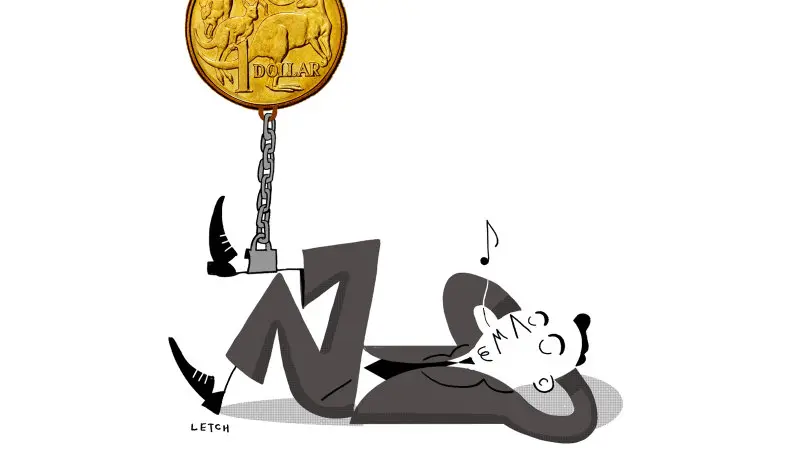
If you act now, and fix quickly, you might come out ahead if they go up by just a bit and stay there; or, if they go up further than forecast. But you’ll be stuck if – and it’s a real prospect – the economy falters and rates are slashed to stimulate it.
Nicole Pedersen-McKinnon is the author of How to Get Mortgage-Free Like Me, available at nicolessmartmoney.com. Follow her on Facebook, X and Instagram.
Expert tips on how to save, invest and make the most of your money delivered to your inbox every Sunday.
You have reached your maximum number of saved items.
Remove items from your saved list to add more.