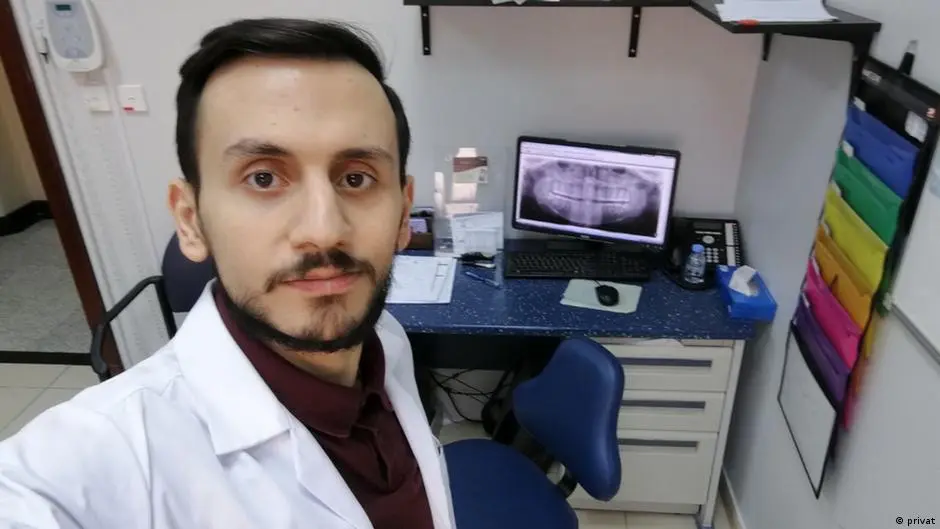
이 시리아 의사가 독일이 제거하려는 80% 중 한 명인가?
Is this Syrian doctor one of the 80% Germany wants to remove?
Deutsche Welle
Oliver Pieper Reporter on German politics and society, as well as South American affairs.
DE
2026-04-11 22:46
Translated
프리드리히 머츠 총리는 80%의 시리아인을 송환할 것이라고 선언하며 논쟁을 촉발했다. 독일이 통합되어 있고 국가가 필요로 하는 사람들도 추방할 의도가 있다는 의미인가?
3월 20일, 프리드리히 머츠와 시리아 임시 대통령 아흐메드 알샤라가 수십만 명의 시리아인 송환 문제를 제기하기 며칠 전, 31세의 시리아인 바젤 가위시는 독일 이민난민청(BAMF)으로부터 편지를 받았다.
31세의 시리아인이 항상 두려워하던 편지였다: 그의 망명 신청이 거부되었고, 보조적 보호 지위를 받을 자격이 없으며, 30일 이내에 독일을 떠나야 한다는 내용이었다.
"완전히 충격을 받고 절망했습니다"라고 가위시가 DW에 말했다. "저는 시리아에서 납치되었고 여러 나라를 거쳐 도망쳤습니다. 제 망명 신청이 거부될 거라고는 절대 상상하지 못했습니다." 그의 마지막 희망은 독일의 연방헌법재판소인 칼스루에의 연방헌법재판소에 항소하는 것이었다.
독일에 온 지 2년 만에 가위시는 거의 완벽한 독일어를 구사한다. 그는 남부 소도시 뷜에서 구강외과 의사의 연수생으로 일하고 있는 치과의사 자격증 소유자이며, 인턴십 후 고용을 원하는 고용주와 함께 일하고 있다. 또한 그는 독일 적십자를 포함한 여러 자선 단체와 연방경찰의 번역가로 자원봉사를 하고 있다 - 아랍어, 영어, 터키어로.
"이것이 제 나라입니다. 저는 언어를 구사합니다"라고 그는 말했다. "저는 여기에 머물고 싶습니다. 2년 전 독일은 저에게 지붕을 제공하고 지원해주었습니다. 저는 그에 대해 깊은 존경심을 가지고 있으며 국가에 무언가를 돌려주고 싶습니다."
가위시는 "할머니들이 우파에 반대한다"는 시민 운동 그룹의 지지를 받고 있으며, 이 그룹은 그의 추방을 막기 위해 "바젤은 머물러야 한다!" 청원서에 거의 30,000개의 서명을 모았다. 청원서를 시작한 나디아 글랏은 DW에 그 숫자를 두 배로 늘리는 것이 목표라고 말했다.
"독일에는 치과 전문가 부족이 있습니다"라고 그녀는 말했다. "이런 사람들을 추방하는 것은 말이 안 됩니다. 완전히 미친 짓이고 무모합니다. 처음부터 바젤 가위시는 독일 사회에 통합하기 위해 할 수 있는 모든 것을 했습니다. 그의 유일한 소원은 여기에 정착하고 치과의사 또는 구강외과 의사로 일할 수 있도록 허용받는 것입니다."
이것이 독일이 향후 3년 동안 시리아로 복귀하기를 원하는 80%의 시리아인 중 가위시가 한 명이라는 의미인가? 그 수치는 3월 말 머츠와 알샤라가 베를린에서 개최한 기자회견에서 언급되었다. 상당한 비판 이후 두 지도자 모두 그 수치에서 자신들을 멀리하려고 시도했으며 - 다소 기이하게도 둘 다 그 목표를 베를린 회담 중에 상대방이 제기했다고 말했다.
하지만 한 가지는 분명하다: 보수 기독교민주연합(CDU)/기독교사회연합(CSU)과 중도좌파 사회민주당(SPD)으로 구성된 독일의 집권 연합은 현재 독일에 있는 거의 950,000명의 시리아인 중 상당한 수가 귀국하도록 장려하는 것을 목표로 한다. 배에 의한 송환까지 제안한 헤세 주 내무장관 로만 포제크(CDU)의 최근 제안이 이 목표와 일치한다.
"잘 통합되어 있고 추적하기 쉬운 사람들을 추방하는 것 - 예를 들어, 직장에서 - 반드시 원하는 것은 아니지만, 구현하기 가장 쉽습니다"라고 독일 통합 이민 위원회(SVR)의 마리 발터-프랑케는 말했다.
"등록되어 있고 일자리가 있으며 심지어 학교에 자녀가 있을 수 있는 모든 것을 올바르게 하는 사람들은 당연히 뒤에 큰 행정 서류 흔적을 남깁니다"라고 그녀가 DW에 말했다. "우리는 그들이 어디에 사는지, 매일 어디로 가는지 알고 있으므로 그들을 추적하기가 쉽습니다."
발터-프랑케는 난민의 귀화 및 통합을 전문으로 한다. 연구 프로젝트의 일환으로, 그녀는 2024년 아사드 정권 붕괴 후 도착한 사람들을 포함하여 지난 몇 년간 수십 명의 시리아 난민과 인터뷰를 진행했다.
불안정한 상황과 시리아의 심각한 자원 부족으로 인해 아무도 귀국하고 싶어하지 않으며, 실제로는 그 반대라고 발터-프랑케는 말했다. 한편 머츠는 대다수의 시리아인이 귀국하여 조국을 재건하고 싶어한다고 주장해왔다.
이민 전문가는 시리아에 대한 최근 논쟁에 대해 매우 비판적이다. "저를 괴롭히는 것은 기본적으로 모든 외국인에게 '당신은 여기에 환영받지 않습니다'라고 말하는 기본 메시지입니다." 그녀는 독일이 해외 숙련 노동자 훈련 프로그램 및 학업 및 고용을 위해 개인을 모집하는 이니셔티브를 포함하여 이민 정책 측면에서 상당한 진전을 이루었음을 인정한다.
"하지만 우리는 장기적으로 사람들을 여기에 유지하는 데 큰 문제가 있습니다"라고 그녀는 말했다. "송환 및 추방에만 초점을 맞춘 진술은 상황을 더 좋게 만들지 않습니다."
발터-프랑케는 독일이 이민 사무소와 법원에서 더 많은 직원이 필요하다고 생각하여 시리아인이 거주 허가를 오래 기다릴 필요가 없고 노동력에 진입할 수 있도록 한다. 그녀는 또한 시리아인이 거주 지위를 위태롭게 하지 않으면서 조국을 방문할 권리를 지원한다.
기업과 난민을 위한 명확하게 정의된 기회도 있어야 한다고 그녀는 말하며, 가위시와 그의 구강외과 의사의 경우처럼 훈련을 마친 후 국가에 머물고 고용을 찾을 수 있다. 가장 중요한 것은 정부가 시리아 이민이 가져오는 엄청난 잠재력을 인식해야 한다는 것이다.
"우리는 또한 현재 독일에 살고 있는 시리아인의 3분의 1이 학교에 등록한 미성년자라는 것을 잊지 말아야 합니다"라고 그녀는 말했다. "이는 앞으로 몇 년 안에 노동 시장에 진입할 준비가 되어 있을 200,000명 이상의 사람들입니다. 이 개인들은 독일어를 유창하게 구사하고, 여기서 자랐으며, 언어, 자격 및 그러한 자격의 인정 측면에서 부모와 같은 장벽에 직면하지 않을 것입니다."
이 기사는 독일어에서 번역되었습니다.
31세의 시리아인이 항상 두려워하던 편지였다: 그의 망명 신청이 거부되었고, 보조적 보호 지위를 받을 자격이 없으며, 30일 이내에 독일을 떠나야 한다는 내용이었다.
"완전히 충격을 받고 절망했습니다"라고 가위시가 DW에 말했다. "저는 시리아에서 납치되었고 여러 나라를 거쳐 도망쳤습니다. 제 망명 신청이 거부될 거라고는 절대 상상하지 못했습니다." 그의 마지막 희망은 독일의 연방헌법재판소인 칼스루에의 연방헌법재판소에 항소하는 것이었다.
독일에 온 지 2년 만에 가위시는 거의 완벽한 독일어를 구사한다. 그는 남부 소도시 뷜에서 구강외과 의사의 연수생으로 일하고 있는 치과의사 자격증 소유자이며, 인턴십 후 고용을 원하는 고용주와 함께 일하고 있다. 또한 그는 독일 적십자를 포함한 여러 자선 단체와 연방경찰의 번역가로 자원봉사를 하고 있다 - 아랍어, 영어, 터키어로.
"이것이 제 나라입니다. 저는 언어를 구사합니다"라고 그는 말했다. "저는 여기에 머물고 싶습니다. 2년 전 독일은 저에게 지붕을 제공하고 지원해주었습니다. 저는 그에 대해 깊은 존경심을 가지고 있으며 국가에 무언가를 돌려주고 싶습니다."
가위시는 "할머니들이 우파에 반대한다"는 시민 운동 그룹의 지지를 받고 있으며, 이 그룹은 그의 추방을 막기 위해 "바젤은 머물러야 한다!" 청원서에 거의 30,000개의 서명을 모았다. 청원서를 시작한 나디아 글랏은 DW에 그 숫자를 두 배로 늘리는 것이 목표라고 말했다.
"독일에는 치과 전문가 부족이 있습니다"라고 그녀는 말했다. "이런 사람들을 추방하는 것은 말이 안 됩니다. 완전히 미친 짓이고 무모합니다. 처음부터 바젤 가위시는 독일 사회에 통합하기 위해 할 수 있는 모든 것을 했습니다. 그의 유일한 소원은 여기에 정착하고 치과의사 또는 구강외과 의사로 일할 수 있도록 허용받는 것입니다."
이것이 독일이 향후 3년 동안 시리아로 복귀하기를 원하는 80%의 시리아인 중 가위시가 한 명이라는 의미인가? 그 수치는 3월 말 머츠와 알샤라가 베를린에서 개최한 기자회견에서 언급되었다. 상당한 비판 이후 두 지도자 모두 그 수치에서 자신들을 멀리하려고 시도했으며 - 다소 기이하게도 둘 다 그 목표를 베를린 회담 중에 상대방이 제기했다고 말했다.
하지만 한 가지는 분명하다: 보수 기독교민주연합(CDU)/기독교사회연합(CSU)과 중도좌파 사회민주당(SPD)으로 구성된 독일의 집권 연합은 현재 독일에 있는 거의 950,000명의 시리아인 중 상당한 수가 귀국하도록 장려하는 것을 목표로 한다. 배에 의한 송환까지 제안한 헤세 주 내무장관 로만 포제크(CDU)의 최근 제안이 이 목표와 일치한다.
"잘 통합되어 있고 추적하기 쉬운 사람들을 추방하는 것 - 예를 들어, 직장에서 - 반드시 원하는 것은 아니지만, 구현하기 가장 쉽습니다"라고 독일 통합 이민 위원회(SVR)의 마리 발터-프랑케는 말했다.
"등록되어 있고 일자리가 있으며 심지어 학교에 자녀가 있을 수 있는 모든 것을 올바르게 하는 사람들은 당연히 뒤에 큰 행정 서류 흔적을 남깁니다"라고 그녀가 DW에 말했다. "우리는 그들이 어디에 사는지, 매일 어디로 가는지 알고 있으므로 그들을 추적하기가 쉽습니다."
발터-프랑케는 난민의 귀화 및 통합을 전문으로 한다. 연구 프로젝트의 일환으로, 그녀는 2024년 아사드 정권 붕괴 후 도착한 사람들을 포함하여 지난 몇 년간 수십 명의 시리아 난민과 인터뷰를 진행했다.
불안정한 상황과 시리아의 심각한 자원 부족으로 인해 아무도 귀국하고 싶어하지 않으며, 실제로는 그 반대라고 발터-프랑케는 말했다. 한편 머츠는 대다수의 시리아인이 귀국하여 조국을 재건하고 싶어한다고 주장해왔다.
이민 전문가는 시리아에 대한 최근 논쟁에 대해 매우 비판적이다. "저를 괴롭히는 것은 기본적으로 모든 외국인에게 '당신은 여기에 환영받지 않습니다'라고 말하는 기본 메시지입니다." 그녀는 독일이 해외 숙련 노동자 훈련 프로그램 및 학업 및 고용을 위해 개인을 모집하는 이니셔티브를 포함하여 이민 정책 측면에서 상당한 진전을 이루었음을 인정한다.
"하지만 우리는 장기적으로 사람들을 여기에 유지하는 데 큰 문제가 있습니다"라고 그녀는 말했다. "송환 및 추방에만 초점을 맞춘 진술은 상황을 더 좋게 만들지 않습니다."
발터-프랑케는 독일이 이민 사무소와 법원에서 더 많은 직원이 필요하다고 생각하여 시리아인이 거주 허가를 오래 기다릴 필요가 없고 노동력에 진입할 수 있도록 한다. 그녀는 또한 시리아인이 거주 지위를 위태롭게 하지 않으면서 조국을 방문할 권리를 지원한다.
기업과 난민을 위한 명확하게 정의된 기회도 있어야 한다고 그녀는 말하며, 가위시와 그의 구강외과 의사의 경우처럼 훈련을 마친 후 국가에 머물고 고용을 찾을 수 있다. 가장 중요한 것은 정부가 시리아 이민이 가져오는 엄청난 잠재력을 인식해야 한다는 것이다.
"우리는 또한 현재 독일에 살고 있는 시리아인의 3분의 1이 학교에 등록한 미성년자라는 것을 잊지 말아야 합니다"라고 그녀는 말했다. "이는 앞으로 몇 년 안에 노동 시장에 진입할 준비가 되어 있을 200,000명 이상의 사람들입니다. 이 개인들은 독일어를 유창하게 구사하고, 여기서 자랐으며, 언어, 자격 및 그러한 자격의 인정 측면에서 부모와 같은 장벽에 직면하지 않을 것입니다."
이 기사는 독일어에서 번역되었습니다.
처리 완료 5,086 tokens · $0.0145
기사 수집 완료 · 23:00
매체 피드에서 기사 메타데이터 수집
헤드라인 번역 완료 · 23:15
제목/요약 한국어 번역 (fetch 시점 inline)
claude-haiku-4-5-20251001
267 tokens
$0.00070
1.9s
본문 추출 완료
5,844자 추출 완료
본문 한국어 번역 완료 · 23:15
2,738자 번역 완료
claude-haiku-4-5-20251001
4,819 tokens
$0.01380
31.0s
지정학적 엔티티 추출 완료 · 23:15
6개 엔티티 추출 완료
Chancellor Friedrich Merz has ignited a debate by declaring that 80% of Syrians would be repatriated. Does this mean that Germany also intends to deport those who are integrated and whom the country needs?
On March 20, only days before Friedrich Merz and interim Syrian President Ahmed al-Sharaa raised the issue of repatriating hundreds of thousands of Syrians, Basel Gawish received a letter from the Federal Office for Migration and Refugees (BAMF).It was the letter that the 31-year-old Syrian had always feared: It stated that his asylum application had been rejected, that he was not eligible for subsidiary protection status and that he had to leave Germany within 30 days.
"I was completely shocked and devastated," Gawish told DW. "I was kidnapped in Syria and fled through several countries. I would never have imagined that my asylum application would be rejected." His last hope was to file an appeal with the Federal Constitutional Court in Karlsruhe, Germany's equivalent of the US Supreme Court.
After just two years in Germany, Gawish speaks near-perfect German. He is a licensed dentist currently working in the small southern town of Bühl as a trainee for an oral surgeon who hopes to hire him after his internship. He also volunteers as a translator for several charities, including the German Red Cross, and even the federal police — in Arabic, English and Turkish.
"This is my country. I speak the language," he said. "I want to stay. Two years ago, Germany gave me a roof over my head and supported me. I have great respect for that and want to give something back to the country."
To view this video please enable JavaScript, and consider upgrading to a web browser that supports HTML5 video
Gawish has the backing of a group called "Grannies Against the Right," a citizens' initiative that has collected nearly 30,000 signatures for its "Basel Must Stay!" petition to stop his deportation. Nadja Glatt, who launched the petition, told DW that the goal is to double that number.
"There is a shortage of dental professionals in Germany," she said. "It makes no sense to deport people like this. It's completely crazy and just reckless. From the very beginning, Basel Gawish has done everything he can to integrate into German society. His only wish is to settle here and be allowed to work as a dentist or oral surgeon."
Does this mean that Gawish is one of the 80% of Syrians that Germany wants to see return to Syria over the next three years? That figure was mentioned in a press conference that Merz and al-Sharaa held at the end of March. Following significant criticism, both leaders have attempted to distance themselves from that figure — rather bizarrely, both have since said that the other brought up the goal during their meeting in Berlin.
But one thing is clear: Germany's governing coalition of the conservative Christian Democratic Union (CDU)/Christian Social Union (CSU) and the center-left Social Democratic Party (SPD) aims to encourage a large number of the nearly 950,000 Syrians currently in Germany to return home. A recent proposal by the Hesse state Interior Minister Roman Poseck (CDU) — who even suggested repatriation by ship — aligns with this goal.
"Deporting people who are well-integrated and easy to track down — for example, at their workplace — isn't necessarily what you'd want to do, but it's the easiest to implement," said Marie Walter-Franke of the German Council for Integration and Migration (SVR).
"People who do everything right — who are registered, have a job and may even have children in school — naturally leave a large administrative paper trail behind them," she told DW. "We know where they live, where they go every day and so they're easy to get a hold of."
To view this video please enable JavaScript, and consider upgrading to a web browser that supports HTML5 video
Walter-Franke specializes in the naturalization and integration of refugees. As part of a research project, she has conducted interviews with dozens of Syrian refugees over the past few years, including those who only arrived after the fall of the Assad regime in 2024.
Due to the unstable situation and the dire shortage of resources in Syria, no one wants to return, said Walter-Franke — quite the opposite, in fact. Merz, meanwhile, has insisted that a majority of Syrians would like to return and rebuild their homeland.
The migration expert is highly critical of the latest debate on Syria. "What bothers me is the underlying message that essentially tells all foreigners, 'You are not welcome here.'" She acknowledges that Germany has made significant progress in terms of migration policies, including training programs for skilled workers abroad and initiatives to recruit individuals for study and employment.
"But we have a major problem keeping people here long term," she said. "Statements that focus solely on repatriation and deportation don't make things any better."
Walter-Franke believes Germany needs more staff at immigration offices and courts, so Syrians do not have to wait long for residence permits and so can get into the workforce. She also supports the right of Syrians to visit their homeland without thereby jeopardizing their residence status in Germany.
There should also be clearly defined opportunities for businesses and refugees, she says, so that it is possible to remain in the country and find employment after completing training, as was the case with Gawish and his oral surgeon. Most importantly, the government should recognize the great potential that Syrian immigration brings.
"We must also not forget that one-third of Syrians currently living in Germany are minors enrolled in school," she said. "This amounts to over 200,000 people who will be ready to enter the labor market in the coming years. These individuals speak German fluently, have grown up here and will not face the same barriers as their parents when it comes to language, qualifications and recognition of those qualifications."
This article was translated from German.