이란은 트럼프의 수에즈 위기인가, 아니면 단순한 일시적 소동인가?
Is Iran Trump’s Suez crisis, or just a passing thunderstorm?
The Guardian
Patrick Wintour Diplomatic editor
EN
2026-04-11 17:00
Translated
영국의 1956년 이집트 공격 이후 세계에서의 위상은 결코 예전 같지 않았다. 이제 미국은 중동에서 역사를 반복할 위험에 처해 있다.
도널드 트럼프는 모든 사건을 가장 묵시록적인 용어로 표현하는 중독증이 있으며, 이것이 마크 레빈 같은 보수 논평가들이 그를 "100년에 한 번 나올 대통령"으로 칭찬하도록 한다.
그러나 트럼프는 위험한 줄타기를 하면서 전체 임기를 보낼 수는 없으며, 결국 떨어질 수 있고 잠재적으로 미국을 함께 미지의 급격한 쇠퇴로 이끌 수 있다.
트럼프는 유럽이 이민으로 인한 문명적 위협을 받고 있다고 주장하는 것을 좋아하지만, 이번 주에 그는 7,000년 역사의 문명이 그의 요구에 순응하지 않으면 "죽을 것이고 다시는 돌아오지 않을 것"이라고 위협했다.
그는 그것이 따라할 수 있는 위협이 아님을 빠르게 발견했으며, 파키스탄이 주도하고 그에게는 불명예롭게도 중국이 주도한 구조 임무로 빠져나와야 했다. 그는 이란의 암묵적 파괴 88분 전에 발행된 소셜 미디어 게시물에서 물러났다.
처음이 아닌, 트럼프는 이란의 회복력 역사를 무시했다. 고(故) 이란 에세이스트 바스타니 파리지가 한 번 썼듯이: "때로는 이 왕국의 운명이 머리카락 하나에 달려 있지만, 그 머리카락은 끊어지지 않는다."
이란의 거부에 직면하여, 수백만의 이란인들이 자신들의 조국의 다리 위에 서기 위해 자원했다는 것으로 상징화된 이란의 거부에 직면하여, 백악관의 밤 스크램블이 그의 최신 위험 게임을 그의 끔찍한 최후통첩 전에 반정도로 품위 있게 끝내기 위한 정당화를 찾기 위해 일어났다.
화요일 밤의 혼란은 전적으로 자초한 것이었고, 수요일의 혼란으로 이어졌다 - 미국 행정부의 주장을 포함하여 "정당한 오해"가 이란으로 하여금 휴전이 레바논을 포함한다고 믿도록 했으며, 중재자 파키스탄이 주장했다.
마찬가지로, 백악관은 트럼프가 소셜 미디어 게시물에서 명시적으로 수용한 10점 계획이 "담화의 틀"을 형성할 것이라는 것이, 사실 아직 공개되지 않은 더 온화한 다른 계획에 대한 언급이었다고 주장했다.
백악관 대변인 캐롤린 리빗은 이란어로 작성되고 완전한 제재 해제와 이란의 우라늄 농축권을 포함하는 발표된 이란 계획이 단순히 트럼프가 즉시 쓰레기통에 던진 테헤란의 위시리스트였다고 주장했다.
목요일까지, 2주간의 휴전을 보장하기 위해 무엇이 합의되었는지에 대한 합의가 전혀 없었다.
이란 외교관들은 설명이 간단하다고 말한다. 트럼프는 강압적 외교가 실패했고 호르무즈 해협이 다시 열리지 않을 것이라는 것을 깨달으면, 파키스탄 중재자들에게 그가 전달하려고 의도했던 것보다 더 많은 것을 약속했다. 그의 유일한 관심사는, 이란인들이 말하길, 자신을 고리에서 빼내는 것이었다.
이란과의 10년간의 거래에서 처음이 아닌, 트럼프는 테헤란의 관점에서 완전히 신뢰할 수 없음을 증명했다.
우파의 비판 폭주에 직면하여, 그러나 캠프 트레일에서 기권하기로 맹세한 프로젝트로 그의 전체 임기가 위험에 처해 있다는 것을 알고 있으면서, 트럼프는 자신의 오류의 결과를 받아들이기를 꺼린다. 여기에는 이스라엘 총리 베냐민 네타냐후가 전쟁이 수일 내에 승리할 수 있다고 말했을 때 충분히 진지했던 원죄가 포함된다.
두 지도자의 운명이 얼마나 얽혀 있는지를 나타내는 측도는 트럼프가 전 세계의 비판에 직면하여 이스라엘의 레바논 공격을 중단하도록 명령하기를 꺼려한다는 것이다. 그러나 백악관은 이란이 테헤란의 요청에 응하여 개입한 후 그렇게 많은 고통을 받은 후에 헤즈볼라를 포기할 수 없다는 것을 알고 있다.
중동에 남은 동맹이 거의 없고 그렇게 많은 적의가 생겼기 때문에, 이란은 가장 중요한 시아파 동맹을 포기하는 것으로 보일 수 없다. 그 결과, 이란 외무장관 아바스 아라그치는 미국이 휴전과 이스라엘을 통한 지속적인 전쟁 중 선택해야 한다고 말했다. "둘 다 가질 수 없다. 공은 미국의 코트에 있고, 세계는 그것이 자신의 약속을 이행할지 지켜보고 있다"고 그는 말했다.
그래서 트럼프는 호르무즈 해협을 통해 이란의 혁명수비대로부터 통과를 기다리는 유조선처럼 갇혀 있다.
"해협을 열어라, 미친 놈들, 아니면 지옥에서 살 것이다"고 트럼프는 헛되이 요구했다. 대신 그것은 트럼프 자신이 지옥에서 살고 있으며, 그의 지지율이 중기 선거의 해에 미끄러지는 것을 지켜보고 있다.
트럼프의 현재 기념비를 찾으려면 주변을 둘러보면 된다. 세계 전역의 혼란은 놀랍다. 미국인들은 펌프에서 갤런당 4달러의 휘발유에 직면해 있다. 세계 경제는 석유 시장 역사상 최악의 혼란으로 인해 이탈되어 있으며, 국제통화기금은 전 세계적으로 더 낮은 성장과 더 높은 인플레이션을 예측하고 있다.
한편, 블라디미르 푸틴은 킬 연구소 싱크탱크에 따르면 내년에 러시아 금고가 450억 달러에서 1,510억 달러 사이의 액수로 팽창할 가능성이 높다.
걸프 지역 전역에서 조성된 안정과 현대성의 광채는 갑자기 취약해 보인다. 카타르가 액화 가스 산업을 재편하는 데 많은 해가 걸릴 것이다. 시대의 신호로, 영국항공은 5월부터 제다로의 항공편을 종료하고 있으며, 관광이 줄어들 것으로 예상된다. 복잡한 논쟁은 지역에 많은 미국 군사 기지를 배치할 수 있도록 미국이 제공하는 보안에 대해 분열된 걸프협력위원회를 기다리고 있다.
이란 내에서 학교, 대학 및 의료 연구 센터가 폭격을 당했다. 미국 기반 그룹 이란 인권 활동가들은 1,701명의 민간인을 포함하여 총 3,636명의 이란인이 사망했다고 추정한다.
트라우마는 시민 저널리즘 웹사이트 이란와이어의 이 작은 일화에 포착되어 있다: "제 남편은 13번의 폭발을 연달아 세었습니다. 이웃의 여성들은 일부는 신경 붕괴 직전 상태로 비명을 지르고 있었고, 목구멍에 붙어 있는 것처럼 보이는 끝없는 먼지가 있었습니다."
이란은 2026년을 경제 위기에 빠져 시작했다. 이것은 년간 가장 큰 대중 항의 발발 중 하나로 이어졌고, 정권에 의해 잔인하게 억압되었다. 이제 유일한 거리 시위는 정권이 지원하는 애국적 연대의 쇼이며, 이란 정부는 더 강해 보인다.
정권 변화 또는 최소한 이념적 재고의 전망이 후퇴했다. 약한 한 명의 하메네이는 다른 하나로 최고 지도자로 대체되었다. 혁명 수비대는 많은 건물과 미사일 발사대를 잃었을 수 있지만, 걸프 전역에 혼란을 일으키고 호르무즈 해협을 통제하며 시민 사회를 "관리"할 수 있는 능력을 잃지 않았다 - 그것의 권위의 진정한 측도.
인터넷은 기록적인 6주 이후에 대부분의 사람들에게 차단되어 있으며, 3월 19일 이후로 6명의 불확정 인민 무자헤딘 조직 이란 회원과 7명의 젊은 항의자들이 "모하레베" 또는 신에 대한 적의 혐의로 교수형에 처해졌다.
인터넷 차단이 끝나고 경제의 고민이 전면으로 돌아온 후 - 1월의 피의 항의의 기억으로 표현된 다른 이란에 대한 요구가 어둠과 폐허에서 나타날 것인지 누구도 알 수 없다.
지금은 이란의 고농축 우라늄 비축량이 제자리에 있으며, 미국의 중재자들은 이슬라마바드에서의 담론이 다가오면서 양보를 시사하기 시작하고 있다.
JD 밴스 미국 부통령은 수요일에 이렇게 말했다: "대통령은 우리가 이란이 핵무기 개발을 목표로 우라늄을 농축하지 않기를 원하며, 우리는 이란이 핵 연료를 포기하기를 원한다고 말했다."
그는 공식적으로 이란에 국내 농축 권리를 거부하지 않았으나 - 오만이 중개한 이전 담론에서 분쟁의 중심점이다. 이란은 이미 핵 비축량을 축적하지 않기로 동의했다.
그러나 이란 지도부가 그 생존에 도취되어 이제 손을 과도하게 펼칠 수 있다는 위험이 있다. 국가의 전 외무장관 자바드 자리프는 이번 주 외교 저널에 외국 정책을 제안했으며, 제재 해제의 대가로, 테헤란은 국내 우라늄 농축을 상한선으로 해야하고, 핵 물질의 기존 비축량을 혼합해 내려야하며, 농축 우라늄을 새로운 다자간 컨소시엄으로 이전하고, 호르무즈 해협을 다시 열어야 한다.
이 계획은 전 대통령 하산 로우하니의 지원을 받았지만 보수 미디어와 시위의 경직된 자들에 의해 비난받았다.
이슬라마바드 담론의 테스트는 해협 개방의 조건들을 제외하고, 미국 팀이 전쟁 시작 직전에 일어난 제네바 담론에서 이미 진행 중이지 않은 핵에 뭔가를 확보할 수 있는지 여부이다.
미국은 여전히 이란 내 진화적 변화에 대한 이론이 부족하며, 대부분의 이란인들이 선호하는 개혁보다는 파열과 혁명을 선호한다. 제재 해제는 여전히 더 현대적인 이란을 위한 전제 조건이다. 미국 행정부에서 페르시아어를 말하는 누군가가 있다면, 그들은 확실히 상황 실에 초대받지 않았다.
그러한 무능함과 무모함에 직면하여, 유럽은 이제 미국 동맹을 얼마나 열심히 유지하려고 노력할 것인지에 대해 선택의 기로에 서 있다.
유럽은 단기적으로 격노할 자격이 있으며, 영국 총리 키어 스탈머가 시작한 것이다. 유럽은 핵 담론에서 제외되었고, 그 위에서 상의받지 않은 전쟁을 지원하기를 거부했으며 필요하지 않다고 믿었고, 트럼프에 의해 "거기"에 있기를 거부한 혐의로 반복적으로 비난받았다.
그러나 2003년 이라크 전쟁을 놓고 유럽을 나눈 내부 균열은 전쟁의 필요성이나 휴전에 레바논 포함에 대해 복제되지 않았다. 대신, 조지 W 부시를 가장 많이 지원한 두 유럽 국가인 영국과 스페인이 전쟁의 명백한 반대자였으며, 매우 다른 음색을 배치했다.
트럼프가 스탈머를 윈스턴 처칠이 아닌 것으로 폄하한 것에도 불구하고, 영국 총리는 백악관이 전쟁이 당신이 죽고 다시 재생할 수 있는 콜 오브 듀티 비디오 게임인 척하는 것에 참여하기를 거부했다.
2003년에, 다우닝 스트리트 통신 팀은 대통령 부시에게 카우보이 어휘를 배포하지 말도록 설득하려고 했으며, 그것이 영국의 잠재적 지원을 소외시킨다고 경고했다. 이번에는 제약하는 조언이 없다. 이란은 논리학에서 물러나지 않지만, 자칭 전쟁 장관 피트 헥세스가 사용한 언어는 거칠고, 잔인하며, 때로는 유럽 귀에, 거의 혐오스럽지 않다. 그것은 오직 대서양을 넓히는 데에만 도움이 된다.
이번 주의 폴리티코 여론 조사는 3월에 폴란드, 스페인, 벨기에, 프랑스, 독일, 이탈리아에서 조사된 사람들 중 12%만이 미국을 가까운 동맹으로 보았으며, 36%는 그것을 위협으로 보았다고 결론지었다. 대조적으로, 중국은 6개 국가 전역에서 조사된 사람들 중 29%에 의해 위협으로 간주되었다.
대서양 횡단 동맹은 나토를 통해 제도화되며, 백악관 내에서뿐만 아니라 유럽 사람들 사이에서도 동의를 전제한다.
워싱턴은 부통령을 친러 총리 빅토르 오르반을 지지하기 위해 헝가리로 파견하면서 동맹을 잃어도 신경 쓰지 않는 척할 수 있다. 그러나 그것이 더 이상 두려워하지 않는 것은 견딜 수 없다. 힘은 옳다는 것이, 결국 트럼프가 현대 세계에 제공하는 것이다.
미국 군사 및 기술 력은 물론 타의 추종을 불허한다. 미국 방위 지출은 다음 8개의 가장 큰 동맹국의 방위 예산과 같다. 그러나 대규모 파괴와 수십억 달러가 소비되었음에도 불구하고, 군력은 이란에서 그 날을 이기지 못했다. 참수와 공중력은 국가를 파괴할 수 있지만 점령할 수는 없다.
이것이 미국의 수에즈 위기인지, 완벽한 실패인지, 또는 1956년의 일부에서 주장한 대로 "본질적으로 일시적인 소동"인지는 이제 질문이다. 그러나 전쟁, 특히 심각하게 오판된 전쟁은 기존의 변화를 가속화하는 경향이 있으며, 수에즈와의 유사점은 무시하기에는 너무 많다.
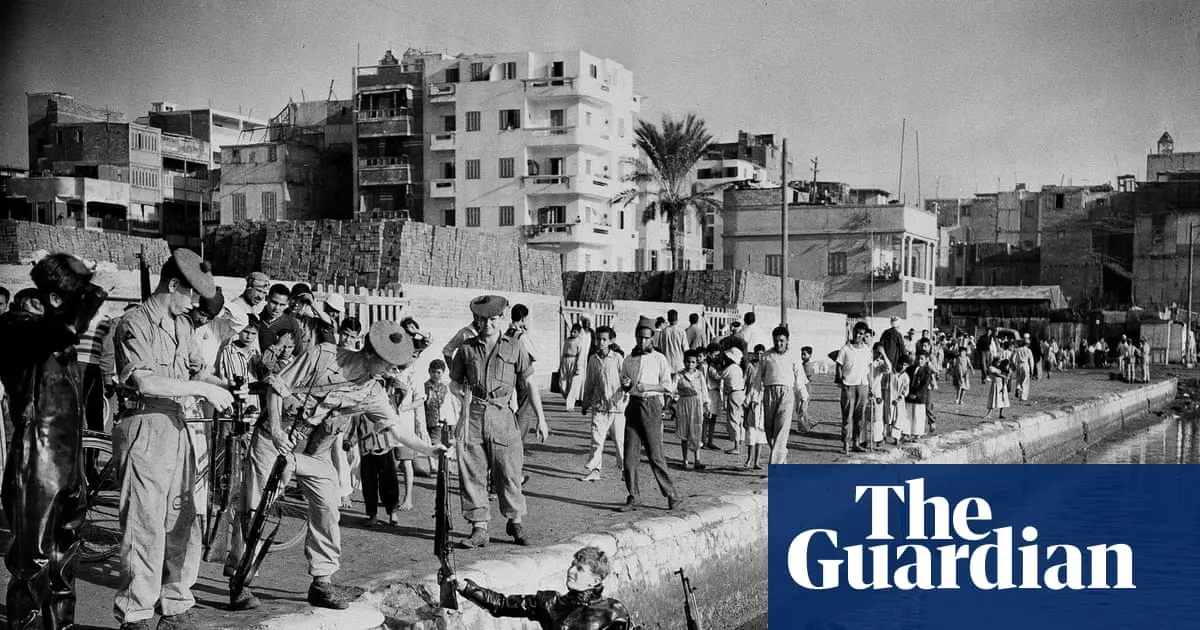
수에즈 운하의 국유화에 직면하여 - 자연의 호르무즈 해협과 유사한 상업적 전략적 중요성의 인공 수로 - 당시 영국 총리 앤서니 에든은 가말 압델 나세르, 당시 이집트 대통령이 "입에 엄지손가락을 대지 못하게" 할 수 없다고 선언했다.
나세르는 영국인과 프랑스인이 그가 한 일을 좋아하지 않으면, 그들은 "분노로 질식"할 수 있다고 반박했다. 영국과 프랑스는 제재를 적용했으며, 런던은 수에즈 운하 사용자 협회의 법적 권리를 주장하기 위해 15개국 회의를 개최했다. 외교가 부실해지면서 에든은 나세르 암살까지 고려했다.
프랑스, 영국, 이스라엘이 운하를 다시 점령하고 나세르를 제거할 계획을 짜낼 때, 미국 대통령 드와이트 아이젠하워는 그것을 막기 위해 개입했다. 아이젠하워는 수에즈를 유럽 동부에서 더 중요한 갈등인 소련의 헝가리 봉기 억압에서 불필요한 방해로 여기는 것을 포함하여 많은 이유로 영국의 행동을 승인하지 않았다.
오직 호주만이 영국을 지지했지만, 파키스탄은 영연방을 떠날 것을 위협했다. 반전 항의는 영국 전역에서 솟아올랐고 선임 공무원들은 항의로 사직했으며, 전문가들이 체계적으로 소외되었다고 말했다. 중동 정책을 위한 외교부 관계자 이블린 슈크버그는 "에든이 정신을 잃었다"고 결정한 유일한 사람이 아니었다.
영국이 1956년 11월의 행동으로 막으려고 했던 것은 사실상 보장되었다. 이집트는 유엔과 미국의 지원으로 운하를 통제했다. 이집트인들이 침몰시킨 배로 인해 운하는 5개월간 교통에 폐쇄되었다. 영국의 연료 및 석유 접근은 제한적이 되었고 부족으로 이어졌다.
나세르는 위기에서 크게 강화되어 나타났으며, 중동에서 영국의 쇠퇴가 드러났다. 당시 외교부의 영국 외교관인 해롤드 비리는 나중에 이집트의 대사로 봉사했으며, 수에즈를 "재앙적인 모험"이라고 믿었으며 영국은 더 이상 주요 군사 행동을 통해 그 의지를 강제할 수 없음을 보여주었다.
물론 미국 제국의 종료에 대한 이야기가 오랫동안 순환하고 있었다. 런던 경제 대학교 국제 관계 교수 마이클 콕스는 지난 달 세미나에서 "미국 시대가 끝났다면, 아무도 미국인들에게 말하지 않았으며, 그들은 확실히 트럼프에게 말하지 않았다. 그러나 우리는 미국이 여전히 세계의 지배적 플레이어이지만 자유주의 질서를 홍보하지 않는 역설적 상황에 있을 수 있으며, 그것이 내 생각에 문제의 핵심이다"고 말했다.
미국이 없는 새로운 질서의 건축자가 누가 될 것인지 물었을 때, 콕스는 중국이라고 대답했다. 그러나 같은 세미나에서, 세계 주요 자유주의 국제 이론가 중 한 명인 교수 존 이켄베리는 자유주의 질서가 돌아올 수 있다고 대답했다.
프린스턴 교수는 자유주의 질서의 장점 - 개방 무역, 규칙을 강제하는 기관, 민주주의, 상호 의존 - 이 강력하고 "단절된 마이크로 제국적 억압의 영역"을 포함한 대안보다 더 매력적이라고 주장했다.
그러나 새로운 질서에서 미국이 할 미래의 역할은 불분명하다. 영국 외무장관 이블렛 쿠퍼가 제공한 최근 맨션 하우스 연설에 따르면, 영국의 안보는 여전히 유럽이 자신의 방어에 책임을 질 수 있을 때까지 미국과의 관계가 계속되어야 한다.
다른 런던 경제 대학교 세미나에서, 정치 과학자 나탈리 토치는 방어 작업이 가속화되어야 하고 진정으로 유럽이 되어야 한다고 주장했다. 자유주의 리바이어던 미국에서 근본적으로 변한 무언가가 있었다고 그녀는 말했다. 그것은 이제 "자유주의도 아니고 리바이어던도 아니었다".
성격으로서 트럼프는 레빈의 100년에 한 번 나올 이상 현상일 수 있지만, 그는 또한 빙산의 끝이라고 토치는 주장했으며, 구조적 변화의 빙산이다.
그러나 트럼프는 위험한 줄타기를 하면서 전체 임기를 보낼 수는 없으며, 결국 떨어질 수 있고 잠재적으로 미국을 함께 미지의 급격한 쇠퇴로 이끌 수 있다.
트럼프는 유럽이 이민으로 인한 문명적 위협을 받고 있다고 주장하는 것을 좋아하지만, 이번 주에 그는 7,000년 역사의 문명이 그의 요구에 순응하지 않으면 "죽을 것이고 다시는 돌아오지 않을 것"이라고 위협했다.
그는 그것이 따라할 수 있는 위협이 아님을 빠르게 발견했으며, 파키스탄이 주도하고 그에게는 불명예롭게도 중국이 주도한 구조 임무로 빠져나와야 했다. 그는 이란의 암묵적 파괴 88분 전에 발행된 소셜 미디어 게시물에서 물러났다.
처음이 아닌, 트럼프는 이란의 회복력 역사를 무시했다. 고(故) 이란 에세이스트 바스타니 파리지가 한 번 썼듯이: "때로는 이 왕국의 운명이 머리카락 하나에 달려 있지만, 그 머리카락은 끊어지지 않는다."
이란의 거부에 직면하여, 수백만의 이란인들이 자신들의 조국의 다리 위에 서기 위해 자원했다는 것으로 상징화된 이란의 거부에 직면하여, 백악관의 밤 스크램블이 그의 최신 위험 게임을 그의 끔찍한 최후통첩 전에 반정도로 품위 있게 끝내기 위한 정당화를 찾기 위해 일어났다.
화요일 밤의 혼란은 전적으로 자초한 것이었고, 수요일의 혼란으로 이어졌다 - 미국 행정부의 주장을 포함하여 "정당한 오해"가 이란으로 하여금 휴전이 레바논을 포함한다고 믿도록 했으며, 중재자 파키스탄이 주장했다.
마찬가지로, 백악관은 트럼프가 소셜 미디어 게시물에서 명시적으로 수용한 10점 계획이 "담화의 틀"을 형성할 것이라는 것이, 사실 아직 공개되지 않은 더 온화한 다른 계획에 대한 언급이었다고 주장했다.
백악관 대변인 캐롤린 리빗은 이란어로 작성되고 완전한 제재 해제와 이란의 우라늄 농축권을 포함하는 발표된 이란 계획이 단순히 트럼프가 즉시 쓰레기통에 던진 테헤란의 위시리스트였다고 주장했다.
목요일까지, 2주간의 휴전을 보장하기 위해 무엇이 합의되었는지에 대한 합의가 전혀 없었다.
이란 외교관들은 설명이 간단하다고 말한다. 트럼프는 강압적 외교가 실패했고 호르무즈 해협이 다시 열리지 않을 것이라는 것을 깨달으면, 파키스탄 중재자들에게 그가 전달하려고 의도했던 것보다 더 많은 것을 약속했다. 그의 유일한 관심사는, 이란인들이 말하길, 자신을 고리에서 빼내는 것이었다.
이란과의 10년간의 거래에서 처음이 아닌, 트럼프는 테헤란의 관점에서 완전히 신뢰할 수 없음을 증명했다.
우파의 비판 폭주에 직면하여, 그러나 캠프 트레일에서 기권하기로 맹세한 프로젝트로 그의 전체 임기가 위험에 처해 있다는 것을 알고 있으면서, 트럼프는 자신의 오류의 결과를 받아들이기를 꺼린다. 여기에는 이스라엘 총리 베냐민 네타냐후가 전쟁이 수일 내에 승리할 수 있다고 말했을 때 충분히 진지했던 원죄가 포함된다.
두 지도자의 운명이 얼마나 얽혀 있는지를 나타내는 측도는 트럼프가 전 세계의 비판에 직면하여 이스라엘의 레바논 공격을 중단하도록 명령하기를 꺼려한다는 것이다. 그러나 백악관은 이란이 테헤란의 요청에 응하여 개입한 후 그렇게 많은 고통을 받은 후에 헤즈볼라를 포기할 수 없다는 것을 알고 있다.
중동에 남은 동맹이 거의 없고 그렇게 많은 적의가 생겼기 때문에, 이란은 가장 중요한 시아파 동맹을 포기하는 것으로 보일 수 없다. 그 결과, 이란 외무장관 아바스 아라그치는 미국이 휴전과 이스라엘을 통한 지속적인 전쟁 중 선택해야 한다고 말했다. "둘 다 가질 수 없다. 공은 미국의 코트에 있고, 세계는 그것이 자신의 약속을 이행할지 지켜보고 있다"고 그는 말했다.
그래서 트럼프는 호르무즈 해협을 통해 이란의 혁명수비대로부터 통과를 기다리는 유조선처럼 갇혀 있다.
"해협을 열어라, 미친 놈들, 아니면 지옥에서 살 것이다"고 트럼프는 헛되이 요구했다. 대신 그것은 트럼프 자신이 지옥에서 살고 있으며, 그의 지지율이 중기 선거의 해에 미끄러지는 것을 지켜보고 있다.
트럼프의 현재 기념비를 찾으려면 주변을 둘러보면 된다. 세계 전역의 혼란은 놀랍다. 미국인들은 펌프에서 갤런당 4달러의 휘발유에 직면해 있다. 세계 경제는 석유 시장 역사상 최악의 혼란으로 인해 이탈되어 있으며, 국제통화기금은 전 세계적으로 더 낮은 성장과 더 높은 인플레이션을 예측하고 있다.
한편, 블라디미르 푸틴은 킬 연구소 싱크탱크에 따르면 내년에 러시아 금고가 450억 달러에서 1,510억 달러 사이의 액수로 팽창할 가능성이 높다.
걸프 지역 전역에서 조성된 안정과 현대성의 광채는 갑자기 취약해 보인다. 카타르가 액화 가스 산업을 재편하는 데 많은 해가 걸릴 것이다. 시대의 신호로, 영국항공은 5월부터 제다로의 항공편을 종료하고 있으며, 관광이 줄어들 것으로 예상된다. 복잡한 논쟁은 지역에 많은 미국 군사 기지를 배치할 수 있도록 미국이 제공하는 보안에 대해 분열된 걸프협력위원회를 기다리고 있다.
이란 내에서 학교, 대학 및 의료 연구 센터가 폭격을 당했다. 미국 기반 그룹 이란 인권 활동가들은 1,701명의 민간인을 포함하여 총 3,636명의 이란인이 사망했다고 추정한다.
트라우마는 시민 저널리즘 웹사이트 이란와이어의 이 작은 일화에 포착되어 있다: "제 남편은 13번의 폭발을 연달아 세었습니다. 이웃의 여성들은 일부는 신경 붕괴 직전 상태로 비명을 지르고 있었고, 목구멍에 붙어 있는 것처럼 보이는 끝없는 먼지가 있었습니다."
이란은 2026년을 경제 위기에 빠져 시작했다. 이것은 년간 가장 큰 대중 항의 발발 중 하나로 이어졌고, 정권에 의해 잔인하게 억압되었다. 이제 유일한 거리 시위는 정권이 지원하는 애국적 연대의 쇼이며, 이란 정부는 더 강해 보인다.
정권 변화 또는 최소한 이념적 재고의 전망이 후퇴했다. 약한 한 명의 하메네이는 다른 하나로 최고 지도자로 대체되었다. 혁명 수비대는 많은 건물과 미사일 발사대를 잃었을 수 있지만, 걸프 전역에 혼란을 일으키고 호르무즈 해협을 통제하며 시민 사회를 "관리"할 수 있는 능력을 잃지 않았다 - 그것의 권위의 진정한 측도.
인터넷은 기록적인 6주 이후에 대부분의 사람들에게 차단되어 있으며, 3월 19일 이후로 6명의 불확정 인민 무자헤딘 조직 이란 회원과 7명의 젊은 항의자들이 "모하레베" 또는 신에 대한 적의 혐의로 교수형에 처해졌다.
인터넷 차단이 끝나고 경제의 고민이 전면으로 돌아온 후 - 1월의 피의 항의의 기억으로 표현된 다른 이란에 대한 요구가 어둠과 폐허에서 나타날 것인지 누구도 알 수 없다.
지금은 이란의 고농축 우라늄 비축량이 제자리에 있으며, 미국의 중재자들은 이슬라마바드에서의 담론이 다가오면서 양보를 시사하기 시작하고 있다.
JD 밴스 미국 부통령은 수요일에 이렇게 말했다: "대통령은 우리가 이란이 핵무기 개발을 목표로 우라늄을 농축하지 않기를 원하며, 우리는 이란이 핵 연료를 포기하기를 원한다고 말했다."
그는 공식적으로 이란에 국내 농축 권리를 거부하지 않았으나 - 오만이 중개한 이전 담론에서 분쟁의 중심점이다. 이란은 이미 핵 비축량을 축적하지 않기로 동의했다.
그러나 이란 지도부가 그 생존에 도취되어 이제 손을 과도하게 펼칠 수 있다는 위험이 있다. 국가의 전 외무장관 자바드 자리프는 이번 주 외교 저널에 외국 정책을 제안했으며, 제재 해제의 대가로, 테헤란은 국내 우라늄 농축을 상한선으로 해야하고, 핵 물질의 기존 비축량을 혼합해 내려야하며, 농축 우라늄을 새로운 다자간 컨소시엄으로 이전하고, 호르무즈 해협을 다시 열어야 한다.
이 계획은 전 대통령 하산 로우하니의 지원을 받았지만 보수 미디어와 시위의 경직된 자들에 의해 비난받았다.
이슬라마바드 담론의 테스트는 해협 개방의 조건들을 제외하고, 미국 팀이 전쟁 시작 직전에 일어난 제네바 담론에서 이미 진행 중이지 않은 핵에 뭔가를 확보할 수 있는지 여부이다.
미국은 여전히 이란 내 진화적 변화에 대한 이론이 부족하며, 대부분의 이란인들이 선호하는 개혁보다는 파열과 혁명을 선호한다. 제재 해제는 여전히 더 현대적인 이란을 위한 전제 조건이다. 미국 행정부에서 페르시아어를 말하는 누군가가 있다면, 그들은 확실히 상황 실에 초대받지 않았다.
그러한 무능함과 무모함에 직면하여, 유럽은 이제 미국 동맹을 얼마나 열심히 유지하려고 노력할 것인지에 대해 선택의 기로에 서 있다.
유럽은 단기적으로 격노할 자격이 있으며, 영국 총리 키어 스탈머가 시작한 것이다. 유럽은 핵 담론에서 제외되었고, 그 위에서 상의받지 않은 전쟁을 지원하기를 거부했으며 필요하지 않다고 믿었고, 트럼프에 의해 "거기"에 있기를 거부한 혐의로 반복적으로 비난받았다.
그러나 2003년 이라크 전쟁을 놓고 유럽을 나눈 내부 균열은 전쟁의 필요성이나 휴전에 레바논 포함에 대해 복제되지 않았다. 대신, 조지 W 부시를 가장 많이 지원한 두 유럽 국가인 영국과 스페인이 전쟁의 명백한 반대자였으며, 매우 다른 음색을 배치했다.
트럼프가 스탈머를 윈스턴 처칠이 아닌 것으로 폄하한 것에도 불구하고, 영국 총리는 백악관이 전쟁이 당신이 죽고 다시 재생할 수 있는 콜 오브 듀티 비디오 게임인 척하는 것에 참여하기를 거부했다.
2003년에, 다우닝 스트리트 통신 팀은 대통령 부시에게 카우보이 어휘를 배포하지 말도록 설득하려고 했으며, 그것이 영국의 잠재적 지원을 소외시킨다고 경고했다. 이번에는 제약하는 조언이 없다. 이란은 논리학에서 물러나지 않지만, 자칭 전쟁 장관 피트 헥세스가 사용한 언어는 거칠고, 잔인하며, 때로는 유럽 귀에, 거의 혐오스럽지 않다. 그것은 오직 대서양을 넓히는 데에만 도움이 된다.
이번 주의 폴리티코 여론 조사는 3월에 폴란드, 스페인, 벨기에, 프랑스, 독일, 이탈리아에서 조사된 사람들 중 12%만이 미국을 가까운 동맹으로 보았으며, 36%는 그것을 위협으로 보았다고 결론지었다. 대조적으로, 중국은 6개 국가 전역에서 조사된 사람들 중 29%에 의해 위협으로 간주되었다.
대서양 횡단 동맹은 나토를 통해 제도화되며, 백악관 내에서뿐만 아니라 유럽 사람들 사이에서도 동의를 전제한다.
워싱턴은 부통령을 친러 총리 빅토르 오르반을 지지하기 위해 헝가리로 파견하면서 동맹을 잃어도 신경 쓰지 않는 척할 수 있다. 그러나 그것이 더 이상 두려워하지 않는 것은 견딜 수 없다. 힘은 옳다는 것이, 결국 트럼프가 현대 세계에 제공하는 것이다.
미국 군사 및 기술 력은 물론 타의 추종을 불허한다. 미국 방위 지출은 다음 8개의 가장 큰 동맹국의 방위 예산과 같다. 그러나 대규모 파괴와 수십억 달러가 소비되었음에도 불구하고, 군력은 이란에서 그 날을 이기지 못했다. 참수와 공중력은 국가를 파괴할 수 있지만 점령할 수는 없다.
이것이 미국의 수에즈 위기인지, 완벽한 실패인지, 또는 1956년의 일부에서 주장한 대로 "본질적으로 일시적인 소동"인지는 이제 질문이다. 그러나 전쟁, 특히 심각하게 오판된 전쟁은 기존의 변화를 가속화하는 경향이 있으며, 수에즈와의 유사점은 무시하기에는 너무 많다.
수에즈 운하의 국유화에 직면하여 - 자연의 호르무즈 해협과 유사한 상업적 전략적 중요성의 인공 수로 - 당시 영국 총리 앤서니 에든은 가말 압델 나세르, 당시 이집트 대통령이 "입에 엄지손가락을 대지 못하게" 할 수 없다고 선언했다.
나세르는 영국인과 프랑스인이 그가 한 일을 좋아하지 않으면, 그들은 "분노로 질식"할 수 있다고 반박했다. 영국과 프랑스는 제재를 적용했으며, 런던은 수에즈 운하 사용자 협회의 법적 권리를 주장하기 위해 15개국 회의를 개최했다. 외교가 부실해지면서 에든은 나세르 암살까지 고려했다.
프랑스, 영국, 이스라엘이 운하를 다시 점령하고 나세르를 제거할 계획을 짜낼 때, 미국 대통령 드와이트 아이젠하워는 그것을 막기 위해 개입했다. 아이젠하워는 수에즈를 유럽 동부에서 더 중요한 갈등인 소련의 헝가리 봉기 억압에서 불필요한 방해로 여기는 것을 포함하여 많은 이유로 영국의 행동을 승인하지 않았다.
오직 호주만이 영국을 지지했지만, 파키스탄은 영연방을 떠날 것을 위협했다. 반전 항의는 영국 전역에서 솟아올랐고 선임 공무원들은 항의로 사직했으며, 전문가들이 체계적으로 소외되었다고 말했다. 중동 정책을 위한 외교부 관계자 이블린 슈크버그는 "에든이 정신을 잃었다"고 결정한 유일한 사람이 아니었다.
영국이 1956년 11월의 행동으로 막으려고 했던 것은 사실상 보장되었다. 이집트는 유엔과 미국의 지원으로 운하를 통제했다. 이집트인들이 침몰시킨 배로 인해 운하는 5개월간 교통에 폐쇄되었다. 영국의 연료 및 석유 접근은 제한적이 되었고 부족으로 이어졌다.
나세르는 위기에서 크게 강화되어 나타났으며, 중동에서 영국의 쇠퇴가 드러났다. 당시 외교부의 영국 외교관인 해롤드 비리는 나중에 이집트의 대사로 봉사했으며, 수에즈를 "재앙적인 모험"이라고 믿었으며 영국은 더 이상 주요 군사 행동을 통해 그 의지를 강제할 수 없음을 보여주었다.
물론 미국 제국의 종료에 대한 이야기가 오랫동안 순환하고 있었다. 런던 경제 대학교 국제 관계 교수 마이클 콕스는 지난 달 세미나에서 "미국 시대가 끝났다면, 아무도 미국인들에게 말하지 않았으며, 그들은 확실히 트럼프에게 말하지 않았다. 그러나 우리는 미국이 여전히 세계의 지배적 플레이어이지만 자유주의 질서를 홍보하지 않는 역설적 상황에 있을 수 있으며, 그것이 내 생각에 문제의 핵심이다"고 말했다.
미국이 없는 새로운 질서의 건축자가 누가 될 것인지 물었을 때, 콕스는 중국이라고 대답했다. 그러나 같은 세미나에서, 세계 주요 자유주의 국제 이론가 중 한 명인 교수 존 이켄베리는 자유주의 질서가 돌아올 수 있다고 대답했다.
프린스턴 교수는 자유주의 질서의 장점 - 개방 무역, 규칙을 강제하는 기관, 민주주의, 상호 의존 - 이 강력하고 "단절된 마이크로 제국적 억압의 영역"을 포함한 대안보다 더 매력적이라고 주장했다.
그러나 새로운 질서에서 미국이 할 미래의 역할은 불분명하다. 영국 외무장관 이블렛 쿠퍼가 제공한 최근 맨션 하우스 연설에 따르면, 영국의 안보는 여전히 유럽이 자신의 방어에 책임을 질 수 있을 때까지 미국과의 관계가 계속되어야 한다.
다른 런던 경제 대학교 세미나에서, 정치 과학자 나탈리 토치는 방어 작업이 가속화되어야 하고 진정으로 유럽이 되어야 한다고 주장했다. 자유주의 리바이어던 미국에서 근본적으로 변한 무언가가 있었다고 그녀는 말했다. 그것은 이제 "자유주의도 아니고 리바이어던도 아니었다".
성격으로서 트럼프는 레빈의 100년에 한 번 나올 이상 현상일 수 있지만, 그는 또한 빙산의 끝이라고 토치는 주장했으며, 구조적 변화의 빙산이다.
처리 완료 514 tokens · $0.0015
기사 수집 완료 · 17:30
매체 피드에서 기사 메타데이터 수집
헤드라인 번역 완료 · 17:47
제목/요약 한국어 번역 (fetch 시점 inline)
claude-haiku-4-5-20251001
514 tokens
$0.00146
3.9s
본문 추출 완료
15,198자 추출 완료
본문 한국어 번역 완료 · 17:47
7,236자 번역 완료
지정학적 엔티티 추출 완료 · 17:47
8개 엔티티 추출 완료
Britain’s standing in the world was never the same after its assault on Egypt in 1956. Now the US risks repeating history in the Middle EastMiddle East crisis – live updatesDonald Trump’s addiction to framing every event in the most apocalyptic terms is what allows conservative commentators such as Mark Levin to praise him as “a once-in-a-century president”.But Trump cannot play out his entire presidency on a reckless high wire without eventually falling off – potentially taking America with him into a steep decline into the unknown.
Donald Trump’s addiction to framing every event in the most apocalyptic terms is what allows conservative commentators such as Mark Levin to praise him as “a once-in-a-century president”.But Trump cannot play out his entire presidency on a reckless high wire without eventually falling off – potentially taking America with him into a steep decline into the unknown.
Trump likes to portray Europe as being under civilisational threat from migration, but this week he threatened that a 7,000-year-old civilisation would “die … never to be brought back” if it did not comply with his demands.
He swiftly discovered it was not a threat on which he could follow through, and had to be extricated from it in a rescue mission led by Pakistan and, ignominiously for him, China. He pulled back in a social media post issued just 88 minutes before the implied destruction of Iran.
Not for the first time, Trump had disregarded Iran’s history of resilience. As the late Iranian essayist Bastani Parizi once wrote: “Sometimes the fate of this kingdom hangs by a hair, but that hair does not break.”
Faced by Iran’s refusal to back down, symbolised by millions of Iranians volunteering to stand on the bridges of their homeland, a late-night White House scramble ensued to find a justification to bring his latest piece of brinkmanship to a semi-dignified end before his ghoulish deadline.
Tuesday night’s chaos, entirely self-induced, led to Wednesday’s mess – including the US administration’s claim that “a legitimate misunderstanding” had led Iran to believe the ceasefire covered Lebanon, as the mediators Pakistan insisted.
Similarly, the White House asserted that Trump’s explicit acceptance in a social media post that the 10-point plan would form “the framework of the talks”, was in fact a reference to a milder, different plan that is yet to be revealed.
Karoline Leavitt, the White House press secretary, insisted that the published Iranian plan – written in Farsi and containing full sanctions relief and an Iranian right to enrich uranium – had been merely a Tehran wishlist that Trump had immediately thrown in the garbage.
By Thursday, there was zero agreement on what was agreed to secure the two-week ceasefire.
Iranian diplomats say the explanation is simple. Trump, once he realised coercive diplomacy had failed and the strait of Hormuz would not be reopened, promised the Pakistani mediators more than he intended to deliver. His only interest, the Iranians say, was to get himself off the hook.
Not for the first time in his decade-long dealings with Iran, Trump has proved, from Tehran’s perspective, to be entirely untrustworthy.
Faced by a hail of criticism from the right, yet knowing his whole presidency is imperilled by a project he had vowed on the campaign trail to abjure, Trump is reluctant to accept the consequences of his own errors. These include the original sin of being gullible enough to believe the Israeli prime minister, Benjamim Netanyahu, when he said that a war was winnable in days.
It is a measure of the extent to which the fate of the two leaders is intertwined that Trump, in the face of worldwide criticism, is reluctant to order a halt to Israeli’s assault on Lebanon. Yet the White House knows Iran cannot desert Hezbollah after it suffered so much by answering Tehran’s call to intervene.
With few allies left in the Middle East, and so much hostility created, Iran cannot be seen to abandon its most important Shia ally. As a result, the Iranian foreign minister, Abbas Araghchi, has said the US must choose between ceasefire and continued war via Israel. “It cannot have both. The ball is in the US’s court, and the world is watching whether it will act on its commitments,” he said.
So Trump is trapped, just like the oil tankers awaiting clearance from Iran’s Revolutionary Guards to chug through the strait of Hormuz.
“Open the Fuckin’ Strait, you crazy bastards, or you’ll be living in Hell,” Trump had fruitlessly demanded. Instead it is Trump who is living in hell, as he watches his poll ratings slide in a year of midterm elections.
If one seeks Trump’s current monument, one need only look around. The mess across the world is astonishing. Americans face $4-a-gallon petrol at the pumps. The world economy is unhinged by the worst disruption in the history of the oil market, with the International Monetary Fund predicting lower growth and higher inflation worldwide.
Meanwhile, Vladimir Putin is likely to see Russian coffers swell by anything from $45bn to $151bn over the next year, according to the Kiel Institute thinktank.
Across the Gulf region, the crafted aura of stability and modernity looks suddenly fragile. It will take many years for Qatar to repurpose its liquid gas industry. In a sign of the times, British Airways is ending flights to Jeddah from May, in the expectation that tourism will shrivel. A complex debate awaits a divided Gulf Cooperation Council on the security provided by allowing the US to site so many military bases in the region.
Inside Iran, schools, universities and medical research centres have been bombed. The US-based group Human Rights Activists in Iran estimates that a total of 3,636 Iranians have been killed, including 1,701 civilians.
The trauma is captured in this vignette from the citizen journalism website IranWire: “My husband counted 13 explosions in a row. Women in the neighbourhood were screaming, some on the verge of a nervous breakdown, There was dust – endless dust – that seemed to cling to one’s throat.”
Iran started 2026 mired in an economic crisis. This led to one of the biggest outbreaks of popular protest in years, which was brutally suppressed by the regime. Now, the only street demonstrations are regime-backed shows of patriotic solidarity, and the Iranian government looks stronger.
The prospect of regime change or at least ideological rethink has receded. One infirm Khamenei has been replaced as supreme leader by another. The Revolutionary Guards may have lost many buildings and missile launchers, but not the ability to wreak havoc across the Gulf, control the strait of Hormuz and “manage” civil society – the true metrics of its authority.
The internet remains shut to most after a record six weeks, and since 19 March, six members of the dissident People’s Mojahedin Organization of Iran and seven young protesters have been hanged on charges of “moharebeh”, or enmity against God.
No one can know whether – once the internet blackout ends and the economy’s travails return to the fore – a call for a different Iran will emerge from the darkness and rubble, framed by the memory of the bloody protests of January.
For now, Iran’s stockpile of highly enriched uranium remains in place, and the US’s negotiators are starting to hint of concessions as talks in Islamabad approach.
JD Vance, the US vice-president, said on Wednesday: “The president said that we don’t want Iran to enrich uranium with a view to developing a nuclear weapon, and we want Iran to give up its nuclear fuel.”
He did not formally deny Iran the right to domestic enrichment – the central point of dispute in previous talks brokered by Oman. Iran has already agreed not to build up its nuclear stockpiles.
Yet there is a risk that Iran’s leadership, heady at its survival, may now overplay its hand. The country’s former foreign minister Javad Zarif proposed in Foreign Affairs magazine this week that in return for sanctions relief, Tehran should cap domestic uranium enrichment, blend down existing stockpiles of nuclear materials, transfer enriched uranium to a new multilateral consortium, and reopen the strait of Hormuz.
The plan was supported by the former president Hassan Rouhani, but pilloried by hardliners in the conservative media and at demonstrations.
The test in the Islamabad negotiations, apart from the terms for opening the strait, will be whether the US team can secure something on nuclear they were not already on course to achieve in the Geneva talks that took place immediately before the start of the war.
The US still lacks a theory of evolutionary change inside Iran, preferring rupture and revolution, rather than the reform most Iranians appear to favour. Sanctions relief is still the prerequisite for a more modern Iran. If there is anyone that speaks Farsi in the US administration, they have surely not been invited anywhere near the situation room.
Faced by such incompetence and recklessness, Europe now faces a choice about how hard it tries to maintain the US alliance.
Europe in the short term deserves to fume, as the UK prime minister, Keir Starmer, has started to do. Europe was excluded from the nuclear talks, declined to support a war over which it was not consulted and did not believe necessary, and has repeatedly been blamed by Trump for refusing to “be there” for the US.
But the internal rifts that divided Europe over the 2003 Iraq war have not been replicated – either over the war’s necessity or Lebanon’s inclusion in the truce. Instead, Britain and Spain, the two European countries most supportive of George W Bush, have been clear opponents of the war – albeit deploying very differing timbres.
For all that Trump has belittled Starmer as no Winston Churchill, the UK prime minister has refused to join the White House in pretending war is a Call of Duty video game in which you can die and get to play again.
In 2003, the Downing Street comms team tried to persuade President Bush not to deploy cowboy vocabulary, warning him it alienated potential support in the UK. This time there is no constraining advice. Iran does not hold back on the polemics, but the language used by the self-styled secretary of war, Pete Hegseth, has been crude, cruel, and sometimes to the European ear, little short of repulsive. It serves only to widen the Atlantic.
A Politico poll this week found that only 12% of those polled in March in Poland, Spain, Belgium, France, Germany and Italy saw the US as a close ally, while 36% saw it as a threat. By contrast, China was seen as a threat by 29% of those polled across the six countries.
The transatlantic alliance, institutionalised through Nato, presupposes consent not only within the White House, but also among the people of Europe.
Washington can pretend it does not care if it loses allies, even as it dispatches the vice-president to Hungary to try to prop up the pro-Russian prime minister, Viktor Orbán. But what it cannot countenance is no longer being feared. Might is right is, after all, what Trump offers the modern world.
American military and technological power is of course unmatched. US defence spending is equal to the defence budgets of its next eight largest allies combined. But despite the massive destruction and the billions spent, force has failed to win the day in Iran. Decapitation plus air power may destroy a state, but it cannot occupy it.
Whether this is the US’s Suez crisis, a perfect failure, or “essentially a passing thunderstorm” – as some in 1956 insisted Suez represented – is now the question. But wars, especially badly misjudged wars, tend to accelerate pre-existing change, and the parallels with Suez are too numerous to ignore.
Faced by the nationalisation of the Suez canal – an artificial waterway of similar commercial strategic importance to nature’s strait of Hormuz – the then British prime minister, Anthony Eden, announced that Gamal Abdel Nasser, then president of Egypt, could not “be allowed to have his thumb on our windpipe”.
Nasser retorted that if the British and French did not like what he had done, they could “choke to death on their fury”. Britain and France applied sanctions, with London holding a 15-nation conference to assert the legal rights of a Suez Canal Users Association. With diplomacy floundering, Eden even contemplated the assassination of Nasser.
When France, the UK and Israel cooked up a plan to re-occupy the canal and remove Nasser, the US president, Dwight Eisenhower, intervened to stop it. Eisenhower disapproved of Britain’s actions for many reasons, including regarding Suez as an unnecessary distraction from a more important conflict in Europe’s East – the Soviet Union’s brutal suppression of an uprising in Hungary.
Only Australia backed Britain, while Pakistan threatened to leave the Commonwealth. Anti-war protests sprung up across the UK and senior civil servants resigned in protest, saying experts had been systematically sidelined. Evelyn Shuckburgh, the Foreign Office official for Middle Eastern policy, was not alone in deciding “Eden had gone off his head”.
What Britain had hoped to prevent by its actions in November 1956, it actually succeeded in guaranteeing. Egypt maintained control of the canal with the support of the UN and the US. The canal was closed to traffic for five months as a result of ships sunk by the Egyptians. British access to fuel and oil became limited and resulted in shortages.
Nasser emerged from the crisis much strengthened, with Britain’s decline in the Middle East exposed. Harold Beeley, a British diplomat in the Foreign Office at the time who later served as ambassador to Egypt, believed Suez was a “disastrous adventure” that showed Britain could no longer enforce its will through major military action.
Stories of the end of the American empire have long been in circulation, of course. Michael Cox, a professor of international relations at the London School of Economics, said in a seminar last month: “If the American era is over, nobody told the Americans, and they certainly did not tell Trump. But we may be in a paradoxical situation where the US is still the dominant player in the world, but not promoting a liberal order, and that seems to me to be the heart of the problem.”
Asked who would be the architect of a new order, in the absence of the US, Cox answered China. But in the same seminar, Prof John Ikenberry, one of the world’s leading liberal international theorists, answered that the liberal order could come back.
The Princeton professor insisted the virtues of the liberal order – open trade, institutions that enforce rules, democracy, interdependence – remain robust and more attractive than the alternatives, including “fractured zones of micro-imperial oppression”.
But the future role the US will play in any new order is unclear. Judging by the recent Mansion House speech given by Yvette Cooper, the UK foreign secretary, Britain’s security still requires relations with the US to endure at least until Europe shows it can be responsible for its own defence.
At another LSE seminar, the political scientist Nathalie Tocci argued that defence work needs speeding up, and to be made genuinely European. Something fundamental has changed in the liberal leviathan America, she said. It was now “neither liberal nor a leviathan”.
As a personality, Trump may be Levin’s once in a century aberration, but he is also the tip of an iceberg, Tocci argued, in which structural irreversible forces will diminish US hegemony.
If that is indeed the case, it will be the greatest of ironies, as Iran – nominally a backward-looking country – will be the midwife of a new era.