이란, 전쟁의 경제적 황폐화를 파악하고 이를 극복할 방법을 모색하다
Iran Tries to Grasp Economic Devastation of War, and Find a Way Past It
The New York Times
Farnaz Fassihi
EN
2026-04-11 18:02
Translated
미국과 이스라엘의 폭격으로 인한 광대한 규모의 파괴는 이란 정부가 평화협정 협상을 추진하면서 제재 해제의 중요성을 더욱 높일 것으로 보인다.
테헤란의 엔지니어 푸리아 아스테라키는 지난 5주간 이란을 황폐화시킨 전쟁 속에서 자신의 작은 소프트웨어 회사가 무너지는 것을 지켜봐야 했다. 공중폭격에 대한 두려움으로 직원들이 출근을 중단했고, 클라이언트들은 계약을 취소했으며 새로운 주문은 들어오지 않았다.
은행들이 폭격당하고 정부가 인터넷을 차단한 상황에서 수표는 현금화될 수 없었다. 50세인 아스테라키는 전쟁이 시작된 이후 직원 급여를 지급하지 못했으며 월세를 내기 위해 고심했다. 회사 폐업의 위기에 직면한 그는 자신의 어려운 상황을 직원들에게 몇 시간에 걸쳐 설명했으며, 때로는 모두가 눈물을 흘렸다.
"전쟁의 경제적 영향은 치명적이었으며, 말로 표현하기 어렵습니다. 모든 부문이 영향을 받았습니다"라고 아스테라키는 테헤란으로부터의 전화 인터뷰에서 말했다.
이란 관리들이 토요일 JD 밴스 부통령과 다른 미국인들을 만나 전쟁 종료를 협상할 때, 이란의 경제가 의제의 상위에 있을 것이다. 평화협정의 일환으로, 이란은 미국이 자신에 대한 모든 제재를 해제할 것을 요구했다. 이란은 또한 전쟁으로 인한 재정적 손실에 대한 배상금과 동결된 수십억 달러의 자금 해제를 요청했다고 관리들이 밝혔다.
이란의 경제는 2월 28일 폭탄이 떨어지기 훨씬 전부터 이미 붕괴된 상태였다. 미국이 수년 전에 부과한 제재와 최근 유엔이 부과한 제재는 정부 자원을 고갈시켰고 통화 붕괴에 기여했다. 에너지 위기로 광범위한 정전이 발생했다. 만연한 부실 운영과 부패로 인해 인플레이션이 악화되었으며, 최근 50%까지 급등했다.
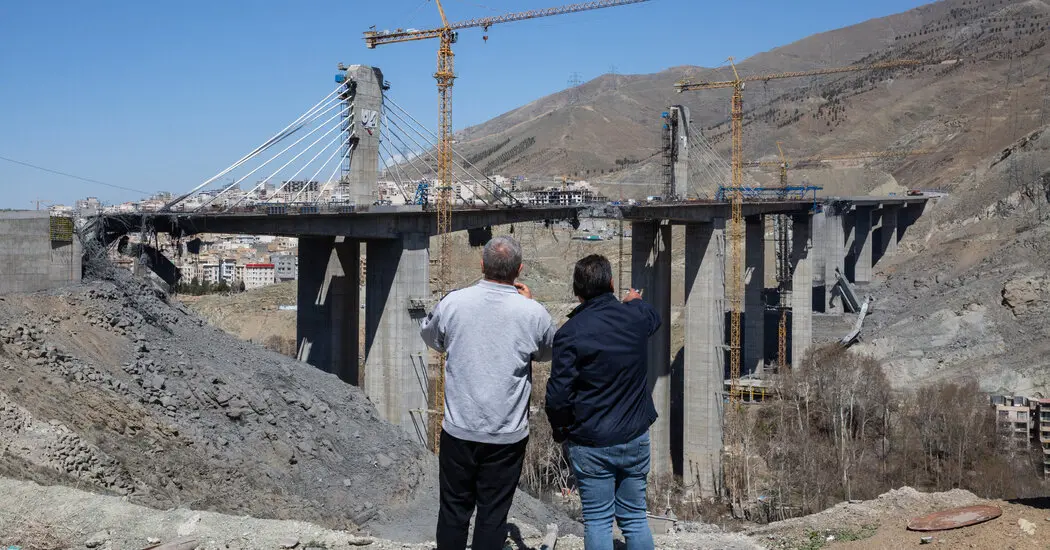
그러나 전쟁은 엄청난 타격을 입혔다. 미국과 이스라엘의 강력한 폭격으로 석유화학 플랜트, 철강 제조 공장, 제약 공장, 대학, 학교, 병원, 은행, 해항, 공항, 전력망의 일부, 교량, 철도, 상점, 주택 등이 파괴되거나 손상되었다.
화요일 취약한 휴전이 시작된 이후 이란은 여전히 재앙의 비용을 평가 중이지만, 초기 추정치는 3,000억 달러에서 1조 달러 사이라고 공개적으로 발언할 권한이 없는 3명의 이란 관리와 2명의 경제학자가 밝혔다. 복구에는 수년이 걸릴 것이다.
경제학자들은 이란 언론에 따르면 20만 명 이상을 고용한 이란 최대 석유화학 복합단지와 철강 공장에 대한 공격이 경제에 가장 손상을 입혔으며, 광범위한 결과를 초래했다고 말했다. 해당 제품을 구매한 농업, 제조, 섬유 및 기타 산업들은 대신 공급품을 수입해야 하므로 생산이 지연되고 가격이 올라갈 것이다. 휴직당한 근로자들은 상점 주인들에게 적은 사업을 제공할 것이다.
3명의 이란 관리들은 100만 명 이상이 일자리를 잃었다고 추정했다.
런던에 본부를 둔 이란 경제를 추적하는 싱크탱크인 부르스 & 바자르 재단의 최고경영자 에스판디야르 박망헬리드지는 "이 전쟁으로 이란의 경제 발전 경로가 차단되었다"고 말했다. "현실은 이란이 제재를 받은 상태에서는 중요한 기반 시설을 재건하거나 복구하는 데 매우 어려움을 겪을 것이라는 것입니다."
그는 전쟁으로 인한 경제적 손실이 협상에서 제재 해제를 요구하는 이란의 결의를 강화할 것이라고 말했다. 이란이 회복하고 파업으로 이어진 대중의 불만을 해소하기 위해서는 외국 투자와 해외에서 기계를 구매할 수 있는 능력이 필요하다. 제재를 제거하는 포괄적인 미국과의 거래 없이는 이 중 어느 것도 가능하지 않을 것이라고 박망헬리드지는 말했다.
이란의 대통령 마수드 페제시키안은 전쟁 전 연설에서 정부가 예산 위기에 직면했음을 인정했다. "우리는 돈이 없습니다, 정말 없습니다"라고 그는 인플레이션, 에너지 및 물의 심각한 부족과 같은 수많은 위기에 대처하는 방법을 설명하려고 애쓸 때 말했다.
수많은 일반 이란인들에게는 재정적 어려움이 심각한 상황으로 변했다. 서비스 업종에 종사하거나 일용직으로 일하는 많은 사람들이 2월 이후 급여를 받지 못했다. 상점, 사업체, 그리고 경제의 맥박인 바자르들이 문을 닫았다. 특히 소셜 미디어 플랫폼에 의존하는 사업들이 거의 완전히 중단된 이란의 번영하던 전자상거래 부문도 마찬가지다.
"친구들, 저는 극도로 재정적으로 곤란한 상황이며 이 네 가지 품목을 판매하고 있습니다. 도시/도로 자전거나 자동차 모형을 원하는 사람이 있다면 저는 당신의 서비스를 할 준비가 되어 있습니다"라고 웹 프로그래머 니마 옴라니가 소셜 미디어 게시물에 작성했다.
테헤란의 음악가인 19세의 세페르는 인터뷰에서 "이 인터넷 차단은 우리의 모든 향후 월별 수입을 본질적으로 0으로 밀어붙였으며 우리는 어떻게 될지 알 수 없습니다"라고 말했다. 인터뷰한 많은 사람들처럼, 그는 보복에 대한 두려움으로 인해 성을 밝히지 않기를 요청했다.
라슈트 거주자인 아미르는 건설 프로젝트용 콘크리트 블록을 제조하는 공장의 파트너이지만 그 사업들이 중단되었다. "전쟁이 시작된 이후 판매가 없었으며, 생산하고 창고에 보관하고 있지만 우리가 얼마나 오래 버틸 수 있을지 확신할 수 없습니다"라고 그는 인터뷰에서 말했다.
테헤란의 향신료 사업 소유자인 54세의 아프신은 문자 메시지에서 "우리는 필요한 모든 것에 더 많은 비용을 지불해야 하고, 은행이 제대로 작동하지 않기 때문에 현금으로 지불해야 하며 이는 우리의 비용을 증가시킵니다"라고 말했다. 은행 데이터 센터에 대한 공격으로 이란 최대 은행 2곳인 세파와 멜리의 서비스 중단이 발생했다.
질라 아미리는 테헤란 북부 헤라비 광장에 있는 자신의 미용실을 이스라엘의 공중 폭격으로 잃었다. 이스라엘군은 그녀의 미용실과 같은 건물을 차지하고 있던 카타르 기반 텔레비전 네트워크인 알 아라비의 사무실을 목표로 했다고 말했다. 영상과 사진은 건물이 붕괴되고 인근 주택 건물들이 심각하게 손상된 것을 보여준다. 아미리는 2024년에 미용실을 개장했을 때 그것이 16년의 노동의 평생 꿈의 실현이었다고 소셜 미디어에서 말했다.
테헤란의 다른 지역에서는 드론이 호낙 음악학교에 충돌했다. "아무것도 남아있지 않으며, 모든 악기가 사라졌습니다. 제 아내와 저는 이 학교를 벽돌 하나하나로 15년에 걸쳐 지었는데, 하루 밤에 모든 것이 파괴되었습니다"라고 학교 주인 하미드레자 아파리데는 BBC 페르시아에 게시된 비디오 메시지에서 말했다.
전자 공장의 소유자 알리레자 도루디안은 판매가 중단되고 생산 비용이 증가함에 따라 많은 공장 주인들이 근로자를 감원하기 시작했다고 말했다.
"지난주에 우리는 2개의 채용 공고를 게시했으며, 매일 약 30건의 지원을 받고 있습니다"라고 그는 말했다. "전쟁 전에는 하루에 몇 건의 지원을 받았을 것입니다."
"전쟁의 경제적 영향은 엄청납니다"라고 그는 말했다. "하지만 우리는 우리의 관리들이 제재 해제를 협상하여 우리가 재건하고 다시 자립할 수 있기를 바랍니다."
파린 베흐로즈가 보도 작성에 기여했다.
파르나즈 파시히는 유엔 특파원 역할을 하는 타임스의 유엔 국장으로서 조직의 범위를 주도하고 있다. 그녀는 또한 이란을 취재하고 있으며 15년 동안 중동 분쟁에 대해 저술했다.
은행들이 폭격당하고 정부가 인터넷을 차단한 상황에서 수표는 현금화될 수 없었다. 50세인 아스테라키는 전쟁이 시작된 이후 직원 급여를 지급하지 못했으며 월세를 내기 위해 고심했다. 회사 폐업의 위기에 직면한 그는 자신의 어려운 상황을 직원들에게 몇 시간에 걸쳐 설명했으며, 때로는 모두가 눈물을 흘렸다.
"전쟁의 경제적 영향은 치명적이었으며, 말로 표현하기 어렵습니다. 모든 부문이 영향을 받았습니다"라고 아스테라키는 테헤란으로부터의 전화 인터뷰에서 말했다.
이란 관리들이 토요일 JD 밴스 부통령과 다른 미국인들을 만나 전쟁 종료를 협상할 때, 이란의 경제가 의제의 상위에 있을 것이다. 평화협정의 일환으로, 이란은 미국이 자신에 대한 모든 제재를 해제할 것을 요구했다. 이란은 또한 전쟁으로 인한 재정적 손실에 대한 배상금과 동결된 수십억 달러의 자금 해제를 요청했다고 관리들이 밝혔다.
이란의 경제는 2월 28일 폭탄이 떨어지기 훨씬 전부터 이미 붕괴된 상태였다. 미국이 수년 전에 부과한 제재와 최근 유엔이 부과한 제재는 정부 자원을 고갈시켰고 통화 붕괴에 기여했다. 에너지 위기로 광범위한 정전이 발생했다. 만연한 부실 운영과 부패로 인해 인플레이션이 악화되었으며, 최근 50%까지 급등했다.
그러나 전쟁은 엄청난 타격을 입혔다. 미국과 이스라엘의 강력한 폭격으로 석유화학 플랜트, 철강 제조 공장, 제약 공장, 대학, 학교, 병원, 은행, 해항, 공항, 전력망의 일부, 교량, 철도, 상점, 주택 등이 파괴되거나 손상되었다.
화요일 취약한 휴전이 시작된 이후 이란은 여전히 재앙의 비용을 평가 중이지만, 초기 추정치는 3,000억 달러에서 1조 달러 사이라고 공개적으로 발언할 권한이 없는 3명의 이란 관리와 2명의 경제학자가 밝혔다. 복구에는 수년이 걸릴 것이다.
경제학자들은 이란 언론에 따르면 20만 명 이상을 고용한 이란 최대 석유화학 복합단지와 철강 공장에 대한 공격이 경제에 가장 손상을 입혔으며, 광범위한 결과를 초래했다고 말했다. 해당 제품을 구매한 농업, 제조, 섬유 및 기타 산업들은 대신 공급품을 수입해야 하므로 생산이 지연되고 가격이 올라갈 것이다. 휴직당한 근로자들은 상점 주인들에게 적은 사업을 제공할 것이다.
3명의 이란 관리들은 100만 명 이상이 일자리를 잃었다고 추정했다.
런던에 본부를 둔 이란 경제를 추적하는 싱크탱크인 부르스 & 바자르 재단의 최고경영자 에스판디야르 박망헬리드지는 "이 전쟁으로 이란의 경제 발전 경로가 차단되었다"고 말했다. "현실은 이란이 제재를 받은 상태에서는 중요한 기반 시설을 재건하거나 복구하는 데 매우 어려움을 겪을 것이라는 것입니다."
그는 전쟁으로 인한 경제적 손실이 협상에서 제재 해제를 요구하는 이란의 결의를 강화할 것이라고 말했다. 이란이 회복하고 파업으로 이어진 대중의 불만을 해소하기 위해서는 외국 투자와 해외에서 기계를 구매할 수 있는 능력이 필요하다. 제재를 제거하는 포괄적인 미국과의 거래 없이는 이 중 어느 것도 가능하지 않을 것이라고 박망헬리드지는 말했다.
이란의 대통령 마수드 페제시키안은 전쟁 전 연설에서 정부가 예산 위기에 직면했음을 인정했다. "우리는 돈이 없습니다, 정말 없습니다"라고 그는 인플레이션, 에너지 및 물의 심각한 부족과 같은 수많은 위기에 대처하는 방법을 설명하려고 애쓸 때 말했다.
수많은 일반 이란인들에게는 재정적 어려움이 심각한 상황으로 변했다. 서비스 업종에 종사하거나 일용직으로 일하는 많은 사람들이 2월 이후 급여를 받지 못했다. 상점, 사업체, 그리고 경제의 맥박인 바자르들이 문을 닫았다. 특히 소셜 미디어 플랫폼에 의존하는 사업들이 거의 완전히 중단된 이란의 번영하던 전자상거래 부문도 마찬가지다.
"친구들, 저는 극도로 재정적으로 곤란한 상황이며 이 네 가지 품목을 판매하고 있습니다. 도시/도로 자전거나 자동차 모형을 원하는 사람이 있다면 저는 당신의 서비스를 할 준비가 되어 있습니다"라고 웹 프로그래머 니마 옴라니가 소셜 미디어 게시물에 작성했다.
테헤란의 음악가인 19세의 세페르는 인터뷰에서 "이 인터넷 차단은 우리의 모든 향후 월별 수입을 본질적으로 0으로 밀어붙였으며 우리는 어떻게 될지 알 수 없습니다"라고 말했다. 인터뷰한 많은 사람들처럼, 그는 보복에 대한 두려움으로 인해 성을 밝히지 않기를 요청했다.
라슈트 거주자인 아미르는 건설 프로젝트용 콘크리트 블록을 제조하는 공장의 파트너이지만 그 사업들이 중단되었다. "전쟁이 시작된 이후 판매가 없었으며, 생산하고 창고에 보관하고 있지만 우리가 얼마나 오래 버틸 수 있을지 확신할 수 없습니다"라고 그는 인터뷰에서 말했다.
테헤란의 향신료 사업 소유자인 54세의 아프신은 문자 메시지에서 "우리는 필요한 모든 것에 더 많은 비용을 지불해야 하고, 은행이 제대로 작동하지 않기 때문에 현금으로 지불해야 하며 이는 우리의 비용을 증가시킵니다"라고 말했다. 은행 데이터 센터에 대한 공격으로 이란 최대 은행 2곳인 세파와 멜리의 서비스 중단이 발생했다.
질라 아미리는 테헤란 북부 헤라비 광장에 있는 자신의 미용실을 이스라엘의 공중 폭격으로 잃었다. 이스라엘군은 그녀의 미용실과 같은 건물을 차지하고 있던 카타르 기반 텔레비전 네트워크인 알 아라비의 사무실을 목표로 했다고 말했다. 영상과 사진은 건물이 붕괴되고 인근 주택 건물들이 심각하게 손상된 것을 보여준다. 아미리는 2024년에 미용실을 개장했을 때 그것이 16년의 노동의 평생 꿈의 실현이었다고 소셜 미디어에서 말했다.
테헤란의 다른 지역에서는 드론이 호낙 음악학교에 충돌했다. "아무것도 남아있지 않으며, 모든 악기가 사라졌습니다. 제 아내와 저는 이 학교를 벽돌 하나하나로 15년에 걸쳐 지었는데, 하루 밤에 모든 것이 파괴되었습니다"라고 학교 주인 하미드레자 아파리데는 BBC 페르시아에 게시된 비디오 메시지에서 말했다.
전자 공장의 소유자 알리레자 도루디안은 판매가 중단되고 생산 비용이 증가함에 따라 많은 공장 주인들이 근로자를 감원하기 시작했다고 말했다.
"지난주에 우리는 2개의 채용 공고를 게시했으며, 매일 약 30건의 지원을 받고 있습니다"라고 그는 말했다. "전쟁 전에는 하루에 몇 건의 지원을 받았을 것입니다."
"전쟁의 경제적 영향은 엄청납니다"라고 그는 말했다. "하지만 우리는 우리의 관리들이 제재 해제를 협상하여 우리가 재건하고 다시 자립할 수 있기를 바랍니다."
파린 베흐로즈가 보도 작성에 기여했다.
파르나즈 파시히는 유엔 특파원 역할을 하는 타임스의 유엔 국장으로서 조직의 범위를 주도하고 있다. 그녀는 또한 이란을 취재하고 있으며 15년 동안 중동 분쟁에 대해 저술했다.
처리 완료 6,085 tokens · $0.0177
기사 수집 완료 · 19:10
매체 피드에서 기사 메타데이터 수집
헤드라인 번역 완료 · 19:25
제목/요약 한국어 번역 (fetch 시점 inline)
claude-haiku-4-5-20251001
238 tokens
$0.00060
1.7s
본문 추출 완료
6,920자 추출 완료
본문 한국어 번역 완료 · 19:25
3,395자 번역 완료
claude-haiku-4-5-20251001
5,847 tokens
$0.01706
39.8s
지정학적 엔티티 추출 완료 · 19:25
8개 엔티티 추출 완료
The vast scale of destruction wrought by U.S. and Israeli bombardment will make sanctions relief all the more vital to Iran’s government as it tries to negotiate a peace agreement.
Pooria Asteraky, an engineer in Tehran, has watched his small software company fall apart in the five weeks that war has ravaged Iran. His staff stopped coming to work for fear of airstrikes. Clients canceled contracts and no new orders came in.With banks being bombed and the internet shut down by the government, checks would not clear. Mr. Asteraky, 50, says he has not paid salaries since the war started, and has struggled to make rent. Facing the prospect of having to close down his company, he has spent hours explaining his plight to his employees. Sometimes they all cry.
“The economic impact of the war has been devastating; it’s hard to put into words. Every sector has been affected,” Mr. Asteraky said in a telephone interview from Tehran.
When Iranian officials meet with Vice President JD Vance and other Americans on Saturday to negotiate an end to the war, Iran’s economy will be high on their agenda. As part of a peace deal, Iran has demanded that the United States lift all sanctions against it. Iran will also ask for reparations for financial losses from the war, and the release of billions of dollars in blocked funds, officials have said.
Iran’s economy was in shambles long before bombs began to drop on Feb. 28. Sanctions imposed years ago by the United States, and more recently by the United Nations, depleted government resources and contributed to the collapse of the currency. An energy crisis brought widespread power cuts. Rampant mismanagement and corruption worsened inflation, which recently spiked to 50 percent.
The war, however, has delivered a staggering blow. Intense U.S. and Israeli bombardment has destroyed or damaged petrochemical plants, steel manufacturing plants, pharmaceutical factories, universities, schools, hospitals, banks, seaports, airports, parts of the power grid, bridges, railroads, shops, homes and more.
Iran is still assessing the cost of the calamity since the fragile cease-fire took hold on Tuesday, but early estimates are between $300 billion and $1 trillion, according to three Iranian officials who were not authorized to speak publicly, and two economists. Recovery will take years.
Economists said that attacks on Iran’s largest petrochemical complexes and steel plants, which according to Iranian media employed more than 200,000 people, were among the most damaging to the economy, with far-reaching consequences. The agricultural, manufacturing, textile and other industries that bought their products will have to import supplies instead, slowing production and driving up prices. Furloughed workers will provide less business to shopkeepers.
The three Iranian officials estimated that more than a million people have lost their jobs.
“The pathway for Iran’s economic development has been closed by this war,” said Esfandyar Batmanghelidj, the chief executive of the Bourse & Bazaar Foundation, a London-based think tank that tracks the Iranian economy. “The reality is that Iran is going to have a very difficult time rebuilding or reconstructing critical infrastructure if it remains under sanctions.”
He said the economic losses from the war would reinforce Iran’s resolve to demand sanctions relief in negotiations. Iran will need foreign investment and the ability to buy machinery from abroad if it is to recover and address public discontent that has led to waves of protests. None of that will be possible without a comprehensive deal with the United States that removes sanctions, Mr. Batmanghelidj said.
Iran’s president, Masoud Pezeshkian, had acknowledged in speeches before the war that the government faced a budget crisis. “We don’t have money, we don’t have it,” he said when struggling to explain how his administration could address a multitude of crises like inflation and acute shortages of energy and water.
For legions of ordinary Iranians, financial struggles have taken a critical turn. Many people who work in service jobs or are day laborers have not been paid since February. Shops and businesses, and the bazaars that are the pulse of the economy, have been shuttered. Iran’s flourishing e-commerce, particularly businesses reliant on social media platforms, has been all but wiped out.
“My friends, I’m in dire financial need and have put these four items up for sale. If anyone wants an urban/road bike or a car model, I’m at your service,” Nima Omrani, a web programmer, wrote in a social media post.
Sepehr, 19, a musician in Tehran who made a living by uploading music videos and songs to SoundCloud and social media, said in an interview that “this internet blackout has pushed all our future monthly incomes to essentially zero and we don’t know what’s going to happen.” Like many people interviewed, he asked that his surname be withheld for fear of retribution.
Amir, a resident of Rasht, is a partner in a factory that makes concrete blocks for construction projects, but those have stopped. “We have not had any sales since the war started; we are producing and putting it in storage but I’m not sure how long we can survive,” he said in an interview.
Afshin, 54, an owner of a spice business in Tehran, said in a text message, “We have to pay more for everything we need, and pay it in cash because banking is not functioning properly and this piles to our expenses.” Strikes on banking data centers had caused service outages at two of Iran’s largest banks, Sepah and Melli.
Jila Amiri lost her beauty salon in Heravi Square in northern Tehran to an Israeli airstrike. Israel’s military said it had targeted the offices of Al Araby, a Qatar-based television network, which occupied the same building as her salon. Videos and photographs show the building collapsed and nearby residential buildings severely damaged. Ms. Amiri had said on social media that when she opened her salon in 2024 it was the realization of her lifelong dream and 16 years of labor.
In another part of Tehran, a drone hit Honak music school. “Nothing is left of it; all the musical instruments are gone. My wife and I invested 15 years into building this school, brick by brick, and in one night it was all destroyed,” said the owner, Hamidreza Afarideh, in a video message published on BBC Persian.
Alireza Doroodian, the owner of an electronics factory, said that with sales at a standstill and production costs up, many factory owners have begun laying off workers.
“We posted two job openings last week, and every day we are receiving about 30 applications,” he said. “Before the war we would receive a few a day.”
“The economic fallout of the war is staggering,” he said, “but we hope our officials can negotiate sanctions relief so we can rebuild and stand tall again.”
Parin Behrooz contributed reporting.
Farnaz Fassihi is the United Nations bureau chief for The Times, leading coverage of the organization. She also covers Iran and has written about conflict in the Middle East for 15 years.