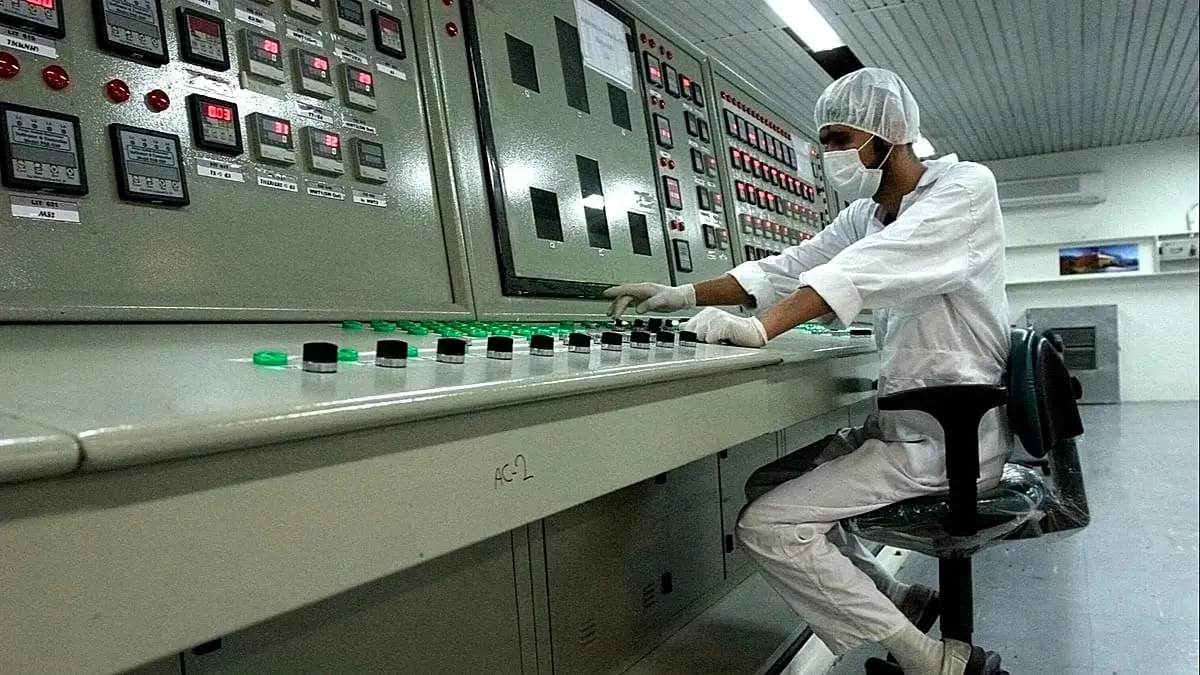
이란 핵 농축 프로그램 제한 거부, 핵에너지청장 발언
Iran rules out any restrictions on its enrichment programme, nuclear chief says
Euronews
EN
2026-04-09 13:07
Translated
우라늄 농축 문제는 20년 이상 서방과 이란 관계의 중심이 되어왔으며, 미국과 동맹국들은 테헤란이 핵무기 개발을 추구하고 있다고 주장하고 있다.
이란 핵에너지청장은 목요일 우라늄 농축에 대한 모든 제한을 거부하며, 미국과 이스라엘의 요구가 "실현되지 않을 것"이라고 말했다.
이란 ISNA 통신에 따르면 모하마드 에슬라미 청장은 "우리 적들의 주장과 이란 농축 프로그램 제한 요구는 단순한 소망일 뿐 묻혀질 것"이라고 말했다.
그의 발언은 주말에 파키스탄 중재 아래 이란과 미국 간 협상이 진행될 예정인 가운데 나왔다.
에슬라미 청장은 "우리 적들의 모든 음모와 행동, 이 잔인한 전쟁을 포함한 것들이 아무 성과도 내지 못했다. 이제 그들은 협상을 통해 뭔가를 얻으려 한다"고 말했다.
우라늄 농축 문제는 20년 이상 서방과 이란 관계의 중심이 되어왔다. 미국과 동맹국들은 테헤란이 핵무기 개발을 추구하고 있다고 주장하는 반면, 이란은 자신의 프로그램이 민간 목적일 뿐이라고 항상 주장해왔다.
도널드 트럼프 미국 대통령은 전쟁 후 "이란의 우라늄 농축은 없을 것"이라고 강조했다.
그는 현재의 전쟁 이전에 이란이 핵무기 개발을 서두르고 있다고 주장했으나, 이는 유엔 핵감시기구의 지지를 받지 못했다.
2월 28일 전쟁을 시작한 미-이스라엘 공격은 워싱턴과 테헤란이 이란의 핵 프로그램을 포함한 협상을 진행 중일 때 이루어졌다.
지난해 6월의 12일간의 분쟁 동안 이스라엘과 미국은 이란의 핵 프로그램을 공격하며 우라늄 농축 능력을 완전히 무력화했다고 주장했다.
그러나 고농축 우라늄 수백 킬로그램의 소재지는 폭격 이후에도 여전히 불명확한 상태다.
폭격된 지역의 잔해 아래 묻혀있을 것으로 추정되며, 트럼프 대통령은 소셜미디어 글을 통해 이란과 미국이 함께 "깊이 묻혀있는" 핵물질을 "파내고 제거"할 수 있을 것이라고 제안했다.
지난해 분쟁 이전, 이란은 국제원자력기구(IAEA)에 따르면 지금은 폐기된 2015년 핵 협정에서 허용한 3.67% 한계를 훨씬 넘는 60%까지 우라늄을 농축하고 있었으며, 이는 핵폭탄 제조에 필요한 90%에 근접한 수준이었다.
이란 ISNA 통신에 따르면 모하마드 에슬라미 청장은 "우리 적들의 주장과 이란 농축 프로그램 제한 요구는 단순한 소망일 뿐 묻혀질 것"이라고 말했다.
그의 발언은 주말에 파키스탄 중재 아래 이란과 미국 간 협상이 진행될 예정인 가운데 나왔다.
에슬라미 청장은 "우리 적들의 모든 음모와 행동, 이 잔인한 전쟁을 포함한 것들이 아무 성과도 내지 못했다. 이제 그들은 협상을 통해 뭔가를 얻으려 한다"고 말했다.
우라늄 농축 문제는 20년 이상 서방과 이란 관계의 중심이 되어왔다. 미국과 동맹국들은 테헤란이 핵무기 개발을 추구하고 있다고 주장하는 반면, 이란은 자신의 프로그램이 민간 목적일 뿐이라고 항상 주장해왔다.
도널드 트럼프 미국 대통령은 전쟁 후 "이란의 우라늄 농축은 없을 것"이라고 강조했다.
그는 현재의 전쟁 이전에 이란이 핵무기 개발을 서두르고 있다고 주장했으나, 이는 유엔 핵감시기구의 지지를 받지 못했다.
2월 28일 전쟁을 시작한 미-이스라엘 공격은 워싱턴과 테헤란이 이란의 핵 프로그램을 포함한 협상을 진행 중일 때 이루어졌다.
지난해 6월의 12일간의 분쟁 동안 이스라엘과 미국은 이란의 핵 프로그램을 공격하며 우라늄 농축 능력을 완전히 무력화했다고 주장했다.
그러나 고농축 우라늄 수백 킬로그램의 소재지는 폭격 이후에도 여전히 불명확한 상태다.
폭격된 지역의 잔해 아래 묻혀있을 것으로 추정되며, 트럼프 대통령은 소셜미디어 글을 통해 이란과 미국이 함께 "깊이 묻혀있는" 핵물질을 "파내고 제거"할 수 있을 것이라고 제안했다.
지난해 분쟁 이전, 이란은 국제원자력기구(IAEA)에 따르면 지금은 폐기된 2015년 핵 협정에서 허용한 3.67% 한계를 훨씬 넘는 60%까지 우라늄을 농축하고 있었으며, 이는 핵폭탄 제조에 필요한 90%에 근접한 수준이었다.
The issue of uranium enrichment has been central to Western relations with Iran for more than two decades, with the US and its allies accusing Tehran of seeking atomic weapons.
The head of Iran's nuclear energy agency ruled out any restrictions on the country's enrichment of uranium on Thursday, saying the demand by the United States and Israel "will not come true.""The claims and demands of our enemies to restrict Iran's enrichment programme are merely wishes that will be buried," Mohammad Eslami was quoted as saying by Iran's ISNA news agency.
His remarks came with talks set to take place at the end of the week between Iran and the United States under Pakistani mediation.
"All the conspiracies and actions of our enemies, including this brutal war, have yielded no results. Now they seek to achieve something through negotiations," Eslami said.
The issue of uranium enrichment has been central to Western relations with Iran for more than two decades, with the US and its allies accusing Tehran of seeking atomic weapons, while Iran has always insisted its programme is for civilian purposes only.
US President Donald Trump has insisted "there will be no enrichment of uranium" by Iran after the war.
He argued before the current war that Iran was rushing to build atomic weapons, an assertion not backed by the UN's nuclear watchdog.
The US-Israeli strikes on 28 February that began the war took place with Washington and Tehran engaged in negotiations that included Iran's nuclear programme.
During last June's 12-day conflict, Israel and the United States hit Iran's nuclear programme, claiming to have obliterated its ability to enrich uranium.
Nevertheless, the whereabouts of several hundred kilograms of highly enriched uranium remains unknown following the bombing.
It is thought to be buried under the rubble of a bombed location, with Trump suggesting in a social media post that Iran and the US could work together to "dig up and remove all of the deeply buried" nuclear material.
Before last year's conflict, Iran had been enriching uranium to 60%, well above the 3.67% limit allowed by a now-defunct 2015 nuclear agreement and close to the 90% needed to make a bomb, according to the International Atomic Energy Agency.