체르노빌 내부: 재앙 40년 후, 러시아의 전쟁 속에서도 핵 시설은 여전히 위험 상태
Inside Chornobyl: 40 years after disaster, nuclear site still at risk in Russia’s war
The Guardian
· 🇬🇧 London, GB
Pjotr Sauer in Chornobyl. Photographs by Julia Kochetova
EN
2026-04-25 14:00
Translated
2025년 2월, 저가 러시아 드론이 체르노빌의 격리 시설을 관통했다. 근로자들은 세계 최악의 핵 사고 현장이 아직 안전하지 않다고 경고한다.
체르노빌 원자력발전소 지정된 경로를 벗어나는 순간 가슴에 클립으로 채워진 방사능 측정기는 더 빠르게 째깍거린다. 다시 돌아가면 속도가 느려진다 - 깨끗한 땅과 오염 사이의 보이지 않는 선.
위로는 "새로운 안전 격리시설"(NSC)이 솟아 있다 - 자유의 여신상보다 높고 콜로세움보다 넓은, 지금까지 만들어진 가장 큰 이동식 강철 구조물로, 거대한 비행기를 위해 지어진 비행기 격납고처럼 아치형으로 곡선을 그린다.
2019년에 25억 달러(185억 파운드)의 비용으로 완공되고 45개국의 자금 지원으로 건설된 NSC는 그 아래에 있는 것으로부터 세계를 보호하기 위해 지어졌다. 사이프러스 크기의 광대한 출입 제한 구역의 중심부에 자리 잡고 있으며, 대부분 인간에 의해 버려진 방사능 오염 지역이다. 떠돌이 개들이 무리를 지어 발전소 주변을 돌아다닌다 - 근로자들은 그들을 쓰다듬지 말 것을 권고한다.
내부에는 "석관"이 있다 - 1986년 4월 26일 폭발한 4호 반응로의 잔해를 덮기 위해 단 206일 만에 세워진 회색 콘크리트 무덤으로, 현재까지의 최악의 핵 사고였다.
가까이서 보면 석관은 거의 임시방편으로 보인다 - 거대한 건축 블록처럼 쌓인 거대한 슬래브들, 이음새를 따라 녹이 스며 있다. 내부에는 180톤의 핵연료와 4~5톤의 방사능 먼지가 갇혀 있다.
NSC는 시간을 벌기 위해 건설되었다: 불안정한 석관이 수십 년에 걸쳐 안전하게 해체될 수 있도록 하면서, 붕괴 시 결과로부터 보호하기 위해.
그 자금 제공자들이 예상하지 못한 것은 전쟁이었다 - 체르노빌은 2022년 러시아의 우크라이나 침략 초기에 점령되었고, 3년 후에 시설에 대한 드론 공격이 있었다.
옥상의 북서쪽 모서리에, 2025년 2월 14일 저가 2만 달러짜리 러시아 드론이 구조물을 관통하여 아치에 구멍을 뚫고 아치가 건설된 바로 그 기능을 손상시킨 곳을 임시 패치가 표시하고 있다.
"석관이 붕괴되면 수백 톤의 핵연료가 공기 중으로 방출될 것이다"라고 발전소의 사장 세르히 타라카노프는 말했다.
전체 수리가 4년 이내에 필요하다고 우크라이나 관계자들과 서방 전문가들은 말하고 있으며, 그렇지 않으면 NSC의 100년 수명을 더 이상 보장할 수 없다. 이것은 최대 5억 유로(4억 3,200만 파운드)로 추정되는데 - 우크라이나의 현금 부족 정부가 아직 찾지 못한 돈이다.
한편, 우크라이나에서 전쟁이 계속되고 있으며, 러시아는 체르노빌 원자력발전소 근처의 비행 경로를 따라 드론과 미사일을 반복적으로 발사해 또 다른 재앙의 위험을 높이고 있다.
체르노빌 재앙의 40주년에, 세계에서 가장 취약한 시설 중 하나가 여전히 위협 아래 있다.
올렉산드르 스코마로호프는 2025년 2월 14일 새벽에 보안 경비원에게 깨어났다. 회색 수염에 두꺼운 안경을 쓴 부사장으로, 발전소에서 거의 40년의 경험을 가지고 있으며, 상황이 좋지 않다는 것을 빠르게 깨달았다. "우리는 이전에 포격을 목격했지만, 그들이 나를 깨웠다면 뭔가 심각한 일이 일어났다는 것을 알았다"라고 그는 회상했다.
러시아 게란-2 드론이 지상에서 약 85미터 높이(대략 8층 건물 높이)의 아치의 북서쪽 면을 쳤다.
우크라이나가 의도적이라고 말한 폭발은 NSC의 외벽과 내벽을 관통하여 15제곱미터 크기의 구멍을 뚫었고, 구조물의 지진 모니터링 시스템에 기록될 만큼 강력했다.
"그 후, 화재가 발생한 후 실제 문제가 시작되었다"라고 스코마로호프은 말했다.
소방관들은 몇 분 내에 도착했지만, 옥상 내의 고무 밀봉 막이 불에 붙었고 구조물 내부 깊숙이, 닿기 어려운 곳에서 계속 타고 있었다. 3주 동안 팀은 외벽에 332개의 구멍을 잘라내어 물 호스로 뜨거운 점을 도달했다.
화재가 마침내 꺼졌을 때, 체르노빌의 관계자들은 폭발이 두 가지 핵심 시스템을 파괴했다고 말했다. 격리 기능 - NSC가 석관으로부터의 방사능 방출을 포함할 수 있는 능력 - 이 손상되었다. 강철 구조물이 부식되는 것을 방지하고 아치 자체가 실패할 위험을 초래하는 습도 제어 시스템도 마찬가지였다.
"러시아 드론 공격은 새로운 안전 격리시설의 주요 기능을 파괴했다"라고 1990년대 후반 아치의 개념 설계를 주도한 엔지니어 에릭 슈미만은 그린피스 우크라이나에 의뢰된 손상 평가에서 말했다.
석관이 붕괴되어야 한다면 - 폭발, 구조 실패 또는 나이(20년을 위해 건설되었지만 현재 40년 동안 세워짐)로부터 - 전문가들은 그것이 방사능 입자의 또 다른 구름을 공기 중으로 방출할 것이며 그것을 포함할 안전 장치가 없을 것이라고 말한다.
"석관의 붕괴는 주로 체르노빌 발전소에서 일하는 사람들에게 엄청난 위험이 되며 재앙 대처를 더욱 많은 해 동안 뒤로 미룰 것이다"라고 그린피스의 선임 핵 전문가 숀 버니는 말했다.
재정적 비용과 전쟁을 넘어서, 격리 시설의 수리가 어떻게 수행되는지에 대한 질문이 있다. 손상된 섹션 바로 위의 높은 방사능 수준은 근로자들이 연간 용량 제한에 도달하기 전에 그 구역에서 법적으로 1년에 약 20시간 이상을 보낼 수 없다는 것을 의미한다.
"근로자들은 그곳에서 자신의 과제를 수행할 수 있을 것이다, 한 번에 몇 시간이 아니면 단지 몇 분이라도"라고 타라카노프는 말했으며, 그 작업이 곡선, 오염된 표면의 높이에서 짧은 순환으로 작동하는 약 100명의 자격 있는 건설 근로자를 필요로 할 것이라고 덧붙였다.
1987년 재앙 1년 후 체르노빌에 와서 일하기 시작한 스코마로호프에게 이 모든 것에 대해 완전히 흡수하기 어려운 무언가가 있다고 그는 생각했다. "나는 여기서 무엇이 일어났는지 알았고 그것이 다시는 반복되지 않도록 하고 싶었다"라고 그는 1986년 4월 26일 오전 1시 23분에 운영자들이 AZ-5 응급 버튼을 눌렀던 제어실 No 4의 남은 것에서 말했다, 반응로를 종료하기 위한 마지막 시도로.
대신, 설계 결함과 불안정한 핵심의 치명적인 조합이 폭발을 촉발했다.
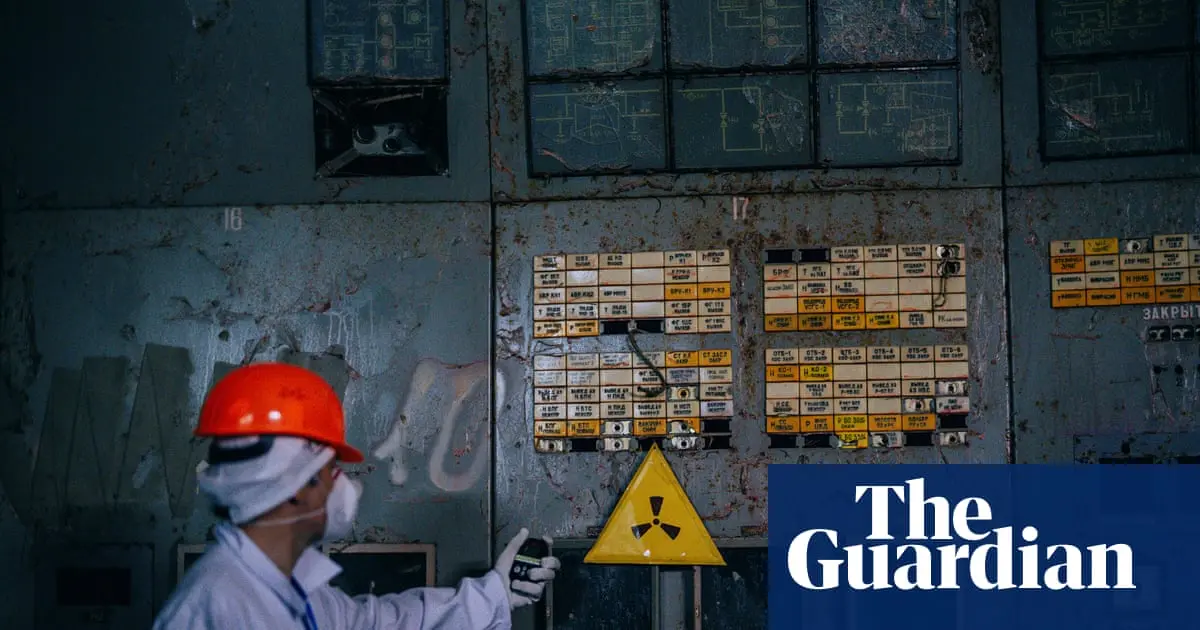
방에서, 소비에트 제어 패널, 다이얼 및 스위치들은 제자리에 고정되어 있으며, 페인트는 긴 스트립으로 벗겨져 있다. 그러나 버튼이 한때 있었던 곳을 여전히 구별할 수 있으며, 검은 구멍이 그 자리를 표시하고 있다.
28명이 그 후 몇 주 동안 급성 방사선 병으로 사망했다. 약 116,000명이 대피했다. 방사능 입자는 북서쪽으로 유럽 전역을 표류했다. 재앙은 소비에트 연방에서 처음 감지된 것이 아니라 스웨덴에서, 몇 일 후, 핵 발전소의 한 근로자가 출근 길에 방사능 경보를 울렸을 때였다.
체르노빌에 관한 그의 책에서, 우크라이나 역사가 세르히 플로흐는 재앙이 소비에트 시스템의 실패를 노출함으로써 현대 우크라이나 국가 의식을 형성하는 데 도움을 주었다고 주장한다. 많은 사람들에게, 그는 쓴다, 그것은 파열의 순간이었다: 그들이 살고 있던 시스템의 본질에 대한 갑작스러운 명확성.
2022년의 러시아의 전면 침략은 또 다른 국가 단결의 순간이었고, 다시 체르노빌이 관련되었다. 러시아군은 2022년 2월 24일에 국경을 넘었고 발전소를 직접 목표로 했으며, 출입 제한 구역에서 몇 킬로미터 이내를 통과하는 벨라루스를 통한 경로를 사용했다.
그 부지는 몇 시간 내에 활발한 군사 구역이 되었다. 러시아 군인들은 "빨간 숲" 매우 가까이 방어 참호를 팠다 - 1986년에 가장 심각한 오염을 받은 발전소의 바로 서쪽에 있는 땅의 스트레치로, 출입 제한 구역에서 가장 방사능이 높은 지역 중 하나로 남아 있다.
러시아의 공격 전에 예정된 교대로 도착한 직원들은 보유되었고 거의 한 달 동안 연속적인 교대 근무를 강요받았다.
"나는 인생에서 많은 것을 보았지만, 전쟁이 여기에 올 것이라고 상상할 수 없었다"라고 1980년부터 체르노빌에서 일해온 나탈리아는 말했다, 가장 오래 근무한 직원 중 한 명을 만든다.
성을 공개하지 말아달라고 요청한 나탈리아는 나중에 반응로에서 4킬로미터 떨어진 원래 회사 도시 프리피야트가 하룻밤에 버려졌을 때 발전소 근로자를 수용하기 위해 1987년에 지어진 마지막 소비에트 도시인 슬라부티치로 이주했다.
그 도시의 점령 동안, 그녀와 그녀의 동료들은 인터넷이나 공급선이 없는 나머지 국가로부터 단절되었다. "지역 농민들은 우유를 몰래 반입해야 했다"라고 그녀는 말했다.
러시아군이 35일 후 체르노빌에서 철수했을 때, 그들은 약탈된 사무실을 뒤에 남겼다 - 컴퓨터, 전자레인지, 수십 년 동안 직원들이 일해온 방에서 꺼낸 냉장고들.
그 부지 주변의 포스터는 여전히 점령 중에 잡혀가 러시아에 있다고 믿어지는 6명의 체르노빌 근로자의 이름을 담고 있다.
1,000제곱마일의 출입 제한 구역에 진입할 때, 가장 먼저 눈에 띄는 것은 군대이다 - 검문소, 병사들, 가끔의 장갑 차량. 더 깊이 운전하면 숲이 점령한다, 소나무가 양쪽을 누르고, 작은 마을들이 나무선을 통해 나타난다. 집들은 버려져 있으며 일부 문 위의 작은 표지판은 얼마나 많은 사람들이 그곳에 살았는지 기록한다.
인간이 더 이상 살 수 없는 곳에서, 다른 종들이 이동해 왔다. 묵직한 프르제발스키 말들이 풀을 뜯고, 늑대와 스라소니가 이전 농경지 위에 다시 자라난 숲에서 사냥한다. 반응로 옆의 냉각 연못에서, 메기들이 특별한 크기로 자랐다.
그러나 출입 제한 구역의 고립은 전쟁으로부터의 보호를 제공하지 않는다.
2024년 10월 이후 발전소는 전기 그리드에 대한 러시아의 폭발로 인한 4번의 완전한 정전을 겪었으며, 각각 사용한 연료 냉각 시스템을 계속 운영하기 위해 응급 디젤 발전기가 필요했다.
추가 공기 방어와 군인들이 부지에 배치되었다고 사이트의 보안 부사장 바딤 슬립우하는 말했으며, 비록 위협이 사라지지 않았다고 말했다. 전자전으로 길을 잃은 드론의 의도하지 않은 폭발조차도 석관의 붕괴를 촉발할 수 있다.
"우리는 국제 사회가 이해하기를 간청한다"라고 타라카노프는 말했다. "새로운 사건의 실제 위험이 있다. 그것은 어느 밤이든 어느 날이든 일어날 수 있다."
위로는 "새로운 안전 격리시설"(NSC)이 솟아 있다 - 자유의 여신상보다 높고 콜로세움보다 넓은, 지금까지 만들어진 가장 큰 이동식 강철 구조물로, 거대한 비행기를 위해 지어진 비행기 격납고처럼 아치형으로 곡선을 그린다.
2019년에 25억 달러(185억 파운드)의 비용으로 완공되고 45개국의 자금 지원으로 건설된 NSC는 그 아래에 있는 것으로부터 세계를 보호하기 위해 지어졌다. 사이프러스 크기의 광대한 출입 제한 구역의 중심부에 자리 잡고 있으며, 대부분 인간에 의해 버려진 방사능 오염 지역이다. 떠돌이 개들이 무리를 지어 발전소 주변을 돌아다닌다 - 근로자들은 그들을 쓰다듬지 말 것을 권고한다.
내부에는 "석관"이 있다 - 1986년 4월 26일 폭발한 4호 반응로의 잔해를 덮기 위해 단 206일 만에 세워진 회색 콘크리트 무덤으로, 현재까지의 최악의 핵 사고였다.
가까이서 보면 석관은 거의 임시방편으로 보인다 - 거대한 건축 블록처럼 쌓인 거대한 슬래브들, 이음새를 따라 녹이 스며 있다. 내부에는 180톤의 핵연료와 4~5톤의 방사능 먼지가 갇혀 있다.
NSC는 시간을 벌기 위해 건설되었다: 불안정한 석관이 수십 년에 걸쳐 안전하게 해체될 수 있도록 하면서, 붕괴 시 결과로부터 보호하기 위해.
그 자금 제공자들이 예상하지 못한 것은 전쟁이었다 - 체르노빌은 2022년 러시아의 우크라이나 침략 초기에 점령되었고, 3년 후에 시설에 대한 드론 공격이 있었다.
옥상의 북서쪽 모서리에, 2025년 2월 14일 저가 2만 달러짜리 러시아 드론이 구조물을 관통하여 아치에 구멍을 뚫고 아치가 건설된 바로 그 기능을 손상시킨 곳을 임시 패치가 표시하고 있다.
"석관이 붕괴되면 수백 톤의 핵연료가 공기 중으로 방출될 것이다"라고 발전소의 사장 세르히 타라카노프는 말했다.
전체 수리가 4년 이내에 필요하다고 우크라이나 관계자들과 서방 전문가들은 말하고 있으며, 그렇지 않으면 NSC의 100년 수명을 더 이상 보장할 수 없다. 이것은 최대 5억 유로(4억 3,200만 파운드)로 추정되는데 - 우크라이나의 현금 부족 정부가 아직 찾지 못한 돈이다.
한편, 우크라이나에서 전쟁이 계속되고 있으며, 러시아는 체르노빌 원자력발전소 근처의 비행 경로를 따라 드론과 미사일을 반복적으로 발사해 또 다른 재앙의 위험을 높이고 있다.
체르노빌 재앙의 40주년에, 세계에서 가장 취약한 시설 중 하나가 여전히 위협 아래 있다.
올렉산드르 스코마로호프는 2025년 2월 14일 새벽에 보안 경비원에게 깨어났다. 회색 수염에 두꺼운 안경을 쓴 부사장으로, 발전소에서 거의 40년의 경험을 가지고 있으며, 상황이 좋지 않다는 것을 빠르게 깨달았다. "우리는 이전에 포격을 목격했지만, 그들이 나를 깨웠다면 뭔가 심각한 일이 일어났다는 것을 알았다"라고 그는 회상했다.
러시아 게란-2 드론이 지상에서 약 85미터 높이(대략 8층 건물 높이)의 아치의 북서쪽 면을 쳤다.
우크라이나가 의도적이라고 말한 폭발은 NSC의 외벽과 내벽을 관통하여 15제곱미터 크기의 구멍을 뚫었고, 구조물의 지진 모니터링 시스템에 기록될 만큼 강력했다.
"그 후, 화재가 발생한 후 실제 문제가 시작되었다"라고 스코마로호프은 말했다.
소방관들은 몇 분 내에 도착했지만, 옥상 내의 고무 밀봉 막이 불에 붙었고 구조물 내부 깊숙이, 닿기 어려운 곳에서 계속 타고 있었다. 3주 동안 팀은 외벽에 332개의 구멍을 잘라내어 물 호스로 뜨거운 점을 도달했다.
화재가 마침내 꺼졌을 때, 체르노빌의 관계자들은 폭발이 두 가지 핵심 시스템을 파괴했다고 말했다. 격리 기능 - NSC가 석관으로부터의 방사능 방출을 포함할 수 있는 능력 - 이 손상되었다. 강철 구조물이 부식되는 것을 방지하고 아치 자체가 실패할 위험을 초래하는 습도 제어 시스템도 마찬가지였다.
"러시아 드론 공격은 새로운 안전 격리시설의 주요 기능을 파괴했다"라고 1990년대 후반 아치의 개념 설계를 주도한 엔지니어 에릭 슈미만은 그린피스 우크라이나에 의뢰된 손상 평가에서 말했다.
석관이 붕괴되어야 한다면 - 폭발, 구조 실패 또는 나이(20년을 위해 건설되었지만 현재 40년 동안 세워짐)로부터 - 전문가들은 그것이 방사능 입자의 또 다른 구름을 공기 중으로 방출할 것이며 그것을 포함할 안전 장치가 없을 것이라고 말한다.
"석관의 붕괴는 주로 체르노빌 발전소에서 일하는 사람들에게 엄청난 위험이 되며 재앙 대처를 더욱 많은 해 동안 뒤로 미룰 것이다"라고 그린피스의 선임 핵 전문가 숀 버니는 말했다.
재정적 비용과 전쟁을 넘어서, 격리 시설의 수리가 어떻게 수행되는지에 대한 질문이 있다. 손상된 섹션 바로 위의 높은 방사능 수준은 근로자들이 연간 용량 제한에 도달하기 전에 그 구역에서 법적으로 1년에 약 20시간 이상을 보낼 수 없다는 것을 의미한다.
"근로자들은 그곳에서 자신의 과제를 수행할 수 있을 것이다, 한 번에 몇 시간이 아니면 단지 몇 분이라도"라고 타라카노프는 말했으며, 그 작업이 곡선, 오염된 표면의 높이에서 짧은 순환으로 작동하는 약 100명의 자격 있는 건설 근로자를 필요로 할 것이라고 덧붙였다.
1987년 재앙 1년 후 체르노빌에 와서 일하기 시작한 스코마로호프에게 이 모든 것에 대해 완전히 흡수하기 어려운 무언가가 있다고 그는 생각했다. "나는 여기서 무엇이 일어났는지 알았고 그것이 다시는 반복되지 않도록 하고 싶었다"라고 그는 1986년 4월 26일 오전 1시 23분에 운영자들이 AZ-5 응급 버튼을 눌렀던 제어실 No 4의 남은 것에서 말했다, 반응로를 종료하기 위한 마지막 시도로.
대신, 설계 결함과 불안정한 핵심의 치명적인 조합이 폭발을 촉발했다.
방에서, 소비에트 제어 패널, 다이얼 및 스위치들은 제자리에 고정되어 있으며, 페인트는 긴 스트립으로 벗겨져 있다. 그러나 버튼이 한때 있었던 곳을 여전히 구별할 수 있으며, 검은 구멍이 그 자리를 표시하고 있다.
28명이 그 후 몇 주 동안 급성 방사선 병으로 사망했다. 약 116,000명이 대피했다. 방사능 입자는 북서쪽으로 유럽 전역을 표류했다. 재앙은 소비에트 연방에서 처음 감지된 것이 아니라 스웨덴에서, 몇 일 후, 핵 발전소의 한 근로자가 출근 길에 방사능 경보를 울렸을 때였다.
체르노빌에 관한 그의 책에서, 우크라이나 역사가 세르히 플로흐는 재앙이 소비에트 시스템의 실패를 노출함으로써 현대 우크라이나 국가 의식을 형성하는 데 도움을 주었다고 주장한다. 많은 사람들에게, 그는 쓴다, 그것은 파열의 순간이었다: 그들이 살고 있던 시스템의 본질에 대한 갑작스러운 명확성.
2022년의 러시아의 전면 침략은 또 다른 국가 단결의 순간이었고, 다시 체르노빌이 관련되었다. 러시아군은 2022년 2월 24일에 국경을 넘었고 발전소를 직접 목표로 했으며, 출입 제한 구역에서 몇 킬로미터 이내를 통과하는 벨라루스를 통한 경로를 사용했다.
그 부지는 몇 시간 내에 활발한 군사 구역이 되었다. 러시아 군인들은 "빨간 숲" 매우 가까이 방어 참호를 팠다 - 1986년에 가장 심각한 오염을 받은 발전소의 바로 서쪽에 있는 땅의 스트레치로, 출입 제한 구역에서 가장 방사능이 높은 지역 중 하나로 남아 있다.
러시아의 공격 전에 예정된 교대로 도착한 직원들은 보유되었고 거의 한 달 동안 연속적인 교대 근무를 강요받았다.
"나는 인생에서 많은 것을 보았지만, 전쟁이 여기에 올 것이라고 상상할 수 없었다"라고 1980년부터 체르노빌에서 일해온 나탈리아는 말했다, 가장 오래 근무한 직원 중 한 명을 만든다.
성을 공개하지 말아달라고 요청한 나탈리아는 나중에 반응로에서 4킬로미터 떨어진 원래 회사 도시 프리피야트가 하룻밤에 버려졌을 때 발전소 근로자를 수용하기 위해 1987년에 지어진 마지막 소비에트 도시인 슬라부티치로 이주했다.
그 도시의 점령 동안, 그녀와 그녀의 동료들은 인터넷이나 공급선이 없는 나머지 국가로부터 단절되었다. "지역 농민들은 우유를 몰래 반입해야 했다"라고 그녀는 말했다.
러시아군이 35일 후 체르노빌에서 철수했을 때, 그들은 약탈된 사무실을 뒤에 남겼다 - 컴퓨터, 전자레인지, 수십 년 동안 직원들이 일해온 방에서 꺼낸 냉장고들.
그 부지 주변의 포스터는 여전히 점령 중에 잡혀가 러시아에 있다고 믿어지는 6명의 체르노빌 근로자의 이름을 담고 있다.
1,000제곱마일의 출입 제한 구역에 진입할 때, 가장 먼저 눈에 띄는 것은 군대이다 - 검문소, 병사들, 가끔의 장갑 차량. 더 깊이 운전하면 숲이 점령한다, 소나무가 양쪽을 누르고, 작은 마을들이 나무선을 통해 나타난다. 집들은 버려져 있으며 일부 문 위의 작은 표지판은 얼마나 많은 사람들이 그곳에 살았는지 기록한다.
인간이 더 이상 살 수 없는 곳에서, 다른 종들이 이동해 왔다. 묵직한 프르제발스키 말들이 풀을 뜯고, 늑대와 스라소니가 이전 농경지 위에 다시 자라난 숲에서 사냥한다. 반응로 옆의 냉각 연못에서, 메기들이 특별한 크기로 자랐다.
그러나 출입 제한 구역의 고립은 전쟁으로부터의 보호를 제공하지 않는다.
2024년 10월 이후 발전소는 전기 그리드에 대한 러시아의 폭발로 인한 4번의 완전한 정전을 겪었으며, 각각 사용한 연료 냉각 시스템을 계속 운영하기 위해 응급 디젤 발전기가 필요했다.
추가 공기 방어와 군인들이 부지에 배치되었다고 사이트의 보안 부사장 바딤 슬립우하는 말했으며, 비록 위협이 사라지지 않았다고 말했다. 전자전으로 길을 잃은 드론의 의도하지 않은 폭발조차도 석관의 붕괴를 촉발할 수 있다.
"우리는 국제 사회가 이해하기를 간청한다"라고 타라카노프는 말했다. "새로운 사건의 실제 위험이 있다. 그것은 어느 밤이든 어느 날이든 일어날 수 있다."
처리 완료
8,799 tokens · $0.0255
기사 수집 완료 · 14:25
매체 피드에서 기사 메타데이터 수집
헤드라인 번역 완료 · 14:36
제목/요약 한국어 번역 (fetch 시점 inline)
claude-haiku-4-5-20251001
610 tokens
$0.00173
4.8s
본문 추출 완료
9,624자 추출 완료
본문 한국어 번역 완료 · 14:36
4,853자 번역 완료
claude-haiku-4-5-20251001
8,189 tokens
$0.02379
59.0s
지정학적 엔티티 추출 완료 · 14:36
8개 엔티티 추출 완료
지정학적 맥락 & R-Scanner
R-Scanner · 핫스팟
z=1.79
평소보다 훨씬 많은 매체가 집중 보도 중 — 기준: Chornobyl
(🇺🇦 UA)
최근 6시간 3건
7일 평균 0.68건 / 6h
3개국 매체
3개 매체
본문에서 추출된 지명 (8)
위치 지도
지도 로딩 중…
같은 주제의 다른 기사 (최근 7일)
In February 2025, a cheap Russian drone tore through Chornobyl’s confinement shelter. Workers warn the site of the world’s worst nuclear accident is not safe yetThe dosimeter clipped to your chest ticks faster the moment you step off the designated path inside the Chornobyl nuclear power plant. Step back, and it slows again – an invisible line between clean ground and contamination.Above rises the “new safe confinement” (NSC) – the largest, movable steel structure ever built, taller than the Statue of Liberty, wider than the Colosseum, its arch curving overhead like an aircraft hangar built for giant planes.
The dosimeter clipped to your chest ticks faster the moment you step off the designated path inside the Chornobyl nuclear power plant. Step back, and it slows again – an invisible line between clean ground and contamination.Above rises the “new safe confinement” (NSC) – the largest, movable steel structure ever built, taller than the Statue of Liberty, wider than the Colosseum, its arch curving overhead like an aircraft hangar built for giant planes.
Completed in 2019 at a cost of $2.5bn (£1.85bn) and funded by 45 countries, the NSC was built to shield the world from what lies beneath it. It sits at the heart of a vast exclusion zone, a radioactive landscape the size of Cyprus, largely abandoned by humanity. Stray dogs roam the plant in packs – workers advise against petting them.
Inside is “the sarcophagus” – a grey concrete tomb erected in just 206 days to cover the ruins of reactor No 4, which exploded on 26 April 1986 in the worst nuclear accident to date.
Up close, the sarcophagus looks almost makeshift – massive slabs stacked like giant building blocks, rust streaking the joins. Inside, 180 tonnes of nuclear fuel and four to five tonnes of radioactive dust remain trapped.
The NSC was constructed to buy time: to allow the unstable sarcophagus to be dismantled safely over decades, while shielding against the consequences in case it collapses.
What its funders did not anticipate was a war – Chornobyl was occupied in the first weeks of Russia’s 2022 invasion of Ukraine – much less a drone strike on the facility three years later.
In the north-west corner of the roof, a temporary patch marks where a cheap $20,000 Russian drone tore through the structure on 14 February 2025, punching a hole in the arch and compromising the very function the arch was built for.
“If the sarcophagus collapses, over a hundred tonnes of nuclear fuel would be released into the air,” said the plant’s director general, Serhii Tarakanov.
A full repair is required within four years, Ukrainian officials and western experts say, or the NSC’s 100-year lifespan can no longer be guaranteed. It is estimated to cost up to €500m (£432m) – money that Ukraine’s cash-strapped government has not yet found.
Meanwhile, war continues in Ukraine, and Russia has repeatedly launched drones and missiles along flight paths near the Chornobyl nuclear plant, raising the risk of another disaster.
On the 40th anniversary of the Chornobyl disaster, one of the world’s most vulnerable sites remains under threat.
Oleksandr Skomarokhov was woken by a security guard in the early hours of 14 February 2025. The grey-moustached deputy chief engineer, with thick-rimmed glasses and almost four decades’ experience at the plant, quickly realised the situation was bad. “We witnessed shelling before, but I knew they would only wake me if something critical had happened,” he recalled.
A Russian Geran-2 drone had struck the north-west face of the arch at about 85 metres above the ground – roughly the height of an eight-storey building.
The blast, which Ukraine said was intentional, punched a 15 sq metre hole through the NSC’s outer and inner walls and was powerful enough to register on the structure’s earthquake monitoring system.
“Then, the real problems started after the fire broke out,” Skomarokhov said.
Firefighters arrived within minutes, but a rubber sealing membrane within the roof had caught alight and kept smouldering deep inside the structure, out of reach. For three weeks, teams cut 332 holes into the outer wall to reach the hotspots with water hoses.
When the fires were finally out, officials at Chornobyl said the strike had destroyed two key systems. The confinement function – the NSC’s ability to contain any radioactive release from the sarcophagus – had been compromised. So too had the humidity control system, which keeps the steel structure from corroding, and puts the arch itself at risk of failing.
“The Russian drone strike destroyed the main functions of the new safe confinement,” said Eric Schmieman, an engineer who led the conceptual design of the arch in the late 1990s, in a damage assessment commissioned by Greenpeace Ukraine.
Should the sarcophagus collapse – whether from a strike, structural failure or age (built for 20 years, now standing for 40) – experts say it would release another cloud of radioactive particles into the air with no safeguard to contain it.
“The collapse of the sarcophagus would primarily be an enormous hazard for those working at the Chornobyl plant and set back dealing with the disaster for many more years,” said Shaun Burnie, a senior nuclear specialist with Greenpeace.
Beyond the financial costs and the war, there is the question of how the repairs of the confinement shelter are done at all. High radiation levels directly above the damaged section mean workers can legally spend no more than about 20 hours a year in that zone before hitting their annual dose limit.
“Workers will be able to perform their assignment there for a few hours, if not just a few minutes at a time,” said Tarakanov, adding that the work would require about 100 qualified construction workers operating in short rotations at height on a curved, contaminated surface.
There is something hard to fully absorb about all of this, reflected Skomarokhov, who came to work in Chornobyl in 1987, a year after the disaster. “I knew what happened here and wanted to make sure it would never be repeated,” he said, speaking in what remains of control room No 4 – where, at 1.23am on 26 April 1986, operators pressed the AZ-5 emergency button in a last attempt to shut down the reactor.
Instead, a fatal combination of design flaws and the unstable core triggered an explosion.
In the room, Soviet control panels, dials and switches are frozen in place, the paint peeling in long strips. But you can still make out where the button once was, a dark hole marking its place.
Twenty-eight people died of acute radiation sickness in the weeks that followed. About 116,000 were evacuated. Radioactive particles drifted north-west across Europe. The disaster was first detected not in the Soviet Union but in Sweden, a few days later, when a worker at a nuclear plant set off radiation alarms on his way into work.
In his book on Chornobyl, the Ukrainian historian Serhii Plokhy argues that the disaster helped forge a modern Ukrainian national consciousness by exposing the failures of the Soviet system. For many people, he writes, it was a moment of rupture: a sudden clarity about the nature of the system under which they were living.
Russia’s full-scale invasion in 2022 was another moment of national unity, and again Chornobyl was caught up in it. Russian forces crossed the border on 24 February 2022 and moved directly on the plant, using the route through Belarus that passes within kilometres of the exclusion zone.
The site became an active military zone within hours. Russian soldiers dug defensive trenches very close to the “red forest” – the stretch of land immediately west of the plant that received some of the heaviest contamination in 1986 and remains among the most radioactive areas in the exclusion zone.
Staff who arrived for scheduled shifts before the Russian attack were held and forced to work continuous rotations for nearly a month.
“I have seen a lot in my life, but I couldn’t imagine that war would come here,” said Natalia, who has worked at Chornobyl since 1980, making her one of the longest-serving staff members.
Natalia, who asked for her last name to be withheld, later moved to Slavutych, the last Soviet city built in 1987 to house plant workers when Pripyat – the original company town 4km from the reactor – was abandoned overnight.
During the town’s occupation, she and her colleagues were cut off from the rest of the country without internet or supply lines. “Local farmers had to smuggle in milk,” she said.
When Russian forces withdrew from Chornobyl after 35 days, they left behind looted offices – computers, microwaves, fridges taken from the rooms where staff had worked for decades.
Posters around the site still bear the names of six Chornobyl workers taken during the occupation, who are believed to be still in Russia.
On entry to the 1,000 sq mile exclusion zone, the first thing you notice is the military – checkpoints, soldiers, the occasional armoured vehicle. Drive deeper and the forest takes over, pine trees pressing in on either side, small villages appearing through the treeline. The homes are abandoned and small signs on some of the doors record how many people used to live there.
Where humans can no longer live, other species have moved in. Stocky Przewalski’s horses graze and wolves and lynx hunt in forests that have grown back over former farmland. In the cooling pond beside the reactor, catfish have grown to extraordinary sizes.
But the exclusion zone’s isolation offers no protection from the war.
The plant has experienced four total blackouts since October 2024 caused by Russian strikes on the electricity grid, each requiring emergency diesel generators to keep the spent fuel cooling systems running.
Additional air defences and soldiers have been brought in, said Vadim Slipukha, the deputy director general for security at the site, though the threat has not gone away, he said. Even an unintentional strike from a drone knocked off course by electronic warfare could trigger a collapse of the sarcophagus.
“We are begging the international community to understand,” said Tarakanov. “There is a real risk of a new incident. It could happen any night, any day.”