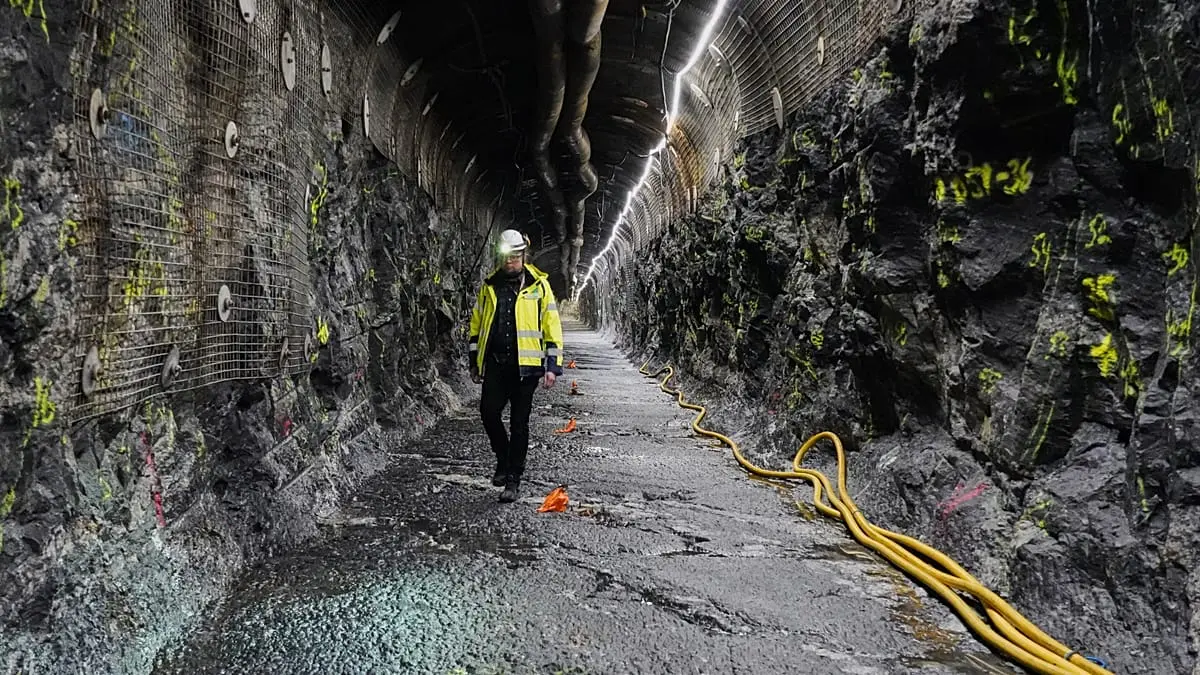
핀란드에서 세계 최초의 핵폐기물 매장 시설 가동 예정
In Finland, the world's first facility to bury nuclear waste is set to begin operations
Euronews
EN
2026-04-09 13:44
Translated
온칼로는 방사능에 오염된 사용 후 핵연료를 영구 처리하는 세계 최초의 시설이다. 2120년대까지 운영될 예정이다.
수십 년의 건설 끝에 사용 후 핵연료를 영구적으로 처리하는 세계 최초의 시설이 핀란드에서 곧 가동될 예정이며, 관계 당국은 수개월 내에 허가를 내줄 것으로 예상된다.
이 시설은 위험한 방사성 폐기물을 최종 처분하는 역할을 하게 된다.
핀란드어로 '동굴'을 의미하는 온칼로의 건설은 2004년 서해안에서 시작됐다. 10억 유로 규모의 이 시설은 2120년대까지 운영될 예정이다.
시설은 올킬루오토 섬의 울창한 숲 지역에 위치해 있다. 가장 가까운 도시는 약 15킬로미터 떨어진 유라요키로, 약 9,000명의 주민이 거주하고 있으며 많은 주민들이 발전소나 저장 시설에서 일하고 있다.
이 부지는 핀란드의 5개 핵반응로 중 3개 근처에 위치해 있다. 높은 안정성과 낮은 지진 위험으로 알려진 기반암 때문에 이곳이 선택됐다.
핀란드 핵폐기물 관리를 담당하는 포시바 오이(Posiva Oy)의 지질학자 투오마스 페레는 "지표면의 인간과 문명으로부터의 격리는 폐기물이 방출하는 방사능 때문에 중요하다"고 말했다.
그는 "하지만 이러한 최종 처분을 통해 지표면에 위치한 시설에 보관하는 것보다 더욱 안전하게 폐기물을 처리할 수 있다"고 덧붙였다.
인근 캡슐화 공장에서 무인 기계를 이용해 방사성 봉을 구리 용기에 밀봉한 후, 지하 400미터 이상 깊이의 갱도에 매장하고 물을 흡수하는 벤토나이트 점토의 '완충' 층으로 채워질 예정이다.
포시바에 따르면 온칼로는 6,500톤의 사용 후 핵연료를 저장할 수 있다.
국제원자력기구의 2022년 보고서에 따르면 1950년대 이후 약 40만 톤의 사용 후 핵연료가 생산됐으며, 이 중 3분의 2는 임시 저장 중이고 3분의 1은 복잡한 과정을 거쳐 재활용되고 있다.
현재 사용 후 핵연료는 각 반응로의 사용 후 핵연료 풀과 지표면 건식 저장 시설에 임시 보관되고 있다.
그러나 핵폐기물의 지질학적 처분은 여전히 "불확실성"으로 가득하다고 미국 비영리 단체인 우려하는 과학자 연합의 원자력 안전 책임자 에드윈 라이먼이 경고했다.
그는 "핵폐기물 처리에 대한 내 생각은 좋은 선택지는 없지만, 최악이 아닌 선택지를 찾는 것이 중요하다"고 말했다.
그는 핵폐기물을 지하에 영구 저장하는 것이 지표면에 방치하는 것보다 낫다고 말했으며, 지표면에 보관될 경우 물질이 파괴 행위에 취약할 수 있기 때문이라고 설명했다.
라이먼은 핵폐기물 저장소와 관련된 위험이 주로 "미래 세대"에 영향을 미칠 것이라고 덧붙였다.
따라서 핵 기호학은 현재로부터 10,000년 뒤에도, 혹은 핵폐기물이 더 이상 위험하지 않을 때까지 수십만 년이 필요하다는 점을 고려할 때 훨씬 더 오랫동안 이해될 수 있는 핵폐기물 저장소에 대한 경고 신호를 개발하려고 노력하고 있다.
그린피스 핀란드의 부프로그램 매니저 유하 아로마는 "우리는 체르노빌도 겪었고, 후쿠시마도 겪었으며 분명히 핵폐기물 문제도 있다. 우리는 아마도 그 해결책에 가까워지고 있을 것이다"라고 말했으며, "세계 다른 곳에서는 이 문제를 해결하는 데 어디에도 가까워지지 못하고 있다"고 덧붙였다.
1994년 핀란드에서 생산되는 핵폐기물을 국내에서 처리, 저장, 영구 처리해야 한다는 법안이 통과됐다.
핀란드 환경부 장관 사리 물탈라는 "당시에는 일부 폐기물이 여전히 해외로 수출됐지만, 우리는 스스로 관리하고 싶었다"고 말했다.
물탈라는 향후 다른 국가의 제한된 양의 핵폐기물을 받아들일 가능성을 배제하지 않았다.
이 시설은 위험한 방사성 폐기물을 최종 처분하는 역할을 하게 된다.
핀란드어로 '동굴'을 의미하는 온칼로의 건설은 2004년 서해안에서 시작됐다. 10억 유로 규모의 이 시설은 2120년대까지 운영될 예정이다.
시설은 올킬루오토 섬의 울창한 숲 지역에 위치해 있다. 가장 가까운 도시는 약 15킬로미터 떨어진 유라요키로, 약 9,000명의 주민이 거주하고 있으며 많은 주민들이 발전소나 저장 시설에서 일하고 있다.
이 부지는 핀란드의 5개 핵반응로 중 3개 근처에 위치해 있다. 높은 안정성과 낮은 지진 위험으로 알려진 기반암 때문에 이곳이 선택됐다.
핀란드 핵폐기물 관리를 담당하는 포시바 오이(Posiva Oy)의 지질학자 투오마스 페레는 "지표면의 인간과 문명으로부터의 격리는 폐기물이 방출하는 방사능 때문에 중요하다"고 말했다.
그는 "하지만 이러한 최종 처분을 통해 지표면에 위치한 시설에 보관하는 것보다 더욱 안전하게 폐기물을 처리할 수 있다"고 덧붙였다.
인근 캡슐화 공장에서 무인 기계를 이용해 방사성 봉을 구리 용기에 밀봉한 후, 지하 400미터 이상 깊이의 갱도에 매장하고 물을 흡수하는 벤토나이트 점토의 '완충' 층으로 채워질 예정이다.
포시바에 따르면 온칼로는 6,500톤의 사용 후 핵연료를 저장할 수 있다.
국제원자력기구의 2022년 보고서에 따르면 1950년대 이후 약 40만 톤의 사용 후 핵연료가 생산됐으며, 이 중 3분의 2는 임시 저장 중이고 3분의 1은 복잡한 과정을 거쳐 재활용되고 있다.
현재 사용 후 핵연료는 각 반응로의 사용 후 핵연료 풀과 지표면 건식 저장 시설에 임시 보관되고 있다.
그러나 핵폐기물의 지질학적 처분은 여전히 "불확실성"으로 가득하다고 미국 비영리 단체인 우려하는 과학자 연합의 원자력 안전 책임자 에드윈 라이먼이 경고했다.
그는 "핵폐기물 처리에 대한 내 생각은 좋은 선택지는 없지만, 최악이 아닌 선택지를 찾는 것이 중요하다"고 말했다.
그는 핵폐기물을 지하에 영구 저장하는 것이 지표면에 방치하는 것보다 낫다고 말했으며, 지표면에 보관될 경우 물질이 파괴 행위에 취약할 수 있기 때문이라고 설명했다.
라이먼은 핵폐기물 저장소와 관련된 위험이 주로 "미래 세대"에 영향을 미칠 것이라고 덧붙였다.
따라서 핵 기호학은 현재로부터 10,000년 뒤에도, 혹은 핵폐기물이 더 이상 위험하지 않을 때까지 수십만 년이 필요하다는 점을 고려할 때 훨씬 더 오랫동안 이해될 수 있는 핵폐기물 저장소에 대한 경고 신호를 개발하려고 노력하고 있다.
그린피스 핀란드의 부프로그램 매니저 유하 아로마는 "우리는 체르노빌도 겪었고, 후쿠시마도 겪었으며 분명히 핵폐기물 문제도 있다. 우리는 아마도 그 해결책에 가까워지고 있을 것이다"라고 말했으며, "세계 다른 곳에서는 이 문제를 해결하는 데 어디에도 가까워지지 못하고 있다"고 덧붙였다.
1994년 핀란드에서 생산되는 핵폐기물을 국내에서 처리, 저장, 영구 처리해야 한다는 법안이 통과됐다.
핀란드 환경부 장관 사리 물탈라는 "당시에는 일부 폐기물이 여전히 해외로 수출됐지만, 우리는 스스로 관리하고 싶었다"고 말했다.
물탈라는 향후 다른 국가의 제한된 양의 핵폐기물을 받아들일 가능성을 배제하지 않았다.
Onkalo is the world's first facility for permanently disposing radioactive spent nuclear fuel. It is expected to operate until the 2120s.
After decades of construction, the world's first facility for permanently disposing of spent nuclear fuel is set to begin operations in Finland, with authorities expected to grant a license within months.The structure will become a final resting place for tons of dangerous radioactive waste.
The building of Onkalo, which means “cave” in Finnish, began on the west coast in 2004. The €1 billion facility is expected to operate until the 2120s.
The facility is located on the island of Olkiluoto, in a dense wooded area. The closest town is Eurajoki, about 15 kilometres away, which is home to roughly 9,000 people, many of whom work at the power plant or storage facility.
The site is near three of Finland’s five nuclear reactors. It was chosen for its bedrock, known for its high stability and low risk of earthquakes.
"The isolation from the civilisation and mankind on the surface is important because of the radiation caused by the waste," said Tuomas Pere, geologist at Posiva Oy, the company responsible for Finnish nuclear waste's management.
"But the thing is that by doing this final disposal, we can dispose of the waste more safely than by storing it in facilities located on the ground surface," he added.
Using unmanned machinery at a nearby encapsulation plant, radioactive rods will be sealed in copper canisters and then buried deep in tunnels over 400 metres underground, then packed in with “buffer” layers of water-absorbing bentonite clay.
Onkalo can store 6,500 tons of spent nuclear fuel, according to Posiva.
According to a 2022 report by the International Atomic Energy Agency, almost 400,000 tons of spent fuel have been produced since the 1950s, with two-thirds remaining in temporary storage and one-third being recycled in a complex process.
Currently, spent nuclear fuel is temporarily stored inside spent nuclear fuel pools at individual reactors and at dry cask storage sites above ground.
But geologic disposal of nuclear waste is still fraught with “uncertainties”, warned Edwin Lyman, director of nuclear power safety at the Union of Concerned Scientists, an American nonprofit organisation.
“My view of nuclear waste disposal is that there’s no good option, but it’s important to find the least bad option,” he said.
He said that permanently storing nuclear waste underground is better than leaving it on the surface, because the material could be vulnerable to sabotage when kept above ground.
The risks associated with nuclear waste repositories will mainly affect “future generations,” Lyman added.
Hence, nuclear semiotics is trying to develop warning signs about nuclear waste repositories that can be understood by humans 10,000 years from now - or much longer given that it takes hundreds of thousands of years before nuclear waste is no longer dangerous.
"We have had Chernobyl, we have had Fukushima and obviously the nuclear waste. We are perhaps somewhere close to a solution for that," Juha Aromaa, deputy programme manager at Greenpeace Finland, said, adding "nobody else in the world is anywhere near to solving this problem."
In 1994, legislation was passed requiring nuclear waste generated in Finland to be handled, stored and permanently disposed of within the country’s borders.
“Back then… some of the waste was still exported, but we wanted to take care of it ourselves,” said Sari Multala, Finland's environment minister.
Multala did not rule out eventually accepting limited amounts of nuclear waste from other countries.