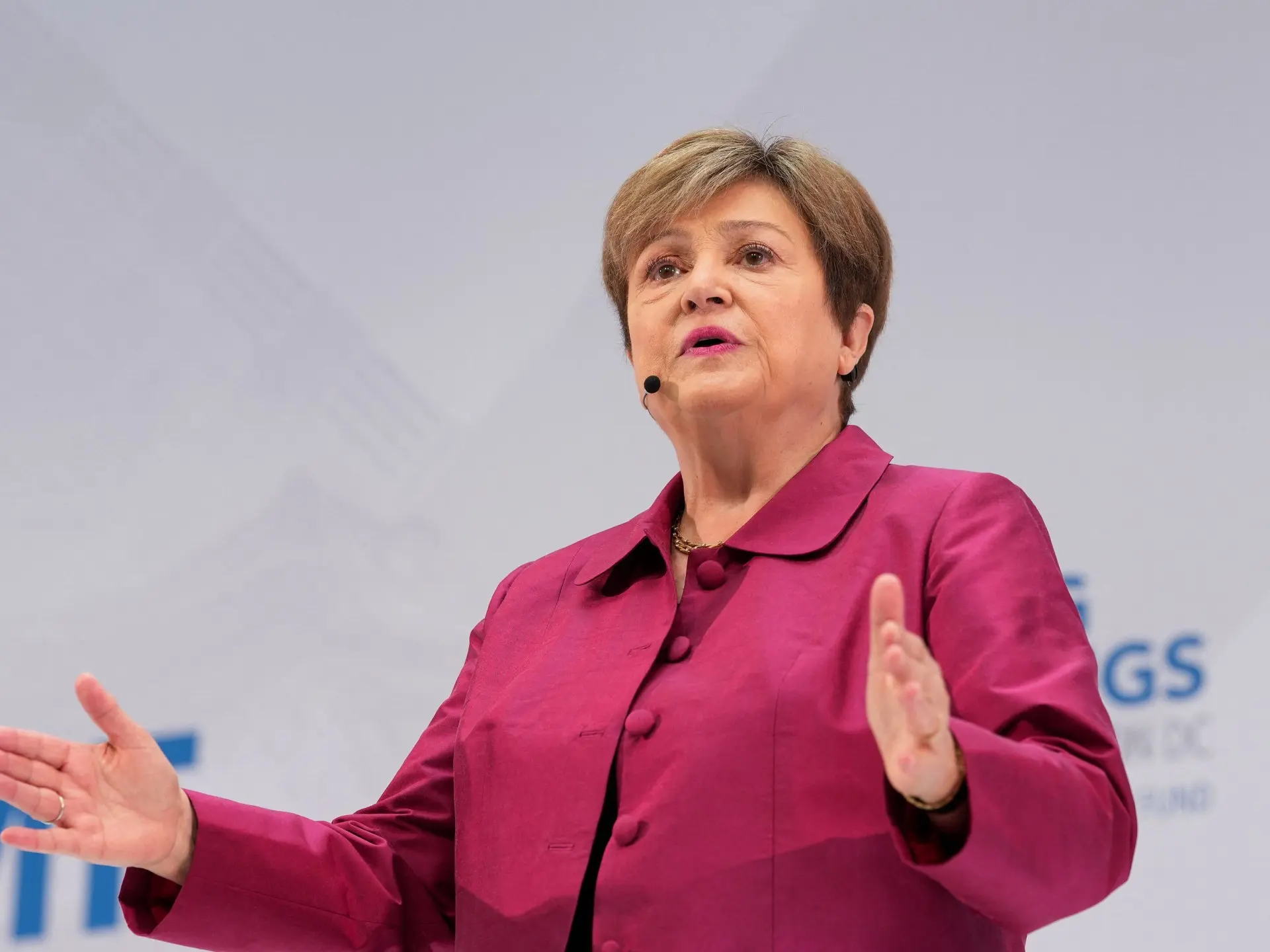
IMF, 미국-이스라엘의 이란 전쟁으로 인한 인플레이션 위기 경고
IMF warns of looming inflation crisis on back of US-Israel war on Iran
Al Jazeera
AR
2026-04-10 02:23
Translated
분쟁으로 유가와 천연가스 가격이 상승했으며, 정유소 및 기타 에너지 인프라가 손상되었다.
국제통화기금(IMF)은 미국-이스라엘의 이란 전쟁으로 세계 경제 전망이 어두워지면서 취약한 휴전이 유지되는지 여부와 관계없이 잠재적 인플레이션 위기 가능성을 경고했다.
IMF 총재 크리스탈리나 게오르기에바는 목요일 기금이 다음 주 세계 경제 전망을 하향 조정할 것이라고 말했다.
게오르기에바는 다음 주 IMF-세계은행 봄 회의 앞서 한 발언에서 "이러한 충격이 없었다면 우리는 글로벌 성장을 상향 조정했을 것"이라며 "하지만 이제 가장 낙관적인 시나리오에서도 성장 하향 조정을 포함하고 있다"고 말했다.
세계 경제는 지난해 도널드 트럼프 미국 대통령이 대부분의 국가로부터의 수입에 광범위한 관세를 부과하기로 결정한 상황을 잘 견뎌냈다. 1월에 191개 회원국으로 구성된 IMF는 글로벌 성장 전망을 3.3%로 상향 조정했으며 다음 화요일 새로운 전망이 발표될 때 다시 상향 조정할 준비가 되어 있었다.
하지만 2월 28일 시작된 전쟁이 모든 것을 바꿨다. 분쟁으로 인해 유가와 천연가스 가격이 상승했으며, 정유소, 유조선 터미널 및 기타 에너지 인프라가 손상되었고, 세계 농민들이 의존하는 비료 수송이 중단되었으며, 기업과 소비자의 신뢰가 훼손되었다.
게오르기에바는 회원국들이 방위비 지출이 세계 경제를 압박하는 상황에서 회복력을 구축하기 위해 "집을 정돈해야 한다"고 덧붙였다.
게오르기에바는 또한 IMF가 이번 연도 미국 의회로부터 인용 대출 자원을 50% 증가시키고 1조 달러의 대출 용량을 더 즉시 이용 가능하도록 하는 검토에 대한 승인을 받을 것으로 낙관하고 있다고 말했다. 미국은 IMF의 최대 주주이다.
그는 기금이 자원의 "큰 완충지" 를 보유하고 있지만 "미래가 무엇을 가져올지 모르기 때문에" 금융 안심을 제공하기 위해 인용 증가를 최종화해야 한다고 말했다.
게오르기에바의 발언은 IMF가 세계 경제에 대한 전쟁의 경제적 영향을 설명하는 새로운 보고서를 발표한 하루 후에 나왔다.
IMF는 보고서에서 "평균적으로 전투가 일어나는 국가의 산출은 초기에 약 3% 감소하며 계속 감소하여 5년 내 누적 손실이 대략 7%에 도달한다"고 말했다.
하지만 보고서는 경제 전망 측면에서 적어도 전쟁 지출 증가와 관련해서는 미국 경제가 타격을 받지 않을 수 있음을 시사했다.
"외부 분쟁에 참여하는 국가들은 자국 영토에 물리적 파괴가 없기 때문에 부분적으로는 큰 경제적 손실을 피할 수 있다"고 했다.
게오르기에바는 "중앙은행은 인플레이션이 통제 불능으로 빠지도록 할 수 없다"고 덧붙였다.
이러한 발언은 4월 28~29일 미국 금리를 결정할 미국 연방준비제도(Fed)의 2일간 정책회의 앞서 나왔으며, 트럼프 대통령이 국내 금리 인하를 강력히 요구하는 정치적 압박이 있는 상황이다.
다만 미국의 무역 및 이민 정책 변화로 인한 일자리 시장의 침체 속에서 나온 발언이다.
멕시코 중앙은행을 포함한 다른 중앙은행들은 목요일 중동 분쟁으로 인해 라틴아메리카 두 번째 최대 경제국인 멕시코의 인플레이션이 오를 위험이 있다고 밝혔다.
IMF 총재 크리스탈리나 게오르기에바는 목요일 기금이 다음 주 세계 경제 전망을 하향 조정할 것이라고 말했다.
게오르기에바는 다음 주 IMF-세계은행 봄 회의 앞서 한 발언에서 "이러한 충격이 없었다면 우리는 글로벌 성장을 상향 조정했을 것"이라며 "하지만 이제 가장 낙관적인 시나리오에서도 성장 하향 조정을 포함하고 있다"고 말했다.
세계 경제는 지난해 도널드 트럼프 미국 대통령이 대부분의 국가로부터의 수입에 광범위한 관세를 부과하기로 결정한 상황을 잘 견뎌냈다. 1월에 191개 회원국으로 구성된 IMF는 글로벌 성장 전망을 3.3%로 상향 조정했으며 다음 화요일 새로운 전망이 발표될 때 다시 상향 조정할 준비가 되어 있었다.
하지만 2월 28일 시작된 전쟁이 모든 것을 바꿨다. 분쟁으로 인해 유가와 천연가스 가격이 상승했으며, 정유소, 유조선 터미널 및 기타 에너지 인프라가 손상되었고, 세계 농민들이 의존하는 비료 수송이 중단되었으며, 기업과 소비자의 신뢰가 훼손되었다.
게오르기에바는 회원국들이 방위비 지출이 세계 경제를 압박하는 상황에서 회복력을 구축하기 위해 "집을 정돈해야 한다"고 덧붙였다.
게오르기에바는 또한 IMF가 이번 연도 미국 의회로부터 인용 대출 자원을 50% 증가시키고 1조 달러의 대출 용량을 더 즉시 이용 가능하도록 하는 검토에 대한 승인을 받을 것으로 낙관하고 있다고 말했다. 미국은 IMF의 최대 주주이다.
그는 기금이 자원의 "큰 완충지" 를 보유하고 있지만 "미래가 무엇을 가져올지 모르기 때문에" 금융 안심을 제공하기 위해 인용 증가를 최종화해야 한다고 말했다.
게오르기에바의 발언은 IMF가 세계 경제에 대한 전쟁의 경제적 영향을 설명하는 새로운 보고서를 발표한 하루 후에 나왔다.
IMF는 보고서에서 "평균적으로 전투가 일어나는 국가의 산출은 초기에 약 3% 감소하며 계속 감소하여 5년 내 누적 손실이 대략 7%에 도달한다"고 말했다.
하지만 보고서는 경제 전망 측면에서 적어도 전쟁 지출 증가와 관련해서는 미국 경제가 타격을 받지 않을 수 있음을 시사했다.
"외부 분쟁에 참여하는 국가들은 자국 영토에 물리적 파괴가 없기 때문에 부분적으로는 큰 경제적 손실을 피할 수 있다"고 했다.
게오르기에바는 "중앙은행은 인플레이션이 통제 불능으로 빠지도록 할 수 없다"고 덧붙였다.
이러한 발언은 4월 28~29일 미국 금리를 결정할 미국 연방준비제도(Fed)의 2일간 정책회의 앞서 나왔으며, 트럼프 대통령이 국내 금리 인하를 강력히 요구하는 정치적 압박이 있는 상황이다.
다만 미국의 무역 및 이민 정책 변화로 인한 일자리 시장의 침체 속에서 나온 발언이다.
멕시코 중앙은행을 포함한 다른 중앙은행들은 목요일 중동 분쟁으로 인해 라틴아메리카 두 번째 최대 경제국인 멕시코의 인플레이션이 오를 위험이 있다고 밝혔다.
The conflict has driven up prices of oil, natural gas, damaged refineries and other energy infrastructure.
The International Monetary Fund has warned of a potential inflationary crisis with the US-Israel war on Iran darkening the economic outlook, whether or not the fragile ceasefire holds.IMF Managing Director Kristalina Georgieva said on Thursday that the fund will downgrade its forecast for the world economy next week.
“Had it not been for this shock, we would have been upgrading global growth,” Georgieva said in remarks before next week’s IMF-World Bank Spring Meetings. “But now, even our most hopeful scenario involves a growth downgrade.”
The world economy had proven resilient in the face of United States President Donald Trump’s decision to impose sweeping taxes last year on imports from most the world’s countries. In January, the 191-country IMF had upgraded the global growth outlook to 3.3 percent and was poised to do so again when its new forecasts came out next Tuesday.
But the war, which began on February 28, changed everything. The conflict has driven up the price of oil and natural gas; damaged oil refineries, tanker terminals and other energy infrastructure; disrupted shipments of fertiliser that the world’s farmers depend on; and damaged the confidence of businesses and consumers.
Georgieva added that member countries need to “get your house in order” to build resilience as defence spending weighs on the global economy.
Georgieva also said she is optimistic the IMF will win approval from the US Congress this year for a review that would increase quota lending resources by 50 percent, making more of its $1 trillion in lending capacity immediately available. The US is the IMF’s largest shareholder.
She said the Fund has a “big cushion” of resources but needs the quota increase finalised to provide financial reassurance “because we don’t know what the future may bring”.
Georgieva’s comments come a day after the IMF released a new report outlining the economic impact of war on the global economy.
“On average, output in countries where fighting takes place falls by about 3 percent at the onset and continues falling for years, reaching cumulative losses of roughly 7 percent within five years,” the IMF said in its report.
But the report suggested that, as far as the economic outlook, the US economy may not take a hit, at least when it comes to increased war spending.
“Countries engaged in foreign conflicts may avoid large economic losses — partly because there is no physical destruction on their own soil,” it said.
“The central bank cannot afford to let inflation spiral out of control,” Georgieva added.
The comments come before the US Federal Reserve’s two-day policy meeting that will decide US interest rates on April 28–29, and against the backdrop of political pressure from Trump to lower interest rates stateside.
However, it comes amid a stalling job market driven by shifts in trade and immigration policy in the US.
Other central banks, including the Bank of Mexico, said on Thursday that conflict in the Middle East risked pushing up inflation in Latin America’s second-largest economy.