러닝화 교체 시점을 알아보는 방법
How to tell if your running shoes are on their last legs
Sydney Morning Herald
· 🇦🇺 Sydney, AU
Allessandra DiCorato
EN
2026-04-13 04:00
Translated
러닝화가 얼마나 빨리 닳는지 알기는 어려울 수 있습니다. 이것이 교체해야 할 때입니다.
한 번 마음에 드는 러닝화를 찾으면 헤어지기가 어렵습니다. 러닝화는 약 500~800km를 뛴 후 교체해야 한다는 경험칙이 자주 인용됩니다. 하지만 꾸준히 달리는 사람에게 그렇게 자주 새 신발을 사는 것은 비용이 꽤 들 수 있습니다. 그리고 연구자들은 마모된 신발에서 뛰는 것이 어떻게 부상에 기여할 수 있는지 아직 완전히 이해하지 못하고 있는데, 부분적으로는 일부 실험실 기반 테스트가 일상 생활에서 발에 신발이 어떻게 작동하는지 잘 재현하지 못하기 때문입니다.
인디애나 대학 블루밍턴 캠퍼스 운동학 부교수인 앨리슨 그루버는 연구가 모든 사람에게 부상으로 이어지는 특정 마일리지 수를 가리키지는 않는다고 말합니다. 하지만 그녀는 덧붙여, 대부분의 러닝 생체역학 전문가들은 "신발을 교체해야 할 시점이 있으며, 불편해지기 전에 그렇게 하고 싶다는 데 동의할 것"이라고 말합니다.
우리는 전문가들에게 러닝화가 얼마나 빨리 닳는지 결정하는 요인이 무엇인지, 그리고 교체 시기를 어떻게 알 수 있는지 물었습니다.
스폴딩 국립 러닝 센터의 스포츠 의학 의사이자 러닝 의학 디렉터인 애덤 텐포드 박사는 신발의 나이, 체중, 달리는 표면, 심지어 달리기 환경의 습도와 온도까지 포함한 많은 요인이 신발 마모 방식을 바꿀 수 있다고 말합니다. 헬스장이나 심부름을 위해 러닝화를 사용하는 것도 더 빨리 닳게 할 것입니다.
일부 신발은 다른 신발보다 더 빨리 마모됩니다. 오리건 주립 대학 캐스케이드 캠퍼스의 생체역학 연구원이자 조교수인 JJ 한니건은 경주용으로 설계된 현대의 "슈퍼 슈즈"가 성능에 좋지만 일반적으로 일반 트레이닝 신발의 폼보다 더 빨리 분해되는 경량 폼 두꺼운 층을 포함하고 있다고 말합니다.
낡은 신발이 편안하다고 해도 그것을 은퇴시키는 데는 여전히 이점이 있을 수 있습니다. 일부 연구는 마모가 신발의 쿠셔닝을 감소시키고 발에 더 많은 압력을 가하며, 일부 과학자들은 이것이 부상 위험을 증가시킬 수 있다고 생각합니다.
한 연구는 참가자들이 새 신발에서와 약 320km 후에 어떻게 달리는지 분석했으며, 후속 테스트에서 러너들의 움직임에 작은 변화가 있음을 발견했습니다. 전문가들이 그러한 변화가 직접적으로 중대한 부상을 유발하기에 충분한지는 모르지만, 그루버는 그것들이 달리기를 덜 편안하게 만들고 나중에 부상으로 이어질 수 있는 방식으로 보폭을 조정하게 만들 수 있다고 말합니다.
눈에 보이는 마모는 새 신발이 필요하다는 명백한 징후일 수 있습니다. 신발의 갑피와 밑창 사이의 폼 층이 더 주름지고 압축되어 보일 수 있습니다. 특히 트레일 러닝용으로 설계된 신발에서 마찰력을 제공하는 신발 부분의 마모도 볼 수 있다고 한니건은 말합니다.
달릴 때 발이 안쪽이나 바깥쪽으로 굴러가는지에 따라 신발 밑창이 비대칭적으로 마모될 수 있습니다. 그리고 발이 넓은 경우 발가락이 신발 갑피를 뚫고 나오기 시작할 수 있습니다.
많은 경험 많은 러너들은 신발이 교체가 필요할 때 느낄 수 있다고 말합니다. 뉴욕시의 러너이자 코치이며 물리치료사인 브랜든 마틴은 신발이 약간 "죽은" 느낌이 들거나 덜 탄탄하고 편안해지기 시작할 때 알아차린다고 말합니다.
신발을 500~800km마다 교체하라는 표준 조언은 좋은 일반적인 지침이 될 수 있다고 텐포드는 말합니다. (Strava나 Nike Run Club 같은 러닝 앱이 추적하는 데 도움이 될 수 있습니다.) 하지만 신발이 여전히 쿠션이 있는 느낌이 들고, 눈에 보이는 마모가 없으며, 통증을 경험하지 않는다면 아마도 조금 더 사용할 수 있습니다.
하지만 당신의 인식이 완벽하지 않을 수 있다는 것을 기억하라고 한니건은 말합니다.
이를 극복하기 위해, 같은 신발의 새 것을 신어보고 얼마나 다른 느낌인지 확인하거나, 신발을 새 것일 때 사진과 비교해 볼 수 있습니다. 여전히 확실하지 않다면, 마틴은 물리치료사나 러닝 전문 매장 직원이 시간이 지남에 따라 신발에서 발생하는 미묘한 변화를 감지하는 데 도움을 줄 수 있으며, 이는 당신에게 몰래 다가올 수 있다고 말합니다.
"마치 머리카락과 같아요," 그는 말합니다. "매일 거울로 보니, 누군가 머리를 잘라야 한다고 지적하기 전까지 길고 지저분해졌다는 것을 깨닫지 못하는 거죠."
Live Well과 함께 건강, 관계, 피트니스, 영양을 최대한 활용하세요
저장된 항목의 최대 개수에 도달했습니다.
더 추가하려면 저장 목록에서 항목을 제거하세요.
인디애나 대학 블루밍턴 캠퍼스 운동학 부교수인 앨리슨 그루버는 연구가 모든 사람에게 부상으로 이어지는 특정 마일리지 수를 가리키지는 않는다고 말합니다. 하지만 그녀는 덧붙여, 대부분의 러닝 생체역학 전문가들은 "신발을 교체해야 할 시점이 있으며, 불편해지기 전에 그렇게 하고 싶다는 데 동의할 것"이라고 말합니다.
우리는 전문가들에게 러닝화가 얼마나 빨리 닳는지 결정하는 요인이 무엇인지, 그리고 교체 시기를 어떻게 알 수 있는지 물었습니다.
스폴딩 국립 러닝 센터의 스포츠 의학 의사이자 러닝 의학 디렉터인 애덤 텐포드 박사는 신발의 나이, 체중, 달리는 표면, 심지어 달리기 환경의 습도와 온도까지 포함한 많은 요인이 신발 마모 방식을 바꿀 수 있다고 말합니다. 헬스장이나 심부름을 위해 러닝화를 사용하는 것도 더 빨리 닳게 할 것입니다.
일부 신발은 다른 신발보다 더 빨리 마모됩니다. 오리건 주립 대학 캐스케이드 캠퍼스의 생체역학 연구원이자 조교수인 JJ 한니건은 경주용으로 설계된 현대의 "슈퍼 슈즈"가 성능에 좋지만 일반적으로 일반 트레이닝 신발의 폼보다 더 빨리 분해되는 경량 폼 두꺼운 층을 포함하고 있다고 말합니다.
낡은 신발이 편안하다고 해도 그것을 은퇴시키는 데는 여전히 이점이 있을 수 있습니다. 일부 연구는 마모가 신발의 쿠셔닝을 감소시키고 발에 더 많은 압력을 가하며, 일부 과학자들은 이것이 부상 위험을 증가시킬 수 있다고 생각합니다.
한 연구는 참가자들이 새 신발에서와 약 320km 후에 어떻게 달리는지 분석했으며, 후속 테스트에서 러너들의 움직임에 작은 변화가 있음을 발견했습니다. 전문가들이 그러한 변화가 직접적으로 중대한 부상을 유발하기에 충분한지는 모르지만, 그루버는 그것들이 달리기를 덜 편안하게 만들고 나중에 부상으로 이어질 수 있는 방식으로 보폭을 조정하게 만들 수 있다고 말합니다.
눈에 보이는 마모는 새 신발이 필요하다는 명백한 징후일 수 있습니다. 신발의 갑피와 밑창 사이의 폼 층이 더 주름지고 압축되어 보일 수 있습니다. 특히 트레일 러닝용으로 설계된 신발에서 마찰력을 제공하는 신발 부분의 마모도 볼 수 있다고 한니건은 말합니다.
달릴 때 발이 안쪽이나 바깥쪽으로 굴러가는지에 따라 신발 밑창이 비대칭적으로 마모될 수 있습니다. 그리고 발이 넓은 경우 발가락이 신발 갑피를 뚫고 나오기 시작할 수 있습니다.
많은 경험 많은 러너들은 신발이 교체가 필요할 때 느낄 수 있다고 말합니다. 뉴욕시의 러너이자 코치이며 물리치료사인 브랜든 마틴은 신발이 약간 "죽은" 느낌이 들거나 덜 탄탄하고 편안해지기 시작할 때 알아차린다고 말합니다.
신발을 500~800km마다 교체하라는 표준 조언은 좋은 일반적인 지침이 될 수 있다고 텐포드는 말합니다. (Strava나 Nike Run Club 같은 러닝 앱이 추적하는 데 도움이 될 수 있습니다.) 하지만 신발이 여전히 쿠션이 있는 느낌이 들고, 눈에 보이는 마모가 없으며, 통증을 경험하지 않는다면 아마도 조금 더 사용할 수 있습니다.
하지만 당신의 인식이 완벽하지 않을 수 있다는 것을 기억하라고 한니건은 말합니다.
이를 극복하기 위해, 같은 신발의 새 것을 신어보고 얼마나 다른 느낌인지 확인하거나, 신발을 새 것일 때 사진과 비교해 볼 수 있습니다. 여전히 확실하지 않다면, 마틴은 물리치료사나 러닝 전문 매장 직원이 시간이 지남에 따라 신발에서 발생하는 미묘한 변화를 감지하는 데 도움을 줄 수 있으며, 이는 당신에게 몰래 다가올 수 있다고 말합니다.
"마치 머리카락과 같아요," 그는 말합니다. "매일 거울로 보니, 누군가 머리를 잘라야 한다고 지적하기 전까지 길고 지저분해졌다는 것을 깨닫지 못하는 거죠."
Live Well과 함께 건강, 관계, 피트니스, 영양을 최대한 활용하세요
저장된 항목의 최대 개수에 도달했습니다.
더 추가하려면 저장 목록에서 항목을 제거하세요.
처리 완료
3,264 tokens · $0.0066
기사 수집 완료 · 04:05
매체 피드에서 기사 메타데이터 수집
헤드라인 번역 완료 · 04:17
제목/요약 한국어 번역 (fetch 시점 inline)
kimi-k2.5
139 tokens
$0.00023
2.6s
본문 추출 완료
4,395자 추출 완료
본문 한국어 번역 완료 · 04:17
2,164자 번역 완료
kimi-k2.5
3,125 tokens
$0.00637
41.4s
지정학적 엔티티 추출 완료 · 04:17
3개 엔티티 추출 완료
지정학적 맥락 & R-Scanner
R-Scanner · 평상
z=-1.92
일상적인 보도 수준 — 기준: Indiana University, Bloomington
(🇺🇸 US)
최근 6시간 0건
7일 평균 4.5건 / 6h
0개국 매체
0개 매체
본문에서 추출된 지명 (3)
위치 지도
지도 로딩 중…
It can be tricky to know how quickly your running shoes wear out. This is when you should replace them.
Once you find the right pair of running shoes, it can be hard to part with them. It’s a frequently cited rule of thumb that you should replace your running shoes after you’ve run about 500 to 800 kilometres in them. But buying a new pair that often can add up quickly for consistent runners. And researchers still don’t fully understand how running in worn-out shoes may contribute to injuries, in part because some lab-based tests don’t do a great job of replicating how shoes perform on feet in everyday life.Research doesn’t point to a single number of miles that leads to injury for everyone, says Allison Gruber, an associate professor of kinesiology at Indiana University, Bloomington. But, she adds, most experts in running biomechanics would agree “that there is a point where you need to change your shoes, and you want to do that before you’re uncomfortable”.
We asked experts about what determines how quickly your running shoes wear out, and how to know when it’s time to replace them.
Many factors can change how your shoes wear, including how old they are, your body weight, the surfaces you run on, and even the humidity and temperature of your running environment, says Dr Adam Tenforde, a sports medicine physician and the director of running medicine for the Spaulding National Running Centre. Using your running shoes for trips to the gym or for errands will also wear them out more quickly.
Some shoes degrade more quickly than others. Modern “super shoes,” designed for racing, contain a thick layer of lightweight foam that is good for performance but typically breaks down more quickly than the foams in a regular training shoe, says JJ Hannigan, a biomechanics researcher and assistant professor at Oregon State University, Cascades.
Even if you find your old shoes comfortable, there can still be advantages to retiring them. Some research suggests that wear decreases cushioning in shoes and puts more pressure on your feet, which some scientists think could increase your risk of injury.
One study analysed how participants ran in shoes when they were new and after about 320 kilometres, and found small changes in how the runners moved during the later test. While experts don’t know whether those changes are enough to directly cause significant injury, Gruber says, they could make running less comfortable and cause you to adjust your stride in a way that might lead to injury down the line.
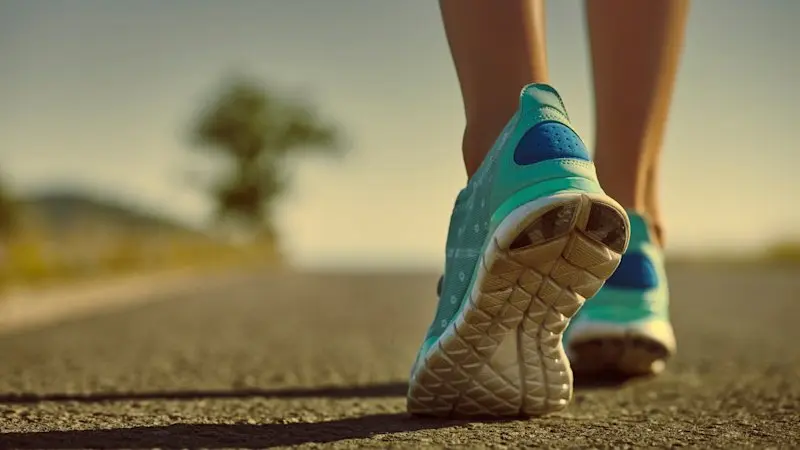
Visible wear and tear can be an obvious indication that you need a new pair of shoes. You might notice that the foam layer between the upper and the bottom parts of the shoe appears more wrinkled and compressed. You may also see wear on the areas of the shoe that provide traction, particularly in footwear designed for trail running, Hannigan says.
Depending on whether your feet roll inward or outward when you run, the bottom of your shoes can break down asymmetrically. And if you have wide feet, your toes might start to poke through the upper part of your shoe.
Many experienced runners also say they can feel when their shoes need replacing. Brendan Martin, a runner, coach and physical therapist in New York City, says he notices when his shoes start to feel a little “dead,” or less bouncy and comfortable.
The standard advice to replace shoes every 500 to 800 kilometres can be a good general guideline, Tenforde says. (Running apps like Strava or Nike Run Club can help you keep track.) But if your shoes still feel cushioned, you don’t notice visible wear and you aren’t experiencing any pain, you can most likely use them a little longer.
But remember that your perception can be imperfect, Hannigan says.
To help combat that, you can try on a fresh pair of the same shoes and see how different they feel, or compare your shoes with photos of when they were new. If you’re still not sure, Martin says, a physical therapist or staff member at a running specialty store can help you detect subtle changes that develop in your shoes over time, which can sneak up on you.
“It’s like your hair,” he says. “You see it in the mirror every day, so you don’t realise that it’s gotten kind of long and straggly until someone else points out that you need a haircut.”
Make the most of your health, relationships, fitness and nutrition with our Live Well
You have reached your maximum number of saved items.
Remove items from your saved list to add more.