인쇄술 발명 이전 중국에서 신문이 스캔들을 보도하기 전에 소문이 어떻게 퍼졌는가
How gossip spread in ancient China before advent of printing when newspapers reported on scandals
South China Morning Post
Zoey Zhang
EN
2026-04-11 10:00
Translated
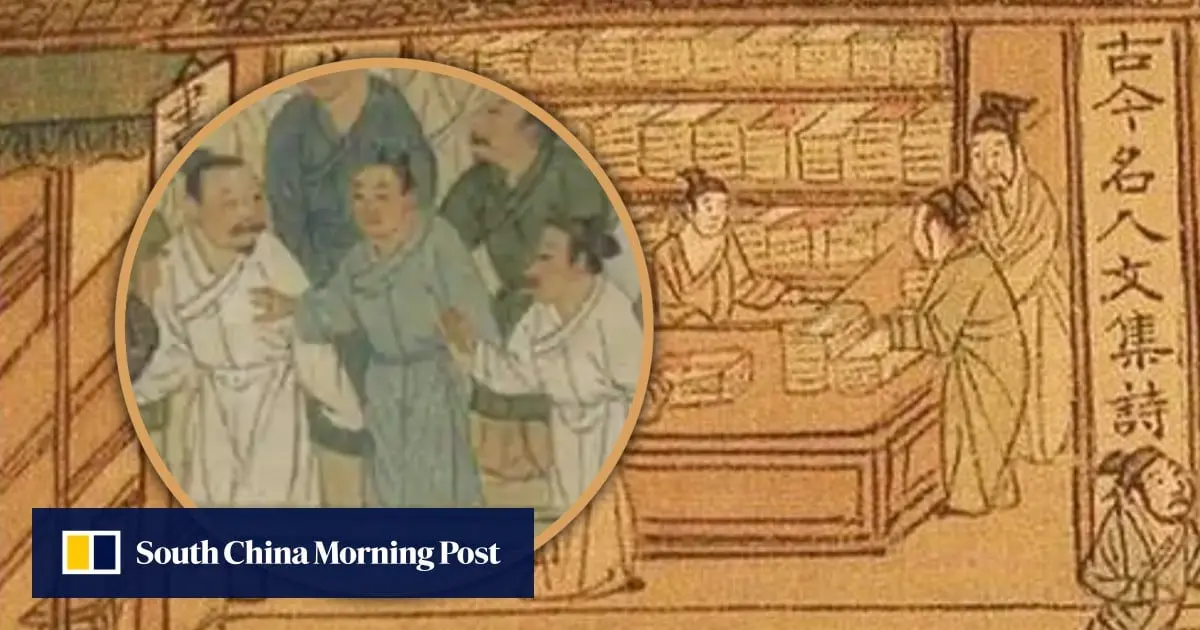
소셜 미디어와 카메라 렌즈가 나타나기 훨씬 전, 고대 중국에는 잉크, 종이, 날카로운 혀를 휘두르며 권력자들의 삶을 뒤흔드는 자신들의 "파파라치"가 있었다.
그 시대에 소문은 단순한 잡담 이상의 것이었다; 그것은 찻집, 역참, 거리 신문, 관료 체계를 연결하는 비공식적 정보 네트워크를 형성했다.
동한 시대(25-220년)에 황제 조정은 관리의 행동을 감시하는 임무를 맡은 감찰부를 설립했다.
그 감찰관들은 다음을 초래할 수 있는 비위 행위를 감시했다...
찻집의 몰래 도청꾼부터 왕실 궁전의 '내부 정보원'까지, 스캔들 상인들은 간통과 이혼 이야기를 팔았다.
소셜 미디어와 카메라 렌즈가 나타나기 훨씬 전, 고대 중국에는 잉크, 종이, 날카로운 혀를 휘두르며 권력자들의 삶을 뒤흔드는 자신들의 "파파라치"가 있었다.
그 시대에 소문은 단순한 잡담 이상의 것이었다; 그것은 찻집, 역참, 거리 신문, 관료 체계를 연결하는 비공식적 정보 네트워크를 형성했다.
동한 시대(25-220년)에 황제 조정은 관리의 행동을 감시하는 임무를 맡은 감찰부를 설립했다.
그 감찰관들은 간통, 직무 태만, 탈세, 부패를 포함하여 황제의 정밀 조사를 받을 수 있는 비위 행위를 감시했다.
당나라 시대(618-907년)에 이르러 이 기관은 정보 기관과 유사해 보였으며, 좌우 부서로 나뉘어 있다고 보고되었다.
좌측은 수도의 관리 및 군사 문제를 추적했으며, 우측은 지역의 기이한 이야기를 포함한 지방의 보고서를 수집했다.
소셜 미디어와 카메라 렌즈가 나타나기 훨씬 전, 고대 중국에는 잉크, 종이, 날카로운 혀를 휘두르며 권력자들의 삶을 뒤흔드는 자신들의 "파파라치"가 있었다.
그 시대에 소문은 단순한 잡담 이상의 것이었다; 그것은 찻집, 역참, 거리 신문, 관료 체계를 연결하는 비공식적 정보 네트워크를 형성했다.
동한 시대(25-220년)에 황제 조정은 관리의 행동을 감시하는 임무를 맡은 감찰부를 설립했다.
그 감찰관들은 간통, 직무 태만, 탈세, 부패를 포함하여 황제의 정밀 조사를 받을 수 있는 비위 행위를 감시했다.
당나라 시대(618-907년)에 이르러 이 기관은 정보 기관과 유사해 보였으며, 좌우 부서로 나뉘어 있다고 보고되었다.
좌측은 수도의 관리 및 군사 문제를 추적했으며, 우측은 지역의 기이한 이야기를 포함한 지방의 보고서를 수집했다.
Long before social media and camera lenses, ancient China had its own “paparazzi” who wielded ink, paper and a sharp tongue to unsettle the lives of the powerful. In those days, gossip was more than idle chatter; it formed an informal information network linking teahouses, stage stations, street tabloids and officialdom. During the Eastern Han dynasty (25–220), the imperial court established the Censorate, a body charged with monitoring official conduct. Its censors watched for misconduct that...
From eavesdroppers in teahouses to ‘inner informants’ in royal palaces, scandal merchants peddled stories of adultery and divorceLong before social media and camera lenses, ancient China had its own “paparazzi” who wielded ink, paper and a sharp tongue to unsettle the lives of the powerful.
In those days, gossip was more than idle chatter; it formed an informal information network linking teahouses, stage stations, street tabloids and officialdom.
During the Eastern Han dynasty (25–220), the imperial court established the Censorate, a body charged with monitoring official conduct.
Its censors watched for misconduct that might attract imperial scrutiny, including adultery, dereliction of duty, tax evasion and corruption.
By the Tang dynasty (618–907), the institution resembled an intelligence agency, reportedly divided into Left and Right bureaus.
The Left tracked officials and military affairs in the capital, while the Right gathered reports from the provinces, including local quirky stories.