NASA의 Artemis II 태평양 착수 관찰 방법 및 시기
How and When to Watch NASA’s Artemis II Splash Down in Pacific Ocean
The New York Times
Ashley Ahn
EN
2026-04-10 21:00
Translated
Artemis II와 Orion 캡슐 착수에 대해 알아야 할 사항입니다.
역사상 누구보다 우주 깊은 곳으로 벤처를 펼친 후, NASA의 Artemis II에 탄 네 명의 우주비행사들이 금요일 샌디에이고 인근 태평양에 착수할 예정입니다.
Orion 우주선은 NASA의 Reid Wiseman, Victor Glover, Christina Koch와 캐나다 우주국의 Jeremy Hansen을 10일간의 달 뒷면 여행 후 집으로 돌려보낼 것입니다.
착수는 50년 이상 만에 처음으로 심우주에 진입한 유인 미션을 종료합니다. 이는 향후 우주 탐사와 새로운 달 착륙을 향한 중요한 단계입니다.
Artemis II와 그 착수에 대해 알아야 할 사항은 다음과 같습니다.
승무원은 동부 표준시 오후 8시 7분경 태평양에 착수할 예정입니다.
NASA는 금요일 오후 6시 30분부터 우주선의 지구 귀환 영상을 스트리밍할 것입니다. NASA의 YouTube 및 X 계정, NASA 웹사이트 및 스마트 TV 앱에서 시청할 수 있습니다. New York Times 웹사이트에서도 시청할 수 있습니다.
NASA의 AROW 웹사이트에서 Orion 캡슐의 속도와 지구로부터의 거리를 추적할 수 있습니다. 캡슐의 시각화를 보여줍니다.
NASA 대변인 Rachel Kraft에 따르면, 우주선은 샌디에이고 근처 해안에 있는 사람들에게 지구 대기를 통과하면서 보일 가능성이 낮습니다. 그것은 태평양 위의 남서쪽에서 진입하고 낮 시간에 진입하기 때문입니다.
네 명의 우주비행사를 태운 물방울 모양의 승무원 모듈은 오후 7시 33분에 우주선에 전력을 공급하고 추진하는 서비스 모듈에서 분리될 예정입니다. 이는 승무원이 지구 대기 재진입을 준비하고 있음을 나타냅니다.
분리는 승무원 모듈의 열 방패를 노출시킬 것이며, 이는 Orion을 지구 대기를 통과할 때의 극심한 온도로부터 보호하도록 설계되었습니다.
우주선의 속도는 대기에 진입할 때 시간당 거의 24,000마일이 될 것입니다. 그러면 낙하산을 사용하여 시속 약 335마일, 그 다음 시속 20마일 이하로 속도를 낮출 것입니다. 그 후 태평양에 착수할 것입니다.
착수 후, NASA와 미국 해군의 복구 팀은 Orion 캡슐을 안정화한 후 승무원이 미국해군 함정 John P. Murtha로 옮겨질 헬리콥터에 탑승할 수 있도록 도와줄 것입니다. 승무원은 해안으로 돌아가기 전에 함선에서 의료 평가를 받을 것입니다. 결국 그들은 휴스턴의 NASA Johnson Space Center로 날아갈 것입니다.
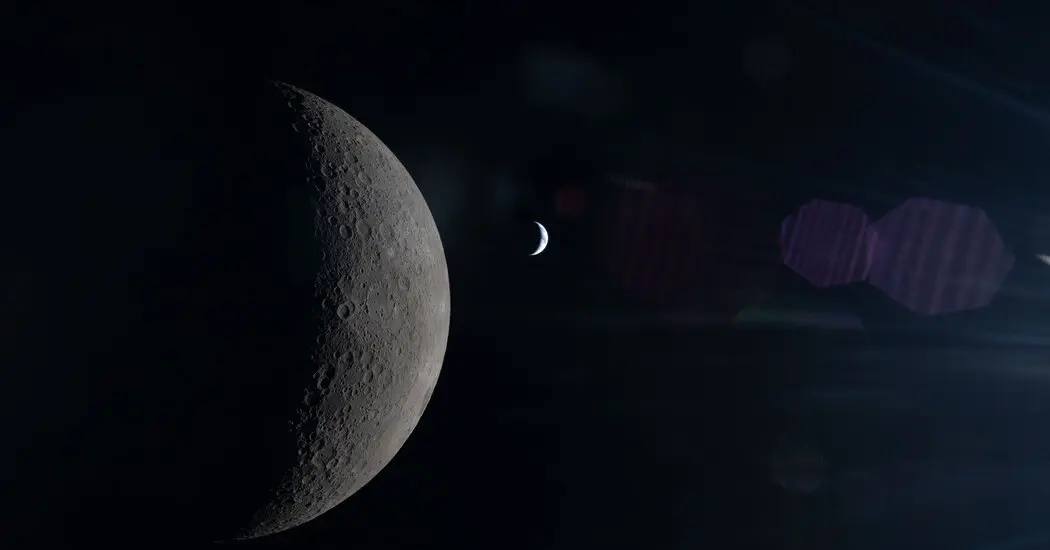
거대한 주황색과 흰색 로켓인 Space Launch System은 승무원과 그들의 Orion 캡슐을 4월 1일 플로리다에서 우주로 발사했습니다. 월요일에 승무원은 달의 뒷면 주위를 돌았고 인간의 눈으로 본 적이 없는 월면의 일부를 관찰했습니다.
승무원은 향후 달 미션을 위해 연구될 분화구, 부드러운 평지 및 기타 월면 특징의 이미지를 캡처했습니다. 그들은 우주선의 이름을 따서 Integrity라고 부르는 분화구를 명명했고, 또 다른 분화구는 Wiseman의 고인이 된 아내 Carroll Wiseman을 따서 명명했습니다. 달 주위로 돌아온 후 그들은 53분간의 일식을 목격했습니다.
이 미션은 또한 승무원이 우주에서 새로운 기술과 장비를 테스트할 수 있는 기회였습니다.
미션 초기에 승무원은 향후 비행을 위한 도킹 기동을 실행하는 Orion의 능력을 테스트했습니다. 우주비행사들은 캡슐이 응급 상황에서 감압되는 경우 최대 6일 동안 호흡을 돕기 위해 설계된 주황색 우주복의 새로운 기술도 테스트했습니다. 그들은 또한 심우주로 보낸 첫 번째 화장실의 결함을 해결해야 했습니다.
왕복 여행은 발사에서 착수까지 695,000마일 이상을 커버할 것으로 예상됩니다.
Ashley Ahn은 뉴욕에서 Times를 위해 속보를 다룹니다.
Orion 우주선은 NASA의 Reid Wiseman, Victor Glover, Christina Koch와 캐나다 우주국의 Jeremy Hansen을 10일간의 달 뒷면 여행 후 집으로 돌려보낼 것입니다.
착수는 50년 이상 만에 처음으로 심우주에 진입한 유인 미션을 종료합니다. 이는 향후 우주 탐사와 새로운 달 착륙을 향한 중요한 단계입니다.
Artemis II와 그 착수에 대해 알아야 할 사항은 다음과 같습니다.
승무원은 동부 표준시 오후 8시 7분경 태평양에 착수할 예정입니다.
NASA는 금요일 오후 6시 30분부터 우주선의 지구 귀환 영상을 스트리밍할 것입니다. NASA의 YouTube 및 X 계정, NASA 웹사이트 및 스마트 TV 앱에서 시청할 수 있습니다. New York Times 웹사이트에서도 시청할 수 있습니다.
NASA의 AROW 웹사이트에서 Orion 캡슐의 속도와 지구로부터의 거리를 추적할 수 있습니다. 캡슐의 시각화를 보여줍니다.
NASA 대변인 Rachel Kraft에 따르면, 우주선은 샌디에이고 근처 해안에 있는 사람들에게 지구 대기를 통과하면서 보일 가능성이 낮습니다. 그것은 태평양 위의 남서쪽에서 진입하고 낮 시간에 진입하기 때문입니다.
네 명의 우주비행사를 태운 물방울 모양의 승무원 모듈은 오후 7시 33분에 우주선에 전력을 공급하고 추진하는 서비스 모듈에서 분리될 예정입니다. 이는 승무원이 지구 대기 재진입을 준비하고 있음을 나타냅니다.
분리는 승무원 모듈의 열 방패를 노출시킬 것이며, 이는 Orion을 지구 대기를 통과할 때의 극심한 온도로부터 보호하도록 설계되었습니다.
우주선의 속도는 대기에 진입할 때 시간당 거의 24,000마일이 될 것입니다. 그러면 낙하산을 사용하여 시속 약 335마일, 그 다음 시속 20마일 이하로 속도를 낮출 것입니다. 그 후 태평양에 착수할 것입니다.
착수 후, NASA와 미국 해군의 복구 팀은 Orion 캡슐을 안정화한 후 승무원이 미국해군 함정 John P. Murtha로 옮겨질 헬리콥터에 탑승할 수 있도록 도와줄 것입니다. 승무원은 해안으로 돌아가기 전에 함선에서 의료 평가를 받을 것입니다. 결국 그들은 휴스턴의 NASA Johnson Space Center로 날아갈 것입니다.
거대한 주황색과 흰색 로켓인 Space Launch System은 승무원과 그들의 Orion 캡슐을 4월 1일 플로리다에서 우주로 발사했습니다. 월요일에 승무원은 달의 뒷면 주위를 돌았고 인간의 눈으로 본 적이 없는 월면의 일부를 관찰했습니다.
승무원은 향후 달 미션을 위해 연구될 분화구, 부드러운 평지 및 기타 월면 특징의 이미지를 캡처했습니다. 그들은 우주선의 이름을 따서 Integrity라고 부르는 분화구를 명명했고, 또 다른 분화구는 Wiseman의 고인이 된 아내 Carroll Wiseman을 따서 명명했습니다. 달 주위로 돌아온 후 그들은 53분간의 일식을 목격했습니다.
이 미션은 또한 승무원이 우주에서 새로운 기술과 장비를 테스트할 수 있는 기회였습니다.
미션 초기에 승무원은 향후 비행을 위한 도킹 기동을 실행하는 Orion의 능력을 테스트했습니다. 우주비행사들은 캡슐이 응급 상황에서 감압되는 경우 최대 6일 동안 호흡을 돕기 위해 설계된 주황색 우주복의 새로운 기술도 테스트했습니다. 그들은 또한 심우주로 보낸 첫 번째 화장실의 결함을 해결해야 했습니다.
왕복 여행은 발사에서 착수까지 695,000마일 이상을 커버할 것으로 예상됩니다.
Ashley Ahn은 뉴욕에서 Times를 위해 속보를 다룹니다.
Here’s what you need to know about Artemis II and the splashdown of the Orion capsule.
After venturing farther into space than anyone in history, four astronauts on NASA’s Artemis II are set to splash down in the Pacific Ocean off San Diego on Friday.The Orion spacecraft will bring Reid Wiseman, Victor Glover and Christina Koch of NASA and Jeremy Hansen of the Canadian Space Agency back home after 10 days and a trip around the far side of the moon.
The splashdown ends the first crewed mission into deep space in more than 50 years. It is a significant step toward further space exploration and a new lunar landing.
Here’s what you need to know about Artemis II and its splashdown.
The crew is scheduled to splash down in the Pacific Ocean at approximately 8:07 p.m. Eastern time.
NASA will stream video of the spacecraft’s return to Earth starting at 6:30 p.m. Friday. You can watch it on NASA’s YouTube and X accounts, as well as NASA’s website and smart TV apps. You can also watch it here on The New York Times’s website.
You can track the Orion capsule’s speed and distance from Earth on NASA’s AROW website. It shows a visualization of the capsule.
The spacecraft is not likely to be visible to those along the coast near San Diego as it falls through Earth’s atmosphere, said Rachel Kraft, a NASA spokeswoman. That’s because it will enter from the southwest over the Pacific Ocean and during daylight.
The teardrop-shaped crew module, which carries the four astronauts, is scheduled to separate from the service module, which powers and propels the spacecraft, at 7:33 p.m. This signals that the crew is preparing for re-entry into Earth’s atmosphere.
The separation will expose the crew module’s heat shield, which is designed to protect Orion from blistering temperatures as it races through Earth’s atmosphere.
The spacecraft’s speed will be nearly 24,000 miles per hour as it hits the atmosphere. It will then use parachutes to slow it to about 335 m.p.h., and then 20 m.p.h. or less. It will then splash down in the Pacific Ocean.
Following splashdown, recovery teams from NASA and the U.S. Navy will stabilize the Orion capsule and then help the crew board helicopters that will deliver them to the U.S.S. John P. Murtha. The crew will undergo medical evaluations on the ship before traveling back to shore. Eventually they will fly to NASA’s Johnson Space Center in Houston.
The Space Launch System, a massive orange-and-white rocket, launched the crew and their Orion capsule into space from Florida on April 1. On Monday, the crew went around the far side of the moon and observed parts of the lunar surface that had never been seen by human eyes.
The crew captured images of craters, smooth plains and other lunar features that will be studied for future moon missions. They named a crater after their spacecraft, which they call Integrity, and another after Mr. Wiseman’s late wife, Carroll Wiseman. After coming back around the moon, they witnessed a 53-minute solar eclipse.
The mission was also an opportunity for the crew to test new technology and equipment in space.
In the early hours of the mission, the crew tested Orion’s ability to execute docking maneuvers for future flights. The astronauts also tested new technology featured in their orange spacesuits designed to help them breathe for up to six days if the capsule depressurizes in emergency situations. They also had to troubleshoot glitches with the first toilet sent into deep space.
The round trip is expected to cover more than 695,000 miles from launch to splashdown.
Ashley Ahn covers breaking news for The Times from New York.