글로벌 야생동물 거래, 동물에서 인간으로의 질병 확산 촉진
Global Wildlife Trade Fuels Spread of Disease from Animals to People
The New York Times
· 🇺🇸 New York, US
Emily Anthes
EN
2026-04-14 18:02
Translated
살아있는 동물 시장과 불법 야생동물 판매가 특별한 위험을 초래하지만, 야생동물이나 동물 제품의 어떤 판매도 전파 위험을 내포한다는 새로운 연구 결과가 나왔다.
수천 종의 야생 포유류와 40년간의 국제 거래 기록을 분석한 새로운 연구에 따르면, 글로벌 야생동물 거래가 동물에서 인간으로의 질병 확산을 촉진하고 있다.
과학자들은 살아있는 동물과 동물 제품을 모두 포함하는 국제 야생동물 시장에서 판매된 종들이 거래되지 않은 종들보다 인간과 병원체를 공유할 가능성이 50% 더 높다는 사실을 발견했다. 또한 어떤 종이 글로벌 야생동물 거래에 참여한 기간이 길수록 더 많은 병원체를 공유했다.
연구자들은 결론적으로, 동물에서 인간으로 전파될 수 있는 질병인 인수공통감염병의 확산은 글로벌 야생동물 거래의 고유한 부분이라고 밝혔다. 그러나 살아있는 동물 시장과 불법 야생동물 거래는 이러한 위험을 증폭시키는 것으로 나타났으며, 이 연구는 지난주 과학 학술지 '사이언스'에 발표되었다.
"안전한 거래는 없다"고 스위스 프리부르 대학의 생태학자이자 논문 저자인 제롬 지페는 말했다. "우리가 종을 계속 거래하는 한, 이 문제에 노출될 것이다."
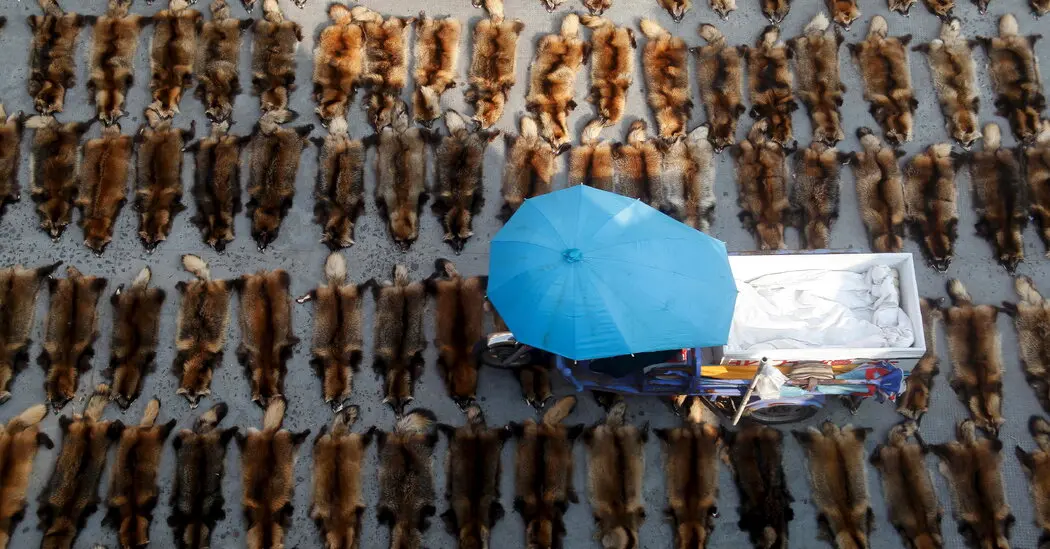
글로벌 야생동물 거래는 고기, 모피, 이국적인 애완동물, 실험용 동물 등의 판매를 포함하는 거대한 산업이다. 이는 에볼라, 엠폭스, 살모넬라 등 다양한 동물 병원체가 인간으로 뛰어드는 이른바 '스필오버' 과정의 기회를 제공하기도 한다.
수많은 인간 발병이 야생동물 거래와 연관되어 있으며, 코로나19를 일으키는 바이러스가 중국 우한의 살아있는 동물 시장에서 처음 인간으로 뛰어들었을 가능성에 대한 증거가 있다.
"우리는 많은 사례 연구를 가지고 있다"고 예일 대학의 지구 변화 생물학자이자 연구 저자인 콜린 칼슨은 말했다. "하지만 야생동물 거래가 실제로 무엇을 하고 있는지에 대한 증거 기반은 매우 부족하다."
이 연구에서 연구자들은 합법적인 동물 수입과 불법 거래 동물 압수에 대한 기록을 포함한 여러 대규모 글로벌 데이터베이스를 참고하여 글로벌 야생동물 거래에 포함된 야생 포유류 종을 파악했다. 그들은 최종적으로 지구 포유류 종의 약 4분의 1에 해당하는 2,000종 이상의 종을 확인했다.
그런 다음 과학자들은 동물 병원체와 이를 보유하는 종을 목록화한 데이터베이스를 참고했다. 그들은 야생동물 거래에 관련된 포유류 종의 41%가 인간에게 감염된 것으로 알려진 적어도 하나의 병원체를 보유하고 있다는 사실을 발견했다. 반면 거래되지 않은 종 중 인간과 병원체를 공유하는 종은 6%에 불과했다.
다른 종들이 얼마나 광범위하게 연구되었는지와 같은 잠재적으로 복잡한 요인들을 통제한 후, 과학자들은 거래된 종이 사고팔리지 않은 종들보다 인수공통감염병 병원체를 보유할 가능성이 1.5배 높다고 결론 내렸다.
일부 종에 대해 그들은 또한 1980년부터 2019년까지 거래가 기록된 총 연수를 계산했다. 어떤 종이 거래에 참여한 기간이 10년마다 인간과 하나의 추가 병원체를 공유했다.
어떤 경우에는 사람들이 야생동물에게 병원체를 전파할 수도 있다. (예를 들어 인간은 반복적으로 코로나19를 야생 사슴에게 전파해왔다.)
그러나 거래되는 종의 수와 그들이 보유한 병원체의 수를 고려할 때, 과학자들은 질병이 주로 동물에서 인간으로 퍼지고 있다고 의심한다. 많은 경우 이 동물들은 이미 인간을 감염시킬 수 있는 병원체를 보유하고 있었을 수 있다. 글로벌 야생동물 거래는 단지 그들에게 그럴 기회를 제공했을 뿐이다.
"거래되는 종이 많을수록 인간에게 병원체를 전파할 기회가 더 많아질 것이다"고 지페 박사는 말했다.
그러나 다른 경우에는, 칼슨 박사가 말하듯, 동물 병원체가 야생동물 거래 때문에 인간 건강 위협으로 진화할 수도 있다. 예를 들어 살아있는 동물 시장에서 병원체는 동물 종 간에 뛰어들며 새로운 숙주를 감염시키는 데 도움이 되는 방식으로 적응할 수 있다.
"당신이 얻는 것은 바이러스가 이 시장에서 진화하는 징검다리들이다"고 칼슨 박사는 말했다. "아마도 그들이 처음으로 인간에게 적응할 수 있게 되는 것이다."
실제로 연구자들은 또한 살아있는 시장에서 거래되는 종이 그렇지 않은 종보다 인간과 더 많은 병원체를 공유한다는 사실을 발견했다. 일부 증거는 불법 경로를 통해 거래되는 종, 즉 동물이 더 더러운 환경에서 살고 수의 검사를 전혀 받지 않을 수 있는 경우에도 마찬가지라는 것을 시사했다.
"이 연구의 저자들은 데이터를 통해 우리가 오랫동안 의심해왔던 것이 사실임을 입증했다. 즉, 야생동물에 대한 인간의 이용과 착취가 실제로 스필오버 위험을 증가시킨다는 것이다"고 새로운 연구에 참여하지 않은 하버드 로스쿨 동물법 및 정책 프로그램의 부국장인 앤 린더는 말했다. "온전한 생태계에 남겨진 야생동물은 인수공통감염병을 인간에게 퍼뜨릴 위험이 거의 없다."
그럼에도 불구하고 린더는 야생동물 판매에 대한 데이터가 notoriously 부족하고 불완전했음에도 불구하고 연구자들이 야생동물 거래와如此 강한 연관성을 입증할 수 있었다는 것이 놀랍다고 말했다.
"우리는 거래 자체의 규모와 범위에 대해 어떤 종류의 확신을 가지고 말할 수 없다"고 그녀는 말했다. "우리는 이러한 연구가 더 필요하지만, 아마도 더 근본적으로 우리 자신의 위험을 이해하기 시작하기 위해 더 많고 더 나은 데이터가 필요하다."
에밀리 앤테스는 동물 건강과 과학에 주로 글을 쓰는 과학 기자이다. 그녀는 또한 코로나19 팬데믹을 보도했다.
과학자들은 살아있는 동물과 동물 제품을 모두 포함하는 국제 야생동물 시장에서 판매된 종들이 거래되지 않은 종들보다 인간과 병원체를 공유할 가능성이 50% 더 높다는 사실을 발견했다. 또한 어떤 종이 글로벌 야생동물 거래에 참여한 기간이 길수록 더 많은 병원체를 공유했다.
연구자들은 결론적으로, 동물에서 인간으로 전파될 수 있는 질병인 인수공통감염병의 확산은 글로벌 야생동물 거래의 고유한 부분이라고 밝혔다. 그러나 살아있는 동물 시장과 불법 야생동물 거래는 이러한 위험을 증폭시키는 것으로 나타났으며, 이 연구는 지난주 과학 학술지 '사이언스'에 발표되었다.
"안전한 거래는 없다"고 스위스 프리부르 대학의 생태학자이자 논문 저자인 제롬 지페는 말했다. "우리가 종을 계속 거래하는 한, 이 문제에 노출될 것이다."
글로벌 야생동물 거래는 고기, 모피, 이국적인 애완동물, 실험용 동물 등의 판매를 포함하는 거대한 산업이다. 이는 에볼라, 엠폭스, 살모넬라 등 다양한 동물 병원체가 인간으로 뛰어드는 이른바 '스필오버' 과정의 기회를 제공하기도 한다.
수많은 인간 발병이 야생동물 거래와 연관되어 있으며, 코로나19를 일으키는 바이러스가 중국 우한의 살아있는 동물 시장에서 처음 인간으로 뛰어들었을 가능성에 대한 증거가 있다.
"우리는 많은 사례 연구를 가지고 있다"고 예일 대학의 지구 변화 생물학자이자 연구 저자인 콜린 칼슨은 말했다. "하지만 야생동물 거래가 실제로 무엇을 하고 있는지에 대한 증거 기반은 매우 부족하다."
이 연구에서 연구자들은 합법적인 동물 수입과 불법 거래 동물 압수에 대한 기록을 포함한 여러 대규모 글로벌 데이터베이스를 참고하여 글로벌 야생동물 거래에 포함된 야생 포유류 종을 파악했다. 그들은 최종적으로 지구 포유류 종의 약 4분의 1에 해당하는 2,000종 이상의 종을 확인했다.
그런 다음 과학자들은 동물 병원체와 이를 보유하는 종을 목록화한 데이터베이스를 참고했다. 그들은 야생동물 거래에 관련된 포유류 종의 41%가 인간에게 감염된 것으로 알려진 적어도 하나의 병원체를 보유하고 있다는 사실을 발견했다. 반면 거래되지 않은 종 중 인간과 병원체를 공유하는 종은 6%에 불과했다.
다른 종들이 얼마나 광범위하게 연구되었는지와 같은 잠재적으로 복잡한 요인들을 통제한 후, 과학자들은 거래된 종이 사고팔리지 않은 종들보다 인수공통감염병 병원체를 보유할 가능성이 1.5배 높다고 결론 내렸다.
일부 종에 대해 그들은 또한 1980년부터 2019년까지 거래가 기록된 총 연수를 계산했다. 어떤 종이 거래에 참여한 기간이 10년마다 인간과 하나의 추가 병원체를 공유했다.
어떤 경우에는 사람들이 야생동물에게 병원체를 전파할 수도 있다. (예를 들어 인간은 반복적으로 코로나19를 야생 사슴에게 전파해왔다.)
그러나 거래되는 종의 수와 그들이 보유한 병원체의 수를 고려할 때, 과학자들은 질병이 주로 동물에서 인간으로 퍼지고 있다고 의심한다. 많은 경우 이 동물들은 이미 인간을 감염시킬 수 있는 병원체를 보유하고 있었을 수 있다. 글로벌 야생동물 거래는 단지 그들에게 그럴 기회를 제공했을 뿐이다.
"거래되는 종이 많을수록 인간에게 병원체를 전파할 기회가 더 많아질 것이다"고 지페 박사는 말했다.
그러나 다른 경우에는, 칼슨 박사가 말하듯, 동물 병원체가 야생동물 거래 때문에 인간 건강 위협으로 진화할 수도 있다. 예를 들어 살아있는 동물 시장에서 병원체는 동물 종 간에 뛰어들며 새로운 숙주를 감염시키는 데 도움이 되는 방식으로 적응할 수 있다.
"당신이 얻는 것은 바이러스가 이 시장에서 진화하는 징검다리들이다"고 칼슨 박사는 말했다. "아마도 그들이 처음으로 인간에게 적응할 수 있게 되는 것이다."
실제로 연구자들은 또한 살아있는 시장에서 거래되는 종이 그렇지 않은 종보다 인간과 더 많은 병원체를 공유한다는 사실을 발견했다. 일부 증거는 불법 경로를 통해 거래되는 종, 즉 동물이 더 더러운 환경에서 살고 수의 검사를 전혀 받지 않을 수 있는 경우에도 마찬가지라는 것을 시사했다.
"이 연구의 저자들은 데이터를 통해 우리가 오랫동안 의심해왔던 것이 사실임을 입증했다. 즉, 야생동물에 대한 인간의 이용과 착취가 실제로 스필오버 위험을 증가시킨다는 것이다"고 새로운 연구에 참여하지 않은 하버드 로스쿨 동물법 및 정책 프로그램의 부국장인 앤 린더는 말했다. "온전한 생태계에 남겨진 야생동물은 인수공통감염병을 인간에게 퍼뜨릴 위험이 거의 없다."
그럼에도 불구하고 린더는 야생동물 판매에 대한 데이터가 notoriously 부족하고 불완전했음에도 불구하고 연구자들이 야생동물 거래와如此 강한 연관성을 입증할 수 있었다는 것이 놀랍다고 말했다.
"우리는 거래 자체의 규모와 범위에 대해 어떤 종류의 확신을 가지고 말할 수 없다"고 그녀는 말했다. "우리는 이러한 연구가 더 필요하지만, 아마도 더 근본적으로 우리 자신의 위험을 이해하기 시작하기 위해 더 많고 더 나은 데이터가 필요하다."
에밀리 앤테스는 동물 건강과 과학에 주로 글을 쓰는 과학 기자이다. 그녀는 또한 코로나19 팬데믹을 보도했다.
처리 완료
194 tokens · $0.0004
기사 수집 완료 · 00:45
매체 피드에서 기사 메타데이터 수집
헤드라인 번역 완료 · 00:56
제목/요약 한국어 번역 (fetch 시점 inline)
kimi-k2.5
194 tokens
$0.00037
4.0s
본문 추출 완료
5,309자 추출 완료
본문 한국어 번역 완료 · 00:56
2,592자 번역 완료
지정학적 엔티티 추출 완료 · 00:56
6개 엔티티 추출 완료
지정학적 맥락 & R-Scanner
R-Scanner · 평상
z=-0.39
일상적인 보도 수준 — 기준: Wuhan
(🇨🇳 CN)
최근 6시간 8건
7일 평균 9.25건 / 6h
6개국 매체
6개 매체
본문에서 추출된 지명 (6)
위치 지도
지도 로딩 중…
같은 주제의 다른 기사 (최근 7일)
Live animal markets and the illegal sale of wildlife pose particular dangers, but any sale of wild animals or animal products poses spillover risks, a new study suggests.
The global wildlife trade is driving the spread of disease from animals to people, according to a new study of thousands of wild mammal species and 40 years of international trade records.Species that have been sold on the international wildlife market, which includes both live animals and animal products, were 50 percent more likely than species that were not traded to share pathogens with humans, scientists found. And the longer that a species had been part of the global wildlife trade, the more pathogens it shared.
The spread of zoonotic diseases, or those that can pass from animals to humans, is an inherent part of the global wildlife trade, the researchers concluded. But live animal markets and the illegal wildlife trade appear to amplify these risks, according to the study, which was published in Science last week.
“There’s no safe trade,” said Jerome Gippet, an ecologist at the University of Fribourg in Switzerland and an author of the paper. “As long as we continue trading species, we will expose ourselves to this problem.”
The global wildlife trade is an enormous industry, encompassing the sale of meat, fur, exotic pets, lab animals and more. It also provide opportunities for a variety of animal pathogens — including Ebola, mpox, salmonella and more — to jump into humans, a process known as spillover.
Numerous human outbreaks have been linked to the wildlife trade, and evidence suggests that the virus that causes Covid-19 may have first jumped into humans at a live animal market in Wuhan, China.
“We have a lot of case studies,” said Colin Carlson, a global change biologist at Yale University and an author of the study. “But we have a really poor evidence base about what the wildlife trade is actually doing.”
In the study, the researchers consulted several large global databases that included records on legal animal imports and seizures of illegally traded animals to determine which wild mammal species were included in the global wildlife trade. They ultimately identified more than 2,000 such species, roughly one-quarter of the planet’s mammal species.
Then, the scientists turned to a database that catalogs animal pathogens and the species that host them. They found that 41 percent of the mammal species involved in the wildlife trade hosted at least one pathogen that had also been known to infect humans. In contrast, just 6 percent of species that hadn’t been traded shared any pathogens with humans.
After controlling for some potentially complicating factors — such as how extensively different species had been studied — the scientists concluded that traded species were 1.5 times as likely to harbor zoonotic pathogens as those that were not bought and sold.
For a subset of species, they also counted the total number of years, from 1980 to 2019, in which trade had been recorded. For every 10 years that a species spent in trade, it shared one additional pathogen with humans.
In some cases, people could be passing their pathogens to wild animals. (Humans have repeatedly transmitted Covid-19 to wild deer, for example.)
But given how many species are traded, and how many pathogens they carry, the scientists suspect that diseases are primarily spreading from animals into humans. In many cases, these animals might have been carrying pathogens that were already capable of infecting people; the global wildlife trade just gave them the chance to do so.
“The more species are traded, the more opportunities they will have to transmit pathogens to humans,” Dr. Gippet said.
But in other cases, animal pathogens may only evolve into human health threats because of the wildlife trade, Dr. Carlson said. At live animal markets, for example, pathogens can jump between animal species, adapting in ways that help them infect new hosts.
“What you get are steppingstones, where viruses are evolving in these markets,” Dr. Carlson said. “Maybe they’re able to adapt to humans for the first time.”
Indeed, the researchers also found that species that were traded in live markets shared more pathogens with humans than those that were not. Some evidence suggested that the same was true of species traded through illegal channels, where animals might live in dirtier conditions and never receive veterinary inspections.
“The study’s authors demonstrate through data what we’ve long suspected to be true — that human use and exploitation of wildlife actually increases the risks of spillover,” said Ann Linder, an associate director at the animal law and policy program at Harvard Law School who was not involved in the new research. “Wildlife, left alone in intact ecosystems, pose very little risk of spreading zoonotic disease to people.”
Still, Ms. Linder said, it is surprising that the researchers were able to document such a strong link to the wildlife trade, given that the data on the sale of wild animals has been notoriously poor and incomplete.
“We’re really not able to speak with any kind of certainty about the size and scale of the trade itself,” she said. “We need more studies like this, but, perhaps more fundamentally, we need more and better data to even begin to understand our own risk.”
Emily Anthes is a science reporter, writing primarily about animal health and science. She also covered the coronavirus pandemic.