독일 뉴스: 독일의 가스 가격 인상, 다른 EU 국가보다 높아
Germany news: Gas price hike higher than other EU countries
Deutsche Welle
Karl Sexton Writer and editor focused on international current affairs
DE
2026-04-09 08:14
Translated
중동 전쟁으로 인해 독일의 휘발유 가격이 인접한 EU 국가들보다 더 급격히 상승했다. DW에서 계속 보도합니다.
Here is a roundup of the main news from and about Germany on Thursday, April 9, 2026:
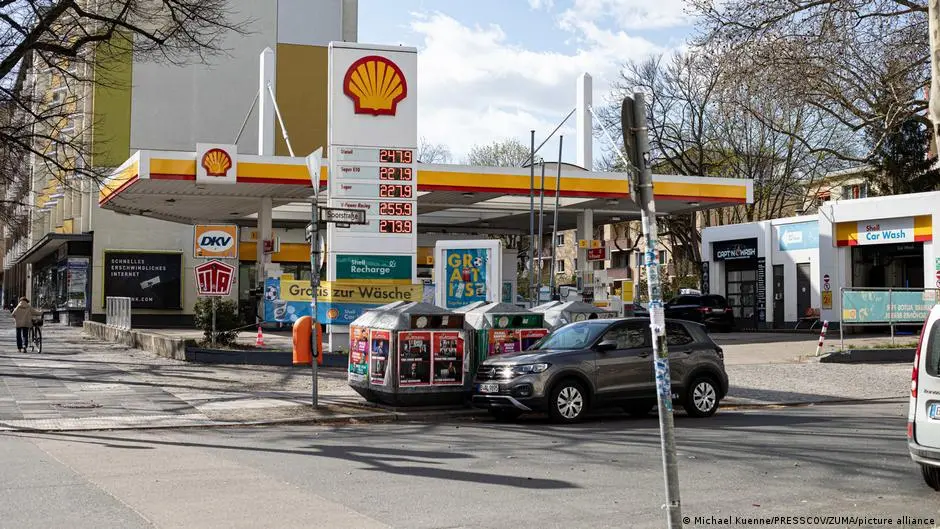
Petrol prices in Germany have risen by far more than in other EU countries, the latest data from the European Commission showed.
Prices increased by around 11 euro cents ($0.12) per liter between March 30 and April 6.
The cost of gas only rose by a few cents in most countries neighboring Germany. In Poland and Austria, prices even declined after government intervention.
The period in question overlaps with a new law that was introduced in Germany, known as the "12 p.m. rule", which stipulates that gas stations can only raise their prices once per day, at midday.
The policy was modeled on one introduced by neighboring Austria. Critics had highlighted the risk that it could increase prices rather than lower them, arguing that petrol stations might raise prices sharply at 12 p.m. to offset their inability to raise them later.
ADAC, Germany's motorists' association, said the first days after the new rule was introduced saw average price jumps of more than 10 cents nationwide.
An Economy Ministry spokesperson said Wednesday that it was too early to draw firm conclusions on whether the new law is having the desired effect.
Petrol prices have surged since the outbreak of the war in the Middle East.
To view this video please enable JavaScript, and consider upgrading to a web browser that supports HTML5 video
Guten Morgen from Bonn, where the sun is shining, spring is nearing full swing and the city's cherry blossoms are close to peak bloom.
But the pleasant weather can't distract from the issue on many German motorists' minds: rising petrol prices, driven by the disruption to oil supplies due to the war in the Middle East.
Prices have surged in Germany in recent days, significantly more than in many of its EU neighbors.
Something that has not surged, however, are German exports, which unexpectedly fell in February, the latest figures show.
Stay tuned as we bring you the latest on those stories and more from Germany.
Petrol prices in Germany have risen by far more than in other EU countries, the latest data from the European Commission showed.
Prices increased by around 11 euro cents ($0.12) per liter between March 30 and April 6.
The cost of gas only rose by a few cents in most countries neighboring Germany. In Poland and Austria, prices even declined after government intervention.
The period in question overlaps with a new law that was introduced in Germany, known as the "12 p.m. rule", which stipulates that gas stations can only raise their prices once per day, at midday.
The policy was modeled on one introduced by neighboring Austria. Critics had highlighted the risk that it could increase prices rather than lower them, arguing that petrol stations might raise prices sharply at 12 p.m. to offset their inability to raise them later.
ADAC, Germany's motorists' association, said the first days after the new rule was introduced saw average price jumps of more than 10 cents nationwide.
An Economy Ministry spokesperson said Wednesday that it was too early to draw firm conclusions on whether the new law is having the desired effect.
Petrol prices have surged since the outbreak of the war in the Middle East.
To view this video please enable JavaScript, and consider upgrading to a web browser that supports HTML5 video
Guten Morgen from Bonn, where the sun is shining, spring is nearing full swing and the city's cherry blossoms are close to peak bloom.
But the pleasant weather can't distract from the issue on many German motorists' minds: rising petrol prices, driven by the disruption to oil supplies due to the war in the Middle East.
Prices have surged in Germany in recent days, significantly more than in many of its EU neighbors.
Something that has not surged, however, are German exports, which unexpectedly fell in February, the latest figures show.
Stay tuned as we bring you the latest on those stories and more from Germany.