LNG Canada의 가스 소각량, 허가 기준 초과 - 캐나다 브리티시컬럼비아 | 1시간 전
Gas flaring at LNG Canada far exceeds permitted volume, documents showCanada -British Columbia |1 hour ago
CBC News
Lauren Krugel · CBC News · Posted: Apr 09, 2026 1:02 PM EDT | Last Updated: 1 hour ago
EN
2026-04-09 15:55
Translated
LNG Canada의 가스 소각량, 허가 기준 초과
문서에 따르면 브리티시컬럼비아주 북부 해안에 위치한 LNG Canada 시설에서 10월부터 1월 사이에 소각된 가스의 양이 허가된 기준을 훨씬 초과한 것으로 나타났다.
빅토리아대학교 대기질 연구원 로라 미네는 정보자유법 절차를 통해 LNG Canada가 브리티시컬럼비아주 에너지 규제 기관에 제출한 월간 대기 배출 보고서를 입수했다.
보고서에는 소각 자료원이 따뜻한/습기 있는 것, 차가운/건조한 것, 저장 및 적재 등 세 가지 범주로 분류되어 있다.
보고서에 포함된 4개월 동안 따뜻한/습기 있는 소각은 평균 허가된 양을 45배 초과했으며, 차가운/건조한 것은 40배, 저장 및 적재는 5배를 초과했다.
천연가스는 브리티시컬럼비아주 키티매트의 시설로 공급되어 액화된 후 특수 유조선으로 태평양을 건너 에너지가 부족한 아시아 시장으로 운송된다.
LNG Canada 대변인은 이메일 성명에서 이 시설이 초기 운영 단계에 있으며 소각 증가는 정상적인 현상이지만 정상 운영 시에는 소각 활동이 크게 감소한다고 말했다.
"소각은 특정 운영 단계에서 천연가스의 통제적이고 효율적인 연소를 보장하는 주(州)에서 규제하는 안전 조치입니다"라고 이 회사는 공개 공지에서 말했다.
대변인은 이메일을 통해 "키티매트의 모니터링 스테이션에서 얻은 공개 가능한 데이터에 따르면 질소 이산화물 및 아황산 가스를 포함한 주요 오염 물질의 수준이 지난 1년 동안 지속적으로 낮게 유지되었다"고 덧붙였다.
"실제로 리버로지 레크리에이션 센터 근처와 키타마트 마을의 모니터링 스테이션에서의 질소 이산화물 수준은 공개 보고서에 기록된 대로 0에 가까웠거나 0 수준이었습니다."
대변인은 LNG Canada가 커뮤니티, 원주민 및 정부 기관과 정기적으로 만나 우려 사항에 대응하고 있다고 덧붙였다.
캐나다의 LNG Canada는 캐나다 최초의 시설이며, 소유자인 쉘과 4개 아시아 기업들은 2단계에서 생산량을 2배로 늘리는 것을 고려하고 있으며, 이는 새로운 연방 대형 프로젝트 사무실의 신속한 검토 대상으로 선정되었다.
초기 단계의 첫 화물은 지난여름에 출항했다.
LNG Canada는 3월 초 이후 "소각 사건"을 알리는 커뮤니티 공지 10건을 게시했다.
화요일의 공지는 3시간 지속되었으며, 인근 주민들에게 10~15미터의 소각 높이와 "관련된 소음 및 시각적 배출"을 알렸다.
환경 및 의료 단체들은 소각을 통해 방출되는 오염 물질의 잠재적 건강 영향에 대한 우려를 제기하고 있다.
빅토리아대학교 청정 공기 연구소를 이끌고 있는 미네는 전 세계 다양한 LNG 수출 시설의 소각에 대해 연구해 왔으며, 캐나다의 첫 프로젝트가 가동을 시작한 후 데이터를 구하기로 결정했다.
"모든 수치가 허가보다 높으며, 최소한 지난 9월 이후로 지속적으로 높은 상태였습니다"라고 그녀는 말했다. "그들은 소각 허가를 준수해야 합니다. 수개월 동안 지속적으로 준수하지 않은 것이 놀랍습니다."
미네의 연구에 따르면 전 세계 LNG 시설은 대량의 소각을 특징으로 하고 평균 2년 지속되는 시작 단계를 갖고 있다.
"이것이 말해주는 것은 우리가 환경 영향 평가에서 이러한 높은 소각량을 고려해야 한다는 것입니다"라고 그녀는 말했다.
CBC 뉴스의 자료 포함
빅토리아대학교 대기질 연구원 로라 미네는 정보자유법 절차를 통해 LNG Canada가 브리티시컬럼비아주 에너지 규제 기관에 제출한 월간 대기 배출 보고서를 입수했다.
보고서에는 소각 자료원이 따뜻한/습기 있는 것, 차가운/건조한 것, 저장 및 적재 등 세 가지 범주로 분류되어 있다.
보고서에 포함된 4개월 동안 따뜻한/습기 있는 소각은 평균 허가된 양을 45배 초과했으며, 차가운/건조한 것은 40배, 저장 및 적재는 5배를 초과했다.
천연가스는 브리티시컬럼비아주 키티매트의 시설로 공급되어 액화된 후 특수 유조선으로 태평양을 건너 에너지가 부족한 아시아 시장으로 운송된다.
LNG Canada 대변인은 이메일 성명에서 이 시설이 초기 운영 단계에 있으며 소각 증가는 정상적인 현상이지만 정상 운영 시에는 소각 활동이 크게 감소한다고 말했다.
"소각은 특정 운영 단계에서 천연가스의 통제적이고 효율적인 연소를 보장하는 주(州)에서 규제하는 안전 조치입니다"라고 이 회사는 공개 공지에서 말했다.
대변인은 이메일을 통해 "키티매트의 모니터링 스테이션에서 얻은 공개 가능한 데이터에 따르면 질소 이산화물 및 아황산 가스를 포함한 주요 오염 물질의 수준이 지난 1년 동안 지속적으로 낮게 유지되었다"고 덧붙였다.
"실제로 리버로지 레크리에이션 센터 근처와 키타마트 마을의 모니터링 스테이션에서의 질소 이산화물 수준은 공개 보고서에 기록된 대로 0에 가까웠거나 0 수준이었습니다."
대변인은 LNG Canada가 커뮤니티, 원주민 및 정부 기관과 정기적으로 만나 우려 사항에 대응하고 있다고 덧붙였다.
캐나다의 LNG Canada는 캐나다 최초의 시설이며, 소유자인 쉘과 4개 아시아 기업들은 2단계에서 생산량을 2배로 늘리는 것을 고려하고 있으며, 이는 새로운 연방 대형 프로젝트 사무실의 신속한 검토 대상으로 선정되었다.
초기 단계의 첫 화물은 지난여름에 출항했다.
LNG Canada는 3월 초 이후 "소각 사건"을 알리는 커뮤니티 공지 10건을 게시했다.
화요일의 공지는 3시간 지속되었으며, 인근 주민들에게 10~15미터의 소각 높이와 "관련된 소음 및 시각적 배출"을 알렸다.
환경 및 의료 단체들은 소각을 통해 방출되는 오염 물질의 잠재적 건강 영향에 대한 우려를 제기하고 있다.
빅토리아대학교 청정 공기 연구소를 이끌고 있는 미네는 전 세계 다양한 LNG 수출 시설의 소각에 대해 연구해 왔으며, 캐나다의 첫 프로젝트가 가동을 시작한 후 데이터를 구하기로 결정했다.
"모든 수치가 허가보다 높으며, 최소한 지난 9월 이후로 지속적으로 높은 상태였습니다"라고 그녀는 말했다. "그들은 소각 허가를 준수해야 합니다. 수개월 동안 지속적으로 준수하지 않은 것이 놀랍습니다."
미네의 연구에 따르면 전 세계 LNG 시설은 대량의 소각을 특징으로 하고 평균 2년 지속되는 시작 단계를 갖고 있다.
"이것이 말해주는 것은 우리가 환경 영향 평가에서 이러한 높은 소각량을 고려해야 한다는 것입니다"라고 그녀는 말했다.
CBC 뉴스의 자료 포함
Documents show the volume of gas flared at the LNG Canada plant on B.C.'s North Coast between October and January far surpassed what its permit allows.
University of Victoria air quality researcher Laura Minet obtained monthly air emissions reports filed by LNG Canada to the B.C. Energy Regulator under freedom of information proceedings.
The reports break down the flaring source into three categories: warm/wet, cold/dry and storage and loading.
During the four-month period covered in the filings, warm/wet flares exceeded permitted volumes by 45 times on average, cold/dry by 40 times and storage and loading by five times.
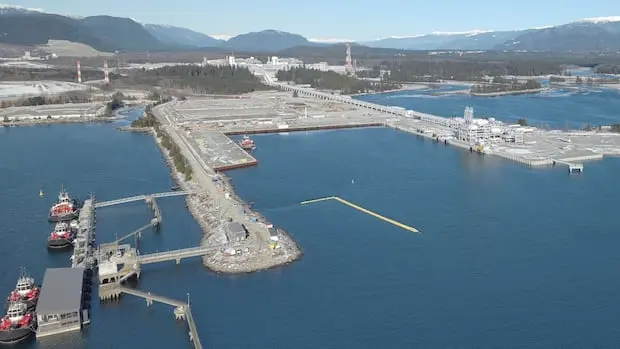
Natural gas is piped to the plant in Kitimat, B.C., and chilled into a liquid, enabling it to be shipped in specialized tankers across the Pacific to energy-hungry Asian markets.
An LNG Canada spokesperson said in an emailed statement that the facility is in the early operations phase and increased flaring is a normal occurrence, but in regular operations, flaring activities reduce significantly.
Energy minister says Canada could be 'one of the largest suppliers of LNG in the world'
"Flaring is a provincially regulated safety measure that ensures the controlled, efficient combustion of natural gas during specific operational phases," the company said in a public notice.
"Publicly available data from monitoring stations in Kitimat show that levels of key pollutants, including nitrogen dioxide and sulphur dioxide, have remained consistently low over the past year," the spokesperson added over email.
"In fact, nitrogen dioxide levels at monitoring stations near Riverlodge Recreation Centre and in Kitamaat Village have been at or near zero, as documented in public reports."
The spokesperson added that LNG Canada is meeting regularly with the community, First Nations and government agencies to respond to concerns.
Could South Korea buy more of Canada’s liquid natural gas?
LNG Canada, the first facility of its kind in Canada, and its owners — Shell and four Asian companies — are contemplating doubling its capacity in a second phase, which has been chosen for a speedy review under the new federal major projects office.
First cargoes departed the project's initial phase last summer.
Ten community notifications advising of "flaring events" have been posted by LNG Canada since the beginning of March.
One on Tuesday lasted three hours, advising nearby residents of a flare height of 10 to 15 metres with "associated noise and visible emissions."
What impact will LNG Canada’s Phase 2 project have on local First Nations communities?
Environmental and health-care groups have been raising concern about the potential health impacts of pollutants released through flaring.
Minet, who leads the Clean Air Lab at the University of Victoria, has researched flaring at various LNG export facilities around the world, so she decided to seek out data from Canada's first project after it started up.
2 B.C. projects part of 'nation-building' approvals, including LNG expansion
"All the numbers are higher than the permits and they've been consistently higher since last September at least," she said. "They should comply with the flaring permits. It's surprising that they haven't consistently for many, many months."
Minet's research has found that LNG facilities worldwide have startup phases characterized by large amounts of flaring and lasting two years on average.
"What it's telling me is that we need to account for this high flaring volume in environmental impact assessments," she said.
With files from CBC News
University of Victoria air quality researcher Laura Minet obtained monthly air emissions reports filed by LNG Canada to the B.C. Energy Regulator under freedom of information proceedings.
The reports break down the flaring source into three categories: warm/wet, cold/dry and storage and loading.
During the four-month period covered in the filings, warm/wet flares exceeded permitted volumes by 45 times on average, cold/dry by 40 times and storage and loading by five times.
Natural gas is piped to the plant in Kitimat, B.C., and chilled into a liquid, enabling it to be shipped in specialized tankers across the Pacific to energy-hungry Asian markets.
An LNG Canada spokesperson said in an emailed statement that the facility is in the early operations phase and increased flaring is a normal occurrence, but in regular operations, flaring activities reduce significantly.
Energy minister says Canada could be 'one of the largest suppliers of LNG in the world'
"Flaring is a provincially regulated safety measure that ensures the controlled, efficient combustion of natural gas during specific operational phases," the company said in a public notice.
"Publicly available data from monitoring stations in Kitimat show that levels of key pollutants, including nitrogen dioxide and sulphur dioxide, have remained consistently low over the past year," the spokesperson added over email.
"In fact, nitrogen dioxide levels at monitoring stations near Riverlodge Recreation Centre and in Kitamaat Village have been at or near zero, as documented in public reports."
The spokesperson added that LNG Canada is meeting regularly with the community, First Nations and government agencies to respond to concerns.
Could South Korea buy more of Canada’s liquid natural gas?
LNG Canada, the first facility of its kind in Canada, and its owners — Shell and four Asian companies — are contemplating doubling its capacity in a second phase, which has been chosen for a speedy review under the new federal major projects office.
First cargoes departed the project's initial phase last summer.
Ten community notifications advising of "flaring events" have been posted by LNG Canada since the beginning of March.
One on Tuesday lasted three hours, advising nearby residents of a flare height of 10 to 15 metres with "associated noise and visible emissions."
What impact will LNG Canada’s Phase 2 project have on local First Nations communities?
Environmental and health-care groups have been raising concern about the potential health impacts of pollutants released through flaring.
Minet, who leads the Clean Air Lab at the University of Victoria, has researched flaring at various LNG export facilities around the world, so she decided to seek out data from Canada's first project after it started up.
2 B.C. projects part of 'nation-building' approvals, including LNG expansion
"All the numbers are higher than the permits and they've been consistently higher since last September at least," she said. "They should comply with the flaring permits. It's surprising that they haven't consistently for many, many months."
Minet's research has found that LNG facilities worldwide have startup phases characterized by large amounts of flaring and lasting two years on average.
"What it's telling me is that we need to account for this high flaring volume in environmental impact assessments," she said.
With files from CBC News