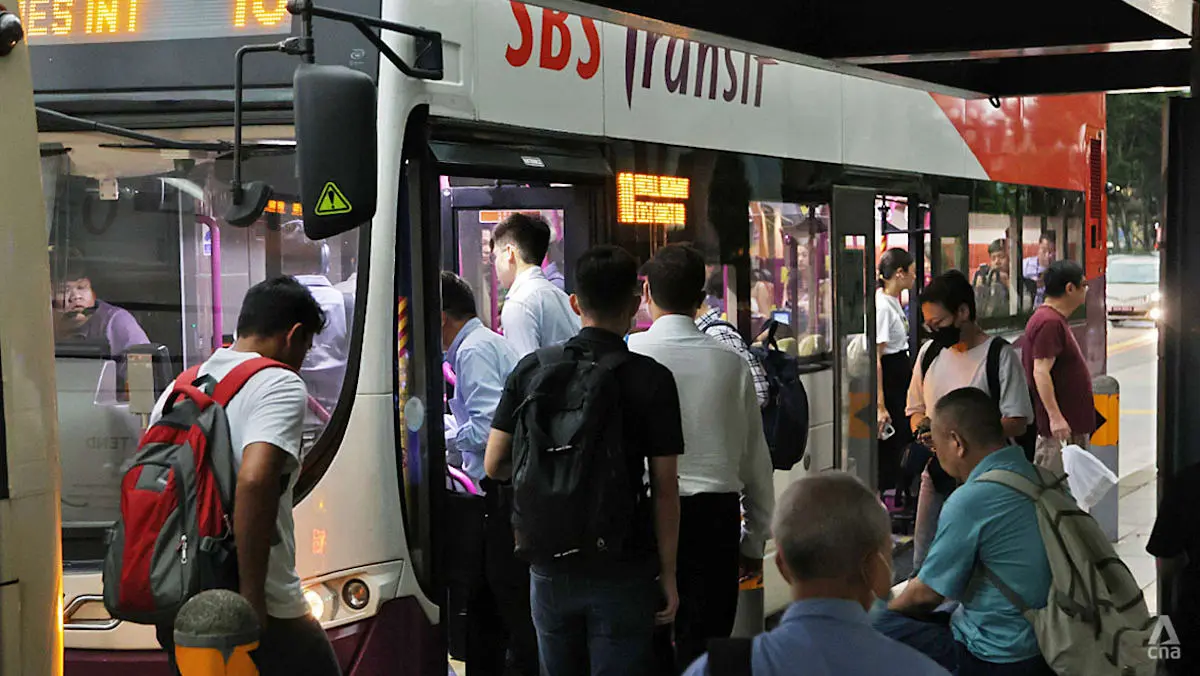
에너지 위기가 심화되면서 싱가포르인들이 에어컨 비용 절감을 위해 방을 공유하는 것부터 운전을 줄이는 것까지 생활 방식을 조정하다
From sharing a room to save on air-con to driving less, Singaporeans adjust as the global energy crisis bites
Channel NewsAsia
EN
2026-04-10 22:30
Translated
CNA TODAY는 55명의 개인을 대상으로 중동 분쟁의 파급 효과와 이것이 그들의 일상생활에 미친 영향에 대해 이야기했다.
CNA TODAY는 중동 분쟁의 파급 효과와 이것이 55명의 개인의 일상생활에 미친 영향에 대해 이야기했다.
이 오디오는 AI 도구로 생성되었다.
랄리타 도라이라주 씨의 경우, 수천 킬로미터 떨어진 곳에서 벌어지고 있는 전쟁의 영향이 여러 측면에서 그녀를 힘들게 하고 있다.
개인 운전 기사인 48세의 그녀는 지난 한 달 동안 하이브리드 자동차의 휘발유 가격이 중동 분쟁으로 인한 현재의 에너지 위기로 인해 80싱가포르 달러(미화 63달러)에서 100싱가포르 달러 이상으로 올랐다.
하루 일과를 마친 후 집으로 들어오는 돈이 적어진 만큼, 랄리타 씨는 집에서 돈을 절약할 수 있는 방법을 찾고 있으며 에어컨 비용을 절감하기 위해 일곱 살 난 아들을 같은 방에서 자도록 했다.
"보통 저는 에어컨을 자주 쓰는 편이 아니지만, 이 날씨와 스모그는 정말 나쁩니다. 에어컨 없이는 견딜 수 없고, 마치 오븐에 앉아 있는 것 같습니다"라고 그녀는 말했다.
에너지 위기가 계속 심화되면서 CNA TODAY는 이번 주 22세에서 69세 사이의 싱가포르인 55명과 그들이 어떤 영향을 받고 있으며 생활 방식을 조정했는지에 대해 이야기했다.
인터뷰 대상자의 약 64%가 현재의 위기로 인해 생활 방식을 바꿨다고 말했으며, 대부분은 샤워 시간을 줄이고, 사용하지 않는 기기의 전원을 끄고, 자동차의 가속페달을 필요 이상으로 밟지 않는 것과 같은 작은 조정을 했다.
그러나 이 응답자 중 일부는 전기 자동차로 바꾸거나, 자동차를 집에 두고 대중교통을 이용하거나, 에어컨 사용을 중단하는 것과 같은 더 극적인 변화를 했다.
인터뷰 대상자의 약 40%는 변화를 하지 않았다고 말했으며, 이들은 위기에 대해 우려하고 있지만 지출에 큰 영향을 미치지는 않았다고 말했다.
화요일(4월 7일)에 의회에서 중동 분쟁이 싱가포르에 미친 영향에 대해 세 가지 장관 성명이 발표되어 여기서 가격이 올라갈 가능성이 높다고 밝혔다.
미국과 이스라엘이 2월 28일 이란에 대한 군사 공격을 시작한 이후 이란이 보복으로 호르무즈 해협을 효과적으로 봉쇄한 이후, 이용 가능한 연료 공급 경쟁이 심화되면서 석유와 가스 가격이 급등했다.
다른 연료 공급원에 대한 수요도 증가함에 따라 전반적인 가격 인상이 일어났다.
중동에서 석유와 가스 수입에 크게 의존하고 있는 동남아 여러 국가에서 치솟는 에너지 가격으로 인해 다양한 대응이 촉발되었다: 태국 당국은 공무원들에게 에너지를 절약하도록 의무화했으며, 심지어 근로자들에게 엘리베이터 대신 계단을 이용하도록 권장했고, 라오스는 가족들이 불안정한 연료 가격에 대처할 수 있도록 직접 수업을 축소했다.
싱가포르 사회과학 대학교(SUSS)의 부교수 크리스토퍼 토 박사는 전쟁 중에 식량과 에너지 가격이 일반적으로 상승한다고 지적했으며, 분쟁이 글로벌 생산과 무역로를 방해하면서 다른 상품에도 파급 효과를 미친다.
"지금까지 이란 전쟁의 영향은 싱가포르에서 상대적으로 제한적이었으며, 세계 많은 국가와는 달리 긴급 조치나 재택근무 명령이 없었습니다. 하지만 에너지 비용을 올린 분쟁이 여기서의 일상생활에 스며들었으며, 싱가포르 당국이 부담을 경감하기 위한 조치를 취하도록 촉발했습니다"라고 토 박사는 말했다.
싱가포르에서 에너지 위기에 대처하기 위한 조치는 국민들이 이 기간 동안 대처할 수 있도록 돕기 위한 보조금에 중점을 두고 있다.
정부의 약 10억 싱가포르 달러 지원 패키지에는 활동 중인 플랫폼 근로자, 개인 운전 기사 및 택시 기사를 위한 200싱가포르 달러의 현금 구제금이 포함되어 있다.
또한 지역사회개발위원회(CDC) 바우처의 다음 배분액 500싱가포르 달러를 약 6개월 앞당겨 지급하고, 9월 예정된 일회성 생활비 특별 지급액을 200싱가포르 달러만큼 증액했다.
연료 가격이 오르면서 일을 하기 위해 도로에 나가야 하는 사람들이 가장 큰 타격을 받았으며, CNA TODAY가 인터뷰한 3명의 응답자들은 그들의 수입이 코로나19 팬데믹 기간에 일어난 상황과 비슷하다고 말했다.
CNA TODAY가 인터뷰한 10명의 개인 운전 기사와 택시 기사들은 줄어드는 수입에 대처하기 위해 두 가지 매우 다른 전략을 채택하고 있다: 일부는 연료 소비를 제한하기 위해 운전 시간을 줄이고 있으며, 다른 일부는 더 높은 비용을 보충하려고 더 많은 시간 운전하고 있다.
모두 플랫폼 근로자를 위한 정부 현금 지급을 환영했지만, 많은 사람들은 최선의 경우라고 불렀으며 자동차 렌탈료와 같은 비용 관리에 있어 추가 지원을 희망했으며, 플랫폼의 운임에 대한 임시 연료 할증료 적용이 소비자를 멀어지게 할 수 있음을 지적했다.
51세 택시 기사 게리 해리스의 경우, 연료 비용이 30% 증가한 것은 이란 전쟁이 시작된 이후 이용 가능한 고객 수가 감소한 것으로 인한 수입 감소의 시작에 불과하다.
이에 대처하기 위해 해리스는 이제 창이 공항에서 승객을 기다리는 택시 기사들의 꼬리 줄에 합류했다.
그는 더 많은 기사들이 이 전략을 사용하고 분쟁으로 인해 항공 여행도 영향을 받으면서 공항 승객이 적어져 기사들의 대기 시간이 약 2~3시간으로 두 배 증가했다고 말했다.
"요즘에는 저 같은 밤 근무 기사들은 대부분 오전 3시에 집으로 가는데, 그들이 돌아다니면 휘발유를 낭비하기 때문입니다"라고 전기를 절약하기 위해 4명의 가족이 한 방에 앉도록 한 해리스는 말했다.
그는 비용 인상에 대한 그의 "고통을 (목소리를 내기)" 위해 정부, 기업 및 그와 같은 근로자 간에 더 많은 대화의 통로를 희망한다.
55세 개인 운전 기사 푼 치앤 피에의 경우, 증가된 연료 비용은 도로에서의 더 긴 시간을 의미하며, 가족과 함께 보내는 시간이 줄어들고 가족 외출에도 돈이 줄어들었으며, 이는 주 1회에서 격주로 줄었다.
CNA TODAY는 또한 다른 23명의 운전자와 이야기했으며 그 중 5명이 경우에 따라 자동차 열쇠를 집에 두고 대중교통을 사용하는 것으로 나타났다.
과거에 31세의 밸러리 쿠는 일, 가족과 시간을 보내기 위해, 또는 두 마리의 개를 주간 미용 세션에 데려가기 위해 모든 곳을 차로 다녔을 것이다. 하지만 연료 가격이 치솟으면서 그녀는 일요일에만 개의 약속을 위해 자동차 열쇠를 집으러 가는데, 이는 싱가포르에서 애완동물이 대중교통을 탈 수 없기 때문이다.
"저는 고객 집을 방문하기 위해 차를 몰고 다녔는데, 그 거리는 차로 10~15분 거리입니다. 하지만 이제 저는 대중교통을 이용합니다. (연료 가격) 때문입니다"라고 자산관리 컨설턴트는 말했다.
"대중교통으로는 약 30분이 걸립니다. 나의 통근 시간이 두 배로 늘었지만... 훨씬 더 많은 (돈을) 절약합니다."
그러나 자동차를 완전히 치워두는 급진적인 조치는 대부분의 운전자에게 매우 어려울 것이라고 말했다.
"저는 여전히 가족을 차로 실어야 하고 일을 하러 출퇴근해야 합니다"라고 35세의 커뮤니케이션 전문가인 마커스 시아는 내연 기관(ICE) 자동차를 운전한다고 말했다.
"제 아들이 아팠고 병원과 집을 오가야 할 때, 자동차를 가지고 있는 것은 필수였습니다... (그리고) 제 아내의 직장이 제 것과 가깝기 때문에 우리가 함께 차를 타고 출퇴근하는 것이 합리적입니다."
그래서 연료 가격이 오르기 시작했을 때, 시아는 연료 소비를 줄이는 방법에 대해 온라인에서 빠르게 검색했으며, 자동차의 무게를 줄이고 가속 페달을 덜 밟는 것과 같은 팁을 찾았다.
"그것이 얼마나 도움이 되는지 모르고 내 연료 소비가 정말로 크게 줄어드는지 모르겠지만, 시도해볼 해가 없습니다"라고 그는 말했다.
한편, 61세 주식 중개인인 탕 후이 링 여사는 상대적으로 가격이 낮은 씨너지 주유소의 다른 운전자들과 합류했다.
"(충성도) 할인을 더한 후, 저는 씨너지에서 다른 주유소에 비해 리터당 약 33센트를 절약합니다. 그것은 한 탱크 가득 약 16싱가포르 달러입니다"라고 탕 여사는 말했으며, 긴 줄을 피하기 위해 피크 아웃 시간에 자신의 집 근처 씨너지 지점을 방문한다고 덧붙였다.
일부 운전자들은 싱가포르에서 자동차 소유 및 사용 권리를 부여하는 등록증(COE)이 만료되면 ICE 자동차를 전기 자동차(EV)로 바꿀 계획이라고 말했다.
실제로 루스 고이 여사는 의도한 것보다 더 일찍 바꿔냈다. 그녀의 COE는 10월에만 만료되지만 3월에 자동차를 EV로 맞교환하기로 결정했다.
연료 가격이 계속 치솟으면서 고이 여사는 3월 중순에 자동차를 가득 채우는 데 160싱가포르 달러를 지불했으며, 이는 2월의 120싱가포르 달러에서 올랐다. 오늘, 그녀는 자동차를 충전하는 데 약 50싱가포르 달러를 쓴다고 추정한다.
"우리는 올해 말에 새 자동차를 구매했을 것이고 하이브리드(자동차) 또는 EV를 구매할지 고려했습니다... 하지만 (연료) 돈을 절약하고 탄소 배출을 줄이기 위해 더 일찍 EV를 구매하기로 결정했습니다"라고 그녀는 말했다.
CNA TODAY가 인터뷰한 사람들이 이란 전쟁이 그들의 삶에 미친 영향에 대해 우려하고 있지만, 모두 전기료가 아직 오르지 않았다고 말했다. 비록 에너지 시장청에 따르면 앞으로의 분기에 증가를 시작할 가능성이 높다.
점점 더 변동성 있는 에너지 시장으로 당국은 기업과 가정에 에너지 절약을 권장했다. 지난주 로렌스 웡 총리는 싱가포르의 에너지 복원력은 정부 조치뿐만 아니라 집단적 노력에도 달려 있다고 강조했다.
공공 부문 사무실은 주도권을 잡을 예정이며 에어컨 온도를 25°C 이상으로 설정하기 시작할 것이고, 사용하지 않을 때 필수가 아닌 장비와 기기의 전원을 빼거나 끌 것이다.
50세 개인 운전 기사인 마이클 다스는 이제 증가된 연료 비용을 충당하기 위해 추가로 2시간 운전하지만 집에서 에어컨을 몇 시간 켜고 선풍기로 바꾸는 것과 같은 작은 조정을 하고 있으며, 이러한 조정은 편안함이라는 대가를 치른다.
"저는 집에서 에어컨을 많이 사용하지 않으며, 대부분 선풍기만 사용하지만, 요즘 날씨가 너무 더워서, 운전한 후 매우 피곤한데, 에어컨을 좀 즐길 수 없다면, 돈을 버는 게 무슨 의미입니까?"
51세인 또 다른 개인 운전 기사인 코끼 쿠마르는 집에서 에어컨 대신 선풍기를 사용하여 지갑을 조여 잠긴다. - 그의 4명의 자녀들이 적응해야 하는 변화이다.
그는 또한 디젤 가격 급등이 기업에 영향을 미치면서 식량 가격 인상에 대해 우려하고 있다.
"요즘 저는 코피 가오나 코피 씨를 마실 여유가 없습니다. 이제 저는 코숑만 마실 수 있습니다"라고 그는 농담했다.
65세 파트타임 테니스 코치인 브라이언 라이의 경우, 텔레비전과 같은 기기에 전원을 공급하는 것들을 포함하여 모든 전기 플러그를 끔으로써 한 걸음 더 나아간다.
"과거에는 휴대폰을 충전하고 플러그(스위치)를 그대로 두거나 텔레비전만 끝낼 것입니다. 이제 저는 전원 플러그가 꺼져 있는지 확인합니다"라고 그는 말했다.
"저는 그것을 내 습관을 바꾸고 내 라이프스타일을 향상시킬 기회로 생각합니다... 돈을 절약하고, 전기와 환경을 조금 절약하세요."
전문가들은 "뱀파이어 파워"로 알려진 대기 중에서 조용히 전기를 소비하는 에너지 효율적인 기기를 사용하거나 기기를 그대로 두지 않는 것과 같은 작은 개별 조치들이 누적된다고 동의했다.
SUSS의 토 박사는 전원 소켓에서 기기를 끄는 것 외에도, 사람들은 기후 친화 가정 프로그램과 같은 정부 이니셔티브를 가리키면서 더 녹색적인 옵션을 선택할 수 있다고 말했다. - 에너지 효율적인 가정 기기 구매에 대한 인센티브를 제공한다.
"예를 들어, 에어컨 대신 선풍기를 사용하면 싱가포르에서 연간 약 441싱가포르 달러를 절약할 수 있습니다"라고 토 박사는 말했다.
하지만 싱가포르인들이 지금 조치를 취할지 아니면 현재의 연료와 전기 위기에 대한 조정을 보류할지는 그들이 가진 버퍼와 그들의 일상 루틴이 변화의 여지를 얼마나 남겨두는지에 따라 달라진다.
은퇴자 고우 비엘, 69세의 경우, 그의 소유 주택에 설치된 태양광 패널이 전기료를 상쇄하는 데 도움이 되어 다가오는 공과금 인상으로부터 대부분 보호된다.
극심한 날씨를 감안할 때, 패널들은 그의 집과 EV에 전원을 공급하기에 충분한 전기를 생성하는 데 도움이 되었고, 심지어 그가 그리드에 다시 판매할 여지를 남겼다.
그가 매달 초과 전기 판매로 버는 약 100~150싱가포르 달러에도 불구하고, 고우는 편할 때 대중교통을 선택하려고 노력한다고 말했다.
고우는 은퇴자로서 이 에너지 위기로 인한 교통 비용 증가가 기업 비용을 크게 올리고 궁극적으로 인플레이션을 초래할 것이 우려된다고 덧붙였다.
"인플레이션은 은퇴자의 최대 적이며, 일반적으로 대부분 고정된 은퇴 '수입'을 잡아먹기 때문입니다"라고 고우는 말했다.
36세 사업주 로이스톤 로의 경우, 연료 가격 인상이 아직 그가 매일 운전하는 정도에 영향을 미치지 않았다.
"휘발유 가격이 올랐지만, 가족 기반 일상은 고정적입니다. 우리는 아이들의 활동을 취소할 수 없습니다. 세 명의 아이들과 함께 대중교통을 이용하는 것은 힘들고 불편하며 처음부터 자동차를 구매하기로 결정한 주된 이유입니다"라고 로는 말했다.
하지만 CNA TODAY와 이야기한 모두가 싱가포르가 이란 전쟁의 완전한 타격을 받지 않았다는 것을 인정했다.
에너지 컨설팅 회사인 The Lantau Group의 파트너인 데이비드 브로드스톡 박사 같은 전문가들은 중단된 연료 공급의 파급 효과가 영향이 "원산지에서 소비자까지 가는 데 주일이 걸리기" 때문에 이제 막 깨닫기 시작했다고 설명했다.
많은 인터뷰 대상자들은 생활비와 필수 상품 가격이 가까운 미래에 올라갈 것으로 예상하고 있으며, 여러 사람들은 추가로 고통을 받을 때만 지출을 줄이기 위한 조치를 취할 것이라고 말했다.
예를 들어, 39세의 재정 자문가인 매튜 테오는 집에서 더 많은 요리를 하고 외식을 덜하기 위해 계획하고 있으며, 고이 여사는 가격이 올라감에 따라 식사에 덜 쓸 것이라고 말했다.
2실 공공 임대 아파트에서 거주하는 48세의 지역사회 지도자인 마를리나 야세드는 정부의 이니셔티브가 많은 이들이 상승한 연료 가격으로 크게 영향을 받은 플랫폼 근로자인 이웃들을 돕는 데 어느 정도 도움이 될 것이라고 말했다. 지난 한 달 동안, 그녀는 렝콕 바루에서 운영하는 커뮤니티 냉장고를 통해 30건 이상의 식료품 및 식료품에 대한 긴급 요청을 받았다.
그녀는 이웃의 편의점들이 공급업체의 비용 증가를 이유로 가격을 올리기 시작했다고 말했으며, 비누와 같은 기본 세제는 1.20싱가포르 달러에서 2싱가포르 달러로 올랐다.
국립 싱가포르 대학교의 사회학 및 인류학의 명예교수인 호 콩 총 부교수는 저소득층 가족과 노인들이 현재의 글로벌 위기의 2차 영향으로 가장 큰 타격을 받을 것이라고 말했다.
"소규모 기업(이미 미디어에서) 가격을 올려야 한다고 말하고 있습니다. 우리는 앞으로 전기료 인상에 대해 이야기하고 있습니다"라고 그는 말했다.
"자동차를 운전할 필요가 없어도 영향을 받습니다. 우리가 싱가포르의 일부로 본 것은 항상 빈곤층과 노인을 위한 상승하는 비용에 대한 걱정이었으며, (그리고) 이 에너지 충격은 그것을 가속시킵니다."
그는 또한 중동 위기가 싱가포르에서 노숙자 수를 증가시킬 수 있으며, 상승한 가격이 더 많은 기업을 폐업하도록 강제함에 따라 실업을 증가시킬 수 있다고 덧붙였다.
생활비 압박을 완화하기 위한 정부의 노력을 인정하면서, 호 부교수는 사람들이 기대할 수 있다고 덧붙였다.
이 오디오는 AI 도구로 생성되었다.
랄리타 도라이라주 씨의 경우, 수천 킬로미터 떨어진 곳에서 벌어지고 있는 전쟁의 영향이 여러 측면에서 그녀를 힘들게 하고 있다.
개인 운전 기사인 48세의 그녀는 지난 한 달 동안 하이브리드 자동차의 휘발유 가격이 중동 분쟁으로 인한 현재의 에너지 위기로 인해 80싱가포르 달러(미화 63달러)에서 100싱가포르 달러 이상으로 올랐다.
하루 일과를 마친 후 집으로 들어오는 돈이 적어진 만큼, 랄리타 씨는 집에서 돈을 절약할 수 있는 방법을 찾고 있으며 에어컨 비용을 절감하기 위해 일곱 살 난 아들을 같은 방에서 자도록 했다.
"보통 저는 에어컨을 자주 쓰는 편이 아니지만, 이 날씨와 스모그는 정말 나쁩니다. 에어컨 없이는 견딜 수 없고, 마치 오븐에 앉아 있는 것 같습니다"라고 그녀는 말했다.
에너지 위기가 계속 심화되면서 CNA TODAY는 이번 주 22세에서 69세 사이의 싱가포르인 55명과 그들이 어떤 영향을 받고 있으며 생활 방식을 조정했는지에 대해 이야기했다.
인터뷰 대상자의 약 64%가 현재의 위기로 인해 생활 방식을 바꿨다고 말했으며, 대부분은 샤워 시간을 줄이고, 사용하지 않는 기기의 전원을 끄고, 자동차의 가속페달을 필요 이상으로 밟지 않는 것과 같은 작은 조정을 했다.
그러나 이 응답자 중 일부는 전기 자동차로 바꾸거나, 자동차를 집에 두고 대중교통을 이용하거나, 에어컨 사용을 중단하는 것과 같은 더 극적인 변화를 했다.
인터뷰 대상자의 약 40%는 변화를 하지 않았다고 말했으며, 이들은 위기에 대해 우려하고 있지만 지출에 큰 영향을 미치지는 않았다고 말했다.
화요일(4월 7일)에 의회에서 중동 분쟁이 싱가포르에 미친 영향에 대해 세 가지 장관 성명이 발표되어 여기서 가격이 올라갈 가능성이 높다고 밝혔다.
미국과 이스라엘이 2월 28일 이란에 대한 군사 공격을 시작한 이후 이란이 보복으로 호르무즈 해협을 효과적으로 봉쇄한 이후, 이용 가능한 연료 공급 경쟁이 심화되면서 석유와 가스 가격이 급등했다.
다른 연료 공급원에 대한 수요도 증가함에 따라 전반적인 가격 인상이 일어났다.
중동에서 석유와 가스 수입에 크게 의존하고 있는 동남아 여러 국가에서 치솟는 에너지 가격으로 인해 다양한 대응이 촉발되었다: 태국 당국은 공무원들에게 에너지를 절약하도록 의무화했으며, 심지어 근로자들에게 엘리베이터 대신 계단을 이용하도록 권장했고, 라오스는 가족들이 불안정한 연료 가격에 대처할 수 있도록 직접 수업을 축소했다.
싱가포르 사회과학 대학교(SUSS)의 부교수 크리스토퍼 토 박사는 전쟁 중에 식량과 에너지 가격이 일반적으로 상승한다고 지적했으며, 분쟁이 글로벌 생산과 무역로를 방해하면서 다른 상품에도 파급 효과를 미친다.
"지금까지 이란 전쟁의 영향은 싱가포르에서 상대적으로 제한적이었으며, 세계 많은 국가와는 달리 긴급 조치나 재택근무 명령이 없었습니다. 하지만 에너지 비용을 올린 분쟁이 여기서의 일상생활에 스며들었으며, 싱가포르 당국이 부담을 경감하기 위한 조치를 취하도록 촉발했습니다"라고 토 박사는 말했다.
싱가포르에서 에너지 위기에 대처하기 위한 조치는 국민들이 이 기간 동안 대처할 수 있도록 돕기 위한 보조금에 중점을 두고 있다.
정부의 약 10억 싱가포르 달러 지원 패키지에는 활동 중인 플랫폼 근로자, 개인 운전 기사 및 택시 기사를 위한 200싱가포르 달러의 현금 구제금이 포함되어 있다.
또한 지역사회개발위원회(CDC) 바우처의 다음 배분액 500싱가포르 달러를 약 6개월 앞당겨 지급하고, 9월 예정된 일회성 생활비 특별 지급액을 200싱가포르 달러만큼 증액했다.
연료 가격이 오르면서 일을 하기 위해 도로에 나가야 하는 사람들이 가장 큰 타격을 받았으며, CNA TODAY가 인터뷰한 3명의 응답자들은 그들의 수입이 코로나19 팬데믹 기간에 일어난 상황과 비슷하다고 말했다.
CNA TODAY가 인터뷰한 10명의 개인 운전 기사와 택시 기사들은 줄어드는 수입에 대처하기 위해 두 가지 매우 다른 전략을 채택하고 있다: 일부는 연료 소비를 제한하기 위해 운전 시간을 줄이고 있으며, 다른 일부는 더 높은 비용을 보충하려고 더 많은 시간 운전하고 있다.
모두 플랫폼 근로자를 위한 정부 현금 지급을 환영했지만, 많은 사람들은 최선의 경우라고 불렀으며 자동차 렌탈료와 같은 비용 관리에 있어 추가 지원을 희망했으며, 플랫폼의 운임에 대한 임시 연료 할증료 적용이 소비자를 멀어지게 할 수 있음을 지적했다.
51세 택시 기사 게리 해리스의 경우, 연료 비용이 30% 증가한 것은 이란 전쟁이 시작된 이후 이용 가능한 고객 수가 감소한 것으로 인한 수입 감소의 시작에 불과하다.
이에 대처하기 위해 해리스는 이제 창이 공항에서 승객을 기다리는 택시 기사들의 꼬리 줄에 합류했다.
그는 더 많은 기사들이 이 전략을 사용하고 분쟁으로 인해 항공 여행도 영향을 받으면서 공항 승객이 적어져 기사들의 대기 시간이 약 2~3시간으로 두 배 증가했다고 말했다.
"요즘에는 저 같은 밤 근무 기사들은 대부분 오전 3시에 집으로 가는데, 그들이 돌아다니면 휘발유를 낭비하기 때문입니다"라고 전기를 절약하기 위해 4명의 가족이 한 방에 앉도록 한 해리스는 말했다.
그는 비용 인상에 대한 그의 "고통을 (목소리를 내기)" 위해 정부, 기업 및 그와 같은 근로자 간에 더 많은 대화의 통로를 희망한다.
55세 개인 운전 기사 푼 치앤 피에의 경우, 증가된 연료 비용은 도로에서의 더 긴 시간을 의미하며, 가족과 함께 보내는 시간이 줄어들고 가족 외출에도 돈이 줄어들었으며, 이는 주 1회에서 격주로 줄었다.
CNA TODAY는 또한 다른 23명의 운전자와 이야기했으며 그 중 5명이 경우에 따라 자동차 열쇠를 집에 두고 대중교통을 사용하는 것으로 나타났다.
과거에 31세의 밸러리 쿠는 일, 가족과 시간을 보내기 위해, 또는 두 마리의 개를 주간 미용 세션에 데려가기 위해 모든 곳을 차로 다녔을 것이다. 하지만 연료 가격이 치솟으면서 그녀는 일요일에만 개의 약속을 위해 자동차 열쇠를 집으러 가는데, 이는 싱가포르에서 애완동물이 대중교통을 탈 수 없기 때문이다.
"저는 고객 집을 방문하기 위해 차를 몰고 다녔는데, 그 거리는 차로 10~15분 거리입니다. 하지만 이제 저는 대중교통을 이용합니다. (연료 가격) 때문입니다"라고 자산관리 컨설턴트는 말했다.
"대중교통으로는 약 30분이 걸립니다. 나의 통근 시간이 두 배로 늘었지만... 훨씬 더 많은 (돈을) 절약합니다."
그러나 자동차를 완전히 치워두는 급진적인 조치는 대부분의 운전자에게 매우 어려울 것이라고 말했다.
"저는 여전히 가족을 차로 실어야 하고 일을 하러 출퇴근해야 합니다"라고 35세의 커뮤니케이션 전문가인 마커스 시아는 내연 기관(ICE) 자동차를 운전한다고 말했다.
"제 아들이 아팠고 병원과 집을 오가야 할 때, 자동차를 가지고 있는 것은 필수였습니다... (그리고) 제 아내의 직장이 제 것과 가깝기 때문에 우리가 함께 차를 타고 출퇴근하는 것이 합리적입니다."
그래서 연료 가격이 오르기 시작했을 때, 시아는 연료 소비를 줄이는 방법에 대해 온라인에서 빠르게 검색했으며, 자동차의 무게를 줄이고 가속 페달을 덜 밟는 것과 같은 팁을 찾았다.
"그것이 얼마나 도움이 되는지 모르고 내 연료 소비가 정말로 크게 줄어드는지 모르겠지만, 시도해볼 해가 없습니다"라고 그는 말했다.
한편, 61세 주식 중개인인 탕 후이 링 여사는 상대적으로 가격이 낮은 씨너지 주유소의 다른 운전자들과 합류했다.
"(충성도) 할인을 더한 후, 저는 씨너지에서 다른 주유소에 비해 리터당 약 33센트를 절약합니다. 그것은 한 탱크 가득 약 16싱가포르 달러입니다"라고 탕 여사는 말했으며, 긴 줄을 피하기 위해 피크 아웃 시간에 자신의 집 근처 씨너지 지점을 방문한다고 덧붙였다.
일부 운전자들은 싱가포르에서 자동차 소유 및 사용 권리를 부여하는 등록증(COE)이 만료되면 ICE 자동차를 전기 자동차(EV)로 바꿀 계획이라고 말했다.
실제로 루스 고이 여사는 의도한 것보다 더 일찍 바꿔냈다. 그녀의 COE는 10월에만 만료되지만 3월에 자동차를 EV로 맞교환하기로 결정했다.
연료 가격이 계속 치솟으면서 고이 여사는 3월 중순에 자동차를 가득 채우는 데 160싱가포르 달러를 지불했으며, 이는 2월의 120싱가포르 달러에서 올랐다. 오늘, 그녀는 자동차를 충전하는 데 약 50싱가포르 달러를 쓴다고 추정한다.
"우리는 올해 말에 새 자동차를 구매했을 것이고 하이브리드(자동차) 또는 EV를 구매할지 고려했습니다... 하지만 (연료) 돈을 절약하고 탄소 배출을 줄이기 위해 더 일찍 EV를 구매하기로 결정했습니다"라고 그녀는 말했다.
CNA TODAY가 인터뷰한 사람들이 이란 전쟁이 그들의 삶에 미친 영향에 대해 우려하고 있지만, 모두 전기료가 아직 오르지 않았다고 말했다. 비록 에너지 시장청에 따르면 앞으로의 분기에 증가를 시작할 가능성이 높다.
점점 더 변동성 있는 에너지 시장으로 당국은 기업과 가정에 에너지 절약을 권장했다. 지난주 로렌스 웡 총리는 싱가포르의 에너지 복원력은 정부 조치뿐만 아니라 집단적 노력에도 달려 있다고 강조했다.
공공 부문 사무실은 주도권을 잡을 예정이며 에어컨 온도를 25°C 이상으로 설정하기 시작할 것이고, 사용하지 않을 때 필수가 아닌 장비와 기기의 전원을 빼거나 끌 것이다.
50세 개인 운전 기사인 마이클 다스는 이제 증가된 연료 비용을 충당하기 위해 추가로 2시간 운전하지만 집에서 에어컨을 몇 시간 켜고 선풍기로 바꾸는 것과 같은 작은 조정을 하고 있으며, 이러한 조정은 편안함이라는 대가를 치른다.
"저는 집에서 에어컨을 많이 사용하지 않으며, 대부분 선풍기만 사용하지만, 요즘 날씨가 너무 더워서, 운전한 후 매우 피곤한데, 에어컨을 좀 즐길 수 없다면, 돈을 버는 게 무슨 의미입니까?"
51세인 또 다른 개인 운전 기사인 코끼 쿠마르는 집에서 에어컨 대신 선풍기를 사용하여 지갑을 조여 잠긴다. - 그의 4명의 자녀들이 적응해야 하는 변화이다.
그는 또한 디젤 가격 급등이 기업에 영향을 미치면서 식량 가격 인상에 대해 우려하고 있다.
"요즘 저는 코피 가오나 코피 씨를 마실 여유가 없습니다. 이제 저는 코숑만 마실 수 있습니다"라고 그는 농담했다.
65세 파트타임 테니스 코치인 브라이언 라이의 경우, 텔레비전과 같은 기기에 전원을 공급하는 것들을 포함하여 모든 전기 플러그를 끔으로써 한 걸음 더 나아간다.
"과거에는 휴대폰을 충전하고 플러그(스위치)를 그대로 두거나 텔레비전만 끝낼 것입니다. 이제 저는 전원 플러그가 꺼져 있는지 확인합니다"라고 그는 말했다.
"저는 그것을 내 습관을 바꾸고 내 라이프스타일을 향상시킬 기회로 생각합니다... 돈을 절약하고, 전기와 환경을 조금 절약하세요."
전문가들은 "뱀파이어 파워"로 알려진 대기 중에서 조용히 전기를 소비하는 에너지 효율적인 기기를 사용하거나 기기를 그대로 두지 않는 것과 같은 작은 개별 조치들이 누적된다고 동의했다.
SUSS의 토 박사는 전원 소켓에서 기기를 끄는 것 외에도, 사람들은 기후 친화 가정 프로그램과 같은 정부 이니셔티브를 가리키면서 더 녹색적인 옵션을 선택할 수 있다고 말했다. - 에너지 효율적인 가정 기기 구매에 대한 인센티브를 제공한다.
"예를 들어, 에어컨 대신 선풍기를 사용하면 싱가포르에서 연간 약 441싱가포르 달러를 절약할 수 있습니다"라고 토 박사는 말했다.
하지만 싱가포르인들이 지금 조치를 취할지 아니면 현재의 연료와 전기 위기에 대한 조정을 보류할지는 그들이 가진 버퍼와 그들의 일상 루틴이 변화의 여지를 얼마나 남겨두는지에 따라 달라진다.
은퇴자 고우 비엘, 69세의 경우, 그의 소유 주택에 설치된 태양광 패널이 전기료를 상쇄하는 데 도움이 되어 다가오는 공과금 인상으로부터 대부분 보호된다.
극심한 날씨를 감안할 때, 패널들은 그의 집과 EV에 전원을 공급하기에 충분한 전기를 생성하는 데 도움이 되었고, 심지어 그가 그리드에 다시 판매할 여지를 남겼다.
그가 매달 초과 전기 판매로 버는 약 100~150싱가포르 달러에도 불구하고, 고우는 편할 때 대중교통을 선택하려고 노력한다고 말했다.
고우는 은퇴자로서 이 에너지 위기로 인한 교통 비용 증가가 기업 비용을 크게 올리고 궁극적으로 인플레이션을 초래할 것이 우려된다고 덧붙였다.
"인플레이션은 은퇴자의 최대 적이며, 일반적으로 대부분 고정된 은퇴 '수입'을 잡아먹기 때문입니다"라고 고우는 말했다.
36세 사업주 로이스톤 로의 경우, 연료 가격 인상이 아직 그가 매일 운전하는 정도에 영향을 미치지 않았다.
"휘발유 가격이 올랐지만, 가족 기반 일상은 고정적입니다. 우리는 아이들의 활동을 취소할 수 없습니다. 세 명의 아이들과 함께 대중교통을 이용하는 것은 힘들고 불편하며 처음부터 자동차를 구매하기로 결정한 주된 이유입니다"라고 로는 말했다.
하지만 CNA TODAY와 이야기한 모두가 싱가포르가 이란 전쟁의 완전한 타격을 받지 않았다는 것을 인정했다.
에너지 컨설팅 회사인 The Lantau Group의 파트너인 데이비드 브로드스톡 박사 같은 전문가들은 중단된 연료 공급의 파급 효과가 영향이 "원산지에서 소비자까지 가는 데 주일이 걸리기" 때문에 이제 막 깨닫기 시작했다고 설명했다.
많은 인터뷰 대상자들은 생활비와 필수 상품 가격이 가까운 미래에 올라갈 것으로 예상하고 있으며, 여러 사람들은 추가로 고통을 받을 때만 지출을 줄이기 위한 조치를 취할 것이라고 말했다.
예를 들어, 39세의 재정 자문가인 매튜 테오는 집에서 더 많은 요리를 하고 외식을 덜하기 위해 계획하고 있으며, 고이 여사는 가격이 올라감에 따라 식사에 덜 쓸 것이라고 말했다.
2실 공공 임대 아파트에서 거주하는 48세의 지역사회 지도자인 마를리나 야세드는 정부의 이니셔티브가 많은 이들이 상승한 연료 가격으로 크게 영향을 받은 플랫폼 근로자인 이웃들을 돕는 데 어느 정도 도움이 될 것이라고 말했다. 지난 한 달 동안, 그녀는 렝콕 바루에서 운영하는 커뮤니티 냉장고를 통해 30건 이상의 식료품 및 식료품에 대한 긴급 요청을 받았다.
그녀는 이웃의 편의점들이 공급업체의 비용 증가를 이유로 가격을 올리기 시작했다고 말했으며, 비누와 같은 기본 세제는 1.20싱가포르 달러에서 2싱가포르 달러로 올랐다.
국립 싱가포르 대학교의 사회학 및 인류학의 명예교수인 호 콩 총 부교수는 저소득층 가족과 노인들이 현재의 글로벌 위기의 2차 영향으로 가장 큰 타격을 받을 것이라고 말했다.
"소규모 기업(이미 미디어에서) 가격을 올려야 한다고 말하고 있습니다. 우리는 앞으로 전기료 인상에 대해 이야기하고 있습니다"라고 그는 말했다.
"자동차를 운전할 필요가 없어도 영향을 받습니다. 우리가 싱가포르의 일부로 본 것은 항상 빈곤층과 노인을 위한 상승하는 비용에 대한 걱정이었으며, (그리고) 이 에너지 충격은 그것을 가속시킵니다."
그는 또한 중동 위기가 싱가포르에서 노숙자 수를 증가시킬 수 있으며, 상승한 가격이 더 많은 기업을 폐업하도록 강제함에 따라 실업을 증가시킬 수 있다고 덧붙였다.
생활비 압박을 완화하기 위한 정부의 노력을 인정하면서, 호 부교수는 사람들이 기대할 수 있다고 덧붙였다.
CNA TODAY spoke to 55 individuals about the trickle-down effects of the conflict in the Middle East and how it has affected their daily lives.
CNA TODAY spoke to 55 individuals about the trickle-down effects of the conflict in the Middle East and how it has affected their daily lives.This audio is generated by an AI tool.
For Ms Lalitha Dorairajoo, the effects of a war raging thousands of kilometres away are hitting her hard on a number of fronts.
As a private-hire driver, the 48-year-old has seen the price of a full tank of petrol for her hybrid car shoot up from S$80 (US$63) to over S$100 in the past month, given the ongoing energy crisis caused by the Middle East conflict.
With less money to bring home after a day's work, Ms Lalitha is looking for ways to save money at home and she's taken to having her seven-year-old sleep in the same room as her to save on the cost of air-conditioning.
"Normally, I'm not an air-con person, but this weather, the haze, it's very bad. We're not able to (stand it) without the air-con, it's like you're sitting in an oven," she said.
As the energy crisis continues to grow, CNA TODAY spoke to 55 Singaporeans aged 22 to 69 this week about how they are impacted and if they have made adjustments to their lifestyles.
Close to 64 per cent of those interviewed said they have made changes in their lives due to the ongoing crisis, with most making minor adjustments such as taking shorter showers, switching off unused appliances and not revving the accelerators in their cars more than necessary.
A handful of these respondents, however, have made more drastic changes such as swapping to an electric vehicle, leaving their cars at home to hop onto public transport or ceasing to use air-conditioners.
The roughly 40 per cent of respondents who have not made changes said that while they feel concerned about the crisis, it has not significantly impacted their expenditure.
On Tuesday (Apr 7), three ministerial statements were delivered in parliament about the impact of the conflict in the Middle East on Singapore, highlighting a likely increase in prices here.
Since the US and Israel began military strikes on Iran on Feb 28, and Iran effectively blocked the Strait of Hormuz in retaliation, oil and gas prices have surged given the increased competition for whatever fuel supply is available.
Demand for other fuel sources has also risen as a result, causing a rise across the board.
Across Southeast Asia – where several countries are heavily dependent on oil and gas imports from the Middle East – soaring energy prices have spurred a range of responses: Thai authorities have mandated civil servants to conserve energy, even urging workers to take the stairs instead of the lift, and Laos has scaled back in-person classes to help families deal with volatile fuel prices.
Dr Christopher Toh, an associate faculty member at the Singapore University of Social Sciences (SUSS), noted that food and energy prices typically rise during wartime as conflicts disrupt global production and trade routes, with knock-on effects across other commodities.
"The impact of the Iran war has so far been relatively contained in Singapore, with no emergency measures or work-from-home orders, unlike in many countries around the world. But the conflict, which has driven up energy costs, has seeped into daily life here, prompting the Singapore authorities to take action to ease the burden," said Dr Toh.
In Singapore, the measures to combat the energy crisis have centred on subsidies to help citizens cope during this period.
The government's nearly S$1 billion support package includes a S$200 cash relief for active platform workers, private-hire car drivers and taxi drivers.
It has also brought forward the next tranche of S$500 in Community Development Council (CDC) vouchers by about six months and topped up the one-off Cost-of-Living special payment due in September by S$200.
As fuel prices rise, those whose jobs require being on the road have felt the pinch the most, with three interviewees saying their incomes are reminiscent of what happened during the Covid-19 pandemic.
The 10 private-hire and taxi drivers CNA TODAY spoke to are opting for two very different strategies to cope with their shrinking income: Some are driving fewer hours to limit fuel consumption, while others are driving more hours to try to make up for higher costs.
While all welcomed the government cash payout for platform workers, many called it a band-aid at best and hoped for further help in managing costs such as car rental fees, pointing out that the platforms' implementing temporary fuel surcharges on fares might chase consumers away.
A 30 per cent increase in fuel costs is only the start of 51-year-old cabby Gary Harris' problems. He, like many other drivers, attributed a dip in his earnings to fewer available customers since the Iran war started.
To combat this, Mr Harris now joins the snaking queue of taxi drivers waiting for passengers at Changi Airport.
He said that with more drivers employing this strategy and fewer airport passengers since air travel has also been impacted by the conflict, waiting times for drivers have doubled to around two to three hours.
"Nowadays, most night-shift drivers like me go home by 3am, because if they roam around, they waste petrol," said Mr Harris, who has also taken to getting his family of four to sit in one room to save on electricity.
He hopes for more avenues for dialogue between the government, businesses and workers like him to "voice out (their) pain" about cost increases.
For Mr Poon Chien Fie, 55, a private-hire driver, the increased fuel cost has meant longer hours on the road, resulting in less time with his family and also less money for family outings, which have been reduced from weekly to biweekly.
CNA TODAY also spoke to another 23 motorists and found that five of them were leaving their vehicle keys at home on occasions and turning to public transport instead.
In the past, 31-year-old Valerie Khoo would drive everywhere, be it for work, to spend time with her family or to take her two dogs for their weekly grooming sessions. But as fuel prices soar, she grabs her car keys only on Sundays for her dogs' appointments as pets are not allowed on public transport in Singapore.
"I used to drive to visit my clients' homes, (which) are a 10 to 15 minute drive away. But now, I take public transport because (fuel prices) are too high," said the wealth management consultant.
"It takes me about 30 minutes by public transport. Even though my commute time has doubled … I save so much more (money)."
However, taking the drastic measure of putting their cars aside entirely would be extremely difficult, said most drivers.
"I still need to drive my family around and commute to work," said Mr Marcus Sia, a 35-year-old communications professional who drives an internal combustion engine (ICE) car.
"When my son was sick and I had to travel between the hospital and home, having a car was a necessity … (and) my wife's workplace is near mine, so it makes sense for us to drive together to work and back home."
So when fuel prices began climbing, Mr Sia did a quick search online for tips on reducing his fuel consumption, such as reducing the weight of his car and stepping on the accelerator less.
"I don't know how much that helps and if my fuel consumption really reduces much, but there's no harm trying," he said.
Meanwhile, Madam Tang Hui Ling, a 61-year-old stockbroker, has been joining other drivers in Cnergy petrol stations where prices are relatively lower.
"After (adding up) the (loyalty) discounts, I save about 33 cents per litre at Cnergy compared to other stations. That's about S$16 for a full tank," said Mdm Tang, adding that she visits the Cnergy outlet near her home during off-peak hours to avoid the snaking lines.
Some drivers said that they also plan to swap their ICE cars for an electric vehicle (EV) upon expiry of their Certificate of Entitlement (COE) – which grants the right to own and use a vehicle in Singapore.
Madam Ruth Goi, in fact, made the switch earlier than intended. Her COE expires only in October but she decided to go ahead with trading in her car for an EV in March.
As fuel prices continued to soar, Mdm Goi paid S$160 to fill up her car in mid-March, up from S$120 in February. Today, she estimates she spends about S$50 to charge her car.
"We would have purchased a new car later in the year and were considering whether to get a hybrid (car) or EV … but decided to get an EV earlier to save money (on fuel) and reduce our carbon output," she said.
While the people CNA TODAY interviewed are concerned about the Iran war's impact on their lives, they all said their electricity bills have yet to rise – though in all likelihood they will start to notice an increase in the coming quarters, according to the Energy Market Authority.
With an increasingly volatile energy market, the authorities have urged businesses and households to conserve energy. Just last week, Prime Minister Lawrence Wong stressed that Singapore's energy resilience depends not just on government action but also on a collective effort.
Public sector offices are set to lead the charge and will begin setting air-conditioning temperatures to 25°C or higher, and unplugging or turning off non-essential equipment and appliances when not in use.
While 50-year-old private-hire driver Michael Dass now drives an extra two hours to cover the increased fuel cost, he is making small adjustments like turning on the air-conditioning at home for a few hours before swapping to a fan – though these adjustments come at a cost to his comfort.
"I don't use so much air-con at home, mostly only fan, but nowadays the weather is so hot, after you drive and you're very tired, if you can't even enjoy a bit of air-con, what's the point of earning?"
Mr Kokki Kumar, 51, another private-hire driver, also uses the fan instead of the air-conditioning at home to tighten his purse strings – a change his four children have to get used to.
He is also worried about a rise in food prices due to diesel price surges impacting businesses.
"Nowadays, I cannot afford to drink kopi gao or kopi C, now I can only drink kosong," he quipped.
As for 65-year-old Bryan Lye, the part-time tennis coach goes the extra mile by switching off all his electric plugs, including those powering appliances like the television.
"In the past, I'd just charge my phone and leave the plug (switch on), or just switch off the television. Now, I make sure the power plug is turned off," he said.
"I think of it as an opportunity to change my habits and improve my lifestyle … save money, electricity and a bit of the environment."
Experts agreed that small individual actions add up, such as using energy-efficient appliances or not leaving devices on standby, which silently drains electricity through what is known as "vampire power".
Dr Toh of SUSS said that besides switching off devices at the power socket, people can opt for greener options, pointing to government initiatives like the Climate Friendly Households Programme – which offers incentives to purchase energy-efficient household appliances.
"For instance, using a fan instead of an air-conditioner can save about S$441 a year in Singapore," said Dr Toh.
But whether Singaporeans act now or hold off on adjusting to the current fuel and electricity crisis also depends on the buffers they have and how much their daily routines leave room for change.
For retiree Goh BL, 69, he is mostly insulated from the upcoming hikes in utility bills as solar panels installed on his landed property have helped him to offset electricity bills.
Given the scorching weather, the panels have helped him generate enough electricity to power his home and his EV, even leaving some excess for him to sell back to the grid.
Despite this extra S$100 to S$150 he makes from selling his excess electricity every month, Mr Goh said he still tries to opt for public transport when convenient.
Mr Goh added that as a retiree, he is concerned though that elevated transport costs arising from this energy crisis will significantly push up business costs and ultimately inflation.
"Inflation is retirees’ number one enemy because it eats up retirement 'incomes' that are more often than not generally fixed," said Mr Goh.
For Mr Roystonn Loh, a 36-year-old business owner, the fuel price increase has not yet affected how much he drives on a daily basis.
"Even though the cost of petrol has increased, family-based routines are fixed. We can’t just cancel children’s activities. Taking public transportation with three children in tow is tiring, inconvenient and it’s the main reason why we decided to get a vehicle in the first place," said Mr Loh.
But across the board, all those who spoke to CNA TODAY acknowledged that Singapore has not felt the full brunt of the Iran war.
Experts like Dr David Broadstock, partner at energy consultancy The Lantau Group, explained that the trickle-down consequences of disrupted fuel supplies are only beginning to be realised because the impacts "take weeks to go from source to consumer".
Many interviewees foresee the cost of living and essential goods prices rising in the near future, and several said they would take action to reduce their spending only when they further feel the pinch.
For instance, Mr Matthew Teo, 39, a financial advisor, plans to cook more at home and eat out less while Mdm Goi also said she will spend less on meals as prices climb.
Ms Marlina Yased, a 48-year-old community leader living in a two-room public rental flat, said the government's initiatives will go some way to helping her neighbours – many of whom are platform workers hard hit by rising fuel prices. In the past month, she has received over 30 emergency requests for food and groceries through the community fridge she runs in Lengkok Bahru.
She said that convenience shops in the neighbourhood, citing higher costs from suppliers, have also begun raising prices, with basic toiletries like soap climbing from S$1.20 to S$2.
Associate Professor Ho Kong Chong, emeritus professor of sociology and anthropology from the National University of Singapore, said that low-income families and the elderly will be hardest hit by the secondary impacts of the ongoing global crisis.
"Small businesses (are already saying in the media that) they have to raise prices. We are talking about (an) increase in the electricity bill down the road," he said.
"You don't have to drive a car to be impacted. What we see as part of Singapore has always been the worries about rising costs for the poor and for the elderly, (and) this energy shock just accelerates it."
He also added that the Middle East crisis might increase the number of rough sleepers in Singapore, as well as increase unemployment, as rising prices force more businesses to close.
Acknowledging the government's efforts to alleviate the cost-of-living pressures, Assoc Prof Ho added that people could look at other ways to reduce their spending – such as having more meals at home with extended family members.
He explained that by doing so, families can benefit from buying ingredients in bulk while keeping their morale up during times of uncertainty brought about by the ongoing Middle East crisis, which fuels anxiety.
Dr Broadstock added that the government could look at odd-even licence plate restrictions to alleviate traffic, reduce fuel use and encourage more public transport usage.
South Korea is one of the latest countries to do so: Public-sector vehicles can only run every other day depending on their number plate from Apr 8.
Mr Harris, the taxi driver, has heard first-hand from tourists he picks up at the airport on how other countries have taken dire measures to cope with volatile fuel prices.
"When I hear stories like that, (I realise) we are blessed that we have not reached that kind of panic or situation, and our government still has fuel.
"There are still things that will be normal at the moment, though costs will definitely go up," he said.
Get our pick of top stories and thought-provoking articles in your inbox
Stay updated with notifications for breaking news and our best stories
Get WhatsApp alerts
Join our channel for the top reads for the day on your preferred chat app