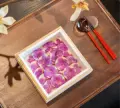
궁중 의식에서 봄 간식까지, 화전의 전통은 이어진다
From palace ritual to spring treat, hwajeon lives on
The Korea Herald
· 🇰🇷 Seoul, KR
Park Yuna
EN
2026-04-17 09:01
Translated
대니 구, 한국 데뷔 10주년 기념 리사이틀 개최
매년 봄이 오면 조선 시대(1910-1945)의 왕비는 진달래가 피는 창덕궁 비원으로 향했습니다.
흐르는 계곡 물가에서 왕비와 궁녀들은 막 따온 진달래 꽃잎을 얹은 찹쌀가루 팬케이크인 화전을 만들어 즐겼습니다. 한국학중앙연구원이 발간한 《한국민족문화대백과사전》에 이러한 내용이 기록되어 있습니다.
궁중을 넘어 민간에서도 이 풍습이 이어졌습니다. 음력 3월 3일인 삼짇날, 사람들은 봄의 도래를 기념하며 야외로 나섰습니다.
"조선 시대 여성들은 봄에 단체로 나가 야외에 작은 조리대를 만들고 화전을 만들며 '화전가'를 불렀습니다,"라고 성신여대 한국문학과 강혜선 교수는 설명했습니다.
"동시에 남성 선비들은 별도로 풍경 좋은 곳에 모여 화전을 먹으며 시를 지었습니다."
'화전가'는 봄의 아름다움과 여성들의 감정적 고뇌를 노래한 가사였고, '화전놀이'는 사람들이 야외에 모여 이 음식을 만들고 나누는 계절 행사였습니다.
"장미 화전(초여름)과 국화 화전(가을) 기록도 있지만, 우리가 일반적으로 화전이라 부르는 것은 진달래로 만든 것입니다,"라고 그녀는 덧붙였습니다.
사용되는 꽃은 3월 하순에서 4월 초에 피는 보라색 '진달래'이며, 독성이 있는 늦게 피는 '철쭉'이 아닙니다.
가혹한 환경에서도 잘 자라는 진달래는 오래전부터 '절개의 꽃'으로 여겨져 왔습니다. 한식진흥원에 따르면 그렇습니다.
오래전 과거의 유물로 여겨졌던 화전은 최근 현대 한국 디저트 가게에서 더 큐레이션되고 미학적으로 재해석되어 다시 등장했습니다.
한국 전통 디저트 카페 '합'의 신용일 대표는 개인적인 추억으로 화전을 선보이기 시작했다고 회상했습니다. 어머니가 정원에서 만개한 진달래 가지를 가져오신 것을 계기로 전통 음식을 재조명하게 되었다는 것입니다.
"많은 손님들이 화전을 먹어야 봄이 왔다는 느낌이 든다고 말합니다,"라고 신 대표는 전했습니다.
또 다른 현대 한국 디저트 가게 '1994서울'은 화전을 다과 코스에 포함시켜 계절별 과자로 선보이고 있습니다.
"은은한 견과류 풍미와 정제된 향으로, 먼저 눈으로 감상하고 입으로 맛보는 과자입니다,"라고 가게는 설명합니다.
4월에는 진달래 꽃잎을 얹은 화전을 제공하고, 다른 계절에는 식용 꽃을 활용해 변형된 화전을 선보입니다.
화전은 전통 음료인 오미자차(목련 열매로 만든 상쾌한 차)나 배숙(은은한 맛과 잘 어울리는 따뜻한 배 기반 음료)과 함께 곁들여지곤 합니다.
전통적으로 고운 찹쌀가루에 소금 한 꼬집을 넣고 부드러운 반죽을 합니다. 작은 덩이를 납작한 원형으로 만들어 약불에 지지되며, 완전히 익기 전에 꽃잎을 조심스럽게 올립니다. 완성된 화전은 꿀이나 설탕으로 가볍게 달콤하게 합니다.
하지만 이 과정은 예측하기 어렵습니다. 신 대표는 이 음식이 신선한 계절 꽃에 의존하기 때문에 생산은 전적으로 자연에 달려 있다고 말했습니다. 계절이 바뀌는 그 순간이 바로 화전에 의미를 부여합니다.
1년 내내 생산하려 하기보다, 그는 계절의 리듬을 따르기로 선택했습니다.
"꽃이 피는 시기를 통제할 수 없고, 바람이나 비에 쉽게 손상될 수 있습니다,"라고 그는 말했습니다. "기다려야 하는 것입니다. 그래서 돌아올 때마다 특별하게 느껴지는 것입니다."
흐르는 계곡 물가에서 왕비와 궁녀들은 막 따온 진달래 꽃잎을 얹은 찹쌀가루 팬케이크인 화전을 만들어 즐겼습니다. 한국학중앙연구원이 발간한 《한국민족문화대백과사전》에 이러한 내용이 기록되어 있습니다.
궁중을 넘어 민간에서도 이 풍습이 이어졌습니다. 음력 3월 3일인 삼짇날, 사람들은 봄의 도래를 기념하며 야외로 나섰습니다.
"조선 시대 여성들은 봄에 단체로 나가 야외에 작은 조리대를 만들고 화전을 만들며 '화전가'를 불렀습니다,"라고 성신여대 한국문학과 강혜선 교수는 설명했습니다.
"동시에 남성 선비들은 별도로 풍경 좋은 곳에 모여 화전을 먹으며 시를 지었습니다."
'화전가'는 봄의 아름다움과 여성들의 감정적 고뇌를 노래한 가사였고, '화전놀이'는 사람들이 야외에 모여 이 음식을 만들고 나누는 계절 행사였습니다.
"장미 화전(초여름)과 국화 화전(가을) 기록도 있지만, 우리가 일반적으로 화전이라 부르는 것은 진달래로 만든 것입니다,"라고 그녀는 덧붙였습니다.
사용되는 꽃은 3월 하순에서 4월 초에 피는 보라색 '진달래'이며, 독성이 있는 늦게 피는 '철쭉'이 아닙니다.
가혹한 환경에서도 잘 자라는 진달래는 오래전부터 '절개의 꽃'으로 여겨져 왔습니다. 한식진흥원에 따르면 그렇습니다.
오래전 과거의 유물로 여겨졌던 화전은 최근 현대 한국 디저트 가게에서 더 큐레이션되고 미학적으로 재해석되어 다시 등장했습니다.
한국 전통 디저트 카페 '합'의 신용일 대표는 개인적인 추억으로 화전을 선보이기 시작했다고 회상했습니다. 어머니가 정원에서 만개한 진달래 가지를 가져오신 것을 계기로 전통 음식을 재조명하게 되었다는 것입니다.
"많은 손님들이 화전을 먹어야 봄이 왔다는 느낌이 든다고 말합니다,"라고 신 대표는 전했습니다.
또 다른 현대 한국 디저트 가게 '1994서울'은 화전을 다과 코스에 포함시켜 계절별 과자로 선보이고 있습니다.
"은은한 견과류 풍미와 정제된 향으로, 먼저 눈으로 감상하고 입으로 맛보는 과자입니다,"라고 가게는 설명합니다.
4월에는 진달래 꽃잎을 얹은 화전을 제공하고, 다른 계절에는 식용 꽃을 활용해 변형된 화전을 선보입니다.
화전은 전통 음료인 오미자차(목련 열매로 만든 상쾌한 차)나 배숙(은은한 맛과 잘 어울리는 따뜻한 배 기반 음료)과 함께 곁들여지곤 합니다.
전통적으로 고운 찹쌀가루에 소금 한 꼬집을 넣고 부드러운 반죽을 합니다. 작은 덩이를 납작한 원형으로 만들어 약불에 지지되며, 완전히 익기 전에 꽃잎을 조심스럽게 올립니다. 완성된 화전은 꿀이나 설탕으로 가볍게 달콤하게 합니다.
하지만 이 과정은 예측하기 어렵습니다. 신 대표는 이 음식이 신선한 계절 꽃에 의존하기 때문에 생산은 전적으로 자연에 달려 있다고 말했습니다. 계절이 바뀌는 그 순간이 바로 화전에 의미를 부여합니다.
1년 내내 생산하려 하기보다, 그는 계절의 리듬을 따르기로 선택했습니다.
"꽃이 피는 시기를 통제할 수 없고, 바람이나 비에 쉽게 손상될 수 있습니다,"라고 그는 말했습니다. "기다려야 하는 것입니다. 그래서 돌아올 때마다 특별하게 느껴지는 것입니다."
처리 완료
2,630 tokens · $0.0052
기사 수집 완료 · 09:01
매체 피드에서 기사 메타데이터 수집
헤드라인 번역 완료 · 09:15
제목/요약 한국어 번역 (fetch 시점 inline)
kimi-k2.5
0 tokens
$0.00000
3.0s
본문 추출 완료
3,588자 추출 완료
본문 한국어 번역 완료 · 09:15
1,575자 번역 완료
kimi-k2.5
2,630 tokens
$0.00518
46.7s
지정학적 엔티티 추출 완료 · 09:15
4개 엔티티 추출 완료
지정학적 맥락 & R-Scanner
R-Scanner · 평상
z=-0.25
일상적인 보도 수준 — 기준: Changdeokgung Palace
(🇰🇷 KR)
최근 6시간 0건
7일 평균 0.29건 / 6h
0개국 매체
0개 매체
본문에서 추출된 지명 (4)
위치 지도
지도 로딩 중…
Danny Koo celebrates 10 years of Korea debut with recital
Each year as spring arrived, the queen of the Joseon era (1910-1945) would head to the secret garden of Changdeokgung Palace where azaleas bloomed.By the garden's flowing streams, the queen and her court women, would make and enjoy hwajeon — pancakes made of glutinous rice flour topped with freshly picked azalea petals. It was described in the Encyclopedia of Korean Culture published by the Academy of Korean Studies.
Beyond the palace, the custom was also enjoyed among commoners. On Samjinnal, the third day of the third lunar month, people ventured outdoors to mark the arrival of Spring.
“In the Joseon period, women would go out in groups during spring, set up small cooking stations outdoors and make hwajeon and sing 'hwajeon-ga,'” said Kang Hye-sun, professor of Korean literature at Sungshin Women’s University.
“At the same time, male scholars would gather separately in scenic places, eat hwajeon and compose poetry.”
"Hwajeon-ga" were songs that described both the beauty of spring and the emotional struggles of women, while "hwajeon nori" were seasonal outings where people gathered outdoors to make and share the dish.
“There are also records of rose hwajeon (in early summer) and chrysanthemum hwajeon (in fall), but what we commonly refer to as hwajeon is made with azaleas,” she said.
The flowers used are "jindallae" azaleas, the purple flowers that typically bloom from late March to early April, rather than the later blooming "cheoljjuk," which contain toxins.
Able to thrive even in harsh conditions, they have long been regarded as a “flower of integrity,” according to the Korea Food Promotion Institute.
Long regarded as a relic of the past, hwajeon has recently reappeared in contemporary Korean dessert shops, presented with a more curated and aesthetic approach.
Sin Yong-il, owner of Korean traditional dessert cafe Haap, recalls how he began offering hwajeon with a personal memory. His mother once brought him branches of blooming azaleas from her garden, prompting him to revisit the traditional dish.
“Many customers say they only feel that spring has arrived after eating hwajeon,” Sin said.
Another contemporary Korean dessert shop, 1994Seoul, has incorporated hwajeon into its tea course, presenting it as a seasonal confection.
“With its subtle nuttiness and refined aroma, it is a confection to be appreciated first with the eyes, then with the palate,” the shop explains.
In April, the shop serves hwajeon topped with azalea petals, while in other seasons it adapts the dish using different edible flowers.
Hwajeon is often paired with traditional drinks such as omija tea, a refreshing infusion made from magnolia berries or baesuk, a warm pear-based drink that complements its subtle flavors.
Traditionally, finely ground glutinous rice flour is mixed with a pinch of salt and kneaded into a soft dough. Small portions are shaped into flat rounds and gently pan-fried, with each flower petal carefully placed on top before the cakes are fully cooked. The finished pieces are lightly sweetened with honey or sugar.
But the process is far from predictable, Sin said. Because the dish relies on fresh, seasonal flowers, its production depends entirely on nature. That fleeting moment at the turn of the seasons is precisely what gives hwajeon its meaning.
Rather than trying to produce it year-round, he chooses to follow the rhythm of the season.
“You can’t control when the flowers bloom, and wind or rain can easily damage them,” he said. “It’s something you wait for. That’s why it feels special every time it comes back.”