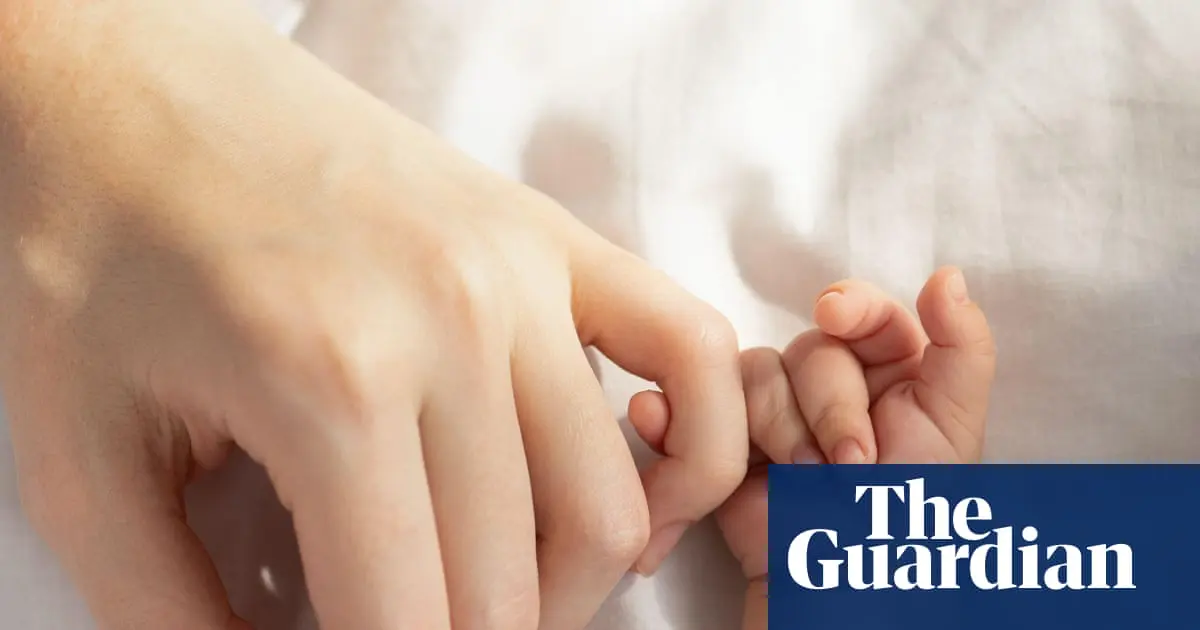
영국 부모 10명 중 4명, 신생아 필수용품 구입 어려움 겪어
Four in 10 UK parents struggle to afford essentials for newborns, study says
The Guardian
Tobi Thomas Health and inequalities correspondent
EN
2026-04-09 14:02
Translated
자선단체 바나도스가 2000명 대상 조사…절반 가까이 "생활비 때문에 자녀 학습·놀이 기회 상실"영국 전역의 부모 10명 중 4명이 신생아의 필수 양육용품을 구입하는 데 어려움을 겪고 있는 것으로 나타났다. 자선단체 바나도스가 5세 미만 자녀를 둔 부모 2000명을 대상으로 실시한 조사에 따르면, 거의 절반(49%)에 가까운 응답자들이 생활비 부담으로 인해 자녀가 학습과 놀이 기회를 놓쳤다고 느끼고 있는 것으로 집계됐다.
Four in 10 parents across the UK are struggling to afford essential items for the care of their newborn babies, according to research.
The survey of 2,000 parents with children aged under five by the charity Barnardo’s found that almost half (49%) felt their child had missed out on opportunities to learn or play because of the cost of living.
Meanwhile, 44% said financial pressures had affected their child’s development, including speech, socialising and physical play. More than half (54%) said they wished they had been able to provide more essential items for their newborn.
In Scotland, all parents are eligible for a box of baby essentials that includes clothes, books, a changing mat and a bath towel.
Since the scheme was launched by the Scottish government in 2017, more than 360,000 baby boxes have been distributed. However, in England, Wales and Northern Ireland, provision is inconsistent.
Barnardo’s is calling for the scheme to be rolled out nationwide, citing widespread public support for the initiative. Seven in 10 parents surveyed said baby boxes should be made universally available.
Lynn Perry, the charity’s chief executive, said such support was vital for making sure every baby “has what they need from the very beginning, regardless of their parents’ circumstances.
“Poverty steals the foundations of learning, playing and growing that are essential to build their futures, leading to delays in speech, growth and emotional development. [Baby boxes] mean a family doesn’t have to choose between heating and a cot, or between food for themselves and clothes for their newborn. It means the basics are there, ready and waiting, so parents can focus on bonding with their baby rather than worrying about how they’ll provide for them.
She added: “By giving parents the essential items they need from day one, we’re not just supporting families in crisis – we’re investing in children’s health, wellbeing and development for years to come. It’s something all parents need for their newborn babies, and which we are calling for the government to provide.”
An estimated 4 million children (27%) across the UK are estimated to be living in poverty, defined as households earning less than 60% of the national median income after housing costs, according to the latest statistics.
This is despite the scrapping of the two-child benefit policy this month, meaning some low-income families could be entitled to a payment equal to about £300 a month for each additional child. Although Barnardo’s has welcomed the move, it called for the government to focus on tackling poverty in the early years of life.
Juliea Morris, a Barnardo’s family centre manager in Woking, said the pressures facing new parents were the worst she had seen in her 30-year career.
“I’ve visited homes where babies are still sleeping in Moses baskets longer because families are unable to afford a cot, and toddlers are often still in prams when they are of an age for a pushchair but again families are unable to afford these,” she said. “These are not luxuries – they are basic items that keep babies and toddlers safe and healthy.”
She added: “We are privileged that families welcome us into their homes – it helps us gain an understanding of what’s important to them and the support they would like. Many families we are supporting are relying more on food banks than ever.”
A spokesperson for the Department for Work and Pensions said: “Our efforts to turn the tide on poverty after years of rising hardship are making a real difference – household incomes have risen 5% in real terms, about 100,000 fewer children are in deep material poverty and food bank usage has fallen.
“As part of our child poverty strategy, which will lift 550,000 children out of poverty, we’re releasing new guidance on baby formula pricing, potentially saving parents up to £540 in a baby’s first year, while our £1bn crisis and resilience fund is there for families who need extra support.”
The survey of 2,000 parents with children aged under five by the charity Barnardo’s found that almost half (49%) felt their child had missed out on opportunities to learn or play because of the cost of living.
Meanwhile, 44% said financial pressures had affected their child’s development, including speech, socialising and physical play. More than half (54%) said they wished they had been able to provide more essential items for their newborn.
In Scotland, all parents are eligible for a box of baby essentials that includes clothes, books, a changing mat and a bath towel.
Since the scheme was launched by the Scottish government in 2017, more than 360,000 baby boxes have been distributed. However, in England, Wales and Northern Ireland, provision is inconsistent.
Barnardo’s is calling for the scheme to be rolled out nationwide, citing widespread public support for the initiative. Seven in 10 parents surveyed said baby boxes should be made universally available.
Lynn Perry, the charity’s chief executive, said such support was vital for making sure every baby “has what they need from the very beginning, regardless of their parents’ circumstances.
“Poverty steals the foundations of learning, playing and growing that are essential to build their futures, leading to delays in speech, growth and emotional development. [Baby boxes] mean a family doesn’t have to choose between heating and a cot, or between food for themselves and clothes for their newborn. It means the basics are there, ready and waiting, so parents can focus on bonding with their baby rather than worrying about how they’ll provide for them.
She added: “By giving parents the essential items they need from day one, we’re not just supporting families in crisis – we’re investing in children’s health, wellbeing and development for years to come. It’s something all parents need for their newborn babies, and which we are calling for the government to provide.”
An estimated 4 million children (27%) across the UK are estimated to be living in poverty, defined as households earning less than 60% of the national median income after housing costs, according to the latest statistics.
This is despite the scrapping of the two-child benefit policy this month, meaning some low-income families could be entitled to a payment equal to about £300 a month for each additional child. Although Barnardo’s has welcomed the move, it called for the government to focus on tackling poverty in the early years of life.
Juliea Morris, a Barnardo’s family centre manager in Woking, said the pressures facing new parents were the worst she had seen in her 30-year career.
“I’ve visited homes where babies are still sleeping in Moses baskets longer because families are unable to afford a cot, and toddlers are often still in prams when they are of an age for a pushchair but again families are unable to afford these,” she said. “These are not luxuries – they are basic items that keep babies and toddlers safe and healthy.”
She added: “We are privileged that families welcome us into their homes – it helps us gain an understanding of what’s important to them and the support they would like. Many families we are supporting are relying more on food banks than ever.”
A spokesperson for the Department for Work and Pensions said: “Our efforts to turn the tide on poverty after years of rising hardship are making a real difference – household incomes have risen 5% in real terms, about 100,000 fewer children are in deep material poverty and food bank usage has fallen.
“As part of our child poverty strategy, which will lift 550,000 children out of poverty, we’re releasing new guidance on baby formula pricing, potentially saving parents up to £540 in a baby’s first year, while our £1bn crisis and resilience fund is there for families who need extra support.”