에너지 요금이 인상될 예정 - 이란 전쟁 때문만은 아님
Energy bills are set to rise - but not just due to the Iran war
BBC News
EN
2026-04-11 08:37
Translated
세계가 에너지 위기에 휩싸여 있는 가운데, 영국은 더 높은 비용을 유발하는 또 다른 핵심 요인에 직면하고 있습니다.
이란 전쟁의 발발 이후 세계는 또 다른 에너지 위기에 휩싸여 있으며, 경제 분석가들은 영국이 특히 심각한 영향을 받을 것으로 예상하고 있습니다.
웨스트민스터에서 의원들은 에너지 비용을 낮추기 위한 방법에 대해 일반적으로 두 가지 주장 중 하나를 펼치고 있습니다.
하지만 이 논쟁에서 거의 다루어지지 않은 에너지 요금 인상의 핵심 원인이 있습니다: 네트워크 비용입니다.
우리의 에너지 요금은 집에서 사용하는 가스와 전기뿐만 아니라 영국의 에너지 시스템을 유지, 현대화 및 확장하는 비용도 포함합니다.
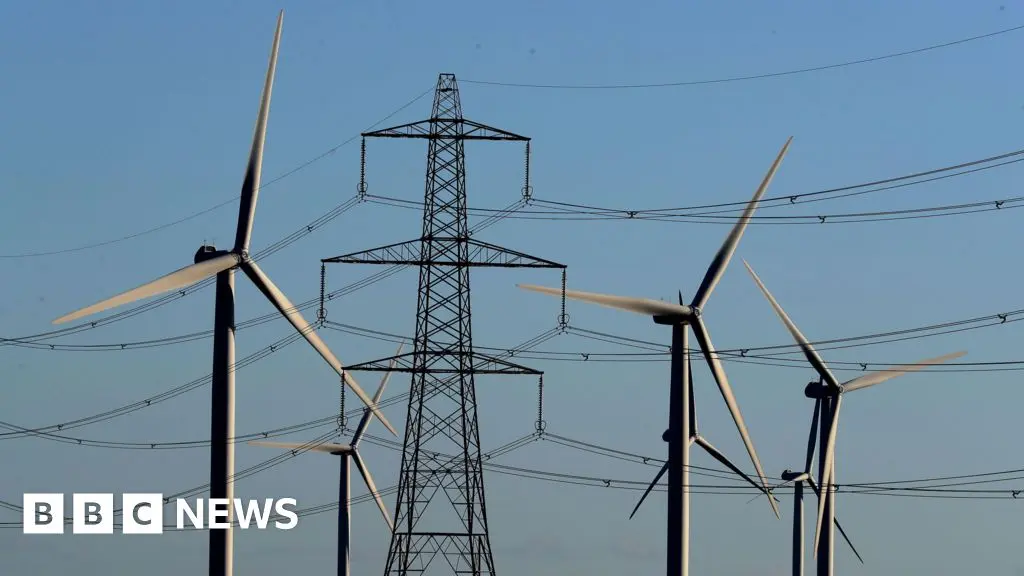
최근 수십 년 동안 풍력과 태양력과 같은 재생에너지에 대한 영국의 사용이 대폭 증가했으며, 이러한 원천에서 생성된 전력을 운반하기 위해 국가 전력망의 대대적인 업그레이드가 필요합니다.
많은 전기가 스코틀랜드 북부의 해상 풍력에서 나오고 있으며, 이 전력을 전국에 걸쳐 배포하기 위해 더 많은 케이블이 설치되고 있습니다.
이는 비용이 많이 드는 일입니다.
영국의 대대적인 재배선은 향후 5년 동안 약 700억 파운드의 비용이 들 것으로 예상됩니다.
한편, 연결 부족으로 인해 풍력 발전소가 전력망 과부하를 피하기 위해 터빈을 꺼지도록 지불받기도 합니다.
이러한 네트워크 비용은 가정용 에너지 요금으로 전가될 것입니다.
지난해 영국 에너지규제기관 오프젬은 전력망 투자가 2031년까지 평균 소비자 요금에 약 30파운드의 순증가를 초래할 것이라고 밝혔습니다.
이 계산은 증가할 것으로 예상되는 요금의 다른 요소들을 포함하지 않습니다.
독립 에너지 분석가 벤 제임스의 예측은 더욱 완전한 그림을 제시하며, 2030년까지 평균 연간 전기 요금이 1,045파운드가 될 것으로 제시하고 있으며, 이는 약 80파운드의 인상입니다.
그 증가분의 상당 부분은 네트워크 비용에서 나올 것으로 예상되며, 제임스의 계산에 따르면 2030년까지 연간 요금에 약 135파운드를 더할 것입니다.
에너지 공급업체 옥토퍼스의 또 다른 예측은 전기 요금이 2030년까지 최소 15% 인상될 수 있으며, 전력망 투자 및 기타 비용이 약 260~300파운드를 더할 수 있음을 시사합니다.
옥토퍼스 에너지의 경제학 담당 이사 레이첼 플레처는 "가스 가격이 안정적으로 유지되더라도, 가정용 전기 요금의 비상품 요소는 증가할 가능성이 높습니다"라고 말합니다.
"또한 현재 페르시아만의 불안정성이 인플레이션 압력을 만들고 있으며, 이는 우리의 2030년 예측의 상한선이 이제 훨씬 더 높다는 것을 의미합니다."
미래의 전기 배급 비용 같은 가정이 이러한 추정치에 포함되어 있으며 불확실성이 있다는 점을 주목하는 것이 중요합니다.
하지만 왜 이러한 네트워크 비용이 그렇게 높을 것으로 예상되나요?
에너지 분석가들은 일반적으로 오랫동안의 투자 부족을 지적합니다.
최근 연구에 따르면 에너지 네트워크 운영자들은 연간 490만 파운드를 과소 투자했습니다.
두 에너지 분석가는 전력망이 확장되기 전에 새로운 풍력 발전소가 네트워크에 연결될 수 있도록 하기 위해 오프젬이 2009년에 내린 결정을 지적했습니다.
"이는 투자 회피의 선례를 만들었습니다"라고 컨설팅 회사 스톤헤이븐의 정책 담당 이사 애덤 벨은 말합니다. "이것이 정부가 선호하는 설명입니다."
그렇다면 무엇을 할 수 있을까요?
노동당 정부는 2030년까지 청정 전력 95%를 달성하려는 임무를 계속 진행하고 있으며, 이것이 요금을 낮출 것이라고 믿고 있습니다.
자유민주당과 녹색당도 청정 전력 추진을 지지하고 있으며, 전자는 재생에너지 프로젝트 자금 조달 방식을 변경하는 계획을 제시하고, 후자는 석유 및 가스 회사에 대한 세금 인상을 요구하고 있습니다.
보수당과 개혁당은 재생에너지에 대해 비판적 입장을 취하고 있으며, 둘 다 비용 절감, 화석 연료 및 기후 공약 철회를 우선시하고 있으나 다른 제안을 제시하고 있습니다.
에너지 비용이 올해 급등한다면, 밀리밴드 에너지 장관이 정부의 2030년 청정 전력 목표를 미루도록 압력을 받을 수 있습니다.
경제학자가 최근 주장했듯이, 이는 재생에너지 전력의 보다 점진적인 구축을 의미할 수 있으며, 더 저렴한 육상 풍력에 투자하고 전기 시장을 개혁할 수 있는 더 많은 시간을 제공합니다.
토니 블레어 연구소도 청정 전력 임무에 대해 회의적이었으며, 비싼 전력망 구축은 전기 공급을 수요에 더 가깝게 배치함으로써 최소화되어야 한다고 제안했습니다.
이번 주에 발표된 문서에서 이 싱크탱크는 전력망 계획을 검토하여 "비용 효율성을 파악"하고 영국 정부의 세수를 증대시키기 위해 북해의 석유 및 가스 프로젝트 승인을 요구했습니다.
그러나 연결을 기다리는 풍력 발전소의 백로그가 있으므로, 이러한 네트워크 비용의 상당 부분이 이미 고착되어 있습니다.
E3G 싱크탱크의 선임 정책 고문 수지 엘크스는 "인플레이션은 우리가 어떤 에너지를 사용하든 에너지 네트워크에 투자하는 것이 더 비용이 들 것이라는 것을 의미합니다"라고 말했습니다.
그녀는 우리가 더 빨리 더 큰 청정 에너지 공급을 전력망에 연결할수록 더 좋다고 주장합니다.
이는 영국에서 수요를 충족시키기에 충분한 재생에너지가 없을 때, 전력망이 종종 가스로 생성된 전기를 사용하는데, 특히 글로벌 에너지 충격 중에 더 비쌀 수 있기 때문입니다.
"정부는 재생에너지를 사람들의 집으로 공급해야 가스와 석유 가격의 큰 급등으로부터 보호받을 수 있습니다"라고 엘크스는 말했습니다.
장기적으로 재생에너지로의 진전은 결국 우리의 에너지 요금을 낮출 것으로 예상됩니다.
국가에너지시스템운영자의 분석은 영국의 에너지 비용이 2025년 국민소득의 약 10%에서 2050년까지 약 5~6%로 감소할 수 있음을 시사합니다.
하지만 불확실한 미래 절감을 실현하기 위해 필요한 비용이 많이 드는 전력망 업그레이드를 고려하면, 2050년까지의 경로는 비용이 많이 들 수 있습니다.
이는 지금 당장 생활비 감소를 최우선으로 삼은 노동당 정부와 향후 수십 년 동안 권력을 잡기를 원하는 모든 정당에게 어색합니다.
웨스트민스터에서 의원들은 에너지 비용을 낮추기 위한 방법에 대해 일반적으로 두 가지 주장 중 하나를 펼치고 있습니다.
하지만 이 논쟁에서 거의 다루어지지 않은 에너지 요금 인상의 핵심 원인이 있습니다: 네트워크 비용입니다.
우리의 에너지 요금은 집에서 사용하는 가스와 전기뿐만 아니라 영국의 에너지 시스템을 유지, 현대화 및 확장하는 비용도 포함합니다.
최근 수십 년 동안 풍력과 태양력과 같은 재생에너지에 대한 영국의 사용이 대폭 증가했으며, 이러한 원천에서 생성된 전력을 운반하기 위해 국가 전력망의 대대적인 업그레이드가 필요합니다.
많은 전기가 스코틀랜드 북부의 해상 풍력에서 나오고 있으며, 이 전력을 전국에 걸쳐 배포하기 위해 더 많은 케이블이 설치되고 있습니다.
이는 비용이 많이 드는 일입니다.
영국의 대대적인 재배선은 향후 5년 동안 약 700억 파운드의 비용이 들 것으로 예상됩니다.
한편, 연결 부족으로 인해 풍력 발전소가 전력망 과부하를 피하기 위해 터빈을 꺼지도록 지불받기도 합니다.
이러한 네트워크 비용은 가정용 에너지 요금으로 전가될 것입니다.
지난해 영국 에너지규제기관 오프젬은 전력망 투자가 2031년까지 평균 소비자 요금에 약 30파운드의 순증가를 초래할 것이라고 밝혔습니다.
이 계산은 증가할 것으로 예상되는 요금의 다른 요소들을 포함하지 않습니다.
독립 에너지 분석가 벤 제임스의 예측은 더욱 완전한 그림을 제시하며, 2030년까지 평균 연간 전기 요금이 1,045파운드가 될 것으로 제시하고 있으며, 이는 약 80파운드의 인상입니다.
그 증가분의 상당 부분은 네트워크 비용에서 나올 것으로 예상되며, 제임스의 계산에 따르면 2030년까지 연간 요금에 약 135파운드를 더할 것입니다.
에너지 공급업체 옥토퍼스의 또 다른 예측은 전기 요금이 2030년까지 최소 15% 인상될 수 있으며, 전력망 투자 및 기타 비용이 약 260~300파운드를 더할 수 있음을 시사합니다.
옥토퍼스 에너지의 경제학 담당 이사 레이첼 플레처는 "가스 가격이 안정적으로 유지되더라도, 가정용 전기 요금의 비상품 요소는 증가할 가능성이 높습니다"라고 말합니다.
"또한 현재 페르시아만의 불안정성이 인플레이션 압력을 만들고 있으며, 이는 우리의 2030년 예측의 상한선이 이제 훨씬 더 높다는 것을 의미합니다."
미래의 전기 배급 비용 같은 가정이 이러한 추정치에 포함되어 있으며 불확실성이 있다는 점을 주목하는 것이 중요합니다.
하지만 왜 이러한 네트워크 비용이 그렇게 높을 것으로 예상되나요?
에너지 분석가들은 일반적으로 오랫동안의 투자 부족을 지적합니다.
최근 연구에 따르면 에너지 네트워크 운영자들은 연간 490만 파운드를 과소 투자했습니다.
두 에너지 분석가는 전력망이 확장되기 전에 새로운 풍력 발전소가 네트워크에 연결될 수 있도록 하기 위해 오프젬이 2009년에 내린 결정을 지적했습니다.
"이는 투자 회피의 선례를 만들었습니다"라고 컨설팅 회사 스톤헤이븐의 정책 담당 이사 애덤 벨은 말합니다. "이것이 정부가 선호하는 설명입니다."
그렇다면 무엇을 할 수 있을까요?
노동당 정부는 2030년까지 청정 전력 95%를 달성하려는 임무를 계속 진행하고 있으며, 이것이 요금을 낮출 것이라고 믿고 있습니다.
자유민주당과 녹색당도 청정 전력 추진을 지지하고 있으며, 전자는 재생에너지 프로젝트 자금 조달 방식을 변경하는 계획을 제시하고, 후자는 석유 및 가스 회사에 대한 세금 인상을 요구하고 있습니다.
보수당과 개혁당은 재생에너지에 대해 비판적 입장을 취하고 있으며, 둘 다 비용 절감, 화석 연료 및 기후 공약 철회를 우선시하고 있으나 다른 제안을 제시하고 있습니다.
에너지 비용이 올해 급등한다면, 밀리밴드 에너지 장관이 정부의 2030년 청정 전력 목표를 미루도록 압력을 받을 수 있습니다.
경제학자가 최근 주장했듯이, 이는 재생에너지 전력의 보다 점진적인 구축을 의미할 수 있으며, 더 저렴한 육상 풍력에 투자하고 전기 시장을 개혁할 수 있는 더 많은 시간을 제공합니다.
토니 블레어 연구소도 청정 전력 임무에 대해 회의적이었으며, 비싼 전력망 구축은 전기 공급을 수요에 더 가깝게 배치함으로써 최소화되어야 한다고 제안했습니다.
이번 주에 발표된 문서에서 이 싱크탱크는 전력망 계획을 검토하여 "비용 효율성을 파악"하고 영국 정부의 세수를 증대시키기 위해 북해의 석유 및 가스 프로젝트 승인을 요구했습니다.
그러나 연결을 기다리는 풍력 발전소의 백로그가 있으므로, 이러한 네트워크 비용의 상당 부분이 이미 고착되어 있습니다.
E3G 싱크탱크의 선임 정책 고문 수지 엘크스는 "인플레이션은 우리가 어떤 에너지를 사용하든 에너지 네트워크에 투자하는 것이 더 비용이 들 것이라는 것을 의미합니다"라고 말했습니다.
그녀는 우리가 더 빨리 더 큰 청정 에너지 공급을 전력망에 연결할수록 더 좋다고 주장합니다.
이는 영국에서 수요를 충족시키기에 충분한 재생에너지가 없을 때, 전력망이 종종 가스로 생성된 전기를 사용하는데, 특히 글로벌 에너지 충격 중에 더 비쌀 수 있기 때문입니다.
"정부는 재생에너지를 사람들의 집으로 공급해야 가스와 석유 가격의 큰 급등으로부터 보호받을 수 있습니다"라고 엘크스는 말했습니다.
장기적으로 재생에너지로의 진전은 결국 우리의 에너지 요금을 낮출 것으로 예상됩니다.
국가에너지시스템운영자의 분석은 영국의 에너지 비용이 2025년 국민소득의 약 10%에서 2050년까지 약 5~6%로 감소할 수 있음을 시사합니다.
하지만 불확실한 미래 절감을 실현하기 위해 필요한 비용이 많이 드는 전력망 업그레이드를 고려하면, 2050년까지의 경로는 비용이 많이 들 수 있습니다.
이는 지금 당장 생활비 감소를 최우선으로 삼은 노동당 정부와 향후 수십 년 동안 권력을 잡기를 원하는 모든 정당에게 어색합니다.
While the world is gripped by an energy crisis, Britain is facing another key driver of higher costs.
Since the outbreak of war in Iran, the world has been gripped by another energy crisis and economic analysts expect the UK to be particularly badly affected.At Westminster, MPs have generally been making one of two arguments about ways to lower our energy costs, which can be summed up as:
But there's a key cause of rising energy bills that this debate has barely touched on: network costs.
Our energy bills don't just pay for the gas and electricity we use at home. They also cover the costs of maintaining, modernising and expanding Britain's energy system.
Britain's use of renewables, such as wind and solar, has increased massively in recent decades and major upgrades to the national electricity grid are needed to carry the power generated from these sources.
A lot of the electricity is coming from offshore wind in northern Scotland and many more cables are being installed to distribute this power across the country.
This is not cheap.
The great rewiring of Britain is expected to cost about £70bn over the next five years.
Meanwhile, the lack of connections mean wind farms are sometimes paid to switch off their turbines to avoid overloading the grid.
These network costs will filter through to household energy bills.
Last year, UK energy regulator Ofgem said investments in the grid would contribute to a net increase of about £30 to the average consumer bill by 2031.
That calculation doesn't include other elements of the bill that are expected to increase.
A forecast by Ben James, an independent energy analyst, presents a fuller picture, suggesting the average annual electricity bill will be £1,045 by 2030, a rise of about £80.
Much of that increase is forecast to come from network costs which, according to James's calculations, will add about £135 to annual bills by 2030.
Another forecast, by energy supplier Octopus, suggests electricity bills could increase by at least 15% by 2030, with grid investments and other costs adding about £260-£300.
"Even if gas prices stay steady, the non-commodity elements of the household electricity bill are likely to go up," says Rachel Fletcher, director of economics at Octopus Energy.
"It is also the case that the current instability in the Gulf is creating inflationary pressures which mean the upper end of our 2030 forecast is now even higher."
It's important to note that assumptions, such as future electricity distribution costs, are built into these estimates and there is uncertainty.
But why are these network costs projected to be so high?
Energy analysts tend to blame years of underinvestment.
A recent study found energy network operators had underinvested by £490m annually.
Two energy analysts pointed to a 2009 decision made by Ofgem to enable new wind farms to connect to the network before the grid had been expanded.
"This created a precedent for avoiding investment," says Adam Bell, director of policy at Stonehaven, a consultancy. "This is the explanation the government prefers."
So what can be done?
The Labour government is pressing on with its mission to reach 95% clean power by 2030, believing it will lower bills.
The Liberal Democrats and the Green Party also support the dash for clean power, with the former setting out plans to change how renewable projects are paid for, and the latter calling for higher taxes on oil and gas companies.
But the Conservatives and Reform have taken critical stances on renewables, both prioritising cost-cutting, fossil fuels, and reversing climate commitments, albeit with different proposals.
If energy costs soar this year, Energy Secretary Miliband could come under pressure to push back the government's 2030 clean power target.
As the Economist recently argued, that could mean a more gradual build-out of renewable power, allowing more time to invest in cheaper onshore wind and reform the electricity market.
The Tony Blair Institute has also expressed scepticism about the clean-power mission, suggesting expensive grid buildout should be minimised by placing electricity supply closer to demand.
In a paper published this week, the think tank called for a review of grid plans to "identify cost efficiencies" and the approval of oil and gas projects in the North Sea to boost the UK government's tax intake.
With a backlog of wind farms waiting for connections, though, a lot of these network costs are already baked in.
"Inflation means that investing in our energy networks will cost more, whatever energy we use," said Susie Elks, senior policy adviser at the E3G think tank.
She argues the faster we hook up a bigger supply of clean energy to the grid, the better.
That's because in Britain, when there isn't enough renewable power to meet demand, the grid often uses gas-generated electricity, which can be more expensive, especially during global energy shocks.
"The government needs to get renewable energy to people's homes so they can be protected from big spikes in the gas and oil price," Elks said.
In the long term, the march towards renewables is expected to reduce our energy bills eventually.
Analysis by the National Energy System Operator suggests Britain's energy costs could drop from about 10% of national income in 2025 to about 5-6% by 2050.
But with costly grid upgrades needed to realise uncertain future savings, the path to 2050 could be an expensive one.
That's awkward for a Labour government that's made reducing the cost of living right now its top priority, and any party that wishes to be in power during the next few decades.