민주당, 자신들의 예비선거에 쏟아지는 외부 단체 자금에 대응
Democrats tackle outside groups flooding their primaries with campaign cash
Associated Press
https://apnews.com/author/leah-askarinam
EN
2026-04-12 00:25
Translated
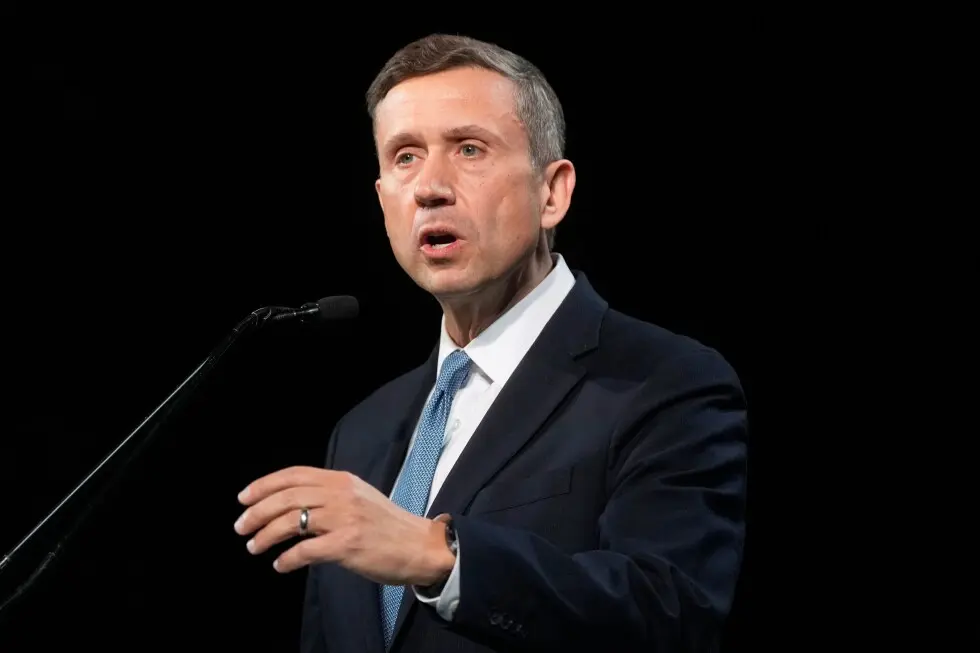
켄 마틴이 2026년 2월 21일 샌프란시스코에서 열린 2026년 캘리포니아 민주당 주 대회에서 연설하고 있다. (AP Photo/Jeff Chiu, File)
워싱턴 (AP) — 민주당은 외부 단체들이 1차 중간선거 예비선거에 엄청난 자금을 쏟아붓자 숨을 쉴 틈도 없는 상황에 처해 있다.
당이 의회 통제권을 되찾으려고 애쓰는 가운데, 미국-이스라엘 공공문제위원회(AIPAC)와 제휴한 단체들, 암호화폐 및 인공지능 관련 단체들이 광고판을 장악했으며, 때로는 후보자들을 자신들의 캠페인 바깥쪽에 남겨두기도 했다.
민주당 여론조사 전문가 재크 맥크래리는 예비선거가 "대리 전쟁이 되었고, 후보자들은 더 큰 충돌 속에서 거의 뒷전이 되었다"고 말했다.
이에 대응하기 위해 민주당전국위원회는 뉴올리언스에서 열린 봄 회의에서 지출 급증을 규탄하는 결의안에 투표했다.
이 결의안 패키지에 반대한 위원들은 AIPAC과 같은 특정 단체들을 규탄하는 언어를 원했다. AIPAC은 이스라엘과 미국 간의 더 강한 관계를 조성하기 위해 설립되었다. 이 조직은 가자 전쟁 중 그리고 공격적인 캠페인 전술로 인해 특히 논쟁이 되었다.
다양한 단체들로부터의 자금 홍수는 당 내 긴장을 악화시켰다. 패배한 후보자들은 특수 이익 단체들을 비난하며 자신들의 캠페인을 방해했다고 지적했다. 여전히 경쟁 중인 다른 후보자들은 깊은 주머니를 가진 외부 단체들을 규탄함으로써 유권자들에게 호소하고 있다. 지출로부터 혜택을 받은 사람들조차도 우려를 표현했다.
"확실히 새로운 세상이다"라고 맥크래리는 말했다.
"우리는 캠페인 지출의 두 배 증가에 대해 이야기하는 것이 아니다"고 그는 덧붙였다. "우리는 10배 또는 20배 더 많은 지출에 대해 이야기하고 있다."
민주당 하원 캠페인 위원회의 전 사무이사인 댄 세나는 당 조직이 더 이상 선호하는 후보자를 밀어붙일 수 있는 유일한 단체가 아니라고 말했다.
"모든 것이 완전히 파괴되었다"고 세나는 말했다. 민주당이 미국 하원을 되찾더라도 외부 지출이 장기적으로 당에 피해를 줄 수 있다고 그는 경고했다.
하원 소수당 지도자 하킴 제프리스를 언급하며 그는 "당신은 제프리스에게 분열된 정당 구성원을 물려줄 것이다"고 말했다.
지금까지 이번 사이클에서 미국 하원 경쟁에서의 외부 자금은 특히 민주당에 우호적인 지역구를 목표로 했으며, 예비선거가 11월의 총선에서 누가 승리할지 결정할 가능성이 높다. 올해 기록적인 수의 하원의원이 은퇴한 후, 많은 의석들이 수년 만에 처음으로 개방되어 민주당 후보자들을 수십 명 끌어들였다.
예를 들어 일리노이에서는 5개의 민주당 예비선거 지역구에서 1억 2,500만 달러 이상의 외부 지출이 있었다. 이 의회 경쟁의 모든 것을 제외한 하나에서 외부 지출이 후보자 지출을 초과했다.
달력이 아직 초반이지만, 훨씬 더 많은 경쟁이 큰 지출을 볼 수 있다는 지표들이 있다. 연방 선거 위원회 서류에 따르면 거의 40개의 의석이 이미 외부 지출에서 100만 달러 이상을 기록했다.
일리노이에서 광고 구매를 추적하는 애드임팩트에 따르면 하원 경쟁에서 상위 3개의 지출자는 AIPAC과 제휴한 단체들이었고, 그 다음은 암호화폐 관련 페어셰이크였다.
민주당전국위원회의 소위원회에 제출된 결의안은 구체적으로 AIPAC을 언급했지만 그것은 통과되지 않았다. 대신 위원들은 "민주당 예비선거에서 규제되지 않는 암흑 자금의 영향을 규탄한다"는 별도의 결의안에 투표했다.
"우리는 다양한 산업과 단체에 초점을 맞춘 여러 결의안을 가지고 있었고, 하나씩 진행하는 대신 포괄적인 거부에 투표했다"고 민주당전국위원회 의장 켄 마틴은 성명에서 말했다.
최근 민주당전국위원회 회의는 진보파와 당 지도부 간의 오래된 분쟁의 또 다른 장을 표시했다.
일부 진보파는 당이 모든 민주당 대통령 후보자가 암흑 자금 단체나 기부자 공개가 필요하지 않은 슈퍼팩의 자금을 반대하는 공식 언어를 채택하기를 원한다.
"우리가 실제로 이 문제에 대해 당이 뭔가를 하도록 하는 것이 필수적이다. 단지 말하는 것이 아니라"고 버몬트의 독립 상원의원 버니 샌더스가 설립한 진보파 단체인 우리의 혁명의 공동의장 래리 코헨은 말했다.
뉴올리언스의 민주당전국위원회 회의에서 통과된 결의안은 진보파에 의해 그 목표를 향한 한 걸음으로 보여진다. 하지만 일부 민주당원들은 현금이 풍부한 공화당과 맞설 때 자신의 후보자들을 약화시키는 것에 대해 경고한다.
"우리가 총선에서 자신을 묶지 않는다면 — 공화당이 총선에서 암흑 자금을 사용할 것이라면 우리도 총선에서 우리의 자금을 사용해야 한다 — 균등한 경쟁의 장을 제공한다면 나는 그것이 좋다고 생각한다"고 애리조나 민주당 상원의원 루벤 갤레고는 말했다. "그러나 우리는 총선에서 자신을 묶어 경쟁을 잃을 수는 없다."
민주당전국위원회의 결의안은 외부 단체들이 예비선거나 총선거에 자금을 쏟아붓는 것을 막지 못한다. 그러나 일부 민주당원들은 이것이 당의 가치 핵심이라고 생각한다.
"우리는 민주당 예비선거에서 슈퍼팩을 제거해야 한다. 그리고 나는 2028년의 모든 대통령 후보자가 민주당 예비선거에서 슈퍼팩 지출이 없을 것이라고 약속해야 한다고 생각한다"고 진보파이자 가능성 있는 민주당 대통령 후보자이며 2020년 샌더스의 대선 캠페인의 공동의장인 하원의원 로 칸나는 말했다.
"그것이 기준 테스트가 되어야 한다"고 칸나는 주장했다. "당신이 그 약속을 할 의사가 없다면 당신은 문제의 일부이다."
워싱턴 (AP) — 민주당은 외부 단체들이 1차 중간선거 예비선거에 엄청난 자금을 쏟아붓자 숨을 쉴 틈도 없는 상황에 처해 있다.
당이 의회 통제권을 되찾으려고 애쓰는 가운데, 미국-이스라엘 공공문제위원회(AIPAC)와 제휴한 단체들, 암호화폐 및 인공지능 관련 단체들이 광고판을 장악했으며, 때로는 후보자들을 자신들의 캠페인 바깥쪽에 남겨두기도 했다.
민주당 여론조사 전문가 재크 맥크래리는 예비선거가 "대리 전쟁이 되었고, 후보자들은 더 큰 충돌 속에서 거의 뒷전이 되었다"고 말했다.
이에 대응하기 위해 민주당전국위원회는 뉴올리언스에서 열린 봄 회의에서 지출 급증을 규탄하는 결의안에 투표했다.
이 결의안 패키지에 반대한 위원들은 AIPAC과 같은 특정 단체들을 규탄하는 언어를 원했다. AIPAC은 이스라엘과 미국 간의 더 강한 관계를 조성하기 위해 설립되었다. 이 조직은 가자 전쟁 중 그리고 공격적인 캠페인 전술로 인해 특히 논쟁이 되었다.
다양한 단체들로부터의 자금 홍수는 당 내 긴장을 악화시켰다. 패배한 후보자들은 특수 이익 단체들을 비난하며 자신들의 캠페인을 방해했다고 지적했다. 여전히 경쟁 중인 다른 후보자들은 깊은 주머니를 가진 외부 단체들을 규탄함으로써 유권자들에게 호소하고 있다. 지출로부터 혜택을 받은 사람들조차도 우려를 표현했다.
"확실히 새로운 세상이다"라고 맥크래리는 말했다.
"우리는 캠페인 지출의 두 배 증가에 대해 이야기하는 것이 아니다"고 그는 덧붙였다. "우리는 10배 또는 20배 더 많은 지출에 대해 이야기하고 있다."
민주당 하원 캠페인 위원회의 전 사무이사인 댄 세나는 당 조직이 더 이상 선호하는 후보자를 밀어붙일 수 있는 유일한 단체가 아니라고 말했다.
"모든 것이 완전히 파괴되었다"고 세나는 말했다. 민주당이 미국 하원을 되찾더라도 외부 지출이 장기적으로 당에 피해를 줄 수 있다고 그는 경고했다.
하원 소수당 지도자 하킴 제프리스를 언급하며 그는 "당신은 제프리스에게 분열된 정당 구성원을 물려줄 것이다"고 말했다.
지금까지 이번 사이클에서 미국 하원 경쟁에서의 외부 자금은 특히 민주당에 우호적인 지역구를 목표로 했으며, 예비선거가 11월의 총선에서 누가 승리할지 결정할 가능성이 높다. 올해 기록적인 수의 하원의원이 은퇴한 후, 많은 의석들이 수년 만에 처음으로 개방되어 민주당 후보자들을 수십 명 끌어들였다.
예를 들어 일리노이에서는 5개의 민주당 예비선거 지역구에서 1억 2,500만 달러 이상의 외부 지출이 있었다. 이 의회 경쟁의 모든 것을 제외한 하나에서 외부 지출이 후보자 지출을 초과했다.
달력이 아직 초반이지만, 훨씬 더 많은 경쟁이 큰 지출을 볼 수 있다는 지표들이 있다. 연방 선거 위원회 서류에 따르면 거의 40개의 의석이 이미 외부 지출에서 100만 달러 이상을 기록했다.
일리노이에서 광고 구매를 추적하는 애드임팩트에 따르면 하원 경쟁에서 상위 3개의 지출자는 AIPAC과 제휴한 단체들이었고, 그 다음은 암호화폐 관련 페어셰이크였다.
민주당전국위원회의 소위원회에 제출된 결의안은 구체적으로 AIPAC을 언급했지만 그것은 통과되지 않았다. 대신 위원들은 "민주당 예비선거에서 규제되지 않는 암흑 자금의 영향을 규탄한다"는 별도의 결의안에 투표했다.
"우리는 다양한 산업과 단체에 초점을 맞춘 여러 결의안을 가지고 있었고, 하나씩 진행하는 대신 포괄적인 거부에 투표했다"고 민주당전국위원회 의장 켄 마틴은 성명에서 말했다.
최근 민주당전국위원회 회의는 진보파와 당 지도부 간의 오래된 분쟁의 또 다른 장을 표시했다.
일부 진보파는 당이 모든 민주당 대통령 후보자가 암흑 자금 단체나 기부자 공개가 필요하지 않은 슈퍼팩의 자금을 반대하는 공식 언어를 채택하기를 원한다.
"우리가 실제로 이 문제에 대해 당이 뭔가를 하도록 하는 것이 필수적이다. 단지 말하는 것이 아니라"고 버몬트의 독립 상원의원 버니 샌더스가 설립한 진보파 단체인 우리의 혁명의 공동의장 래리 코헨은 말했다.
뉴올리언스의 민주당전국위원회 회의에서 통과된 결의안은 진보파에 의해 그 목표를 향한 한 걸음으로 보여진다. 하지만 일부 민주당원들은 현금이 풍부한 공화당과 맞설 때 자신의 후보자들을 약화시키는 것에 대해 경고한다.
"우리가 총선에서 자신을 묶지 않는다면 — 공화당이 총선에서 암흑 자금을 사용할 것이라면 우리도 총선에서 우리의 자금을 사용해야 한다 — 균등한 경쟁의 장을 제공한다면 나는 그것이 좋다고 생각한다"고 애리조나 민주당 상원의원 루벤 갤레고는 말했다. "그러나 우리는 총선에서 자신을 묶어 경쟁을 잃을 수는 없다."
민주당전국위원회의 결의안은 외부 단체들이 예비선거나 총선거에 자금을 쏟아붓는 것을 막지 못한다. 그러나 일부 민주당원들은 이것이 당의 가치 핵심이라고 생각한다.
"우리는 민주당 예비선거에서 슈퍼팩을 제거해야 한다. 그리고 나는 2028년의 모든 대통령 후보자가 민주당 예비선거에서 슈퍼팩 지출이 없을 것이라고 약속해야 한다고 생각한다"고 진보파이자 가능성 있는 민주당 대통령 후보자이며 2020년 샌더스의 대선 캠페인의 공동의장인 하원의원 로 칸나는 말했다.
"그것이 기준 테스트가 되어야 한다"고 칸나는 주장했다. "당신이 그 약속을 할 의사가 없다면 당신은 문제의 일부이다."
처리 완료 4,715 tokens · $0.0137
기사 수집 완료 · 00:25
매체 피드에서 기사 메타데이터 수집
헤드라인 번역 완료 · 00:35
제목/요약 한국어 번역 (fetch 시점 inline)
claude-haiku-4-5-20251001
165 tokens
$0.00048
1.7s
본문 추출 완료
5,459자 추출 완료
본문 한국어 번역 완료 · 00:35
2,671자 번역 완료
claude-haiku-4-5-20251001
4,550 tokens
$0.01327
30.2s
지정학적 엔티티 추출 완료 · 00:35
8개 엔티티 추출 완료
Ken Martin speaks at the 2026 California Democratic Party State Convention in San Francisco, Feb. 21, 2026. (AP Photo/Jeff Chiu, File)
WASHINGTON (AP) — Democrats are struggling to come up for air after outside groups flooded their first round of midterm primaries with campaign cash.
As the party fights to regain control of Congress, organizations affiliated with the American Israel Public Affairs Committee, cryptocurrency and artificial intelligence have dominated the airwaves, sometimes leaving candidates on the sidelines of their own campaigns.
Democratic pollster Zac McCrary said the primaries have “become proxy wars, and the candidates are almost afterthoughts in larger skirmishes.”
In an effort to push back, the Democratic National Committee voted at its spring meeting in New Orleans to condemn the surge in spending.
Members who opposed the package of resolutions wanted language to condemn specific groups, such as AIPAC, which was founded to foster stronger relations between Israel and the U.S. The organization has become especially controversial during the war in Gaza and because of its aggressive campaign tactics.
The flood of money from a variety of groups has exacerbated tensions within the party. Candidates who lost have pointed their fingers at special interests, blaming them for derailing their campaigns. Others who are still in the running are courting voters by denouncing deep-pocketed outside groups. Even those who have benefited from the spending have expressed concern.
“It’s definitely a brave new world,” McCrary said.
“We’re not talking about doubling of campaign expenditures,” he added. “We’re talking about 10 times or 20 times more.”
Dan Sena, a former executive director at the Democratic Congressional Campaign Committee, said party organizations are no longer the only ones with the clout to push favored candidates.
“All that’s been completely smashed now,” Sena said. Even if Democrats regain control of the U.S. House, he warned that outside spending could damage the party in the long run.
Referring to House Minority Leader Hakeem Jeffries, he said, “You’re going to hand Jeffries a caucus that is divided.”
So far this cycle, outside money in U.S. House races has largely targeted districts particularly friendly to Democrats, meaning the primaries will likely determine who will win the general election in November. After a record number of House members retired this year, many of those seats opened up for the first time in years, drawing dozens of Democratic hopefuls.
In Illinois, for example, there was more than $125 million in outside spending across five open Democratic primaries. In all but one of those congressional races, the outside spending exceeded candidate spending.
While it’s still early in the calendar, there are indicators that many more races could see big spending. Almost 40 seats have already seen more than $1 million in outside spending, according to Federal Election Commission filings.
In Illinois, the top three spenders in U.S. House races were groups affiliated with AIPAC, according to AdImpact, which tracks ad buys in political races, followed by the cryptocurrency-affiliated Fairshake.
A resolution presented to a subcommittee at the DNC specifically named AIPAC, but that one didn’t pass. Instead, members voted for a separate resolution that “condemns the influence of unregulated dark money in Democratic primary elections.”
“We had various resolutions that focused on different industries and groups, and instead of going one-by-one, we passed a blanket repudiation,” DNC Chair Ken Martin said in a statement.
The latest DNC meeting marked another chapter in longstanding disputes between progressives and the party establishment.
Some progressives want the party to adopt official language that all Democratic presidential contenders oppose money from dark-money groups, or super PACs that aren’t required to disclose their donors.
“It’s necessary that we actually have the party do something on this issue, not just say something,” said Larry Cohen, co-chair of Our Revolution, a progressive group founded by independent Sen. Bernie Sanders of Vermont, who caucuses with Democrats.
The resolution passed at the DNC meeting in New Orleans is viewed by progressives as a step toward that goal. However, some Democrats warn against weakening their candidates when facing a Republican Party that’s flush with cash.
“Provided that we don’t handcuff ourselves in the general elections — because if the Republicans are going to use dark money in general elections, we should be using our money in general elections, too — if you provide an even playing field, I think then that’s fine,” said Sen. Ruben Gallego, an Arizona Democrat. “But we just can’t be handcuffing ourselves in the general to lose races.”
DNC resolutions do not stop outside groups from surging funds into primary contests or general elections. But some Democrats believe the issue is core to the party’s values.
“We should eliminate any super PAC in a Democratic primary. And I think every presidential candidate in 2028 should pledge that they will not have any super PAC spending in a Democratic primary,” said Rep. Ro Khanna, a progressive and possible Democratic presidential contender who co-chaired Sanders’ 2020 presidential campaign.
“That should be a litmus test,” Khanna argued. “If you’re not willing to take that pledge, then you’re part of the problem.”
WASHINGTON (AP) — Democrats are struggling to come up for air after outside groups flooded their first round of midterm primaries with campaign cash.
As the party fights to regain control of Congress, organizations affiliated with the American Israel Public Affairs Committee, cryptocurrency and artificial intelligence have dominated the airwaves, sometimes leaving candidates on the sidelines of their own campaigns.
Democratic pollster Zac McCrary said the primaries have “become proxy wars, and the candidates are almost afterthoughts in larger skirmishes.”
In an effort to push back, the Democratic National Committee voted at its spring meeting in New Orleans to condemn the surge in spending.
Members who opposed the package of resolutions wanted language to condemn specific groups, such as AIPAC, which was founded to foster stronger relations between Israel and the U.S. The organization has become especially controversial during the war in Gaza and because of its aggressive campaign tactics.
The flood of money from a variety of groups has exacerbated tensions within the party. Candidates who lost have pointed their fingers at special interests, blaming them for derailing their campaigns. Others who are still in the running are courting voters by denouncing deep-pocketed outside groups. Even those who have benefited from the spending have expressed concern.
“It’s definitely a brave new world,” McCrary said.
“We’re not talking about doubling of campaign expenditures,” he added. “We’re talking about 10 times or 20 times more.”
Dan Sena, a former executive director at the Democratic Congressional Campaign Committee, said party organizations are no longer the only ones with the clout to push favored candidates.
“All that’s been completely smashed now,” Sena said. Even if Democrats regain control of the U.S. House, he warned that outside spending could damage the party in the long run.
Referring to House Minority Leader Hakeem Jeffries, he said, “You’re going to hand Jeffries a caucus that is divided.”
So far this cycle, outside money in U.S. House races has largely targeted districts particularly friendly to Democrats, meaning the primaries will likely determine who will win the general election in November. After a record number of House members retired this year, many of those seats opened up for the first time in years, drawing dozens of Democratic hopefuls.
In Illinois, for example, there was more than $125 million in outside spending across five open Democratic primaries. In all but one of those congressional races, the outside spending exceeded candidate spending.
While it’s still early in the calendar, there are indicators that many more races could see big spending. Almost 40 seats have already seen more than $1 million in outside spending, according to Federal Election Commission filings.
In Illinois, the top three spenders in U.S. House races were groups affiliated with AIPAC, according to AdImpact, which tracks ad buys in political races, followed by the cryptocurrency-affiliated Fairshake.
A resolution presented to a subcommittee at the DNC specifically named AIPAC, but that one didn’t pass. Instead, members voted for a separate resolution that “condemns the influence of unregulated dark money in Democratic primary elections.”
“We had various resolutions that focused on different industries and groups, and instead of going one-by-one, we passed a blanket repudiation,” DNC Chair Ken Martin said in a statement.
The latest DNC meeting marked another chapter in longstanding disputes between progressives and the party establishment.
Some progressives want the party to adopt official language that all Democratic presidential contenders oppose money from dark-money groups, or super PACs that aren’t required to disclose their donors.
“It’s necessary that we actually have the party do something on this issue, not just say something,” said Larry Cohen, co-chair of Our Revolution, a progressive group founded by independent Sen. Bernie Sanders of Vermont, who caucuses with Democrats.
The resolution passed at the DNC meeting in New Orleans is viewed by progressives as a step toward that goal. However, some Democrats warn against weakening their candidates when facing a Republican Party that’s flush with cash.
“Provided that we don’t handcuff ourselves in the general elections — because if the Republicans are going to use dark money in general elections, we should be using our money in general elections, too — if you provide an even playing field, I think then that’s fine,” said Sen. Ruben Gallego, an Arizona Democrat. “But we just can’t be handcuffing ourselves in the general to lose races.”
DNC resolutions do not stop outside groups from surging funds into primary contests or general elections. But some Democrats believe the issue is core to the party’s values.
“We should eliminate any super PAC in a Democratic primary. And I think every presidential candidate in 2028 should pledge that they will not have any super PAC spending in a Democratic primary,” said Rep. Ro Khanna, a progressive and possible Democratic presidential contender who co-chaired Sanders’ 2020 presidential campaign.
“That should be a litmus test,” Khanna argued. “If you’re not willing to take that pledge, then you’re part of the problem.”