트럼프 행정부로부터 수십억 달러의 재난 자금을 기다리고 있는 지역사회들
Communities are waiting on billions in disaster funding from the Trump administration
NPR
Lauren Sommer
EN
2026-04-10 18:15
Translated
주(State)들은 트럼프 행정부 하에서 연방재난관리청(FEMA)의 재난 자금이 겨우 흘러나오고 있다고 말합니다. 이로 인해 산불과 허리케인으로부터 지역사회를 보호하기 위한 프로젝트가 지연되고 있습니다.
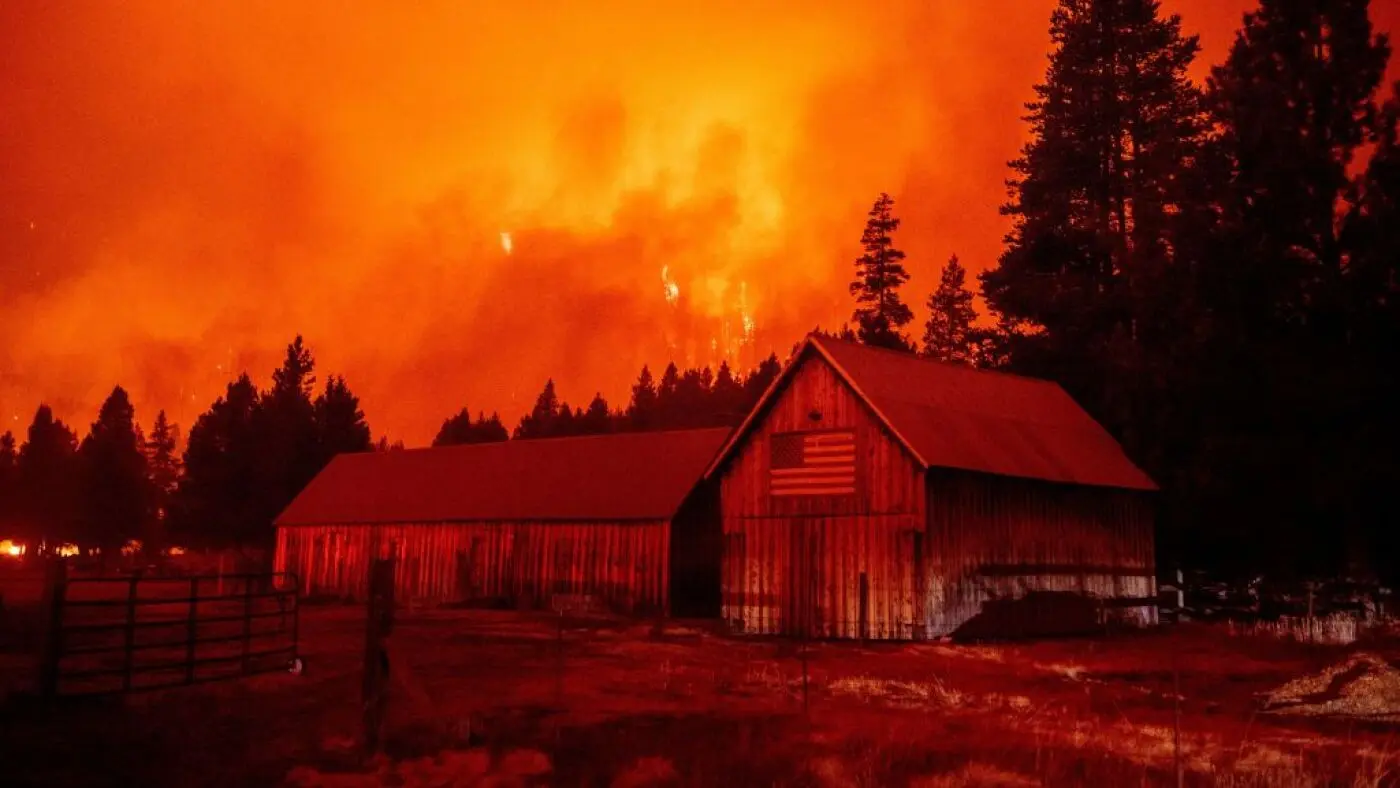
2021년 칼도르 화재는 캘리포니아의 엘도라도 카운티에 경종을 울렸습니다. 이 지역사회는 재난 준비 프로젝트를 보류하고 있는 FEMA의 적체로 인해 기다리고 있는 전국의 수백 개 지역사회 중 하나입니다.
플레이서빌, 캘리포니아는 산불 위험에 처한 지역사회의 모든 특징을 보여줍니다. 이 도시의 구릉지는 뜨거운 여름 동안 마르는 조밀한 수풀로 가득 차 있습니다. 점화되기 쉬운 목재로 된 오래된 주택들이 곳곳에 산재해 있습니다.
"이것은 참화를 위한 완벽한 폭풍입니다"라고 플레이서빌이 위치한 엘도라도 카운티의 산불 회복력 담당관인 타냐 할로우(Tanya Harlow)가 말합니다.
지역 관계자들은 이에 대해 뭔가 하려고 노력하고 있습니다. 이 지역사회는 주택이 산불에서 생존하도록 돕기 위한 프로그램을 시범운영하는 소수 지역 중 하나입니다. 주민들은 내화성 건축 자재를 추가하고 집 주변의 가연성 수풀을 제거할 수 있는 재정 지원을 받을 수 있습니다. 이 프로그램은 주로 연방재난관리청(FEMA)으로부터 자금을 지원받습니다.
3년 동안 카운티 직원들은 500채 이상의 주택에 등록하기 위해 준비해왔습니다. 하지만 트럼프 행정부 하에서 이 프로젝트는 1년 이상 정체되어 있습니다. 이 카운티는 FEMA가 프로젝트 계획을 승인해야 하지만, 그 기관은 응답하지 않았습니다.
플레이서빌은 FEMA에서 증가하는 적체를 기다리고 있는 전국의 수백 개 지역사회 중 하나입니다. 주(State)들은 트럼프 행정부 하에서 재난 자금 지급이 겨우 흘러나오고 있으며, 이는 지역사회가 산불, 허리케인 및 홍수를 견딜 수 있도록 도울 수 있는 중요한 프로젝트를 지연시키고 있다고 말합니다.
NPR이 입수한 내부 기관 문서에 따르면, FEMA는 지역사회에 약 100억 달러를 빚지고 있습니다. 그 자금의 대부분은 주요 재난 이후 인프라 복구를 위해 이미 지출한 지역 정부에 대한 상환이 될 것입니다.
여러 주의 긴급 관리자들은 자금 적체가 지역사회 전반에 걸쳐 파급 효과를 미치고 있으며, 지역 예산에 스트레스를 주고 계획하는 데 수년이 걸린 재난 프로젝트를 지연시키거나 잠재적으로 중단시키고 있다고 말합니다.
"우리는 완전히 정체되어 있으며 우리는 모두 절실히 필요한 업무를 수행할 수 없다는 것에 매우 매우 좌절하고 있습니다"라고 역시 FEMA 승인을 기다리고 있는 지역사회 산불 프로젝트를 위한 샤스타 카운티 방화 위원회의 프로젝트 관리자인 팜 베이츠(Pam Bates)가 말합니다.
FEMA는 재난 자금이 느려진 이유에 대한 NPR의 질문에 응답하지 않았으며, 현재 주(State)들에게 빚진 금액에 대해서도 언급하지 않았습니다.
이 교착 상태는 지난 6월 당시 국토안보부(DHS) 장관인 크리스티 노엠(Kristi Noem)의 결정과 일치합니다. 노엠은 FEMA의 자금을 포함하여 $100,000를 초과하는 모든 보조금이 "낭비, 사기 및 남용"을 찾기 위해 그녀의 사무실에서 검토되도록 요구했습니다. 상원 민주당의 보고서에 따르면 이는 재난 지원을 상당히 늦췄습니다. 노엠은 트럼프에 의해 3월에 해고되었습니다. 그녀의 후임자인 마크웨인 멀린(Markwayne Mullin)은 기관의 성명에 따르면 이번 달 초 노엠의 검토 정책을 취소했지만, 자금의 대부분은 여전히 출금되지 않았습니다.
일부 정체된 보조금은 기관의 재해 경감 보조금 프로그램을 통해 지역사회가 향후 재난에 더 잘 견디도록 인프라를 재구축하고 개조하는 데 도움을 줍니다. 대부분의 자금은 공공 지원 프로그램에 속하며, 이는 주(State)가 도로, 교량 및 수처리장과 같은 재난 후 주요 인프라를 복구하도록 돕습니다. 지역사회는 이러한 프로젝트를 미리 계획하고 자금을 조달한 다음 FEMA로부터 상환받습니다.
"이것은 주(State) 및 지방 정부에 모든 종류의 문제를 야기합니다"라고 싱크탱크인 어반 인스티튜트(Urban Institute)에서 재난 정책을 연구하는 앤드류 럼바흐(Andrew Rumbach)가 말합니다. "일부 주(State)에서는 이러한 청구서를 지불하기 위해 실제로 긴급 조치를 취해야 하는 곳을 찾고 있으며, 이는 잠재적으로 사람들이 중요하게 생각하는 다른 프로그램을 삭감하는 것을 의미합니다."
자금을 기다리는 많은 지역사회에서는 위험이 너무나 명백합니다.
아델 몽고메리(Adele Montgomery)가 40년 이상 전 플레이서빌에 집을 지었을 때, 산불은 그녀의 마음에 떠오르지 않았습니다. 하지만 최근 몇 년간 캘리포니아의 산불 시즌이 점점 더 파괴적으로 변해감에 따라, 그녀는 자신의 집을 더 안전하게 만들기 위해 노력을 시작했습니다.
"당신은 그것이 정말 아름답고 나무가 줄지어 있다는 것을 볼 수 있습니다"라고 시에라 네바다 산맥의 발치에 있는 자신의 뒷마당을 걸으며 몽고메리가 말합니다. "그들은 우리 뒤에서 불이 나면 모든 나무 때문에 플레이서빌 시로 곧바로 내려갈 것이라고 말합니다."
몽고메리는 이미 자신의 집에서 나뭇가지를 자르고 주변 수풀을 제거했으며, 이것을 방어 가능한 공간으로 알려져 있습니다. 가장 큰 취약점은 그녀의 집 주변의 노후된 목재 갑판이며, 산불 회복력 담당관인 할로우는 최근 방문에서 이를 즉시 발견합니다.
"그 썩은 나무는 그냥 말라서 점화될 준비가 되어 있습니다"라고 할로우가 말합니다. "저는 많은 구멍과 많은 공간을 봤습니다."
"그것이 나를 가장 걱정하게 하는 것입니다"라고 몽고메리가 말합니다. "나는 누군가에게 화재 위험이 되고 싶지 않습니다."
몽고메리는 엘도라도 카운티의 웨버 크릭 프로젝트(Weber Creek Project)에 참여하기 위해 신청했으며, 이는 2023년 FEMA에 의해 승인된 2,500만 달러 규모의 이니셔티브입니다. 산불 조사관이 그녀의 집을 방문했고 갑판을 제거하고 집의 밑부분 주위에 내화성 플래싱을 놓을 것을 권장했습니다. 이 프로그램에 따르면 주택 소유자는 최대 $40,000의 작업에 적격이며, 카운티가 계약자를 관리합니다.
몽고메리는 프로그램의 재정 지원이 그녀를 위한 갑판 제거를 가능하게 한다고 말합니다.
"당신이 은퇴했을 때 마련할 돈이 많습니다"라고 몽고메리가 말합니다. "나는 아주 준비되어 있습니다. 갑판은 정말 내 마음에 문제입니다."
여전히 몽고메리와 다른 주택 소유자들은 기다리고 있습니다. 지난 2월, 할로우는 카운티가 프로젝트의 작업을 위해 환경 검토를 FEMA에 제출했다고 말합니다. 기관은 자금이 배분되고 작업이 시작되기 전에 검토를 승인해야 합니다. 하지만 1년 이상이 지난 지금도 카운티는 여전히 FEMA로부터 소식을 듣지 못했습니다. 할로우는 그들이 다가올 산불 시즌에 대비하기 위해 지난해 프로젝트를 시작하기를 원했다고 말합니다.
"우리는 우리 지역사회에 이것의 중요성에 대해 교육하고 있지만, 그들을 위한 자원이 없습니다"라고 할로우가 말합니다.
엘도라도 카운티의 프로젝트는 대부분의 주택이 참여할 경우 근처에 사는 동네가 불이 날 가능성이 낮다는 산불 전문가들의 연구에 따라 모델이 되도록 설계되었습니다. 플레이서빌의 외곽에서는 주와 지방 기관이 이미 조밀한 관목을 솎아내고 있으며, 이는 또 다른 보호 계층입니다.
"진정한 회복력은 정말로 지역사회 수준에 있습니다"라고 할로우가 말합니다. "한 가정이 그들이 해야 할 모든 것을 하지만 이웃들이 그 같은 작업을 하지 않았다면, 그들의 집이 생존할 확률은 더 낮습니다."
산불 안전 프로젝트를 진행 중인 다른 캘리포니아 지역사회들도 FEMA로부터 유사한 지연을 경험하고 있습니다. 북부 캘리포니아의 플루마스 카운티(Plumas County)는 집 주변의 가연성 식생을 제거하기 위해 250만 달러를 기다리고 있습니다. 샤스타 카운티 방화 위원회의 약 500채의 집을 개선하기 위한 프로젝트도 정체되어 있습니다. 8월 만료될 예정인 FEMA 보조금으로, 그들은 기관이 연장을 부여하기를 바라고 있습니다.
"우리는 지역사회로부터 구입했고 문제는 FEMA 자금에 접근하기 위해 필수적인 절차를 거칠 수 없다는 것입니다. FEMA가 참여하지 않기 때문입니다"라고 샤스타 카운티 방화 위원회의 베이츠가 말합니다.
FEMA의 지연은 행정적으로 느리기로 알려진 기관도 정상보다 훨씬 더 길다고 반에 가까운 주(State)의 긴급 관리자들에 따르면 말합니다. FEMA 보고서에 따르면 지난해 6월부터 자금 배분이 느려지기 시작했습니다. 지난 2월 말, FEMA는 50억 달러 이상의 복구 자금을 출금했습니다. 그 전에는 기관의 공공 지원 적체가 140억 달러를 초과했습니다. NPR은 자금을 기다리고 있는 여러 주(State)로부터 데이터를 확인했습니다.
"북부 노스캐롤라이나의 사람들은 그들이 경험한 가장 중요한 폭풍으로부터 고통을 겪고 있습니다"라고 노스캐롤라이나 상원의원 톰 틸리스(Thom Tillis)는 3월 그녀의 검토 정책에 대해 노엠에 질문하는 의회 청문회에서 말했습니다. "나는 당신이 알면서도 모르면서도 법을 위반하고 있다고 믿을 이유가 있습니다."
트럼프가 집권한 이후 FEMA는 수천 명의 직원을 잃었고 최근 정부 셧다운의 영향을 받았습니다. 트럼프는 FEMA가 제거되거나 크게 축소되어야 하며, 더 많은 재난 대응을 주(State)로 전환해야 한다고 말했습니다. 그는 기관의 개혁을 제안하기 위해 12명으로 구성된 FEMA 검토 위원회를 임명했습니다. 최종 보고서는 아직 공개되지 않았지만, 이전 버전의 유출된 초안은 패널이 기관 직원을 더욱 축소할 것을 권장할 수 있음을 보여줍니다.
트럼프 행정부는 또한 "기후 변화" 이니셔티브에 중점을 두고 비효율로 가득 찼다는 이유로 Building Resilient Infrastructure and Communities로 알려진 재난 준비를 위한 또 다른 주요 보조금 프로그램을 취소했습니다. 한 판사는 최근 이 프로그램을 재개하도록 명령했지만, 기관은 취소된 자금이 언제 복원될 수 있을지 밝히지 않았습니다.
연구에 따르면 재난 전에 투자하면 비용이 많이 드는 손상과 복구를 방지할 수 있으므로 장기적으로 돈을 절약할 수 있습니다. 기후가 더워짐에 따라 지역사회는 더 강한 강우량을 생성하는 허리케인, 홍수 및 폭풍과 같은 더욱 강렬한 날씨 현상에 직면하고 있습니다.
"연방 수준에서의 투자를 중단하면, 그것은 우리가 이전과 같은 재난에 취약한 곳에서 사물을 재건하고 있으며, 우리가 미래의 재난에 더욱 취약해지고 있으며, 그것이 더 많은 비용이 들 것이라는 의미입니다"라고 럼바흐가 말합니다. "경감은 반복해서 좋은 투자임을 입증했습니다."
플레이서빌, 캘리포니아는 산불 위험에 처한 지역사회의 모든 특징을 보여줍니다. 이 도시의 구릉지는 뜨거운 여름 동안 마르는 조밀한 수풀로 가득 차 있습니다. 점화되기 쉬운 목재로 된 오래된 주택들이 곳곳에 산재해 있습니다.
"이것은 참화를 위한 완벽한 폭풍입니다"라고 플레이서빌이 위치한 엘도라도 카운티의 산불 회복력 담당관인 타냐 할로우(Tanya Harlow)가 말합니다.
지역 관계자들은 이에 대해 뭔가 하려고 노력하고 있습니다. 이 지역사회는 주택이 산불에서 생존하도록 돕기 위한 프로그램을 시범운영하는 소수 지역 중 하나입니다. 주민들은 내화성 건축 자재를 추가하고 집 주변의 가연성 수풀을 제거할 수 있는 재정 지원을 받을 수 있습니다. 이 프로그램은 주로 연방재난관리청(FEMA)으로부터 자금을 지원받습니다.
3년 동안 카운티 직원들은 500채 이상의 주택에 등록하기 위해 준비해왔습니다. 하지만 트럼프 행정부 하에서 이 프로젝트는 1년 이상 정체되어 있습니다. 이 카운티는 FEMA가 프로젝트 계획을 승인해야 하지만, 그 기관은 응답하지 않았습니다.
플레이서빌은 FEMA에서 증가하는 적체를 기다리고 있는 전국의 수백 개 지역사회 중 하나입니다. 주(State)들은 트럼프 행정부 하에서 재난 자금 지급이 겨우 흘러나오고 있으며, 이는 지역사회가 산불, 허리케인 및 홍수를 견딜 수 있도록 도울 수 있는 중요한 프로젝트를 지연시키고 있다고 말합니다.
NPR이 입수한 내부 기관 문서에 따르면, FEMA는 지역사회에 약 100억 달러를 빚지고 있습니다. 그 자금의 대부분은 주요 재난 이후 인프라 복구를 위해 이미 지출한 지역 정부에 대한 상환이 될 것입니다.
여러 주의 긴급 관리자들은 자금 적체가 지역사회 전반에 걸쳐 파급 효과를 미치고 있으며, 지역 예산에 스트레스를 주고 계획하는 데 수년이 걸린 재난 프로젝트를 지연시키거나 잠재적으로 중단시키고 있다고 말합니다.
"우리는 완전히 정체되어 있으며 우리는 모두 절실히 필요한 업무를 수행할 수 없다는 것에 매우 매우 좌절하고 있습니다"라고 역시 FEMA 승인을 기다리고 있는 지역사회 산불 프로젝트를 위한 샤스타 카운티 방화 위원회의 프로젝트 관리자인 팜 베이츠(Pam Bates)가 말합니다.
FEMA는 재난 자금이 느려진 이유에 대한 NPR의 질문에 응답하지 않았으며, 현재 주(State)들에게 빚진 금액에 대해서도 언급하지 않았습니다.
이 교착 상태는 지난 6월 당시 국토안보부(DHS) 장관인 크리스티 노엠(Kristi Noem)의 결정과 일치합니다. 노엠은 FEMA의 자금을 포함하여 $100,000를 초과하는 모든 보조금이 "낭비, 사기 및 남용"을 찾기 위해 그녀의 사무실에서 검토되도록 요구했습니다. 상원 민주당의 보고서에 따르면 이는 재난 지원을 상당히 늦췄습니다. 노엠은 트럼프에 의해 3월에 해고되었습니다. 그녀의 후임자인 마크웨인 멀린(Markwayne Mullin)은 기관의 성명에 따르면 이번 달 초 노엠의 검토 정책을 취소했지만, 자금의 대부분은 여전히 출금되지 않았습니다.
일부 정체된 보조금은 기관의 재해 경감 보조금 프로그램을 통해 지역사회가 향후 재난에 더 잘 견디도록 인프라를 재구축하고 개조하는 데 도움을 줍니다. 대부분의 자금은 공공 지원 프로그램에 속하며, 이는 주(State)가 도로, 교량 및 수처리장과 같은 재난 후 주요 인프라를 복구하도록 돕습니다. 지역사회는 이러한 프로젝트를 미리 계획하고 자금을 조달한 다음 FEMA로부터 상환받습니다.
"이것은 주(State) 및 지방 정부에 모든 종류의 문제를 야기합니다"라고 싱크탱크인 어반 인스티튜트(Urban Institute)에서 재난 정책을 연구하는 앤드류 럼바흐(Andrew Rumbach)가 말합니다. "일부 주(State)에서는 이러한 청구서를 지불하기 위해 실제로 긴급 조치를 취해야 하는 곳을 찾고 있으며, 이는 잠재적으로 사람들이 중요하게 생각하는 다른 프로그램을 삭감하는 것을 의미합니다."
자금을 기다리는 많은 지역사회에서는 위험이 너무나 명백합니다.
아델 몽고메리(Adele Montgomery)가 40년 이상 전 플레이서빌에 집을 지었을 때, 산불은 그녀의 마음에 떠오르지 않았습니다. 하지만 최근 몇 년간 캘리포니아의 산불 시즌이 점점 더 파괴적으로 변해감에 따라, 그녀는 자신의 집을 더 안전하게 만들기 위해 노력을 시작했습니다.
"당신은 그것이 정말 아름답고 나무가 줄지어 있다는 것을 볼 수 있습니다"라고 시에라 네바다 산맥의 발치에 있는 자신의 뒷마당을 걸으며 몽고메리가 말합니다. "그들은 우리 뒤에서 불이 나면 모든 나무 때문에 플레이서빌 시로 곧바로 내려갈 것이라고 말합니다."
몽고메리는 이미 자신의 집에서 나뭇가지를 자르고 주변 수풀을 제거했으며, 이것을 방어 가능한 공간으로 알려져 있습니다. 가장 큰 취약점은 그녀의 집 주변의 노후된 목재 갑판이며, 산불 회복력 담당관인 할로우는 최근 방문에서 이를 즉시 발견합니다.
"그 썩은 나무는 그냥 말라서 점화될 준비가 되어 있습니다"라고 할로우가 말합니다. "저는 많은 구멍과 많은 공간을 봤습니다."
"그것이 나를 가장 걱정하게 하는 것입니다"라고 몽고메리가 말합니다. "나는 누군가에게 화재 위험이 되고 싶지 않습니다."
몽고메리는 엘도라도 카운티의 웨버 크릭 프로젝트(Weber Creek Project)에 참여하기 위해 신청했으며, 이는 2023년 FEMA에 의해 승인된 2,500만 달러 규모의 이니셔티브입니다. 산불 조사관이 그녀의 집을 방문했고 갑판을 제거하고 집의 밑부분 주위에 내화성 플래싱을 놓을 것을 권장했습니다. 이 프로그램에 따르면 주택 소유자는 최대 $40,000의 작업에 적격이며, 카운티가 계약자를 관리합니다.
몽고메리는 프로그램의 재정 지원이 그녀를 위한 갑판 제거를 가능하게 한다고 말합니다.
"당신이 은퇴했을 때 마련할 돈이 많습니다"라고 몽고메리가 말합니다. "나는 아주 준비되어 있습니다. 갑판은 정말 내 마음에 문제입니다."
여전히 몽고메리와 다른 주택 소유자들은 기다리고 있습니다. 지난 2월, 할로우는 카운티가 프로젝트의 작업을 위해 환경 검토를 FEMA에 제출했다고 말합니다. 기관은 자금이 배분되고 작업이 시작되기 전에 검토를 승인해야 합니다. 하지만 1년 이상이 지난 지금도 카운티는 여전히 FEMA로부터 소식을 듣지 못했습니다. 할로우는 그들이 다가올 산불 시즌에 대비하기 위해 지난해 프로젝트를 시작하기를 원했다고 말합니다.
"우리는 우리 지역사회에 이것의 중요성에 대해 교육하고 있지만, 그들을 위한 자원이 없습니다"라고 할로우가 말합니다.
엘도라도 카운티의 프로젝트는 대부분의 주택이 참여할 경우 근처에 사는 동네가 불이 날 가능성이 낮다는 산불 전문가들의 연구에 따라 모델이 되도록 설계되었습니다. 플레이서빌의 외곽에서는 주와 지방 기관이 이미 조밀한 관목을 솎아내고 있으며, 이는 또 다른 보호 계층입니다.
"진정한 회복력은 정말로 지역사회 수준에 있습니다"라고 할로우가 말합니다. "한 가정이 그들이 해야 할 모든 것을 하지만 이웃들이 그 같은 작업을 하지 않았다면, 그들의 집이 생존할 확률은 더 낮습니다."
산불 안전 프로젝트를 진행 중인 다른 캘리포니아 지역사회들도 FEMA로부터 유사한 지연을 경험하고 있습니다. 북부 캘리포니아의 플루마스 카운티(Plumas County)는 집 주변의 가연성 식생을 제거하기 위해 250만 달러를 기다리고 있습니다. 샤스타 카운티 방화 위원회의 약 500채의 집을 개선하기 위한 프로젝트도 정체되어 있습니다. 8월 만료될 예정인 FEMA 보조금으로, 그들은 기관이 연장을 부여하기를 바라고 있습니다.
"우리는 지역사회로부터 구입했고 문제는 FEMA 자금에 접근하기 위해 필수적인 절차를 거칠 수 없다는 것입니다. FEMA가 참여하지 않기 때문입니다"라고 샤스타 카운티 방화 위원회의 베이츠가 말합니다.
FEMA의 지연은 행정적으로 느리기로 알려진 기관도 정상보다 훨씬 더 길다고 반에 가까운 주(State)의 긴급 관리자들에 따르면 말합니다. FEMA 보고서에 따르면 지난해 6월부터 자금 배분이 느려지기 시작했습니다. 지난 2월 말, FEMA는 50억 달러 이상의 복구 자금을 출금했습니다. 그 전에는 기관의 공공 지원 적체가 140억 달러를 초과했습니다. NPR은 자금을 기다리고 있는 여러 주(State)로부터 데이터를 확인했습니다.
"북부 노스캐롤라이나의 사람들은 그들이 경험한 가장 중요한 폭풍으로부터 고통을 겪고 있습니다"라고 노스캐롤라이나 상원의원 톰 틸리스(Thom Tillis)는 3월 그녀의 검토 정책에 대해 노엠에 질문하는 의회 청문회에서 말했습니다. "나는 당신이 알면서도 모르면서도 법을 위반하고 있다고 믿을 이유가 있습니다."
트럼프가 집권한 이후 FEMA는 수천 명의 직원을 잃었고 최근 정부 셧다운의 영향을 받았습니다. 트럼프는 FEMA가 제거되거나 크게 축소되어야 하며, 더 많은 재난 대응을 주(State)로 전환해야 한다고 말했습니다. 그는 기관의 개혁을 제안하기 위해 12명으로 구성된 FEMA 검토 위원회를 임명했습니다. 최종 보고서는 아직 공개되지 않았지만, 이전 버전의 유출된 초안은 패널이 기관 직원을 더욱 축소할 것을 권장할 수 있음을 보여줍니다.
트럼프 행정부는 또한 "기후 변화" 이니셔티브에 중점을 두고 비효율로 가득 찼다는 이유로 Building Resilient Infrastructure and Communities로 알려진 재난 준비를 위한 또 다른 주요 보조금 프로그램을 취소했습니다. 한 판사는 최근 이 프로그램을 재개하도록 명령했지만, 기관은 취소된 자금이 언제 복원될 수 있을지 밝히지 않았습니다.
연구에 따르면 재난 전에 투자하면 비용이 많이 드는 손상과 복구를 방지할 수 있으므로 장기적으로 돈을 절약할 수 있습니다. 기후가 더워짐에 따라 지역사회는 더 강한 강우량을 생성하는 허리케인, 홍수 및 폭풍과 같은 더욱 강렬한 날씨 현상에 직면하고 있습니다.
"연방 수준에서의 투자를 중단하면, 그것은 우리가 이전과 같은 재난에 취약한 곳에서 사물을 재건하고 있으며, 우리가 미래의 재난에 더욱 취약해지고 있으며, 그것이 더 많은 비용이 들 것이라는 의미입니다"라고 럼바흐가 말합니다. "경감은 반복해서 좋은 투자임을 입증했습니다."
States say disaster funding from the Federal Emergency Management Agency has slowed to a trickle under the Trump administration. That's delaying projects to protect communities from wildfires and hurricanes.
The 2021 Caldor fire was a wake-up call for California's El Dorado County. The community is one of hundreds around the country waiting on a backlog at FEMA that's holding up disaster preparation projects.JOSH EDELSON/AFP via Getty Images/AFP
hide caption
Placerville, Calif. bears all the markers of a community at risk of a wildfire. The city's rolling hillsides are dense with brush, which dries out during the hot summers. Older homes made of wood, which are more prone to igniting, are dotted throughout.
"It's a perfect storm for devastation," says Tanya Harlow, wildfire resilience officer for El Dorado County, where Placerville is located.
Local officials are trying to do something about it. The community is one of a handful piloting a program to help houses survive wildfires. Residents can get financial support to add fire-resistant building materials and to clear flammable brush around their homes. The program is largely funded by the Federal Emergency Management Agency (FEMA).
For three years, county staff has been preparing to enroll more than 500 homes. But under the Trump administration, the project has been stalled for more than a year. The county needs FEMA to approve the project plan, but the agency hasn't responded.
Placerville is one of hundreds of communities around the country waiting on a growing backlog at FEMA. States say that under the Trump administration, disaster funding payments have slowed to a trickle, delaying crucial projects that could help communities withstand wildfires, hurricanes and floods.
In all, FEMA owes communities almost $10 billion, according to internal agency documents obtained by NPR. Much of that funding would reimburse local governments for what they've already spent repairing infrastructure after major disasters.
Have information you want to share about changes at FEMA? Reach out to this reporter through encrypted communications on Signal at sommer.55
Emergency managers from several states say the backlog in funding is having ripple effects through communities, stressing local budgets and delaying or potentially derailing disaster projects that have taken years to plan.
"We're just at a standstill and we're all very, very frustrated with the inability to do the work that desperately needs to be done," says Pam Bates, project manager for the Shasta County Fire Safe Council, which is also waiting on FEMA approval for a community wildfire project.
FEMA did not respond to questions from NPR about why disaster funding has slowed nor did it comment on the amount currently owed to states.
The logjam coincides with a decision last June by then-Department of Homeland Security (DHS) Secretary Kristi Noem. Noem began requiring all grants over $100,000 to be reviewed by her office to look for "waste, fraud, and abuse," including those from FEMA. A report by Senate Democrats found that significantly slowed disaster aid. Noem was fired by Trump in March. Her replacement, Markwayne Mullin, revoked Noem's review policy earlier this month, according to a statement from the agency, though the majority of funding still has not been released.
With thick vegetation and steep hillsides, Placerville, Calif. is working on reducing the risk of a catastrophic wildfire. Experts say the biggest impact comes from entire neighborhoods working together.
Lauren Sommer/NPR
hide caption
Some of the stalled grants help communities rebuild and retrofit infrastructure to better withstand future disasters, through the agency's Hazard Mitigation Grant Program. The majority of funding is under the Public Assistance Program, which helps states repair major infrastructure after a disaster hits, like roads, bridges and water treatment plants. Communities plan and pay for those projects up front and then are reimbursed by FEMA.
"That creates all kinds of challenges for state and local governments," says Andrew Rumbach, who studies disaster policy at the Urban Institute, a think tank. "In some states, you're finding where they're having to really take emergency measures to pay those bills, which means potentially cutting other programs that people care about."
In many communities awaiting funds, the stakes are all too apparent.
When Adele Montgomery built her house in Placerville more than 40 years ago, wildfires didn't cross her mind. But as California's wildfire seasons have grown increasingly destructive in recent years, she's started working to make her home safer.
"You can see it's really beautiful and tree-lined," Montgomery says, walking in her backyard in the foothills of the Sierra Nevada mountains. "They say if a fire starts behind us, that it'll go straight down into the city of Placerville because of all the trees."
Montgomery has already trimmed tree branches away from her house and cleared the brush around it, creating what's known as defensible space. The biggest vulnerability is the aging, wooden deck surrounding her home, which wildfire resilience officer Harlow spots right away on a recent visit.
"That rotted wood is just dry and ready for ignition," Harlow says. "I saw a lot of holes and a lot of air space."
"That's the biggest thing that worries me," Montgomery says. "I don't want to be a fire hazard for someone."
Montgomery has applied to be part of El Dorado County's Weber Creek Project, a $25 million initiative approved by FEMA in 2023. A wildfire inspector visited her home and recommended removing the deck, as well as putting fire-resistant flashing around the base of her house. Under the program, homeowners are eligible for up to $40,000 of work, with the county managing the contractors.
El Dorado County wildfire resilience officer Tanya Harlow looks at the home of Placerville resident Adele Montgomery. Her house is part of a new program to retrofit houses with fire-resistant materials, but has been stalled for a year due to delays at FEMA.
Lauren Sommer/NPR
hide caption
Montgomery says the program's financial help makes the deck removal feasible for her.
"It's a lot of money to come up with when you're retired," Montgomery says. "I'm so ready. The deck is really a problem in my mind."
Still, Montgomery and other homeowners are waiting. Last February, Harlow says the county submitted an environmental review for the project's work to FEMA. The agency has to approve the review before funding is disbursed and work can start. But more than a year later, the county still hasn't heard from FEMA. Harlow says they had hoped to begin the project last year, in order to prepare for the coming wildfire season.
"We're educating our communities on the importance of this, but then there's no resources for them," Harlow says.
El Dorado County's project is designed to be a model, following research from wildfire experts showing that neighborhoods are less likely to burn if most homes participate. On Placerville's outskirts, state and local agencies are already thinning out the dense underbrush as another layer of protection.
"Real resilience really is at the community level," Harlow says. "If one home does everything they're supposed to do but their neighbors haven't done that same work, the probability of their home surviving is less."
Other California communities working on wildfire safety projects are seeing similar delays from FEMA. Plumas County in Northern California is waiting on $2.5 million for clearing flammable vegetation around homes. Shasta County Fire Safe Council's project to improve about 500 homes is also held up. With their FEMA grant set to expire in August, they're hoping the agency grants an extension.
"We have buy-in from the community and the problem is that we can't get through the process, which is mandatory in order to access the FEMA funding, because FEMA is not participating," Bates says of the Shasta County Fire Safe Council.
The delays at FEMA are significantly longer than normal, even for an agency known to be administratively slow, according to emergency managers from half a dozen states. FEMA reports show funding disbursal slowed beginning in June last year. In late February, FEMA released over $5 billion in recovery funds. Prior to that, the agency's public assistance backlog was more than $14 billion, according to internal FEMA data. NPR confirmed the data with several states awaiting funds.
Smoke from a prescribed fire, set intentionally to clear dense brush piles, drifts over the outskirts of Placerville. Home are dotted through the wildland-urban interface, putting them at risk of burning.
Lauren Sommer/NPR
hide caption
"People are hurting in Western North Carolina from the most significant storm they've ever experienced," North Carolina Senator Thom Tillis said at a Congressional hearing questioning Noem about her review policy in March. "I have reason to believe that you're violating the law either knowingly or unknowingly."
FEMA has lost thousands of employees since Trump took office and has been affected by recent government shutdowns. Trump has said that FEMA should be eliminated or significantly scaled down, shifting more disaster response to states. He appointed a 12-person FEMA Review Council to suggest reforms for the agency. While its final report has not been released, leaked drafts of previous versions show the panel may recommend shrinking the agency staff even further.
The Trump administration also cancelled another major grant program for disaster preparation, known as Building Resilient Infrastructure and Communities, because the program was "focused on 'climate change' initiatives and riddled with inefficiencies," according to a FEMA statement. A judge recently ordered that the program be reinstated, though the agency has not said when the cancelled funds might be restored.
Research shows that investing ahead of disasters saves money in the long run, since it can prevent costly damage and repairs. As the climate gets hotter, communities are facing more intense weather events, like hurricanes, floods and storms that produce heavier rainfall.
"If we stop investing from the federal level, that means that we may be rebuilding things where they're vulnerable to the exact same disaster as before, that we're making ourselves more vulnerable to future disasters, and that they're going to cost more," Rumbach says. "Mitigation has shown over and over again to be a good investment."