중국의 다음 성장 엔진? AI 기반 지능 배당금
China’s next growth engine? An AI-powered intelligence dividend
South China Morning Post
Teng Bingsheng
EN
2026-04-11 06:30
Translated
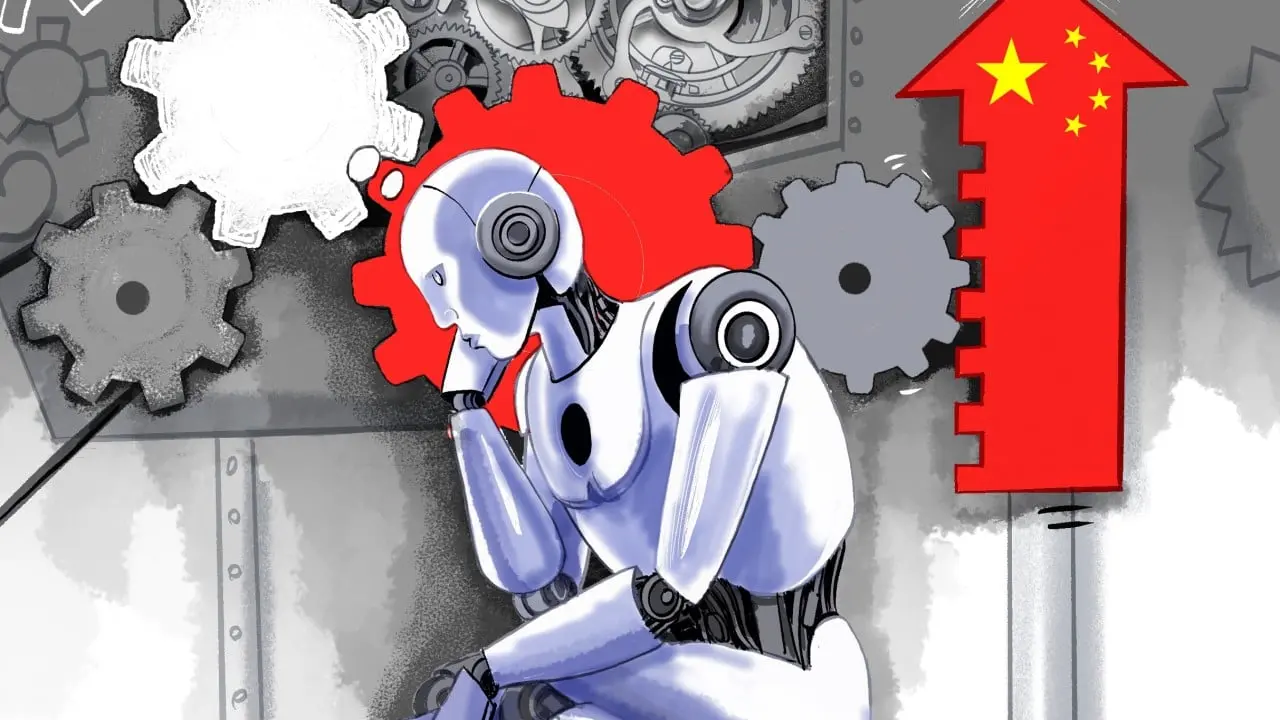
중국이 15차 5개년 계획에 진입하면서 정책 입안자들은 또 다른 라운드의 인프라 지출이나 부동산 부양책으로는 완화할 수 없는 구조적 제약에 직면해 있다. 40년간의 확장을 주도했던 인구 배당금이 사라지고 있다. 산업 경쟁이 심화되었다. 중앙 경제의 핵심 질문은 더 이상 중국이 얼마나 빠르게 성장할 수 있는가가 아니라 얼마나 생산적으로 성장할 수 있는가이다.
인공지능, 특히 AI 에이전트의 부상은 부분적인 답을 제시할 수 있다. 대규모로 배포될 경우, 이러한 시스템들은...
공장과 인력 대신, 중국의 경제 성장은 피로를 모르는 코드와 디지털 워커로 점점 더 많이 구동될 수 있다.
AI는 이미 챗봇을 훨씬 넘어섰다. AI 에이전트는 환경을 인식하고, 문제를 추론하고, 외부 도구를 활용하며, 자율적으로 작업을 실행할 수 있다. 대규모 언어 모델로 구동되는 이들은 미리 작성된 스크립트를 따르지 않고 데이터로부터 적응하고 학습하며, 피드백에 기반해 결정을 개선한다. 연구를 수행하고, 코드를 작성 및 디버깅하고, 공급망을 분석하고, 제품을 설계하거나 워크플로우를 관리할 수 있으며, 대부분 최소한의 비용으로 가능하다.
AI 에이전트는 잠재적으로 세 가지 변수 모두에 영향을 미친다. 투자 전략을 최적화하여 자본 효율성을 높이고, 지식 기반 작업을 증대하거나 대체하여 노동 생산성을 향상시키며, 복잡한 시스템 전반에 걸쳐 자원을 더욱 지능적으로 재배분하여 총요소생산성을 개선한다.
AI는 이미 챗봇을 훨씬 넘어섰다. AI 에이전트는 환경을 인식하고, 문제를 추론하고, 외부 도구를 활용하며, 자율적으로 작업을 실행할 수 있다. 대규모 언어 모델로 구동되는 이들은 미리 작성된 스크립트를 따르지 않고 데이터로부터 적응하고 학습하며, 피드백에 기반해 결정을 개선한다. 연구를 수행하고, 코드를 작성 및 디버깅하고, 공급망을 분석하고, 제품을 설계하거나 워크플로우를 관리할 수 있으며, 대부분 최소한의 비용으로 가능하다.
AI 에이전트는 잠재적으로 세 가지 변수 모두에 영향을 미친다. 투자 전략을 최적화하여 자본 효율성을 높이고, 지식 기반 작업을 증대하거나 대체하여 노동 생산성을 향상시키며, 복잡한 시스템 전반에 걸쳐 자원을 더욱 지능적으로 재배분하여 총요소생산성을 개선한다.
As China enters its 15th five-year plan, policymakers face a structural constraint that cannot be eased with another round of infrastructure spending or property stimulus. The demographic dividend that powered four decades of expansion is fading. Industrial competition has intensified. The central economic question is no longer how fast China can grow, but how productively. Artificial intelligence, specifically the rise of AI agents, may offer part of the answer. Deployed at scale, these systems...
Instead of factories and people, China’s economic growth may increasingly be powered by code and digital workers that do not tireAI has moved well beyond chatbots. AI agents can perceive environments, reason through problems, call on external tools and execute tasks autonomously. Powered by large language models, they do not follow pre-written scripts but adapt and learn from data, refining decisions based on feedback. They can conduct research, write and debug code, analyse supply chains, design products or manage workflows – often at minimal cost.
AI agents potentially affect all three variables: they raise capital efficiency by optimising investment strategy, enhance labour productivity by augmenting or substituting knowledge-based tasks, and improve total factor productivity by reallocating resources more intelligently across complex systems.