중국의 DeepSeek, 오래 기대되던 AI 모델 업데이트 출시
China's DeepSeek rolls out a long-anticipated update of its AI model
Associated Press
· 🇺🇸 New York, US
https://apnews.com/author/chan-ho-him
EN
2026-04-25 17:45
Translated
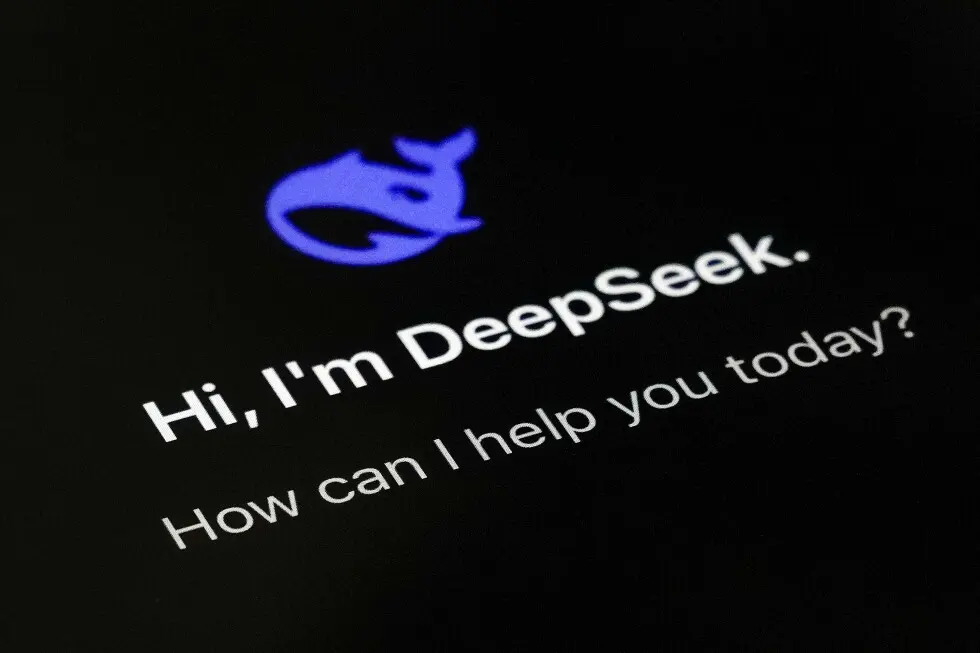
2025년 1월 28일 베이징의 스마트폰 화면에 보이는 DeepSeek 앱 페이지. (AP Photo/Andy Wong, File)
홍콩 (AP) — 지난해 세계 시장을 뒤흔들었던 중국의 인공지능 스타트업 DeepSeek이 금요일 최신 주요 업데이트의 미리보기 버전을 출시했으며, 중국과 미국 간의 AI 경쟁이 심화되고 있다.
DeepSeek의 V4는 OpenAI의 ChatGPT, Anthropic의 Claude, Google의 Gemini와 같은 미국 경쟁사와의 성능 비교를 테스트하려는 사용자들로부터 많은 기대를 받아왔다. Anthropic과 OpenAI는 DeepSeek이 자신들의 기술을 부당하게 활용해 기술을 구축했다고 주장했다.
일부 업계 분석가들은 새로운 모델이 음력 새해 초에 2개월 이상 먼저 출시될 것으로 예상했었다.
DeepSeek은 새로운 V4 오픈소스 모델이 "pro"와 "flash" 버전을 포함하며 지식, 추론, 그리고 "에이전트" 기능(복잡한 작업과 워크플로우를 자율적으로 수행하는 능력)에서 큰 개선을 이루었다고 밝혔다. 또 다른 주요 변화는 중국 기술 대기업 화웨이에서 만든 컴퓨터 칩의 지원을 받아 Nvidia와 같은 미국 칩 제조업체에 대한 의존도를 줄였다는 것이다.
V4는 DeepSeek이 2024년 말에 출시한 AI 모델인 V3의 후속 제품이다.
하지만 2025년 1월에 출시된 DeepSeek의 전문 "추론" AI 모델인 R1이 시장을 놀라게 했다. DeepSeek은 R1이 OpenAI의 유사 모델보다 더 비용 효율적이라고 주장했으며, 중국이 기술 발전에서 미국을 따라잡고 있음을 보여주는 상징이 되었다.
DeepSeek은 "V4 Pro Max" 버전이 OpenAI의 GPT-5.2 모델과 Google의 Gemini 3.0-Pro에 비해 표준 추론 벤치마크 기준으로 "우수한 성능"을 가지고 있다고 밝혔다. GPT-5.4 및 Gemini 3.1-Pro에는 "약간" 못 미친다고 했다. DeepSeek의 출시는 OpenAI가 목요일에 새로운 GPT-5.5 모델을 출시한 지 몇 시간 후에 이루어졌다.
"에이전트" 기능 측면에서 중국 회사는 V4 "pro" 버전이 Claude의 Sonnet 4.5를 능가할 수 있으며 자체 평가를 기반으로 Claude의 Opus 4.5 모델 수준에 접근할 수 있다고 밝혔다.
V4의 "flash" 버전은 간단한 에이전트 작업에서 "pro" 버전과 동등한 성능을 발휘하며 추론 기능은 이와 유사한 수준에 접근한다고 DeepSeek은 밝혔다.
기술 연구 및 자문 그룹 Omdia의 수석 분석가 Lian Jye Su는 "벤치마크 결과를 바탕으로 볼 때, DeepSeek V4는 미국 경쟁사들과 매우 경쟁력 있는 제품이 될 것으로 보인다"고 말했다.
시드니 공과대학교의 부교수 Marina Zhang은 DeepSeek의 V4 출시가 특히 핵심 기술의 자립을 추구하는 글로벌 경쟁이 심화되는 가운데 "중국 AI 산업의 중요한 이정표"라고 말했다.
DeepSeek은 무료 웹 및 모바일 챗봇을 제공한다. Anthropic, Google, OpenAI의 최고 모델과 달리 개발자가 핵심 기술을 수정하고 개선할 수 있도록 하는 "오픈소스" 기술로 설명한다.
V4의 "pro"와 "flash" 버전 모두 100만 토큰의 컨텍스트 윈도우(AI 모델이 처리하고 기억할 수 있는 정보의 양을 나타내는 파라미터)를 가지고 있으며 더 효율적으로 운영된다고 이 스타트업은 밝혔다. 이는 V3가 128,000 토큰 컨텍스트 윈도우를 지원했던 이전과 비교하면 상당한 개선이다.
화웨이는 금요일 별도 성명을 통해 자사의 Ascend 칩과 관련 기술이 DeepSeek V4 모델과 호환된다고 밝혔다. 이는 "중국과 미국 간의 지속적인 기술적 분리" 속에서 Nvidia가 지배하는 컴퓨팅 생태계 외부에서 운영하는 것의 기술적 타당성을 보여주는 것이라고 Zhang은 말했다.
마이크로소프트의 1월 보고서는 DeepSeek의 사용이 많은 개발도상국, 특히 화웨이 휴대폰이 널리 사용되는 국가에서 증가하고 있음을 보여주었다.
그러나 일부 분석가들은 회의적이다. 모닝스타의 수석 주식 분석가 Ivan Su는 V4가 "역량 있는" 후속작이지만 R1의 출시만큼 큰 돌파구는 아니라고 말했다.
"R1 출시 이후 국내 경쟁이 크게 심화되었다"고 Su는 말했다. "미국 모델과의 비교에서 DeepSeek의 자체 평가에 따르면 대부분의 분야에서 성능이 거의 일치하지만, 최종 결론을 내리기 전에 독립적인 평가가 필요하다."
2월에 Anthropic은 DeepSeek과 다른 2개의 중국 기반 AI 연구소가 "산업 규모의 캠페인"을 통해 "Claude의 기능을 불법적으로 추출하여 자신들의 모델을 개선했다"고 비난했다. 이들은 "더 강력한 모델의 출력을 기반으로 성능이 떨어지는 모델을 훈련하는" 증류(distillation)라는 기법을 사용했다고 말했다. OpenAI도 미국 의원들에게 보낸 서한에서 유사한 주장을 했다.
이번 주 미국 트럼프 대통령의 과학기술 수석 자문역 Michael Kratsios는 "주로 중국을 기반으로 한" 외국 기술 회사들이 미국의 주요 AI 시스템을 증류하고 "미국의 전문성과 혁신을 악용하고" 있다고 비난했다.
중국 워싱턴 대사관은 이런 주장들이 "미국의 중국 기업에 대한 부당한 억압"이라고 반박했다.
O'Brien은 로드 아일랜드 주 프로비던스에서 보도했다.
홍콩 (AP) — 지난해 세계 시장을 뒤흔들었던 중국의 인공지능 스타트업 DeepSeek이 금요일 최신 주요 업데이트의 미리보기 버전을 출시했으며, 중국과 미국 간의 AI 경쟁이 심화되고 있다.
DeepSeek의 V4는 OpenAI의 ChatGPT, Anthropic의 Claude, Google의 Gemini와 같은 미국 경쟁사와의 성능 비교를 테스트하려는 사용자들로부터 많은 기대를 받아왔다. Anthropic과 OpenAI는 DeepSeek이 자신들의 기술을 부당하게 활용해 기술을 구축했다고 주장했다.
일부 업계 분석가들은 새로운 모델이 음력 새해 초에 2개월 이상 먼저 출시될 것으로 예상했었다.
DeepSeek은 새로운 V4 오픈소스 모델이 "pro"와 "flash" 버전을 포함하며 지식, 추론, 그리고 "에이전트" 기능(복잡한 작업과 워크플로우를 자율적으로 수행하는 능력)에서 큰 개선을 이루었다고 밝혔다. 또 다른 주요 변화는 중국 기술 대기업 화웨이에서 만든 컴퓨터 칩의 지원을 받아 Nvidia와 같은 미국 칩 제조업체에 대한 의존도를 줄였다는 것이다.
V4는 DeepSeek이 2024년 말에 출시한 AI 모델인 V3의 후속 제품이다.
하지만 2025년 1월에 출시된 DeepSeek의 전문 "추론" AI 모델인 R1이 시장을 놀라게 했다. DeepSeek은 R1이 OpenAI의 유사 모델보다 더 비용 효율적이라고 주장했으며, 중국이 기술 발전에서 미국을 따라잡고 있음을 보여주는 상징이 되었다.
DeepSeek은 "V4 Pro Max" 버전이 OpenAI의 GPT-5.2 모델과 Google의 Gemini 3.0-Pro에 비해 표준 추론 벤치마크 기준으로 "우수한 성능"을 가지고 있다고 밝혔다. GPT-5.4 및 Gemini 3.1-Pro에는 "약간" 못 미친다고 했다. DeepSeek의 출시는 OpenAI가 목요일에 새로운 GPT-5.5 모델을 출시한 지 몇 시간 후에 이루어졌다.
"에이전트" 기능 측면에서 중국 회사는 V4 "pro" 버전이 Claude의 Sonnet 4.5를 능가할 수 있으며 자체 평가를 기반으로 Claude의 Opus 4.5 모델 수준에 접근할 수 있다고 밝혔다.
V4의 "flash" 버전은 간단한 에이전트 작업에서 "pro" 버전과 동등한 성능을 발휘하며 추론 기능은 이와 유사한 수준에 접근한다고 DeepSeek은 밝혔다.
기술 연구 및 자문 그룹 Omdia의 수석 분석가 Lian Jye Su는 "벤치마크 결과를 바탕으로 볼 때, DeepSeek V4는 미국 경쟁사들과 매우 경쟁력 있는 제품이 될 것으로 보인다"고 말했다.
시드니 공과대학교의 부교수 Marina Zhang은 DeepSeek의 V4 출시가 특히 핵심 기술의 자립을 추구하는 글로벌 경쟁이 심화되는 가운데 "중국 AI 산업의 중요한 이정표"라고 말했다.
DeepSeek은 무료 웹 및 모바일 챗봇을 제공한다. Anthropic, Google, OpenAI의 최고 모델과 달리 개발자가 핵심 기술을 수정하고 개선할 수 있도록 하는 "오픈소스" 기술로 설명한다.
V4의 "pro"와 "flash" 버전 모두 100만 토큰의 컨텍스트 윈도우(AI 모델이 처리하고 기억할 수 있는 정보의 양을 나타내는 파라미터)를 가지고 있으며 더 효율적으로 운영된다고 이 스타트업은 밝혔다. 이는 V3가 128,000 토큰 컨텍스트 윈도우를 지원했던 이전과 비교하면 상당한 개선이다.
화웨이는 금요일 별도 성명을 통해 자사의 Ascend 칩과 관련 기술이 DeepSeek V4 모델과 호환된다고 밝혔다. 이는 "중국과 미국 간의 지속적인 기술적 분리" 속에서 Nvidia가 지배하는 컴퓨팅 생태계 외부에서 운영하는 것의 기술적 타당성을 보여주는 것이라고 Zhang은 말했다.
마이크로소프트의 1월 보고서는 DeepSeek의 사용이 많은 개발도상국, 특히 화웨이 휴대폰이 널리 사용되는 국가에서 증가하고 있음을 보여주었다.
그러나 일부 분석가들은 회의적이다. 모닝스타의 수석 주식 분석가 Ivan Su는 V4가 "역량 있는" 후속작이지만 R1의 출시만큼 큰 돌파구는 아니라고 말했다.
"R1 출시 이후 국내 경쟁이 크게 심화되었다"고 Su는 말했다. "미국 모델과의 비교에서 DeepSeek의 자체 평가에 따르면 대부분의 분야에서 성능이 거의 일치하지만, 최종 결론을 내리기 전에 독립적인 평가가 필요하다."
2월에 Anthropic은 DeepSeek과 다른 2개의 중국 기반 AI 연구소가 "산업 규모의 캠페인"을 통해 "Claude의 기능을 불법적으로 추출하여 자신들의 모델을 개선했다"고 비난했다. 이들은 "더 강력한 모델의 출력을 기반으로 성능이 떨어지는 모델을 훈련하는" 증류(distillation)라는 기법을 사용했다고 말했다. OpenAI도 미국 의원들에게 보낸 서한에서 유사한 주장을 했다.
이번 주 미국 트럼프 대통령의 과학기술 수석 자문역 Michael Kratsios는 "주로 중국을 기반으로 한" 외국 기술 회사들이 미국의 주요 AI 시스템을 증류하고 "미국의 전문성과 혁신을 악용하고" 있다고 비난했다.
중국 워싱턴 대사관은 이런 주장들이 "미국의 중국 기업에 대한 부당한 억압"이라고 반박했다.
O'Brien은 로드 아일랜드 주 프로비던스에서 보도했다.
처리 완료
4,369 tokens · $0.0121
기사 수집 완료 · 17:45
매체 피드에서 기사 메타데이터 수집
헤드라인 번역 완료 · 17:56
제목/요약 한국어 번역 (fetch 시점 inline)
claude-haiku-4-5-20251001
108 tokens
$0.00023
1.0s
본문 추출 완료
4,987자 추출 완료
본문 한국어 번역 완료 · 17:56
2,662자 번역 완료
claude-haiku-4-5-20251001
4,261 tokens
$0.01191
22.1s
지정학적 엔티티 추출 완료 · 17:56
7개 엔티티 추출 완료
지정학적 맥락 & R-Scanner
R-Scanner · 평상
z=0.14
일상적인 보도 수준 — 기준: China
(🇨🇳 CN)
최근 6시간 21건
7일 평균 20.36건 / 6h
6개국 매체
6개 매체
본문에서 추출된 지명 (7)
위치 지도
지도 로딩 중…
같은 주제의 다른 기사 (최근 7일)
The smartphone apps DeepSeek page is seen on a smartphone screen in Beijing, Jan. 28, 2025. (AP Photo/Andy Wong, File)
HONG KONG (AP) — DeepSeek, the Chinese artificial intelligence startup that shook world markets last year, launched preview versions of its latest major update Friday as the AI rivalry between China and the U.S. heats up.
DeepSeek’s V4 has been keenly anticipated by users looking to test how it compares to U.S. competitors like OpenAI’s ChatGPT, Anthropic’s Claude and Google’s Gemini. Anthropic and OpenAI have accused DeepSeek of unfairly building its technology off their own.
Some industry analysts had expected the new model to arrive more than two months earlier at the start of the Lunar New Year.
DeepSeek says the new V4 open-source models, which include “pro” and “flash” versions, have big improvements in knowledge, reasoning and in their “agentic” capabilities – the ability to perform complex tasks and workflows autonomously. Another big change is they are supported in part by computer chips made by Chinese tech giant Huawei, reducing DeepSeek’s reliance on U.S. chipmakers like Nvidia.
V4 is a successor to V3, an AI model that DeepSeek released in late 2024.
But it was DeepSeek’s specialized “reasoning” AI model, called R1, that took markets by surprise with its release in January 2025. DeepSeek claimed it was more cost-effective than OpenAI’s similar model and it became a symbol of how China was catching up with the U.S. in technological advancements.
DeepSeek said the “V4 Pro Max” version has “superior performance” in terms of standard reasoning benchmarks relative to OpenAI’s GPT-5.2 model and Google’s Gemini 3.0-Pro. It falls “marginally” short of GPT-5.4 and Gemini 3.1-Pro, it said. DeepSeek’s release came hours after OpenAI released its new GPT-5.5 model on Thursday.
In terms of “agentic” capabilities, the Chinese company said the V4 “pro” version could outperform Claude’s Sonnet 4.5 and approaches the level of Claude’s Opus 4.5 model based on its own evaluation.
The “flash” version of V4 performs on a par with the “pro” version on simple agent tasks and has reasoning capabilities closely approaching it, DeepSeek said.
“Based on the benchmark results, it does appear DeepSeek V4 is going to be very competitive against its U.S. rivals,” said Lian Jye Su, chief analyst at the technology research and advisory group Omdia.
Marina Zhang, an associate professor at the University of Technology Sydney, said DeepSeek’s V4 rollout is as a “pivotal milestone for China’s AI industry,” especially as global competition intensifies in the pursuit of self-reliance in critical technologies.
DeepSeek offers a free‑to‑use web and mobile chatbot. Unlike the top models from Anthropic, Google and OpenAI, it describes its technology as “open source” in the way that it enables developers access to modify and build on its core technology.
Both the V4’s “pro” and “flash” versions have a 1 million token context window, a parameter of how much information an AI model can process and recall, and run on a more efficient basis, the startup said. That is a significant improvement from before, since the V3 supported a 128,000 token context window.
Huawei said in a separate statement Friday that its Ascend chips and related technology are compatible with the DeepSeek V4 models. It’s a demonstration of technical feasibility of operating outside the Nvidia-dominated computing ecosystem “amid sustained technological decoupling between China and the U.S.,” said Zhang.
A report from Microsoft in January showed use of DeepSeek has been gaining ground in many developing nations, particularly those where Huawei phones are widely used.
However, some analysts remain skeptical. Ivan Su, a senior equity analyst at Morningstar, said while V4 is a “competent” follow-up, it’s not as big a breakthrough as the rollout of R1.
“Domestic competition has intensified significantly since R1’s release,” Su said. “Against U.S. models, DeepSeek’s own evaluation suggests its capabilities largely match on most fronts, but independent evaluations are needed before final conclusions can be drawn.”
In February, Anthropic accused DeepSeek and two other China-based AI laboratories of “industrial-scale campaigns” to “illicitly extract Claude’s capabilities to improve their own models.” It said they did that using a technique called distillation that “involves training a less capable model on the outputs of a stronger one.” OpenAI made similar allegations in a letter to U.S. lawmakers.
This week, Michael Kratsios, chief science and technology adviser to U.S. President Donald Trump, also accused foreign tech companies “principally based in China” of distilling leading U.S. AI systems and “exploiting American expertise and innovation.”
China’s embassy in Washington hit back at the allegations, describing them as “unjustified suppression of Chinese companies by the U.S.”
O’Brien reported from Providence, Rhode Island.
HONG KONG (AP) — DeepSeek, the Chinese artificial intelligence startup that shook world markets last year, launched preview versions of its latest major update Friday as the AI rivalry between China and the U.S. heats up.
DeepSeek’s V4 has been keenly anticipated by users looking to test how it compares to U.S. competitors like OpenAI’s ChatGPT, Anthropic’s Claude and Google’s Gemini. Anthropic and OpenAI have accused DeepSeek of unfairly building its technology off their own.
Some industry analysts had expected the new model to arrive more than two months earlier at the start of the Lunar New Year.
DeepSeek says the new V4 open-source models, which include “pro” and “flash” versions, have big improvements in knowledge, reasoning and in their “agentic” capabilities – the ability to perform complex tasks and workflows autonomously. Another big change is they are supported in part by computer chips made by Chinese tech giant Huawei, reducing DeepSeek’s reliance on U.S. chipmakers like Nvidia.
V4 is a successor to V3, an AI model that DeepSeek released in late 2024.
But it was DeepSeek’s specialized “reasoning” AI model, called R1, that took markets by surprise with its release in January 2025. DeepSeek claimed it was more cost-effective than OpenAI’s similar model and it became a symbol of how China was catching up with the U.S. in technological advancements.
DeepSeek said the “V4 Pro Max” version has “superior performance” in terms of standard reasoning benchmarks relative to OpenAI’s GPT-5.2 model and Google’s Gemini 3.0-Pro. It falls “marginally” short of GPT-5.4 and Gemini 3.1-Pro, it said. DeepSeek’s release came hours after OpenAI released its new GPT-5.5 model on Thursday.
In terms of “agentic” capabilities, the Chinese company said the V4 “pro” version could outperform Claude’s Sonnet 4.5 and approaches the level of Claude’s Opus 4.5 model based on its own evaluation.
The “flash” version of V4 performs on a par with the “pro” version on simple agent tasks and has reasoning capabilities closely approaching it, DeepSeek said.
“Based on the benchmark results, it does appear DeepSeek V4 is going to be very competitive against its U.S. rivals,” said Lian Jye Su, chief analyst at the technology research and advisory group Omdia.
Marina Zhang, an associate professor at the University of Technology Sydney, said DeepSeek’s V4 rollout is as a “pivotal milestone for China’s AI industry,” especially as global competition intensifies in the pursuit of self-reliance in critical technologies.
DeepSeek offers a free‑to‑use web and mobile chatbot. Unlike the top models from Anthropic, Google and OpenAI, it describes its technology as “open source” in the way that it enables developers access to modify and build on its core technology.
Both the V4’s “pro” and “flash” versions have a 1 million token context window, a parameter of how much information an AI model can process and recall, and run on a more efficient basis, the startup said. That is a significant improvement from before, since the V3 supported a 128,000 token context window.
Huawei said in a separate statement Friday that its Ascend chips and related technology are compatible with the DeepSeek V4 models. It’s a demonstration of technical feasibility of operating outside the Nvidia-dominated computing ecosystem “amid sustained technological decoupling between China and the U.S.,” said Zhang.
A report from Microsoft in January showed use of DeepSeek has been gaining ground in many developing nations, particularly those where Huawei phones are widely used.
However, some analysts remain skeptical. Ivan Su, a senior equity analyst at Morningstar, said while V4 is a “competent” follow-up, it’s not as big a breakthrough as the rollout of R1.
“Domestic competition has intensified significantly since R1’s release,” Su said. “Against U.S. models, DeepSeek’s own evaluation suggests its capabilities largely match on most fronts, but independent evaluations are needed before final conclusions can be drawn.”
In February, Anthropic accused DeepSeek and two other China-based AI laboratories of “industrial-scale campaigns” to “illicitly extract Claude’s capabilities to improve their own models.” It said they did that using a technique called distillation that “involves training a less capable model on the outputs of a stronger one.” OpenAI made similar allegations in a letter to U.S. lawmakers.
This week, Michael Kratsios, chief science and technology adviser to U.S. President Donald Trump, also accused foreign tech companies “principally based in China” of distilling leading U.S. AI systems and “exploiting American expertise and innovation.”
China’s embassy in Washington hit back at the allegations, describing them as “unjustified suppression of Chinese companies by the U.S.”
O’Brien reported from Providence, Rhode Island.