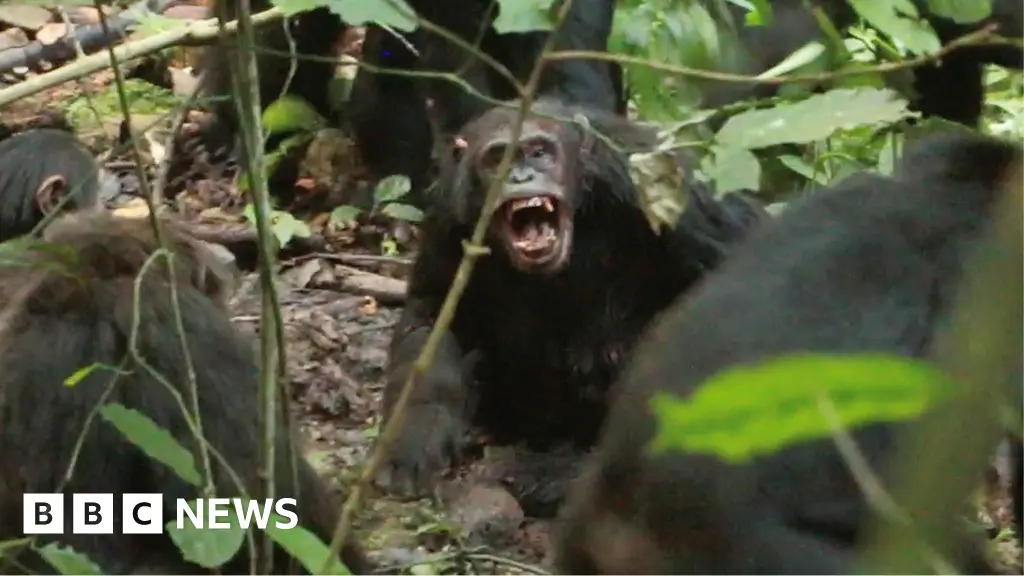
우간다의 침팬지들이 악의적인 '내전'에 갇혀있다고 연구원들이 말함
Chimpanzees in Uganda locked in vicious 'civil war', say researchers
BBC News
EN
2026-04-11 01:52
Translated
한때 결속력 있던 응고고 침팬지 커뮤니티가 지난 8년간 서로 대립해왔다.
알려진 세계 최대 규모의 야생 침팬지 집단이 분열되어 지난 8년간 악의적인 '내전'에 갇혀있다고 연구원들이 말했다.
한때 결속력 있던 우간다의 키발레 국립공원에 있는 응고고 침팬지 커뮤니티가 왜 서로 대립하게 되었는지는 정확히 불명확하지만, 2018년 이래 과학자들은 24건의 살해를 기록했으며, 그 중 17마리는 유아이다.
"이들은 손을 잡곤 하던 침팬지들이었다"고 주 저자 애런 샌델이 말했다. "이제 그들은 서로를 죽이려고 한다."
사이언스 저널에 게재된 이 연구는 폭력의 강도와 지속 기간이 초기 인류 갈등이 어떻게 발전했는지를 알려줄 수 있다고 말한다.
미국 텍사스 대학교의 인류학자이자 응고고 침팬지 프로젝트의 공동 이사인 샌델은 침팬지들이 "매우 영토 의식이 강하며" 다른 집단의 개체들과 "적대적 상호작용"을 가진다고 말한다.
"낯선 것에 대한 두려움 같은 것이다"라고 그는 사이언스 팟캐스트에서 말했다.
하지만 수십 년에 걸쳐 샌델은 거의 200마리의 응고고 침팬지들이 조화롭게 살아왔다고 말했다.
그들은 연구원들에게 서부와 중부로 알려진 두 개 집단으로 나뉘어 있었지만, 전체적으로는 응집력 있는 집단으로 존재해왔다.
샌델은 2015년 6월 서부 침팬지들이 도망치고 중부 집단에게 쫓겨갈 때 그들이 양극화되기 시작한 것을 처음 알아차렸다고 말했다.
"침팬지들은 약간 멜로드라마틱하다"고 그는 말했으며, 논쟁 이후에는 보통 "비명을 지르고 쫓아다닌 후" 나중에 손질을 해주고 협력한다고 설명했다.
하지만 2015년 분쟁 이후 연구원들은 두 집단 사이에 6주간의 회피 기간이 있었고, 상호작용이 점점 드물어졌음을 보았다.
상호작용이 일어났을 때, 샌델은 그것이 "조금 더 강렬하고 조금 더 공격적"이었다고 말했다.
2018년 두 개의 뚜렷한 집단이 출현한 이후, 서부 집단의 구성원들은 중부 침팬지들을 공격하기 시작했다.
분열 이후 24건의 표적 공격에서 중부 침팬지의 최소 7마리의 성인 수컷과 17마리의 유아가 살해되었으며, 연구원들은 실제 사망 수는 더 많다고 믿는다.
연구원들은 집단 규모와 그에 따른 자원 경쟁, 그리고 번식을 위한 "수컷-수컷 경쟁"과 같은 많은 요인들이 책임이 있을 수 있다고 믿는다.
하지만 그들은 세 가지 가능한 촉매가 있다고 말한다:
샌델과 그의 동료들은 그들의 발견이 사람들로 하여금 인류 갈등과 전쟁에 대해 알고 있는 것을 다시 생각하도록 장려한다고 말했다.
"응고고 분열의 경우, 수년간 함께 먹고, 손질을 해주고, 순찰을 한 개인들이 새로운 집단 구성원이라는 이유로 치명적인 공격의 대상이 되었다"고 그들은 논문에 썼다.
유전적으로 인간에 가장 가까운 종 중 하나인 침팬지가 종교, 민족성, 정치적 신념과 같은 인간의 구성물 없이 이렇게 할 수 있다면, "관계 역학이 흔히 가정되는 것보다 인류 갈등에서 더 큰 인과적 역할을 할 수 있다"고 그들은 덧붙였다.
독일 영장류 센터의 연구원인 제임스 브룩스는 이것이 "집단 분열이 인류 사회에 제시할 수 있는 위험을 상기시켜 주는 것"이라고 말했다.
사이언스의 연구에 대해 댓글을 달면서, 그는 "인간은 전쟁과 평화에서 다른 종의 집단 기반 행동을 연구함으로써 배워야 하며, 동시에 진화적 과거가 미래를 결정하지 않는다는 것을 기억해야 한다"고 썼다.
더 많은 아프리카 대륙 뉴스를 보려면 BBCAfrica.com으로 가세요.
한때 결속력 있던 우간다의 키발레 국립공원에 있는 응고고 침팬지 커뮤니티가 왜 서로 대립하게 되었는지는 정확히 불명확하지만, 2018년 이래 과학자들은 24건의 살해를 기록했으며, 그 중 17마리는 유아이다.
"이들은 손을 잡곤 하던 침팬지들이었다"고 주 저자 애런 샌델이 말했다. "이제 그들은 서로를 죽이려고 한다."
사이언스 저널에 게재된 이 연구는 폭력의 강도와 지속 기간이 초기 인류 갈등이 어떻게 발전했는지를 알려줄 수 있다고 말한다.
미국 텍사스 대학교의 인류학자이자 응고고 침팬지 프로젝트의 공동 이사인 샌델은 침팬지들이 "매우 영토 의식이 강하며" 다른 집단의 개체들과 "적대적 상호작용"을 가진다고 말한다.
"낯선 것에 대한 두려움 같은 것이다"라고 그는 사이언스 팟캐스트에서 말했다.
하지만 수십 년에 걸쳐 샌델은 거의 200마리의 응고고 침팬지들이 조화롭게 살아왔다고 말했다.
그들은 연구원들에게 서부와 중부로 알려진 두 개 집단으로 나뉘어 있었지만, 전체적으로는 응집력 있는 집단으로 존재해왔다.
샌델은 2015년 6월 서부 침팬지들이 도망치고 중부 집단에게 쫓겨갈 때 그들이 양극화되기 시작한 것을 처음 알아차렸다고 말했다.
"침팬지들은 약간 멜로드라마틱하다"고 그는 말했으며, 논쟁 이후에는 보통 "비명을 지르고 쫓아다닌 후" 나중에 손질을 해주고 협력한다고 설명했다.
하지만 2015년 분쟁 이후 연구원들은 두 집단 사이에 6주간의 회피 기간이 있었고, 상호작용이 점점 드물어졌음을 보았다.
상호작용이 일어났을 때, 샌델은 그것이 "조금 더 강렬하고 조금 더 공격적"이었다고 말했다.
2018년 두 개의 뚜렷한 집단이 출현한 이후, 서부 집단의 구성원들은 중부 침팬지들을 공격하기 시작했다.
분열 이후 24건의 표적 공격에서 중부 침팬지의 최소 7마리의 성인 수컷과 17마리의 유아가 살해되었으며, 연구원들은 실제 사망 수는 더 많다고 믿는다.
연구원들은 집단 규모와 그에 따른 자원 경쟁, 그리고 번식을 위한 "수컷-수컷 경쟁"과 같은 많은 요인들이 책임이 있을 수 있다고 믿는다.
하지만 그들은 세 가지 가능한 촉매가 있다고 말한다:
샌델과 그의 동료들은 그들의 발견이 사람들로 하여금 인류 갈등과 전쟁에 대해 알고 있는 것을 다시 생각하도록 장려한다고 말했다.
"응고고 분열의 경우, 수년간 함께 먹고, 손질을 해주고, 순찰을 한 개인들이 새로운 집단 구성원이라는 이유로 치명적인 공격의 대상이 되었다"고 그들은 논문에 썼다.
유전적으로 인간에 가장 가까운 종 중 하나인 침팬지가 종교, 민족성, 정치적 신념과 같은 인간의 구성물 없이 이렇게 할 수 있다면, "관계 역학이 흔히 가정되는 것보다 인류 갈등에서 더 큰 인과적 역할을 할 수 있다"고 그들은 덧붙였다.
독일 영장류 센터의 연구원인 제임스 브룩스는 이것이 "집단 분열이 인류 사회에 제시할 수 있는 위험을 상기시켜 주는 것"이라고 말했다.
사이언스의 연구에 대해 댓글을 달면서, 그는 "인간은 전쟁과 평화에서 다른 종의 집단 기반 행동을 연구함으로써 배워야 하며, 동시에 진화적 과거가 미래를 결정하지 않는다는 것을 기억해야 한다"고 썼다.
더 많은 아프리카 대륙 뉴스를 보려면 BBCAfrica.com으로 가세요.
The once close-knit community of Ngogo chimpanzees have been at loggerheads for the last eight years.
The world's largest known group of wild chimpanzees has split and been locked in a vicious "civil war" for the last eight years, according to researchers.It is not clear exactly why the once close-knit community of Ngogo chimpanzees at Uganda's Kibale National Park are at loggerheads, but since 2018 the scientists have recorded 24 killings, including 17 infants.
"These were chimps that would hold hands," lead author Aaron Sandel said. "Now they're trying to kill each other."
The study, published in the journal Science, says the intensity and duration of the violence may inform how early human conflict developed.
Sandel, an anthropologist from the University of Texas in the US, and co-director of the Ngogo Chimpanzee Project, says chimpanzees are "very territorial", and have "hostile interactions with those from other groups".
"[It's] like a fear of strangers," he told the Science podcast.
But over several decades, Sandel said the nearly 200 Ngogo chimpanzees had lived in harmony.
There were divided into two sets - known to researchers as Western and Central - but they had existed overall as a cohesive group.
Sandel said he first noticed them polarising in June 2015, when the Western chimpanzees ran away and were chased by the Central group.
"Chimpanzees are sort of melodramatic," he said, explaining that following arguments there would ordinarily be "screaming and chasing" and then later, they would grooming and co-operating.
But following the 2015 dispute, the researchers saw that there was a six-week avoidance period between the two sets, with interactions becoming more infrequent.
When they did occur, Sandel said they were "a little more intense, a little more aggressive".
Following the emergence of the two distinct groups in 2018, members of the Western group started attacking the Central chimpanzees.
In 24 targeted attacks since the split, at least seven adult males and 17 infants from the Central chimps have been killed, the study found, although the researchers believe the actual number of deaths are higher.
The researchers believe many factors such as the group size and subsequent competition of resources, and "male-male competition" for reproducing may be to blame.
But they say there were three likely catalysts:
Sandel and his colleagues said their findings encourage people to rethink what they know of human conflict and warfare.
"In the case of the Ngogo fission, individuals who lived, fed, groomed and patrolled together for years became targets of lethal attacks on the basis of their new group membership," they wrote in the paper.
If chimpanzees - one of the species closest to humans genetically - could do so without human constructs of religion, ethnicity and political beliefs, then "relational dynamics may play a larger causal role in human conflict than often assumed", they added.
James Brooks, a researcher at the German Primate Center in Germany, said it was a "reminder of the danger that group divisions can present to human societies".
Commenting on the study in Science, he wrote: "Humans must learn from studying the group-based behaviour of other species, both in war and at peace, while remembering that their evolutionary past does not determine their future."
Go to BBCAfrica.com for more news from the African continent.