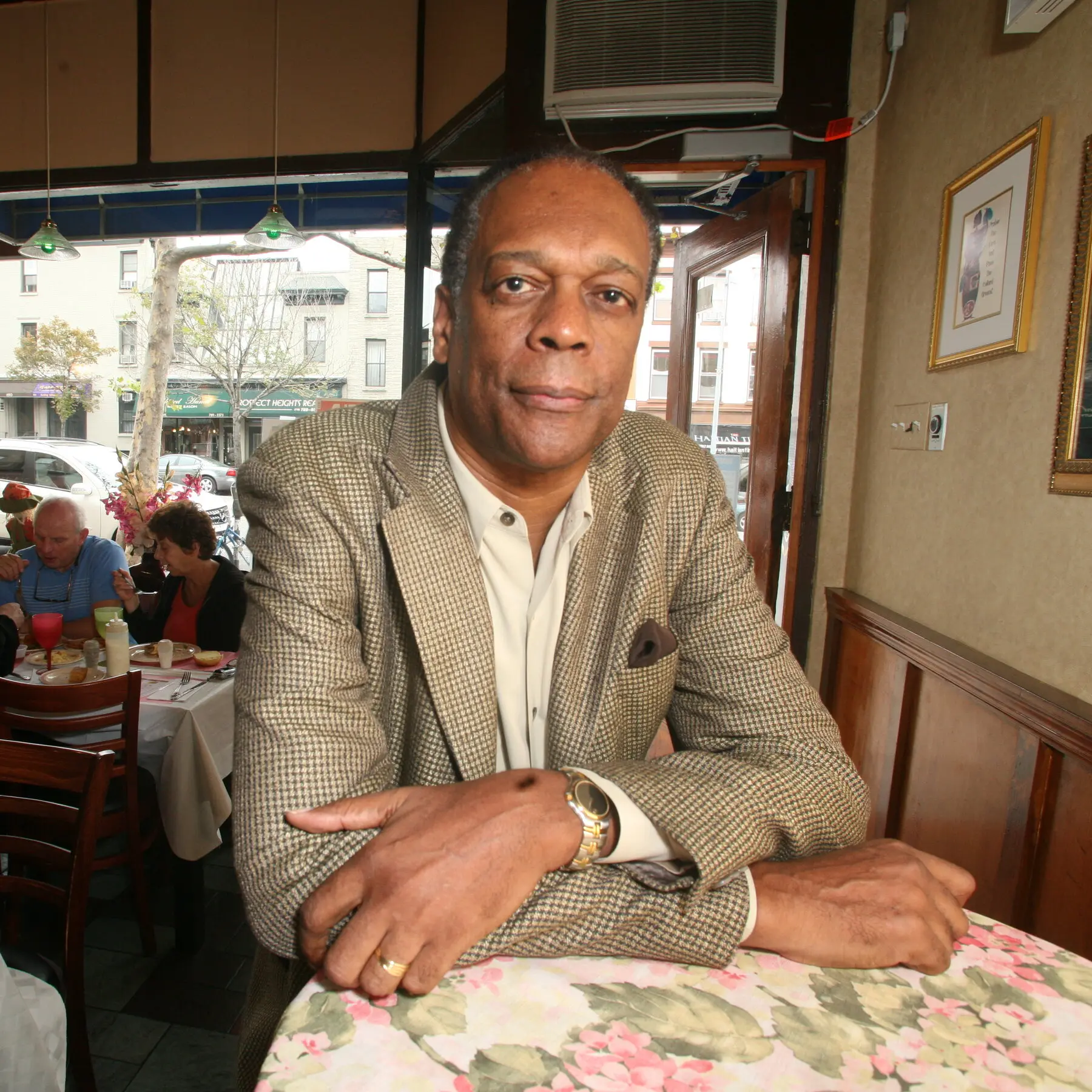
흑인 담론의 선구자 토크 라디오 진행자 밥 로우, 86세로 별세
Bob Law, Trailblazing Talk-Radio Host, Dies at 86
The New York Times
Richard Sandomir
EN
2026-04-11 00:12
Translated
그의 심야 프로그램 "Night Talk"는 전국적으로 방송되는 주요 프로그램으로, 어려운 문제들을 다루고 흑인 문화 및 정치 인물들을 조명했다.
밥 로우는 수십 년간 흑인 토크 라디오의 상징적 인물로, 주요 정치 및 문화 인물들과의 인터뷰와 경제 권한 강화, 경찰 폭력, 자존감, 남성다움 등의 주제에 대한 의견 제시를 통해 라디오를 플랫폼으로 활용한 인물이었다. 그는 3월 30일 롱아일랜드의 뉴욕 마이놀라의 병원에서 신장 질환으로 인해 86세의 나이로 타계했다.
그의 딸 아비나 로우 나피어가 사망 원인을 밝혔다.
로우는 1998년 저서 "미래를 위한 목소리들(Voices for the Future)"에서 다음과 같이 썼다. "흑인 토크 라디오의 위대한 가치는 그 외에는 목소리를 낼 기회가 없을 공동체에 목소리를 부여할 수 있다는 것이다."
라디오 경력 약 10년 후인 1981년, 로우는 퀸즈의 WWRL-AM 방송국에서 자정부터 오전 5시까지 진행하는 전화 상담 프로그램 "Night Talk"를 시작했다. 이 프로그램은 전국 방송국들을 통해 전국 흑인 네트워크(National Black Network)에 의해 방송되었다. 그는 이 심야 시간대에 논평을 하고 청취자들의 전화를 받으며 제시 잭슨 목사, 알 샤프턴 목사, 캘리포니아 대표 맥신 워터스, 덴젤 워싱턴, 이슬람 국가의 지도자 루이 파락한 등 유명 인물들을 인터뷰했다.
6피트 9인치의 큰 체격으로 라디오와 실제 생활에서 인상적인 인물이었던 로우는 단순히 자신의 프로그램에서 정치 과정을 관찰하지 않았다. 그는 또한 이에 참여했다. 그는 1995년 워싱턴에서 흑인 남성 단결을 위해 개최된 대규모 집회인 팔라칸의 백만인 행진(Million Man March)의 조직자였으며, 잭슨의 첫 대선 출마의 초기 지지자였다.
"1984년 '제시를 달리자(Run Jesse Run)' 캠페인을 시작한 것이 바로 'Night Talk'였습니다. 제시 잭슨이 매주 화요일 밤에 프로그램에 나왔고, 우리는 라디오로 이것에 대해 말하기 시작했습니다. 그것이 제시 잭슨의 대선 캠페인을 시작하는 데 도움이 되었습니다"라고 로우는 2025년 인터뷰에서 말했다.
그는 또한 미시시피주 투니카의 가난한 소작농들을 위한 주택 건설과 같은 지역 사업들을 전국 청취자들에게 노출시켰다. 1982년, 그는 청취자들에게 1887년 해방된 노예들에 의해 설립된 작은 미시시피 도시인 마운드 베유를 재정난으로부터 구하기 위해 기금을 기부해 달라고 요청했으며, 1968년 마틴 루터 킹 목사가 암살된 옛 로레인 모텔의 부지에 설립된 멤피스의 전국 민권 박물관 설립을 장려했다.
그는 자신의 사명이 활동가 청취자들의 전국적인 가족을 모으는 것이라고 말했다.
"흑인 공동체가 목소리를 갖게 된 것뿐만 아니라"라고 로우는 "미래를 위한 목소리들"에서 썼다. "나는 이러한 목소리들을 주의 깊게 들으면서 일관된 주제를 들을 수 있었습니다. 그 목소리들은 해결책을 찾고 있었으며 오늘날의 문제들에 대한 답변을 제공하고 있었습니다."
웨인 주립 대학과 세톤 홀 대학의 아프리카나 연구 겸임교수인 토드 스티븐 버로우즈는 인터뷰에서 로우가 "Night Talk"를 "문화, 사회화 및 교육 수단"으로 활용했다고 말했다.
버로우즈 교수는 로우의 1989년 남아프리카에서 공연한 직후 흑인 R&B 그룹인 코모도어스와의 인터뷰에서의 도덕적 명확성을 회상했다. 당시 그 국가에 대한 아파르트헤이트 정책 때문에 널리 준수된 보이콧이 있었다.
"그들은 그곳에서 공연한 것 때문에 모든 비판을 받았고, 그들은 홍보 활동을 하려고 했습니다 — 흑인 공동체를 위해 그 돈을 사용할 수 있는 방법에 대해 평판을 되찾기 위해 이야기하려고 했습니다"라고 버로우즈 교수가 말했다. "그리고 밥은 '형제여, 그것은 피로 물든 돈입니다'라고 말했습니다."
로버트 루이 로우는 1939년 4월 6일 브루클린에서 존 로우와 목사인 루실(캠벨) 로우에게서 태어났다.
그는 1959년부터 1961년까지 브루클린의 프랫 미술대학에서 시각 커뮤니케이션과 상업 미술을 공부했다. 졸업하지는 않았지만 그래픽 아티스트이자 잡지 미술 편집자로 일했다. 그는 또한 브루클린의 인종 평등 회의 지부와 함께 일하며 학생 비폭력 조정 위원회의 조직자로 활동하면서 민권 운동에 참여했다.
로우의 브루클린 지역 사회 단체인 독립 정치 행동 운동(Independent Movement for Political Action)과의 관여는 그를 라디오 업계로 이끌었다. 그는 WWRL의 공공 업무 담당자인 버니 맥케인이 진행하는 일요일 오후 프로그램 "있는 그대로 말하라(Tell It Like It Is)"의 게스트로서 그 운동의 마약 퇴치 메시지에 대해 논의하도록 초대받았다.
맥케인이 1970년대 초 방송국을 떠났을 때, 그는 로우에게 자신의 직책을 인수해 달라고 요청했다. 곧 로우는 방송국의 주간 2시간 프로그램인 "흑인 대화(Black Dialogue)"를 시작할 때 진행자로서의 첫 경험을 얻게 되었다. 1981년, 부드럽고 차분한 진행 스타일로 그는 "Night Talk"의 진행자로 17년을 보냈다.
"그는 현재의 정의에 따르면 전국적으로 신디케이션된 최초의 주요 아프리카계 미국인이었습니다"라고 토커스 잡지의 편집장이자 발행인인 마이클 해리슨은 이메일에서 썼다.
"Night Talk" 시간 동안 로우는 또한 WWRL의 프로그램 이사로 활동했으며, 방송국의 연례 신년 노숙자 오찬(동쪽 마을의 톰킨스 광장 공원에서 개최)과 같은 커뮤니티 행사를 이끌었으며, 젊은이들의 소프트볼 리그와 성가대를 후원한 비영리 단체인 존경 자신 청년 조직(Respect Yourself Youth Organization)을 설립했다.
그와 아내 먼투(도겟) 로우는 브루클린에서 흑인 공동체를 위한 제품을 비축한 헬스 뷰티 스토어, 레스토랑, 어린이 서점 등 여러 사업을 소유했다. 로우 여사는 2024년에 타계했다.
딸 로우 나피어 외에도 로우는 또 다른 딸 아이샤 패트리스 압둘라, 손자 3명, 증손자 2명, 그리고 누이 캐롤 페퍼스가 생존해 있다.
로우가 1998년 "Night Talk"를 떠난 후, 그는 잠시 WWRL에서 아침 프로그램을 진행했다가 2000년 방송국을 떠났다. 그는 2010년 다큐멘터리 "목소리 높여 말하기: 흑인 미국에 목소리를 주는 라디오(Saying It Loud: Radio Giving Voice to Black America)"를 제작, 연출 및 해설했다.
그러나 그는 항상 흑인 라디오를 칭찬하지는 않았다. "그들은 겁먹고 프로그래밍해왔습니다"라고 그는 2012년에 말했으며, 정치 보도보다 가십과 오락으로 방향을 돌린 일부 뉴욕 방송국들을 언급했다. "그들은 광고주들을 확보할 수 있는 유일한 방법이기 때문에 그렇게 안전하게 재생하려고 노력해왔기 때문에, 그들은 거의 흑인 방송국이 아닙니다."
로우는 결국 뉴욕의 또 다른 방송국인 WBAI-FM으로 옮겨, 2013년부터 2023년경까지 주간 프로그램 "거리에서(From the Streets)"를 진행했다.
2023년, 흑인 남성 타이어 니콜스가 경찰 구금 중 폭행으로 인해 사망한 후 로우는 청취자들에게 "우리는 다시금 경찰 개혁에 대한 요청을 듣고 있습니다 — 절대 오지 않는 개혁입니다 — 아마도 경찰의 행동을 바꾸려면 이 인종 구성 사회에서 경찰의 기능을 바꿔야 하기 때문일 것입니다"라고 말했다.
그는 경찰의 역할이 "보호하고 봉사하는 것이 아니라 질서를 유지하는 것입니다 — 그것이 그들이 이를 법과 질서라고 부르는 이유입니다 — 억압받는 자들 사이에서"라고 덧붙였다.
그것은 작가 데이먼 K. 존스가 로우의 경력 전반에서 관찰한 날카로운 논평이었다.
"주류 언론이 종종 흑인 관점을 필터링하고, 완화하거나, 무시하던 시대에"라고 존스는 로우의 사망 후 흑인 웨스트체스터 매거진에 썼다. "'Night Talk'에서의 그의 작업은 희귀한 것을 만들었습니다: 진실이 명확하게 말해지고, 정직하게 논의되고, 지적으로 도전받을 수 있는 공간."
리처드 샌도미르는 부고 기자이며 30년 이상 더 타임스에 기고해왔다.
그의 딸 아비나 로우 나피어가 사망 원인을 밝혔다.
로우는 1998년 저서 "미래를 위한 목소리들(Voices for the Future)"에서 다음과 같이 썼다. "흑인 토크 라디오의 위대한 가치는 그 외에는 목소리를 낼 기회가 없을 공동체에 목소리를 부여할 수 있다는 것이다."
라디오 경력 약 10년 후인 1981년, 로우는 퀸즈의 WWRL-AM 방송국에서 자정부터 오전 5시까지 진행하는 전화 상담 프로그램 "Night Talk"를 시작했다. 이 프로그램은 전국 방송국들을 통해 전국 흑인 네트워크(National Black Network)에 의해 방송되었다. 그는 이 심야 시간대에 논평을 하고 청취자들의 전화를 받으며 제시 잭슨 목사, 알 샤프턴 목사, 캘리포니아 대표 맥신 워터스, 덴젤 워싱턴, 이슬람 국가의 지도자 루이 파락한 등 유명 인물들을 인터뷰했다.
6피트 9인치의 큰 체격으로 라디오와 실제 생활에서 인상적인 인물이었던 로우는 단순히 자신의 프로그램에서 정치 과정을 관찰하지 않았다. 그는 또한 이에 참여했다. 그는 1995년 워싱턴에서 흑인 남성 단결을 위해 개최된 대규모 집회인 팔라칸의 백만인 행진(Million Man March)의 조직자였으며, 잭슨의 첫 대선 출마의 초기 지지자였다.
"1984년 '제시를 달리자(Run Jesse Run)' 캠페인을 시작한 것이 바로 'Night Talk'였습니다. 제시 잭슨이 매주 화요일 밤에 프로그램에 나왔고, 우리는 라디오로 이것에 대해 말하기 시작했습니다. 그것이 제시 잭슨의 대선 캠페인을 시작하는 데 도움이 되었습니다"라고 로우는 2025년 인터뷰에서 말했다.
그는 또한 미시시피주 투니카의 가난한 소작농들을 위한 주택 건설과 같은 지역 사업들을 전국 청취자들에게 노출시켰다. 1982년, 그는 청취자들에게 1887년 해방된 노예들에 의해 설립된 작은 미시시피 도시인 마운드 베유를 재정난으로부터 구하기 위해 기금을 기부해 달라고 요청했으며, 1968년 마틴 루터 킹 목사가 암살된 옛 로레인 모텔의 부지에 설립된 멤피스의 전국 민권 박물관 설립을 장려했다.
그는 자신의 사명이 활동가 청취자들의 전국적인 가족을 모으는 것이라고 말했다.
"흑인 공동체가 목소리를 갖게 된 것뿐만 아니라"라고 로우는 "미래를 위한 목소리들"에서 썼다. "나는 이러한 목소리들을 주의 깊게 들으면서 일관된 주제를 들을 수 있었습니다. 그 목소리들은 해결책을 찾고 있었으며 오늘날의 문제들에 대한 답변을 제공하고 있었습니다."
웨인 주립 대학과 세톤 홀 대학의 아프리카나 연구 겸임교수인 토드 스티븐 버로우즈는 인터뷰에서 로우가 "Night Talk"를 "문화, 사회화 및 교육 수단"으로 활용했다고 말했다.
버로우즈 교수는 로우의 1989년 남아프리카에서 공연한 직후 흑인 R&B 그룹인 코모도어스와의 인터뷰에서의 도덕적 명확성을 회상했다. 당시 그 국가에 대한 아파르트헤이트 정책 때문에 널리 준수된 보이콧이 있었다.
"그들은 그곳에서 공연한 것 때문에 모든 비판을 받았고, 그들은 홍보 활동을 하려고 했습니다 — 흑인 공동체를 위해 그 돈을 사용할 수 있는 방법에 대해 평판을 되찾기 위해 이야기하려고 했습니다"라고 버로우즈 교수가 말했다. "그리고 밥은 '형제여, 그것은 피로 물든 돈입니다'라고 말했습니다."
로버트 루이 로우는 1939년 4월 6일 브루클린에서 존 로우와 목사인 루실(캠벨) 로우에게서 태어났다.
그는 1959년부터 1961년까지 브루클린의 프랫 미술대학에서 시각 커뮤니케이션과 상업 미술을 공부했다. 졸업하지는 않았지만 그래픽 아티스트이자 잡지 미술 편집자로 일했다. 그는 또한 브루클린의 인종 평등 회의 지부와 함께 일하며 학생 비폭력 조정 위원회의 조직자로 활동하면서 민권 운동에 참여했다.
로우의 브루클린 지역 사회 단체인 독립 정치 행동 운동(Independent Movement for Political Action)과의 관여는 그를 라디오 업계로 이끌었다. 그는 WWRL의 공공 업무 담당자인 버니 맥케인이 진행하는 일요일 오후 프로그램 "있는 그대로 말하라(Tell It Like It Is)"의 게스트로서 그 운동의 마약 퇴치 메시지에 대해 논의하도록 초대받았다.
맥케인이 1970년대 초 방송국을 떠났을 때, 그는 로우에게 자신의 직책을 인수해 달라고 요청했다. 곧 로우는 방송국의 주간 2시간 프로그램인 "흑인 대화(Black Dialogue)"를 시작할 때 진행자로서의 첫 경험을 얻게 되었다. 1981년, 부드럽고 차분한 진행 스타일로 그는 "Night Talk"의 진행자로 17년을 보냈다.
"그는 현재의 정의에 따르면 전국적으로 신디케이션된 최초의 주요 아프리카계 미국인이었습니다"라고 토커스 잡지의 편집장이자 발행인인 마이클 해리슨은 이메일에서 썼다.
"Night Talk" 시간 동안 로우는 또한 WWRL의 프로그램 이사로 활동했으며, 방송국의 연례 신년 노숙자 오찬(동쪽 마을의 톰킨스 광장 공원에서 개최)과 같은 커뮤니티 행사를 이끌었으며, 젊은이들의 소프트볼 리그와 성가대를 후원한 비영리 단체인 존경 자신 청년 조직(Respect Yourself Youth Organization)을 설립했다.
그와 아내 먼투(도겟) 로우는 브루클린에서 흑인 공동체를 위한 제품을 비축한 헬스 뷰티 스토어, 레스토랑, 어린이 서점 등 여러 사업을 소유했다. 로우 여사는 2024년에 타계했다.
딸 로우 나피어 외에도 로우는 또 다른 딸 아이샤 패트리스 압둘라, 손자 3명, 증손자 2명, 그리고 누이 캐롤 페퍼스가 생존해 있다.
로우가 1998년 "Night Talk"를 떠난 후, 그는 잠시 WWRL에서 아침 프로그램을 진행했다가 2000년 방송국을 떠났다. 그는 2010년 다큐멘터리 "목소리 높여 말하기: 흑인 미국에 목소리를 주는 라디오(Saying It Loud: Radio Giving Voice to Black America)"를 제작, 연출 및 해설했다.
그러나 그는 항상 흑인 라디오를 칭찬하지는 않았다. "그들은 겁먹고 프로그래밍해왔습니다"라고 그는 2012년에 말했으며, 정치 보도보다 가십과 오락으로 방향을 돌린 일부 뉴욕 방송국들을 언급했다. "그들은 광고주들을 확보할 수 있는 유일한 방법이기 때문에 그렇게 안전하게 재생하려고 노력해왔기 때문에, 그들은 거의 흑인 방송국이 아닙니다."
로우는 결국 뉴욕의 또 다른 방송국인 WBAI-FM으로 옮겨, 2013년부터 2023년경까지 주간 프로그램 "거리에서(From the Streets)"를 진행했다.
2023년, 흑인 남성 타이어 니콜스가 경찰 구금 중 폭행으로 인해 사망한 후 로우는 청취자들에게 "우리는 다시금 경찰 개혁에 대한 요청을 듣고 있습니다 — 절대 오지 않는 개혁입니다 — 아마도 경찰의 행동을 바꾸려면 이 인종 구성 사회에서 경찰의 기능을 바꿔야 하기 때문일 것입니다"라고 말했다.
그는 경찰의 역할이 "보호하고 봉사하는 것이 아니라 질서를 유지하는 것입니다 — 그것이 그들이 이를 법과 질서라고 부르는 이유입니다 — 억압받는 자들 사이에서"라고 덧붙였다.
그것은 작가 데이먼 K. 존스가 로우의 경력 전반에서 관찰한 날카로운 논평이었다.
"주류 언론이 종종 흑인 관점을 필터링하고, 완화하거나, 무시하던 시대에"라고 존스는 로우의 사망 후 흑인 웨스트체스터 매거진에 썼다. "'Night Talk'에서의 그의 작업은 희귀한 것을 만들었습니다: 진실이 명확하게 말해지고, 정직하게 논의되고, 지적으로 도전받을 수 있는 공간."
리처드 샌도미르는 부고 기자이며 30년 이상 더 타임스에 기고해왔다.
His wee-hours show “Night Talk” was a nationally syndicated stalwart, examining tough issues and spotlighting Black cultural and political stars.
Bob Law, a fixture on Black talk radio for decades who used his shows as a platform for interviewing major political and cultural figures and weighing in on subjects like economic empowerment, police brutality, self-respect and masculinity, died on March 30 in Mineola, N.Y., on Long Island. He was 86.His death, in a hospital, was caused by kidney disease, his daughter Abina Law Napier said.
“The great value of Black talk radio,” Mr. Law wrote in his 1998 book, “Voices for the Future,” “is its ability to give voice to a community that would otherwise be voiceless.”
In 1981, about a decade into his radio career, Mr. Law began hosting “Night Talk,” a midnight-to-5-a.m. call-in show on WWRL-AM in Queens that was carried over stations nationwide by the National Black Network. In those wee hours, he offered commentary, took calls from listeners and interviewed well-known figures like the Rev. Jesse Jackson, the Rev. Al Sharpton, Representative Maxine Waters of California, Denzel Washington and the Nation of Islam leader Louis Farrakhan.
Mr. Law — an imposing figure on the air and in person, at 6-foot-9 — did not simply observe the political process on his show; he also participated in it. He was an organizer of Mr. Farrakhan’s Million Man March, a large gathering devoted to Black male unity in Washington in 1995, and was an early champion of Mr. Jackson’s first presidential run.
“It was ‘Night Talk’ that started the campaign ‘Run Jesse Run’ in 1984. Jesse Jackson came on the show every Tuesday night, and we started talking about that on the air,” Mr. Law said in a 2025 interview. “It helped launch Jesse Jackson’s presidential campaign.”
He also exposed a national audience to local causes like building housing for poor sharecroppers in Tunica, Miss. In 1982, he asked his listeners to donate money to help save Mound Bayou, a small Mississippi city founded in 1887 by freed slaves, from financial ruin, and he encouraged the establishment of the National Civil Rights Museum in Memphis, on the site of the former Lorraine Motel, where the Rev. Dr. Martin Luther King Jr. was assassinated in 1968.
His mission, he said, was to bring together a national family of activist listeners.
“Not only did the Black community now have a voice,” Mr. Law wrote in “Voices for the Future,” “but as I began to listen carefully to these voices, I began to hear a consistent theme. The voices were searching for solutions and providing answers to today’s problems.”
Todd Steven Burroughs, an adjunct professor of Africana studies at Wayne State and Seton Hall universities, said in an interview that Mr. Law used “Night Talk” as a “cultural, socialization and educational vehicle.”
Professor Burroughs recalled the moral clarity of Mr. Law’s 1989 interview with the Commodores, the Black R&B group that had recently returned from performing in South Africa, at a time when there was a widely observed boycott of that country because of its apartheid policies.
“They had gotten all this criticism for performing there, and they’re trying to do P.R. work — spin to get their reputation back — about how they could use the money for the Black community,” Professor Burroughs said. “And Bob said, ‘Brother, that’s blood money.’”
Robert Louis Law was born on April 6, 1939, in Brooklyn, to John Law and Lucille (Campbell) Law, a minister.
He studied visual communications and commercial art at Pratt Institute in Brooklyn from 1959 to 1961; he did not graduate, but went on to work as a graphic artist and magazine art director. He also became involved in the civil rights movement, working with the Brooklyn branch of the Congress of Racial Equality and as an organizer for the Student Nonviolent Coordinating Committee.
Mr. Law’s involvement with the Independent Movement for Political Action, a community organization in Brooklyn, led to his move into radio. He was invited to discuss the movement’s antidrug message as a guest on “Tell It Like It Is,” a Sunday afternoon show hosted by Bernie McCain, WWRL’s public affairs director.
When Mr. McCain left the station in the early 1970s, he asked Mr. Law to take over his position. Soon after, Mr. Law got his first taste of hosting when he started “Black Dialogue,” a weekly two-hour program on the station. In 1981, with his smooth, low-key style at the mic, he began a 17-year stint as the host of “Night Talk.”
“He was the first major African American to be nationally syndicated, by the present definition of these terms,” Michael Harrison, the editor and publisher of Talkers magazine, wrote in an email.
During his time on “Night Talk,” Mr. Law also served as WWRL’s program director; led community events like the station’s annual New Year’s Day luncheon for the homeless in Tompkins Square Park in the East Village; and created the nonprofit Respect Yourself Youth Organization, which sponsored a young people’s softball league and choir.
He and his wife, Muntu (Doggett) Law, owned several businesses in Brooklyn, including a health and beauty store that stocked products for the Black community, a restaurant and a children’s bookstore. Ms. Law died in 2024.
In addition to his daughter Ms. Law Napier, Mr. Law is survived by another daughter, Aisha Patrice Abdullah; three grandchildren; two great-grandchildren; and a sister, Carole Peppers.
After Mr. Law left “Night Talk” in 1998, he briefly hosted a morning show on WWRL and then left the station in 2000. He wrote, directed and narrated a 2010 documentary, “Saying It Loud: Radio Giving Voice to Black America.”
He didn’t always praise Black radio, though. “They’ve been programming scared,” he said in 2012, referring to some New York stations that had turned toward gossip and entertainment over political coverage. “They’ve tried to play it so safe, because that’s the only way they’ve felt they can get advertisers, that they’re hardly Black stations at all.”
Mr. Law eventually moved to WBAI-FM, another New York station, where he hosted a weekly program, “From the Streets,” from around 2013 to 2023.
In 2023, after Tyre Nichols, a Black man, died of a beating while in police custody in Memphis, Mr. Law told his listeners, “We are hearing again a call for police reform — reform that never comes — perhaps because in order to change the behavior of police, you have to change the function of police in this racially constructed society.”
The role of the police, he added, “is not to protect and serve, but to maintain the order — that’s why they call it law and order — among the oppressed.”
It was the kind of sharp commentary that the writer Damon K. Jones observed throughout Mr. Law’s career.
“At a time when mainstream media often filtered, softened or ignored Black perspectives,” Mr. Jones wrote in Black Westchester magazine after Mr. Law’s death, “his work on ‘Night Talk’ created something rare: a space where truth could be spoken plainly, debated honestly and challenged intellectually.”
Richard Sandomir, an obituaries reporter, has been writing for The Times for more than three decades.