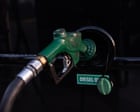
디젤유 가격 사상 최고치 경신, 호주 미국·멕시코·아시아에서 새로운 연료 공급처 모색
Australia eyes new fuel supply from US, Mexico and Asia as diesel prices spike to record high
The Guardian
Josh Butler and Luca Ittimani
EN
2026-04-09 05:44
Translated
에너지 장관이 목요일 5월 중순까지 호주로의 연료 공급이 안정적이라고 밝혔습니다호주 뉴스 라이브 블로그에서 최신 소식을 확인하세요속보 이메일, 무료 앱 또는 일일 뉴스 팟캐스트를 구독하세요디젤유 가격이 사상 최고치를 경신하는 가운데, 호주 정부의 새로운 정책이 정유사들의 석유 공급 입찰을 지원하면서 호주는 미국, 멕시코 또는 아시아 인접국으로부터 더 많은 연료를 공급받을 수 있게 될 전망입니다. 앤서니 알바니즈 총리는 목요일 싱가포르로 날아가 호주의 최대 정유연료 공급처로부터 지속적인 휘발유 공급을 확보할 예정입니다. 호주를 떠나기 전 그는 정부가 새로운 권한을 사용해 정유사 앰폴과 비바에 지원을 확대했으며, 캔버라가 이들의 공개 시장 석유 신규 공급 구매 노력을 보증하기로 했다고 확인했습니다.
Australia could get more fuel from the US, Mexico or its Asian neighbours, with a new government policy helping refineries bid for oil shipments as diesel prices spike to new record highs.
Anthony Albanese is flying to Singapore on Thursday to lock in ongoing petrol supplies from our biggest source of refined fuels. On his way out of Australia, the prime minister confirmed that the government had used new powers to extend assistance to Ampol and Viva refineries, with Canberra to underwrite their efforts to buy new shipments of oil on the open market.
The energy minister, Chris Bowen, said contracted shipments of fuel into Australia were secure until at least the middle of May, with optimism that the Middle East ceasefire could lead to oil prices returning to normal. But oil importers fear the closure of the strait of Hormuz, and uncertainty over the ceasefire as Israel escalates its bombing of Lebanon, could mean oil prices jump again, with the government underwriting policy allowing Australian firms to bid for more expensive shipments.
Bowen said such shipments could become available at short notice anywhere in the world, and would help meet Australia’s fuel needs. The government has been engaging with partners through Asia to shore up supplies but the minister said refiners could look farther afield.
“Obviously the closer it is to Australia the better, the quicker it is to get here, if it’s through Singapore or Korea or Malaysia, for that matter, but there’s also opportunities in North America and Mexico in particular,” he said.
Diesel prices have risen as much as 20 cents a litre in two days to record highs of nearly 330 cents a litre around Australia.
Wholesale price rises have outweighed the government’s fuel tax relief, rising a further 5 cents a litre around the country on Thursday, according to the Australian Institute of Petroleum.
The service station diesel price has been forced up to more than 322 cents a litre in Sydney on average, 326 in Brisbane, 328 in Melbourne and 329.3 in Canberra, according to MotorMouth. All capitals are facing record high average prices for diesel.
Petrol prices rose in some cities on Wednesday but resumed falling overall in every capital on Thursday morning except for Adelaide, where unleaded prices edged up again to 223.9 cents a litre on average. But the wholesale price of unleaded has risen about 5 cents a litre around the country in the last two days, suggesting retail price rises are on the way.
Jim Chalmers said the fuel crisis highlighted the need for a stronger transition to more renewable energy sources.
“I find it bizarre, frankly, that in the context of what we’ve seen in the last month and a half, that anyone would conclude from that that we should continue to have all of our eggs in one basket,” the treasurer said.
“We need cleaner and cheaper energy, more diverse sources and more reliable and robust supply chains … one of the conclusions of this war in the Middle East is that we need more, not less, when it comes to sovereign capacity, cleaner and cheaper energy, and more reliable, more resilient, more robust supply chains.”
The US-Iran ceasefire had sent prices plummeting for crude oil, which is refined into diesel and petrol, but oil prices are still at highs and are edging back up as renewed bombing leaves markets doubting oil supply can resume.
Albanese again called for an end to the Middle East conflict, urging that Lebanon – targeted on Wednesday in Israel’s largest attack since its war with Hezbollah began, killing at least 254 people and wounding 837 – must be included in the ceasefire. Asked if Israel’s escalating strikes on Lebanon were a threat to the ceasefire and the reopening of the strait of Hormuz, Albanese would only say: “We want to see a ceasefire.”
But the prime minister warned that even if the strait opened again, Australia and global supply chains would continue feeling effects for some time, noting disruption to shipping transit and storage facilities in the Gulf.
“If the ceasefire holds, that doesn’t mean that the world global capacity comes online in a week or a month,” he said. “It will take a considerable period of time. This will have a long tail, that is very, very clear.
“What we are doing and what we have done consistently here is not to wait … we’ve looked at every possible opportunity there is to increase supply.”
Albanese wouldn’t say how much financial assistance the government would provide to Ampol and Viva, claiming it would hinder negotiations. But he said the terms of the agreements meant the government could direct where that extra supply goes, adding that any new shipments would be directed to “regional Australia and areas that are under pressure in terms of supply”.
The opposition leader, Angus Taylor, demanded that Albanese return from Singapore with assurances that Australian fuel supplies would continue arriving unimpeded.
“We need to know what fuel is going to come from Singapore without cancellations and without delays,” he said.
Anthony Albanese is flying to Singapore on Thursday to lock in ongoing petrol supplies from our biggest source of refined fuels. On his way out of Australia, the prime minister confirmed that the government had used new powers to extend assistance to Ampol and Viva refineries, with Canberra to underwrite their efforts to buy new shipments of oil on the open market.
The energy minister, Chris Bowen, said contracted shipments of fuel into Australia were secure until at least the middle of May, with optimism that the Middle East ceasefire could lead to oil prices returning to normal. But oil importers fear the closure of the strait of Hormuz, and uncertainty over the ceasefire as Israel escalates its bombing of Lebanon, could mean oil prices jump again, with the government underwriting policy allowing Australian firms to bid for more expensive shipments.
Bowen said such shipments could become available at short notice anywhere in the world, and would help meet Australia’s fuel needs. The government has been engaging with partners through Asia to shore up supplies but the minister said refiners could look farther afield.
“Obviously the closer it is to Australia the better, the quicker it is to get here, if it’s through Singapore or Korea or Malaysia, for that matter, but there’s also opportunities in North America and Mexico in particular,” he said.
Diesel prices have risen as much as 20 cents a litre in two days to record highs of nearly 330 cents a litre around Australia.
Wholesale price rises have outweighed the government’s fuel tax relief, rising a further 5 cents a litre around the country on Thursday, according to the Australian Institute of Petroleum.
The service station diesel price has been forced up to more than 322 cents a litre in Sydney on average, 326 in Brisbane, 328 in Melbourne and 329.3 in Canberra, according to MotorMouth. All capitals are facing record high average prices for diesel.
Petrol prices rose in some cities on Wednesday but resumed falling overall in every capital on Thursday morning except for Adelaide, where unleaded prices edged up again to 223.9 cents a litre on average. But the wholesale price of unleaded has risen about 5 cents a litre around the country in the last two days, suggesting retail price rises are on the way.
Jim Chalmers said the fuel crisis highlighted the need for a stronger transition to more renewable energy sources.
“I find it bizarre, frankly, that in the context of what we’ve seen in the last month and a half, that anyone would conclude from that that we should continue to have all of our eggs in one basket,” the treasurer said.
“We need cleaner and cheaper energy, more diverse sources and more reliable and robust supply chains … one of the conclusions of this war in the Middle East is that we need more, not less, when it comes to sovereign capacity, cleaner and cheaper energy, and more reliable, more resilient, more robust supply chains.”
The US-Iran ceasefire had sent prices plummeting for crude oil, which is refined into diesel and petrol, but oil prices are still at highs and are edging back up as renewed bombing leaves markets doubting oil supply can resume.
Albanese again called for an end to the Middle East conflict, urging that Lebanon – targeted on Wednesday in Israel’s largest attack since its war with Hezbollah began, killing at least 254 people and wounding 837 – must be included in the ceasefire. Asked if Israel’s escalating strikes on Lebanon were a threat to the ceasefire and the reopening of the strait of Hormuz, Albanese would only say: “We want to see a ceasefire.”
But the prime minister warned that even if the strait opened again, Australia and global supply chains would continue feeling effects for some time, noting disruption to shipping transit and storage facilities in the Gulf.
“If the ceasefire holds, that doesn’t mean that the world global capacity comes online in a week or a month,” he said. “It will take a considerable period of time. This will have a long tail, that is very, very clear.
“What we are doing and what we have done consistently here is not to wait … we’ve looked at every possible opportunity there is to increase supply.”
Albanese wouldn’t say how much financial assistance the government would provide to Ampol and Viva, claiming it would hinder negotiations. But he said the terms of the agreements meant the government could direct where that extra supply goes, adding that any new shipments would be directed to “regional Australia and areas that are under pressure in terms of supply”.
The opposition leader, Angus Taylor, demanded that Albanese return from Singapore with assurances that Australian fuel supplies would continue arriving unimpeded.
“We need to know what fuel is going to come from Singapore without cancellations and without delays,” he said.