헝가리가 역사적 선거를 준비하면서 DW가 몇 가지 핵심 질문에 답하다
As Hungary gears up for a historic election, DW answers a few key questions
Deutsche Welle
Keno Verseck Editor, writer and reporter
DE
2026-04-11 04:03
Translated
4월 12일 헝가리 선거는 1989년 이후 국가에 있어 가장 중요한 선거이며, EU에도 역사적 의미를 지닌다. DW가 더 자세히 살펴본다.
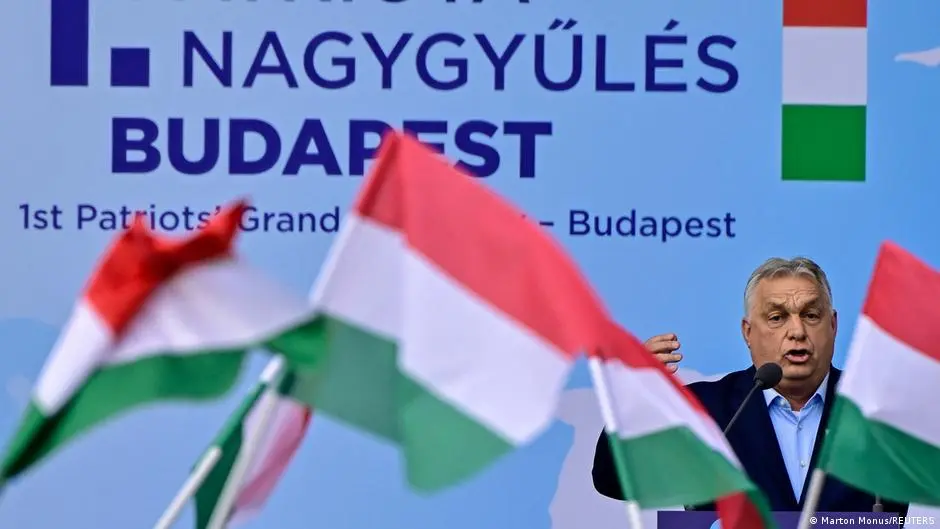
4월 12일 헝가리는 1989년/90년 공산 정권이 자발적으로 물러난 이후 가장 결정적인 의회 선거에 직면한다. 질문은 빅토르 오르반 총리와 그의 정부가 권력에서 물러날 수 있는가 하는 것이다. 2010년 이후 처음으로, 오르반의 주요 경쟁자인 페터 마자르가 이끄는 보수 정당 티스자당이 승리할 실질적인 가능성이 있다.
헝가리에서 이 선거는 국가의 현대사에서 중요한 순간으로 여겨지고 있다. 또한 유럽연합의 미래를 결정할 수 있고 향후 러시아가 이 연합에 얼마나 영향력을 미칠 수 있는지에 영향을 미칠 수 있다.
2010년 봄 3분의 2 다수로 첫 선거에 승리한 후, 오르반은 국가 협력 시스템(NER)을 발표하고 국가, 행정, 사법 부문 및 공무원 조직의 엘리트들을 개편했으며, 자신의 충성파들을 핵심 직책에 배치했다. 헝가리는 이후 초집중식 국가로 변모했다.
오르반은 또한 견제와 균형의 시스템, 그리고 권력에 대항할 가능성을 약화시켰다. 대부분의 인쇄 및 시청각 미디어 매체는 정부의 통제 아래 있거나, 오르반의 정당 피데스와 제휴된 회사 및 재단을 통해 간접적으로 통제되고 있다. 대학의 자율성은 해체되었으며, 상당한 규모의 국가 및 공공 자산이 오르반과 제휴된 재단의 통제 아래 놓여 있다. 전문가들은 오늘날의 헝가리를 민주주의와 독재 사이의 "하이브리드 시스템"으로 묘사한다.
오르반의 경제 및 세금 정책은 자신의 중상층 지지층에 유리했지만, 최근 몇 년간 많은 다른 헝가리인들의 재정 상황이 악화되었으며, 공공 인프라, 의료 및 교육도 마찬가지다. 국가 부패와 노골적인 불법 자기 부유화 사례에 대한 광범위한 불만이 있다. 많은 헝가리인들은 또한 우크라이나를 러시아와의 전쟁에서 "악당"으로 묘사하거나, 자신의 비평가들을 적과 "조국의 배신자"로 끊임없이 폄하하는 등 오르반이 만든 언어적 내전의 분위기에 지쳐 있다.
오르반의 명시된 목표는 "브뤼셀을 정복"하고 EU를 공통의 경제적 이익을 공유하는 정치적으로 주권을 가진 국가들의 연맹으로 변모시키는 것이다. 헝가리 총리는 수년 동안 이 연합에 대해 비난해 왔으며, 자신의 거부권과 EU 및 외교 정책에 관한 주요 결정을 지지하지 않음으로써 때때로 효과적으로 행동 불능 상태로 만들었다. 오르반의 또 다른 승리는 EU를 더욱 약화시킬 것이고, 헝가리 수도 부다페스트에서 권력 변화는 다시금 이 연합을 강화하는 데 기여할 것이다.
다른 EU 회원국이 오르반의 헝가리처럼 러시아와 긴밀한 관계를 가진 나라는 없다. 2014년 크림반도 병합 이후 러시아에 대한 대부분의 연합 제재를 승인했지만, 2022년 우크라이나에 대한 전면 침략 이후 그는 반복적으로 제재를 해제할 것을 촉구했으며, 면제를 통과시키고 우크라이나에 대한 지원을 최대한 차단했다. 이를 통해 그는 EU를 약화시켰다 - 이는 오르반과 러시아 대통령 블라디미르 푸틴의 명시된 공통 목표다. 오르반의 투표에서의 패배는 러시아에 심각한 타격을 줄 것이다.
2010년 선거 이후, 피데스는 단순 소수 당선 제도에 더 많은 강조를 두는 선거 개혁을 추진하기 시작했으며, 이는 오늘날까지 지속되는 당에 상당한 우위를 주었다. 199명의 의원 중 106명은 단순 다수로 소수 선거구에서 당선된다. 피데스에 충성하는 선거구는 더 작은 경향이 있으며, 이는 그곳에서 대표를 당선시키는 데 필요한 투표 수가 더 적다는 의미다. 2022년 마지막 선거에서 오르반의 당은 약 53%의 투표를 얻었지만 더 큰 선거구 비율을 획득하여 의회 의석의 68% 미만을 확보했다 - 절대 다수다.
헝가리의 이웃 국가에 살고 헝가리 시민권을 보유한 민족 헝가리인은 정당 목록에 투표하고 부재중 투표로 참여할 수 있다. 그러나 오르반에 대해 비판적인 경향이 있는 서유럽 국가의 헝가리인들은 그 국가의 대사관과 영사관에서만 투표할 수 있지만, 부재중 투표는 불가능하다.
헝가리 선거 전문가들은 투표 제도가 불공정하다고 주장하지만, 다가오는 선거에서 부정행위가 있을 것이라고 믿는 사람은 거의 없다. 일부는 우편 투표 제도에서 일부 부정행위의 가능성이 있으며 이웃 국가의 민족 헝가리인들의 투표가 오르반에게 1~2개의 추가 의석을 확보할 수 있다고 말했다. 이 모든 것은 정부 변화를 가져오기 어렵지만 불가능하지는 않다는 의미다.
헝가리 선거 분석가들은 헝가리 유권자의 절대 다수가 정부 변화를 원한다는 것을 확신한다. 1년 이상 동안, 독립적인 여론 조사 회사들은 티스자당이 피데스를 주도한다고 예측했으며, 경우에 따라 상당한 주도권을 보였다. 그러나 이 수치들은 각 선거구의 개별 후보자들의 선거 전망을 부분적으로만 반영한다. 이 여론 조사들은 주로 소도시와 마을의 노인과 은퇴자로 구성된 피데스의 유권자층을 완전히 고려하지는 않는다. 따라서 여론 조사 예측이 부정확할 수 있다. 그러나 대부분의 선거 분석가들은 오르반이 권력에서 물러날 것으로 예상한다.
이 동영상을 보려면 JavaScript를 활성화하고 HTML5 동영상을 지원하는 웹 브라우저로 업그레이드하는 것을 고려하십시오.
페터 마자르와 그의 티스자당의 주요 목표와 목적은 헝가리가 러시아로부터 거리를 두고 EU와 NATO의 신뢰할 수 있는 동맹국이 되는 것이다. 그러나 이주와 우크라이나에 관해서는, 마자르는 적어도 부분적으로 헝가리의 현재 접근 방식을 계속할 의도이지만, EU 내에서의 전면 대립에 들어가지는 않을 것이다.
국내 전선에서, 마자르는 부패에 대한 단속과 "시스템적 개편"을 발표했으며, 이는 더 공정한 선거 제도 도입, 총리 임기를 두 선거 주기로 제한, 그리고 새 헌법을 작성하는 것을 수반할 것이다. 오르반과 그의 측근의 다른 고위 정치인들은 부패와 반역죄로 기소될 수 있다.
오르반은 아직 이 질문에 직접 답변하지 않았다. 그는 단지 자신이 때때로 선거에서 승리했고 때때로 패배했으며, 헝가리는 민주주의 국가라고 말했을 뿐이다.
오르반이 승리를 주장하면, 대규모 시위가 가능하며, 오르반 정권에 대한 분노와 증오가 이제 광범위하게 퍼져 있기 때문에 폭력적 충돌도 가능하다. 오르반이 패배하면, 그의 지지자들이 대량으로 거리로 나갈지 여부는 아마도 그의 태도에 달려 있을 것이다.
오르반은 권력을 잃는 것을 피하기 위해 많은 예방 조치를 취했다. 그의 시스템의 많은 변화에는 3분의 2의 의회 다수가 필요하며, 많은 핵심 직책은 수년 동안 채워졌다. 따라서 그의 자체 "딥 스테이트"는 단순 다수만 누리는 정부를 쉽게 훼방할 수 있다. 그리고 3분의 2의 다수를 가지고도, 티스자가 오르반 시스템을 완전히 개편하는 데는 몇 년이 걸릴 수 있다.
이 동영상을 보려면 JavaScript를 활성화하고 HTML5 동영상을 지원하는 웹 브라우저로 업그레이드하는 것을 고려하십시오.
이 기사는 독일어에서 번역되었습니다.
헝가리에서 이 선거는 국가의 현대사에서 중요한 순간으로 여겨지고 있다. 또한 유럽연합의 미래를 결정할 수 있고 향후 러시아가 이 연합에 얼마나 영향력을 미칠 수 있는지에 영향을 미칠 수 있다.
2010년 봄 3분의 2 다수로 첫 선거에 승리한 후, 오르반은 국가 협력 시스템(NER)을 발표하고 국가, 행정, 사법 부문 및 공무원 조직의 엘리트들을 개편했으며, 자신의 충성파들을 핵심 직책에 배치했다. 헝가리는 이후 초집중식 국가로 변모했다.
오르반은 또한 견제와 균형의 시스템, 그리고 권력에 대항할 가능성을 약화시켰다. 대부분의 인쇄 및 시청각 미디어 매체는 정부의 통제 아래 있거나, 오르반의 정당 피데스와 제휴된 회사 및 재단을 통해 간접적으로 통제되고 있다. 대학의 자율성은 해체되었으며, 상당한 규모의 국가 및 공공 자산이 오르반과 제휴된 재단의 통제 아래 놓여 있다. 전문가들은 오늘날의 헝가리를 민주주의와 독재 사이의 "하이브리드 시스템"으로 묘사한다.
오르반의 경제 및 세금 정책은 자신의 중상층 지지층에 유리했지만, 최근 몇 년간 많은 다른 헝가리인들의 재정 상황이 악화되었으며, 공공 인프라, 의료 및 교육도 마찬가지다. 국가 부패와 노골적인 불법 자기 부유화 사례에 대한 광범위한 불만이 있다. 많은 헝가리인들은 또한 우크라이나를 러시아와의 전쟁에서 "악당"으로 묘사하거나, 자신의 비평가들을 적과 "조국의 배신자"로 끊임없이 폄하하는 등 오르반이 만든 언어적 내전의 분위기에 지쳐 있다.
오르반의 명시된 목표는 "브뤼셀을 정복"하고 EU를 공통의 경제적 이익을 공유하는 정치적으로 주권을 가진 국가들의 연맹으로 변모시키는 것이다. 헝가리 총리는 수년 동안 이 연합에 대해 비난해 왔으며, 자신의 거부권과 EU 및 외교 정책에 관한 주요 결정을 지지하지 않음으로써 때때로 효과적으로 행동 불능 상태로 만들었다. 오르반의 또 다른 승리는 EU를 더욱 약화시킬 것이고, 헝가리 수도 부다페스트에서 권력 변화는 다시금 이 연합을 강화하는 데 기여할 것이다.
다른 EU 회원국이 오르반의 헝가리처럼 러시아와 긴밀한 관계를 가진 나라는 없다. 2014년 크림반도 병합 이후 러시아에 대한 대부분의 연합 제재를 승인했지만, 2022년 우크라이나에 대한 전면 침략 이후 그는 반복적으로 제재를 해제할 것을 촉구했으며, 면제를 통과시키고 우크라이나에 대한 지원을 최대한 차단했다. 이를 통해 그는 EU를 약화시켰다 - 이는 오르반과 러시아 대통령 블라디미르 푸틴의 명시된 공통 목표다. 오르반의 투표에서의 패배는 러시아에 심각한 타격을 줄 것이다.
2010년 선거 이후, 피데스는 단순 소수 당선 제도에 더 많은 강조를 두는 선거 개혁을 추진하기 시작했으며, 이는 오늘날까지 지속되는 당에 상당한 우위를 주었다. 199명의 의원 중 106명은 단순 다수로 소수 선거구에서 당선된다. 피데스에 충성하는 선거구는 더 작은 경향이 있으며, 이는 그곳에서 대표를 당선시키는 데 필요한 투표 수가 더 적다는 의미다. 2022년 마지막 선거에서 오르반의 당은 약 53%의 투표를 얻었지만 더 큰 선거구 비율을 획득하여 의회 의석의 68% 미만을 확보했다 - 절대 다수다.
헝가리의 이웃 국가에 살고 헝가리 시민권을 보유한 민족 헝가리인은 정당 목록에 투표하고 부재중 투표로 참여할 수 있다. 그러나 오르반에 대해 비판적인 경향이 있는 서유럽 국가의 헝가리인들은 그 국가의 대사관과 영사관에서만 투표할 수 있지만, 부재중 투표는 불가능하다.
헝가리 선거 전문가들은 투표 제도가 불공정하다고 주장하지만, 다가오는 선거에서 부정행위가 있을 것이라고 믿는 사람은 거의 없다. 일부는 우편 투표 제도에서 일부 부정행위의 가능성이 있으며 이웃 국가의 민족 헝가리인들의 투표가 오르반에게 1~2개의 추가 의석을 확보할 수 있다고 말했다. 이 모든 것은 정부 변화를 가져오기 어렵지만 불가능하지는 않다는 의미다.
헝가리 선거 분석가들은 헝가리 유권자의 절대 다수가 정부 변화를 원한다는 것을 확신한다. 1년 이상 동안, 독립적인 여론 조사 회사들은 티스자당이 피데스를 주도한다고 예측했으며, 경우에 따라 상당한 주도권을 보였다. 그러나 이 수치들은 각 선거구의 개별 후보자들의 선거 전망을 부분적으로만 반영한다. 이 여론 조사들은 주로 소도시와 마을의 노인과 은퇴자로 구성된 피데스의 유권자층을 완전히 고려하지는 않는다. 따라서 여론 조사 예측이 부정확할 수 있다. 그러나 대부분의 선거 분석가들은 오르반이 권력에서 물러날 것으로 예상한다.
이 동영상을 보려면 JavaScript를 활성화하고 HTML5 동영상을 지원하는 웹 브라우저로 업그레이드하는 것을 고려하십시오.
페터 마자르와 그의 티스자당의 주요 목표와 목적은 헝가리가 러시아로부터 거리를 두고 EU와 NATO의 신뢰할 수 있는 동맹국이 되는 것이다. 그러나 이주와 우크라이나에 관해서는, 마자르는 적어도 부분적으로 헝가리의 현재 접근 방식을 계속할 의도이지만, EU 내에서의 전면 대립에 들어가지는 않을 것이다.
국내 전선에서, 마자르는 부패에 대한 단속과 "시스템적 개편"을 발표했으며, 이는 더 공정한 선거 제도 도입, 총리 임기를 두 선거 주기로 제한, 그리고 새 헌법을 작성하는 것을 수반할 것이다. 오르반과 그의 측근의 다른 고위 정치인들은 부패와 반역죄로 기소될 수 있다.
오르반은 아직 이 질문에 직접 답변하지 않았다. 그는 단지 자신이 때때로 선거에서 승리했고 때때로 패배했으며, 헝가리는 민주주의 국가라고 말했을 뿐이다.
오르반이 승리를 주장하면, 대규모 시위가 가능하며, 오르반 정권에 대한 분노와 증오가 이제 광범위하게 퍼져 있기 때문에 폭력적 충돌도 가능하다. 오르반이 패배하면, 그의 지지자들이 대량으로 거리로 나갈지 여부는 아마도 그의 태도에 달려 있을 것이다.
오르반은 권력을 잃는 것을 피하기 위해 많은 예방 조치를 취했다. 그의 시스템의 많은 변화에는 3분의 2의 의회 다수가 필요하며, 많은 핵심 직책은 수년 동안 채워졌다. 따라서 그의 자체 "딥 스테이트"는 단순 다수만 누리는 정부를 쉽게 훼방할 수 있다. 그리고 3분의 2의 다수를 가지고도, 티스자가 오르반 시스템을 완전히 개편하는 데는 몇 년이 걸릴 수 있다.
이 동영상을 보려면 JavaScript를 활성화하고 HTML5 동영상을 지원하는 웹 브라우저로 업그레이드하는 것을 고려하십시오.
이 기사는 독일어에서 번역되었습니다.
Hungary's election on April 12 is the most important for the state since 1989, and also of historic significance for the EU. DW takes a more detailed look.
On April 12, Hungary faces its most decisive parliamentary election since Hungary's communist regime stepped down voluntarily in 1989/90. The question is whether Hungarian Prime Minister Viktor Orban and his government can be voted out of office or not. For the first time since 2010, there is a real possibility that an opposition party — the conservative Tisza party led by Orban's main challenger, Peter Magyar – could win.In Hungary, the election is being viewed as a significant moment in the country's modern history. It could also determine both the future of the European Union and play a role in how much Russia can influence the bloc in future.
After his first election win with a two-thirds majority in the spring of 2010, Orban announced a System of National Cooperation (NER) and orchestrated a shake-up of the elite in the state, administrative and judicial apparatus, as well as the civil service, filling key positions with his loyalists. Hungary has since been transformed into an ultra-centralized state.
Orban has also weakened the system of checks and balances and thus the possibilities of countering power. Most of the print and audiovisual media outlets have been brought under government control, either directly or indirectly through companies and foundations affiliated with Orban's party Fidesz; the autonomy of universities has been dismantled; and a significant portion of state and public assets has been placed under the control of foundations affiliated with Orban. Experts describe Hungary today as a "hybrid system” located between democracy and dictatorship.
Orban's economic and tax policies have favored his upper-middle-class base but the financial situation of many other Hungarians has deteriorated in recent years, as has public infrastructure, healthcare and education. There is widespread dissatisfaction with state corruption and blatant cases of illegal self-enrichment. Many Hungarians are also tired of the atmosphere of verbal civil war that Orban has created, such as with his portrayal of Ukraine as the "villain" in the war with Russia, or the constant vilification of his critics as enemies and "traitors to the fatherland."
Orban's stated goal is to "conquer Brussels" and to transform the EU into a confederation of politically sovereign nation states that share common economic interests. Hungary's prime minister has railed against the bloc for years and, through his vetoes and refusal to support key decisions regarding the EU and foreign policy, has at times rendered it effectively incapable of acting. Another win for Orban would further weaken the EU, while a change of power in the Hungarian capital Budapest would contribute to strengthening the bloc again.
No other EU member state has such close ties to Russia as Orban's Hungary. Though he has approved most of the bloc's sanctions against Russia following its annexation of Crimea in 2014, since its full-scale invasion of Ukraine in 2022 he has repeatedly called for them to be lifted while pushing through exemptions and blocking support for Ukraine as much as possible. In doing so, he has weakened the EU — a stated common goal of both Orban and Russian President Vladimir Putin. Orban's defeat at the polls would constitute a serious blow to Russia.
After the 2010 election, Fidesz started pushing through major electoral reforms that placed greater emphasis on the first-past-the-post system, which gave the party a significant head start that persists to this day. Of 199 lawmakers, 106 are elected in single-member districts by a simple majority. Constituencies loyal to Fidesz tend to be smaller, meaning fewer votes are needed to elect a representative there. In the last election in 2022, Orban's party received about 53% of the vote but won a larger percentage of constituencies, thereby securing just under 68% of the seats in parliament — an absolute majority.
Ethnic Hungarians who live in Hungary's neighboring countries and hold Hungarian citizenship are permitted to vote for party lists and participate via absentee ballot. However, Hungarians in western European countries who tend to be critical of Orban can only vote at embassies and consulates in those states, but not via absentee ballot.
Hungarian election experts argue that the voting system is unfair, but few believe that there will be any vote rigging in the upcoming election. Some have said that there is some potential for fraud in the postal voting system and that the votes of ethnic Hungarians in neighboring countries could secure Orban one or two extra seats. All this means it will be hard to bring about a change of government but not impossible.
Hungarian election analysts are certain that an absolute majority of voters in Hungary want a change in government. For over a year, independent polling firms have predicted a lead — in some cases a significant one — for the Tisza party over Fidesz. However, these figures only partially reflect the electoral prospects of the individual candidates in each constituency. These polls do not wholly take into account Fidesz's voter base, which comprises primarily older adults and retirees in small towns and villages. Therefore, the poll predictions could be inaccurate. Most election analysts, however, expect Orban to be voted out of office.
To view this video please enable JavaScript, and consider upgrading to a web browser that supports HTML5 video
The main goals and objectives of Peter Magyar and his Tisza party are for Hungary to distance itself from Russia and become a reliable ally of the EU and NATO again. However, with regard to migration and Ukraine, Magyar intends to continue Hungary's current approach, at least partly, but without entering into total confrontation within the EU.
On the domestic front, Magyar has announced a crackdown on corruption and a "systemic overhaul," which would entail a introducing a fairer electoral system, limiting the prime minister's term to two electoral cycles, and writing up a new constitution. Orban and other high-ranking politicians in his inner circle could face charges of corruption and high treason.
Orban has not yet answered this question directly. He has merely said that he has sometimes won elections and sometimes lost them, and that Hungary is a democracy.
If Orban claims victory, mass demonstrations are likely, and violent clashes are also conceivable, as anger and hatred toward the Orban regime are now widespread. If Orban does lose, whether his supporters take to the streets end masse or not will likely depend on his attitude.
Orban has taken numerous precautions to avoid losing power. Many changes to his system require a two-thirds parliamentary majority, and many key positions have been filled for years to come. Thus, his own "deep state" could easily sabotage a government that only enjoys a simple majority. And even with a two-thirds majority, it could take years for Tisza to completely overhaul the Orban system.
To view this video please enable JavaScript, and consider upgrading to a web browser that supports HTML5 video
This article was translated from German.