Artemis II 승무원이 역사적인 달 미션 후 지구로 귀환
Artemis II crew coming home to Earth after historic lunar mission
CBC News
EN
2026-04-11 06:07
Translated
Artemis II 승무원이 우주에서의 마지막 전날을 준비하며 재진입 준비
Artemis II 승무원이 우주에서의 마지막 전날을 준비하며 재진입 준비
Artemis II 착수: Orion의 재진입이 왜 그렇게 위험한가
금요일 Artemis II 착수를 앞두고 무엇을 기대할 것인가 | Hanomansing Tonight
Artemis 임무 책임자는 승무원이 구조선에 탑승할 때까지 긴장을 풀지 않을 것이라고 말함
Artemis II 임무는 우주에서 '우리 자신을 어떻게 생각하는지' 진전시킴: Roberta Bondar
'미친 20분': 우주에서 집으로 돌아오는 것이 어떤 것인지
NASA는 샌디에이고 지역의 지상에서 관찰하는 사람들이 우주선이 하늘을 가로지르는 것을 보지 못할 가능성이 높다고 말했지만, 그렇다고 해서 아무것도 경험하지 못할 것이라는 뜻은 아닙니다.
미국지질조사소는 Orion이 지구 대기권에 진입할 때 음속 붐이 발생할 것으로 예상하고 있으며, 이는 동부 표준시 오후 8시에서 8시 15분 사이에 남부 캘리포니아 전역에서 "잠재적으로 감지되고 들을 수 있습니다".
승무원이 오늘 밤 지구로 귀환하는 것을 관찰하는 방법은 몇 가지가 있습니다:
다음은 오늘 밤 작전의 주요 이정표에 대한 NASA의 일정입니다(모든 시간은 동부 표준시):
금요일 Artemis II 착수를 앞두고 무엇을 기대할 것인가 | Hanomansing Tonight
Artemis II 승무원은 Charley Crockett의 몽환적인 컨트리 음악 Lonesome Drifter를 들으며 우주에서의 마지막 온종일을 시작한 후 재진입 절차를 검토하고 금요일 착수를 위한 준비를 계속했습니다. 캐나다의 천체물리학자 Rob Thacker는 임무의 재진입과 전반적인 중요성에서 무엇을 기대할 것인지에 대해 논의합니다.
Orion 캡슐은 달의 먼 쪽 주위를 여행했고 인간이 지구에서 더 멀리 여행한 10일간의 임무가 끝날 때 캘리포니아 해안 근처에서 착수할 예정입니다.
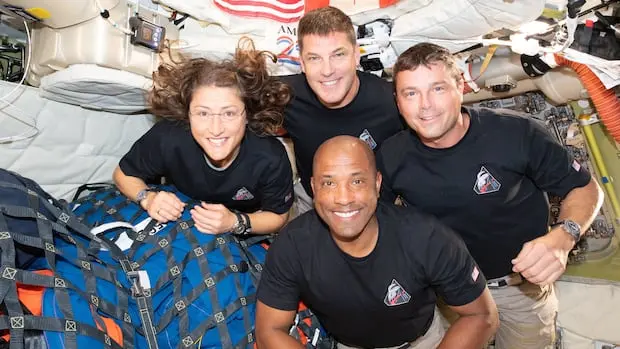
사령관 Reid Wiseman, 임무 조종사 Victor Glover, 임무 전문가 Christina Koch 및 Jeremy Hansen — 이제 달에 비행한 첫 캐나다인 — 은 동부 표준시 오후 8시 직후 태평양에 착륙할 예정입니다.
승무원의 캡슐은 지구 대기권에 재진입할 때 시간당 거의 40,000km의 속도에 도달하며, 이는 Artemis II 임무의 가장 높은 위험 단계 중 하나입니다. Orion의 열 방패는 콤팩트 캡슐이 대기권을 통해 급강하하면서 극한의 열을 견디므로 시험을 받게 될 것입니다.
10일간의 임무는 콤팩트한 Orion의 생명 지원 시스템, 항법, 통신 및 열 방패 기능을 우주에서 테스트했으며, NASA는 이것이 2년 내에 우주인들을 달 표면에 복귀시키기 위한 중요한 디딤돌이라고 말했습니다.
기술적, 과학적 진전 외에도, 이 비행은 인간의 이상주의, 야망 및 기술의 예로서 전 세계 관객들을 매료시켰습니다.
Hansen은 우주에서 지구를 보는 것이 우리 행성의 삶에 대한 그의 감정만을 재확인했다고 말했습니다.
"인류로서 우리의 목적은 기쁨을 찾는 것이고, 파괴하는 대신 함께 해결책을 만듦으로써 서로를 들어올리는 기쁨을 찾는 것입니다"라고 그는 말했습니다.
"그리고 당신이 여기서 그것을 보면... 그것의 살아있는 증거를 보는 것 같습니다."
Artemis II 착수: Orion의 재진입이 왜 그렇게 위험한가
금요일 Artemis II 착수를 앞두고 무엇을 기대할 것인가 | Hanomansing Tonight
Artemis 임무 책임자는 승무원이 구조선에 탑승할 때까지 긴장을 풀지 않을 것이라고 말함
Artemis II 임무는 우주에서 '우리 자신을 어떻게 생각하는지' 진전시킴: Roberta Bondar
'미친 20분': 우주에서 집으로 돌아오는 것이 어떤 것인지
NASA는 샌디에이고 지역의 지상에서 관찰하는 사람들이 우주선이 하늘을 가로지르는 것을 보지 못할 가능성이 높다고 말했지만, 그렇다고 해서 아무것도 경험하지 못할 것이라는 뜻은 아닙니다.
미국지질조사소는 Orion이 지구 대기권에 진입할 때 음속 붐이 발생할 것으로 예상하고 있으며, 이는 동부 표준시 오후 8시에서 8시 15분 사이에 남부 캘리포니아 전역에서 "잠재적으로 감지되고 들을 수 있습니다".
승무원이 오늘 밤 지구로 귀환하는 것을 관찰하는 방법은 몇 가지가 있습니다:
다음은 오늘 밤 작전의 주요 이정표에 대한 NASA의 일정입니다(모든 시간은 동부 표준시):
금요일 Artemis II 착수를 앞두고 무엇을 기대할 것인가 | Hanomansing Tonight
Artemis II 승무원은 Charley Crockett의 몽환적인 컨트리 음악 Lonesome Drifter를 들으며 우주에서의 마지막 온종일을 시작한 후 재진입 절차를 검토하고 금요일 착수를 위한 준비를 계속했습니다. 캐나다의 천체물리학자 Rob Thacker는 임무의 재진입과 전반적인 중요성에서 무엇을 기대할 것인지에 대해 논의합니다.
Orion 캡슐은 달의 먼 쪽 주위를 여행했고 인간이 지구에서 더 멀리 여행한 10일간의 임무가 끝날 때 캘리포니아 해안 근처에서 착수할 예정입니다.
사령관 Reid Wiseman, 임무 조종사 Victor Glover, 임무 전문가 Christina Koch 및 Jeremy Hansen — 이제 달에 비행한 첫 캐나다인 — 은 동부 표준시 오후 8시 직후 태평양에 착륙할 예정입니다.
승무원의 캡슐은 지구 대기권에 재진입할 때 시간당 거의 40,000km의 속도에 도달하며, 이는 Artemis II 임무의 가장 높은 위험 단계 중 하나입니다. Orion의 열 방패는 콤팩트 캡슐이 대기권을 통해 급강하하면서 극한의 열을 견디므로 시험을 받게 될 것입니다.
10일간의 임무는 콤팩트한 Orion의 생명 지원 시스템, 항법, 통신 및 열 방패 기능을 우주에서 테스트했으며, NASA는 이것이 2년 내에 우주인들을 달 표면에 복귀시키기 위한 중요한 디딤돌이라고 말했습니다.
기술적, 과학적 진전 외에도, 이 비행은 인간의 이상주의, 야망 및 기술의 예로서 전 세계 관객들을 매료시켰습니다.
Hansen은 우주에서 지구를 보는 것이 우리 행성의 삶에 대한 그의 감정만을 재확인했다고 말했습니다.
"인류로서 우리의 목적은 기쁨을 찾는 것이고, 파괴하는 대신 함께 해결책을 만듦으로써 서로를 들어올리는 기쁨을 찾는 것입니다"라고 그는 말했습니다.
"그리고 당신이 여기서 그것을 보면... 그것의 살아있는 증거를 보는 것 같습니다."
Artemis II crew prepares for re-entry on last full day in space
Artemis II crew prepares for re-entry on last full day in spaceArtemis II splashdown: Why Orion’s re-entry is so high risk
What to expect ahead of Friday's Artemis II splashdown | Hanomansing Tonight
Head of Artemis mission says she won't relax until crew is aboard rescue ship
Artemis II mission advances 'how we think of ourselves' in the universe: Roberta Bondar
‘A crazy 20 minutes’: What it's like coming back home from space
NASA has said those watching from the ground in San Diego likely won't see the spacecraft hurtling across the sky, but that doesn't mean they won't experience anything at all.
The U.S. Geological Survey is expecting a sonic boom as the Orion breaks into Earth's atmosphere that "could potentially be felt and heard" throughout southern California between 8:00 and 8:15 p.m. ET.
There are a few ways to watch the crew return to Earth tonight:
This is NASA's schedule for they key milestones in tonight's operation (all times ET):
What to expect ahead of Friday's Artemis II splashdown | Hanomansing Tonight
The Artemis II crew began their last full day in space listening to Charley Crockett's hazy country jam Lonesome Drifter, before reviewing re-entry procedures and continuing preparations for their Friday splashdown. Canadian astrophysicist Rob Thacker discusses what to expect from the mission's re-entry and overall significance.
The Orion capsule is due to splash down off the coast of California tonight, at the end of a 10-day mission that took four astronauts around the far side of the moon and farther from Earth than any human has been.
Commander Reid Wiseman, mission pilot Victor Glover, and mission specialists Christina Koch and Jeremy Hansen — now the first Canadian to fly to the moon — are scheduled to land in the Pacific Ocean just after 8 p.m. ET.
The crew's capsule will reach speeds of almost 40,000 km/h as it re-enters Earth's atmosphere in one of the Artemis II mission's highest-risk phases. The Orion's heat shield will be put to the test as the compact capsule endures extreme heat while plummeting through the atmosphere.
The 10-day mission tested the compact Orion's life-support systems, navigation, communications and heat shield capabilities in space, which NASA has said are crucial stepping stones to return astronauts to the lunar surface in two years' time.
Aside from the technological and scientific advances, the flight has also captivated audiences around the world as an example of human idealism, ambition and skill.
Hansen said the view of Earth from space has only reaffirmed his feelings about life on our planet.
"Our purpose on the planet as humans is to find joy, to find the joy in lifting each other up, by creating solutions together instead of destroying," he said.
"And when you see it from out here … It's almost like seeing living proof of it."