아르테미스 II 우주비행사들, 지구 귀환을 앞두고 달 여행을 초현실적이고 심오하다고 표현
Artemis II astronauts describe their lunar voyage as surreal and profound ahead of Earth return
Associated Press
https://apnews.com/author/marcia-dunn
EN
2026-04-10 02:20
Translated
[CONTENT]
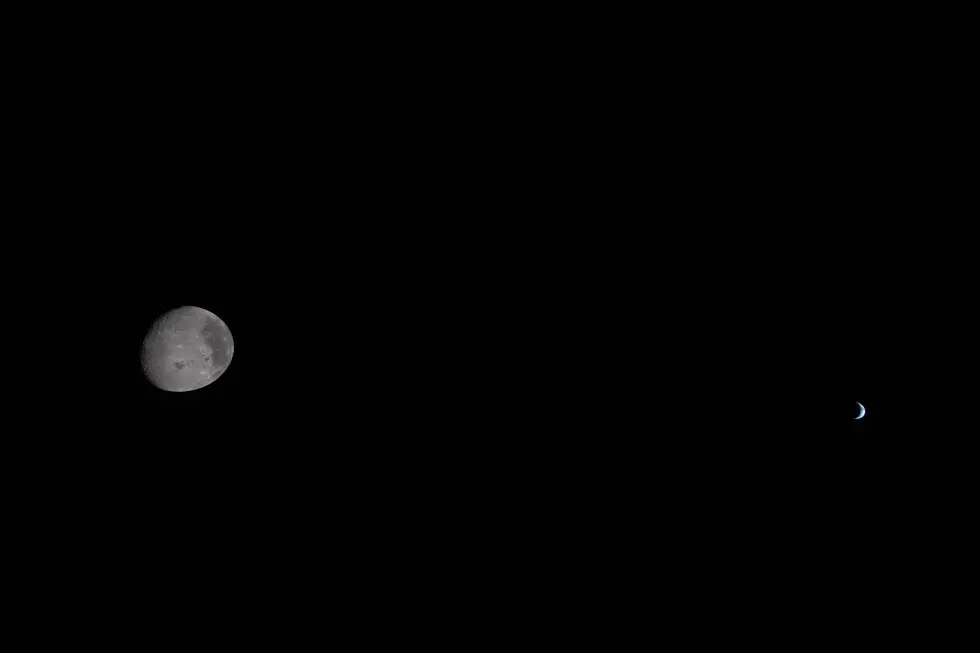
NASA가 제공한 사진으로, 아르테미스 II 승무원이 2026년 4월 6일 월요일 달과 지구의 모습을 촬영했다. (NASA via AP)
NASA가 제공한 사진으로, 우주비행사이자 아르테미스 II 사령관 리드 와이즈먼이 2026년 4월 6일 월요일 7시간의 달 관측 기간 동안 잠시 시간을 갖고 있다. 승무원들은 지상팀에 색감의 뉘앙스를 포함한 관측 결과를 보고했으며, 이는 달에 대한 과학적 이해를 높이는 데 도움이 될 것이다. (NASA via AP)
NASA가 제공한 사진으로, 아르테미스 II 승무원이 2026년 4월 6일 월요일 달의 분화구를 촬영했다. (NASA via AP)
NASA가 제공한 영상 사진으로, 아르테미스 II 승무원들인 리드 와이즈먼 사령관(왼쪽부터), 미션 전문가 크리스티나 코흐, 조종사 빅터 글로버, 캐나다 우주비행사이자 미션 전문가 제레미 핸센이 2026년 4월 8일 수요일 화상 회의 중 언론의 질문에 답하고 있다. (NASA via AP)
NASA가 제공한 사진으로, 아르테미스 II 승무원이 2026년 4월 6일 월요일 리드 와이즈먼의 고인이 된 아내 캐롤 테일러 와이즈먼을 추도하기 위해 승무원들이 명명한 캐롤 분화구의 사진을 촬영했다. (NASA via AP)
NASA가 제공한 사진으로, 아르테미스 II 승무원이 2026년 4월 6일 월요일 달과 지구의 모습을 촬영했다. (NASA via AP)
NASA가 제공한 사진으로, 아르테미스 II 승무원이 2026년 4월 6일 월요일 달과 지구의 모습을 촬영했다. (NASA via AP)
NASA가 제공한 사진으로, 우주비행사이자 아르테미스 II 사령관 리드 와이즈먼이 2026년 4월 6일 월요일 7시간의 달 관측 기간 동안 잠시 시간을 갖고 있다. 승무원들은 지상팀에 색감의 뉘앙스를 포함한 관측 결과를 보고했으며, 이는 달에 대한 과학적 이해를 높이는 데 도움이 될 것이다. (NASA via AP)
NASA가 제공한 사진으로, 우주비행사이자 아르테미스 II 사령관 리드 와이즈먼이 2026년 4월 6일 월요일 7시간의 달 관측 기간 동안 잠시 시간을 갖고 있다. 승무원들은 지상팀에 색감의 뉘앙스를 포함한 관측 결과를 보고했으며, 이는 달에 대한 과학적 이해를 높이는 데 도움이 될 것이다. (NASA via AP)
NASA가 제공한 사진으로, 아르테미스 II 승무원이 2026년 4월 6일 월요일 달의 분화구를 촬영했다. (NASA via AP)
NASA가 제공한 사진으로, 아르테미스 II 승무원이 2026년 4월 6일 월요일 달의 분화구를 촬영했다. (NASA via AP)
NASA가 제공한 영상 사진으로, 아르테미스 II 승무원들인 리드 와이즈먼 사령관(왼쪽부터), 미션 전문가 크리스티나 코흐, 조종사 빅터 글로버, 캐나다 우주비행사이자 미션 전문가 제레미 핸센이 2026년 4월 8일 수요일 화상 회의 중 언론의 질문에 답하고 있다. (NASA via AP)
NASA가 제공한 영상 사진으로, 아르테미스 II 승무원들인 리드 와이즈먼 사령관(왼쪽부터), 미션 전문가 크리스티나 코흐, 조종사 빅터 글로버, 캐나다 우주비행사이자 미션 전문가 제레미 핸센이 2026년 4월 8일 수요일 화상 회의 중 언론의 질문에 답하고 있다. (NASA via AP)
NASA가 제공한 사진으로, 아르테미스 II 승무원이 2026년 4월 6일 월요일 리드 와이즈먼의 고인이 된 아내 캐롤 테일러 와이즈먼을 추도하기 위해 승무원들이 명명한 캐롤 분화구의 사진을 촬영했다. (NASA via AP)
NASA가 제공한 사진으로, 아르테미스 II 승무원이 2026년 4월 6일 월요일 리드 와이즈먼의 고인이 된 아내 캐롤 테일러 와이즈먼을 추도하기 위해 승무원들이 명명한 캐롤 분화구의 사진을 촬영했다. (NASA via AP)
휴스턴(AP) — 지구로 점점 더 가까워지고 있는 아르테미스 II 우주비행사들은 달 주위 비행이라는 역사적 여정을 돌아보며 그것을 초현실적이고 심오하다고 표현하면서 달 탐사선을 다가올 '화염 재진입'을 위해 정리했다.
비행의 거의 마지막 날인 목요일이 시작되자, 반세기 이상 만에 달을 탐사한 인류 최초의 탐사자들은 지구로부터 15만 마일(24만 킬로미터) 미만 떨어진 곳에서 거리를 줄이고 있었다.
조종사 빅터 글로버는 "우리는 돌아가야 한다. 당신이 이미 본 데이터가 많지만, 모든 좋은 것들이 우리와 함께 돌아온다. 훨씬 더 많은 사진과 이야기들이 있다"고 말했으며, "대기를 통해 화염 속을 날아가는 것도 심오하다"고 덧붙였다.
달 뒤쪽에서 거의 한 시간 동안 인류 전체로부터 단절되었던 경험은 사령관 리드 와이즈먼에게 특히 "초현실적"이었다.
와이즈먼은 발사 전 이후 처음 열린 기자회견에서 수요일 늦게 "우리 뇌가 처리해야 할 것이 많다... 그리고 이것은 진정한 선물"이라고 말했다.
달 뒤쪽에서 연락이 두절된 동안 와이즈먼, 글로버, 크리스티나 코흐, 캐나다의 제레미 핸센은 지구로부터 기록적인 25만 2,756마일(40만 6,771킬로미터) 떨어진 곳에서 인류 역사상 가장 먼 거리에 있는 인류가 되었다. 달 뒤쪽에서 나올 때, 그들은 천체가 자신들의 관점에서 태양을 가리면서 경험하는 경이로운 개기 일식을 목격했다.
4월 1일 플로리다에서 발사한 것이 달의 뒷면의 조명 양을 줄였다고 글로버는 지적했지만, 일식은 보상 선물이었으며 "그것은 가장 위대한 선물 중 하나였다"고 말했다.
금요일의 재진입과 샌디에이고 해안 태평양으로의 착수는 발사만큼 역동적이고 위험하며, 이제 모두의 마음속에 있었다. 회수선 USS 존 P. 머사호는 이미 바다에 나와 있었으며, 군용 비행기와 헬리콥터 비행단이 작전에 참여할 준비가 되어 있었다.
NASA와 국방부가 1972년 아폴로 17호 이후 달 탐사선 승무원의 재진입을 위해 협력한 것은 처음이다. 오리온 캡슐은 예상 속도인 시속 3만 4,965피트(시속 1만 657미터) 또는 시속 2만 3,840마일(시속 3만 8,367킬로미터)로 대기권에 재진입할 것이다. 기록은 아니지만 여전히 경이로울 정도로 빠르다.
미션 컨트롤은 캡슐의 열 차폐막이 얼마나 견디는지 주의 깊게 지켜볼 것이다. 2022년 승무원 없이 달로 비행한 유일한 다른 오리온 시험 비행 동안 열 차폐막은 화씨 5,000도(섭씨 2,760도)의 재진입으로 인해 예상보다 훨씬 더 많은 손상을 입었다.
아르테미스 II의 열 차폐막을 교체하는 대신 다른 긴 지연을 강요했을 것이고, NASA는 극도로 뜨거운 노출을 줄이기 위해 캡슐의 대기권 강하를 조정했다. 내년의 아르테미스 III 이후는 재설계된 열 차폐막과 함께 비행할 것이다.
아르테미스 III는 우주비행사들이 지구 궤도 주변의 달 착륙선과 자신들의 캡슐을 도킹하는 연습을 하는 모습을 보게 될 것이다. 2028년 아르테미스 IV는 달의 남극 근처에 두 명의 우주비행사를 착륙시키려 시도하여 NASA가 지속 가능한 달 기지가 되기를 바라는 무대를 마련할 것이다.
NASA 관계자들은 거의 10일간의 미션에 대한 위험 평가 수치를 제공하기를 꺼려했으며, 발사와 재진입을 가장 큰 위협으로 인정했다.
NASA의 라키샤 호킨스는 "우리는 이제 마지막 단계에 있다"고 말했다. "미션의 끝에 있고, 당연히 승무원을 안전하게 집으로 돌려보내고 착륙시키는 것은 여전히 우리 앞에 있는 위험의 상당한 부분이다."
미국 언론협회 보건 및 과학부는 하워드 휴즈 의료원의 과학 교육 부서와 로버트 우드 존슨 재단으로부터 지원을 받는다. AP는 모든 콘텐츠에 대해 전적으로 책임을 진다.
NASA가 제공한 사진으로, 아르테미스 II 승무원이 2026년 4월 6일 월요일 달과 지구의 모습을 촬영했다. (NASA via AP)
NASA가 제공한 사진으로, 우주비행사이자 아르테미스 II 사령관 리드 와이즈먼이 2026년 4월 6일 월요일 7시간의 달 관측 기간 동안 잠시 시간을 갖고 있다. 승무원들은 지상팀에 색감의 뉘앙스를 포함한 관측 결과를 보고했으며, 이는 달에 대한 과학적 이해를 높이는 데 도움이 될 것이다. (NASA via AP)
NASA가 제공한 사진으로, 아르테미스 II 승무원이 2026년 4월 6일 월요일 달의 분화구를 촬영했다. (NASA via AP)
NASA가 제공한 영상 사진으로, 아르테미스 II 승무원들인 리드 와이즈먼 사령관(왼쪽부터), 미션 전문가 크리스티나 코흐, 조종사 빅터 글로버, 캐나다 우주비행사이자 미션 전문가 제레미 핸센이 2026년 4월 8일 수요일 화상 회의 중 언론의 질문에 답하고 있다. (NASA via AP)
NASA가 제공한 사진으로, 아르테미스 II 승무원이 2026년 4월 6일 월요일 리드 와이즈먼의 고인이 된 아내 캐롤 테일러 와이즈먼을 추도하기 위해 승무원들이 명명한 캐롤 분화구의 사진을 촬영했다. (NASA via AP)
NASA가 제공한 사진으로, 아르테미스 II 승무원이 2026년 4월 6일 월요일 달과 지구의 모습을 촬영했다. (NASA via AP)
NASA가 제공한 사진으로, 아르테미스 II 승무원이 2026년 4월 6일 월요일 달과 지구의 모습을 촬영했다. (NASA via AP)
NASA가 제공한 사진으로, 우주비행사이자 아르테미스 II 사령관 리드 와이즈먼이 2026년 4월 6일 월요일 7시간의 달 관측 기간 동안 잠시 시간을 갖고 있다. 승무원들은 지상팀에 색감의 뉘앙스를 포함한 관측 결과를 보고했으며, 이는 달에 대한 과학적 이해를 높이는 데 도움이 될 것이다. (NASA via AP)
NASA가 제공한 사진으로, 우주비행사이자 아르테미스 II 사령관 리드 와이즈먼이 2026년 4월 6일 월요일 7시간의 달 관측 기간 동안 잠시 시간을 갖고 있다. 승무원들은 지상팀에 색감의 뉘앙스를 포함한 관측 결과를 보고했으며, 이는 달에 대한 과학적 이해를 높이는 데 도움이 될 것이다. (NASA via AP)
NASA가 제공한 사진으로, 아르테미스 II 승무원이 2026년 4월 6일 월요일 달의 분화구를 촬영했다. (NASA via AP)
NASA가 제공한 사진으로, 아르테미스 II 승무원이 2026년 4월 6일 월요일 달의 분화구를 촬영했다. (NASA via AP)
NASA가 제공한 영상 사진으로, 아르테미스 II 승무원들인 리드 와이즈먼 사령관(왼쪽부터), 미션 전문가 크리스티나 코흐, 조종사 빅터 글로버, 캐나다 우주비행사이자 미션 전문가 제레미 핸센이 2026년 4월 8일 수요일 화상 회의 중 언론의 질문에 답하고 있다. (NASA via AP)
NASA가 제공한 영상 사진으로, 아르테미스 II 승무원들인 리드 와이즈먼 사령관(왼쪽부터), 미션 전문가 크리스티나 코흐, 조종사 빅터 글로버, 캐나다 우주비행사이자 미션 전문가 제레미 핸센이 2026년 4월 8일 수요일 화상 회의 중 언론의 질문에 답하고 있다. (NASA via AP)
NASA가 제공한 사진으로, 아르테미스 II 승무원이 2026년 4월 6일 월요일 리드 와이즈먼의 고인이 된 아내 캐롤 테일러 와이즈먼을 추도하기 위해 승무원들이 명명한 캐롤 분화구의 사진을 촬영했다. (NASA via AP)
NASA가 제공한 사진으로, 아르테미스 II 승무원이 2026년 4월 6일 월요일 리드 와이즈먼의 고인이 된 아내 캐롤 테일러 와이즈먼을 추도하기 위해 승무원들이 명명한 캐롤 분화구의 사진을 촬영했다. (NASA via AP)
휴스턴(AP) — 지구로 점점 더 가까워지고 있는 아르테미스 II 우주비행사들은 달 주위 비행이라는 역사적 여정을 돌아보며 그것을 초현실적이고 심오하다고 표현하면서 달 탐사선을 다가올 '화염 재진입'을 위해 정리했다.
비행의 거의 마지막 날인 목요일이 시작되자, 반세기 이상 만에 달을 탐사한 인류 최초의 탐사자들은 지구로부터 15만 마일(24만 킬로미터) 미만 떨어진 곳에서 거리를 줄이고 있었다.
조종사 빅터 글로버는 "우리는 돌아가야 한다. 당신이 이미 본 데이터가 많지만, 모든 좋은 것들이 우리와 함께 돌아온다. 훨씬 더 많은 사진과 이야기들이 있다"고 말했으며, "대기를 통해 화염 속을 날아가는 것도 심오하다"고 덧붙였다.
달 뒤쪽에서 거의 한 시간 동안 인류 전체로부터 단절되었던 경험은 사령관 리드 와이즈먼에게 특히 "초현실적"이었다.
와이즈먼은 발사 전 이후 처음 열린 기자회견에서 수요일 늦게 "우리 뇌가 처리해야 할 것이 많다... 그리고 이것은 진정한 선물"이라고 말했다.
달 뒤쪽에서 연락이 두절된 동안 와이즈먼, 글로버, 크리스티나 코흐, 캐나다의 제레미 핸센은 지구로부터 기록적인 25만 2,756마일(40만 6,771킬로미터) 떨어진 곳에서 인류 역사상 가장 먼 거리에 있는 인류가 되었다. 달 뒤쪽에서 나올 때, 그들은 천체가 자신들의 관점에서 태양을 가리면서 경험하는 경이로운 개기 일식을 목격했다.
4월 1일 플로리다에서 발사한 것이 달의 뒷면의 조명 양을 줄였다고 글로버는 지적했지만, 일식은 보상 선물이었으며 "그것은 가장 위대한 선물 중 하나였다"고 말했다.
금요일의 재진입과 샌디에이고 해안 태평양으로의 착수는 발사만큼 역동적이고 위험하며, 이제 모두의 마음속에 있었다. 회수선 USS 존 P. 머사호는 이미 바다에 나와 있었으며, 군용 비행기와 헬리콥터 비행단이 작전에 참여할 준비가 되어 있었다.
NASA와 국방부가 1972년 아폴로 17호 이후 달 탐사선 승무원의 재진입을 위해 협력한 것은 처음이다. 오리온 캡슐은 예상 속도인 시속 3만 4,965피트(시속 1만 657미터) 또는 시속 2만 3,840마일(시속 3만 8,367킬로미터)로 대기권에 재진입할 것이다. 기록은 아니지만 여전히 경이로울 정도로 빠르다.
미션 컨트롤은 캡슐의 열 차폐막이 얼마나 견디는지 주의 깊게 지켜볼 것이다. 2022년 승무원 없이 달로 비행한 유일한 다른 오리온 시험 비행 동안 열 차폐막은 화씨 5,000도(섭씨 2,760도)의 재진입으로 인해 예상보다 훨씬 더 많은 손상을 입었다.
아르테미스 II의 열 차폐막을 교체하는 대신 다른 긴 지연을 강요했을 것이고, NASA는 극도로 뜨거운 노출을 줄이기 위해 캡슐의 대기권 강하를 조정했다. 내년의 아르테미스 III 이후는 재설계된 열 차폐막과 함께 비행할 것이다.
아르테미스 III는 우주비행사들이 지구 궤도 주변의 달 착륙선과 자신들의 캡슐을 도킹하는 연습을 하는 모습을 보게 될 것이다. 2028년 아르테미스 IV는 달의 남극 근처에 두 명의 우주비행사를 착륙시키려 시도하여 NASA가 지속 가능한 달 기지가 되기를 바라는 무대를 마련할 것이다.
NASA 관계자들은 거의 10일간의 미션에 대한 위험 평가 수치를 제공하기를 꺼려했으며, 발사와 재진입을 가장 큰 위협으로 인정했다.
NASA의 라키샤 호킨스는 "우리는 이제 마지막 단계에 있다"고 말했다. "미션의 끝에 있고, 당연히 승무원을 안전하게 집으로 돌려보내고 착륙시키는 것은 여전히 우리 앞에 있는 위험의 상당한 부분이다."
미국 언론협회 보건 및 과학부는 하워드 휴즈 의료원의 과학 교육 부서와 로버트 우드 존슨 재단으로부터 지원을 받는다. AP는 모든 콘텐츠에 대해 전적으로 책임을 진다.
NASA가 제공한 사진으로, 우주비행사이자 아르테미스 II 사령관 리드 와이즈먼이 2026년 4월 6일 월요일 7시간의 달 관측 기간 동안 잠시 시간을 갖고 있다. 승무원들은 지상팀에 색감의 뉘앙스를 포함한 관측 결과를 보고했으며, 이는 달에 대한 과학적 이해를 높이는 데 도움이 될 것이다. (NASA via AP)
NASA가 제공한 사진으로, 아르테미스 II 승무원이 2026년 4월 6일 월요일 달의 분화구를 촬영했다. (NASA via AP)
NASA가 제공한 영상 사진으로, 아르테미스 II 승무원들인 리드 와이즈먼 사령관(왼쪽부터), 미션 전문가 크리스티나 코흐, 조종사 빅터 글로버, 캐나다 우주비행사이자 미션 전문가 제레미 핸센이 2026년 4월 8일 수요일 화상 회의 중 언론의 질문에 답하고 있다. (NASA via AP)
NASA가 제공한 사진으로, 아르테미스 II 승무원이 2026년 4월 6일 월요일 리드 와이즈먼의 고인이 된 아내 캐롤 테일러 와이즈먼을 추도하기 위해 승무원들이 명명한 캐롤 분화구의 사진을 촬영했다. (NASA via AP)
NASA가 제공한 사진으로, 아르테미스 II 승무원이 2026년 4월 6일 월요일 달과 지구의 모습을 촬영했다. (NASA via AP)
NASA가 제공한 사진으로, 아르테미스 II 승무원이 2026년 4월 6일 월요일 달과 지구의 모습을 촬영했다. (NASA via AP)
NASA가 제공한 사진으로, 우주비행사이자 아르테미스 II 사령관 리드 와이즈먼이 2026년 4월 6일 월요일 7시간의 달 관측 기간 동안 잠시 시간을 갖고 있다. 승무원들은 지상팀에 색감의 뉘앙스를 포함한 관측 결과를 보고했으며, 이는 달에 대한 과학적 이해를 높이는 데 도움이 될 것이다. (NASA via AP)
NASA가 제공한 사진으로, 우주비행사이자 아르테미스 II 사령관 리드 와이즈먼이 2026년 4월 6일 월요일 7시간의 달 관측 기간 동안 잠시 시간을 갖고 있다. 승무원들은 지상팀에 색감의 뉘앙스를 포함한 관측 결과를 보고했으며, 이는 달에 대한 과학적 이해를 높이는 데 도움이 될 것이다. (NASA via AP)
NASA가 제공한 사진으로, 아르테미스 II 승무원이 2026년 4월 6일 월요일 달의 분화구를 촬영했다. (NASA via AP)
NASA가 제공한 사진으로, 아르테미스 II 승무원이 2026년 4월 6일 월요일 달의 분화구를 촬영했다. (NASA via AP)
NASA가 제공한 영상 사진으로, 아르테미스 II 승무원들인 리드 와이즈먼 사령관(왼쪽부터), 미션 전문가 크리스티나 코흐, 조종사 빅터 글로버, 캐나다 우주비행사이자 미션 전문가 제레미 핸센이 2026년 4월 8일 수요일 화상 회의 중 언론의 질문에 답하고 있다. (NASA via AP)
NASA가 제공한 영상 사진으로, 아르테미스 II 승무원들인 리드 와이즈먼 사령관(왼쪽부터), 미션 전문가 크리스티나 코흐, 조종사 빅터 글로버, 캐나다 우주비행사이자 미션 전문가 제레미 핸센이 2026년 4월 8일 수요일 화상 회의 중 언론의 질문에 답하고 있다. (NASA via AP)
NASA가 제공한 사진으로, 아르테미스 II 승무원이 2026년 4월 6일 월요일 리드 와이즈먼의 고인이 된 아내 캐롤 테일러 와이즈먼을 추도하기 위해 승무원들이 명명한 캐롤 분화구의 사진을 촬영했다. (NASA via AP)
NASA가 제공한 사진으로, 아르테미스 II 승무원이 2026년 4월 6일 월요일 리드 와이즈먼의 고인이 된 아내 캐롤 테일러 와이즈먼을 추도하기 위해 승무원들이 명명한 캐롤 분화구의 사진을 촬영했다. (NASA via AP)
휴스턴(AP) — 지구로 점점 더 가까워지고 있는 아르테미스 II 우주비행사들은 달 주위 비행이라는 역사적 여정을 돌아보며 그것을 초현실적이고 심오하다고 표현하면서 달 탐사선을 다가올 '화염 재진입'을 위해 정리했다.
비행의 거의 마지막 날인 목요일이 시작되자, 반세기 이상 만에 달을 탐사한 인류 최초의 탐사자들은 지구로부터 15만 마일(24만 킬로미터) 미만 떨어진 곳에서 거리를 줄이고 있었다.
조종사 빅터 글로버는 "우리는 돌아가야 한다. 당신이 이미 본 데이터가 많지만, 모든 좋은 것들이 우리와 함께 돌아온다. 훨씬 더 많은 사진과 이야기들이 있다"고 말했으며, "대기를 통해 화염 속을 날아가는 것도 심오하다"고 덧붙였다.
달 뒤쪽에서 거의 한 시간 동안 인류 전체로부터 단절되었던 경험은 사령관 리드 와이즈먼에게 특히 "초현실적"이었다.
와이즈먼은 발사 전 이후 처음 열린 기자회견에서 수요일 늦게 "우리 뇌가 처리해야 할 것이 많다... 그리고 이것은 진정한 선물"이라고 말했다.
달 뒤쪽에서 연락이 두절된 동안 와이즈먼, 글로버, 크리스티나 코흐, 캐나다의 제레미 핸센은 지구로부터 기록적인 25만 2,756마일(40만 6,771킬로미터) 떨어진 곳에서 인류 역사상 가장 먼 거리에 있는 인류가 되었다. 달 뒤쪽에서 나올 때, 그들은 천체가 자신들의 관점에서 태양을 가리면서 경험하는 경이로운 개기 일식을 목격했다.
4월 1일 플로리다에서 발사한 것이 달의 뒷면의 조명 양을 줄였다고 글로버는 지적했지만, 일식은 보상 선물이었으며 "그것은 가장 위대한 선물 중 하나였다"고 말했다.
금요일의 재진입과 샌디에이고 해안 태평양으로의 착수는 발사만큼 역동적이고 위험하며, 이제 모두의 마음속에 있었다. 회수선 USS 존 P. 머사호는 이미 바다에 나와 있었으며, 군용 비행기와 헬리콥터 비행단이 작전에 참여할 준비가 되어 있었다.
NASA와 국방부가 1972년 아폴로 17호 이후 달 탐사선 승무원의 재진입을 위해 협력한 것은 처음이다. 오리온 캡슐은 예상 속도인 시속 3만 4,965피트(시속 1만 657미터) 또는 시속 2만 3,840마일(시속 3만 8,367킬로미터)로 대기권에 재진입할 것이다. 기록은 아니지만 여전히 경이로울 정도로 빠르다.
미션 컨트롤은 캡슐의 열 차폐막이 얼마나 견디는지 주의 깊게 지켜볼 것이다. 2022년 승무원 없이 달로 비행한 유일한 다른 오리온 시험 비행 동안 열 차폐막은 화씨 5,000도(섭씨 2,760도)의 재진입으로 인해 예상보다 훨씬 더 많은 손상을 입었다.
아르테미스 II의 열 차폐막을 교체하는 대신 다른 긴 지연을 강요했을 것이고, NASA는 극도로 뜨거운 노출을 줄이기 위해 캡슐의 대기권 강하를 조정했다. 내년의 아르테미스 III 이후는 재설계된 열 차폐막과 함께 비행할 것이다.
아르테미스 III는 우주비행사들이 지구 궤도 주변의 달 착륙선과 자신들의 캡슐을 도킹하는 연습을 하는 모습을 보게 될 것이다. 2028년 아르테미스 IV는 달의 남극 근처에 두 명의 우주비행사를 착륙시키려 시도하여 NASA가 지속 가능한 달 기지가 되기를 바라는 무대를 마련할 것이다.
NASA 관계자들은 거의 10일간의 미션에 대한 위험 평가 수치를 제공하기를 꺼려했으며, 발사와 재진입을 가장 큰 위협으로 인정했다.
NASA의 라키샤 호킨스는 "우리는 이제 마지막 단계에 있다"고 말했다. "미션의 끝에 있고, 당연히 승무원을 안전하게 집으로 돌려보내고 착륙시키는 것은 여전히 우리 앞에 있는 위험의 상당한 부분이다."
미국 언론협회 보건 및 과학부는 하워드 휴즈 의료원의 과학 교육 부서와 로버트 우드 존슨 재단으로부터 지원을 받는다. AP는 모든 콘텐츠에 대해 전적으로 책임을 진다.
This image provided by NASA, the Artemis II crew captured this view the Moon and Earth are shown on Monday, April 6, 2026. (NASA via AP)
This image provided by NASA, astronaut and Artemis II Commander Reid Wiseman takes a moment during the seven-hour lunar observation period where the crew reported to the ground team their observations including color nuances, which will help enhance scientific understandings of the Moon on Monday, April 6, 2026. (NASA via AP)
In this image provided by NASA, the Artemis II crew photographed the Moon’s crater on Monday, April 6, 2026. (NASA via AP)
This image from video provided by NASA shows the Artemis II crew, from left, Commander Reid Wiseman, mission specialist Christina Koch, pilot Victor Glover and Canadian astronaut and mission specialist Jeremy Hansen as they answer media questions during a video conference Wednesday, April 8, 2026. (NASA via AP)
In this image provided by NASA, the Artemis II crew captured this image of the of Carroll Crater, a name suggested by the crew for Reid Wiseman late wife Carroll Taylor Wiseman on Monday, April 6, 2026. (NASA via AP)
This image provided by NASA, the Artemis II crew captured this view the Moon and Earth are shown on Monday, April 6, 2026. (NASA via AP)
This image provided by NASA, the Artemis II crew captured this view the Moon and Earth are shown on Monday, April 6, 2026. (NASA via AP)
This image provided by NASA, astronaut and Artemis II Commander Reid Wiseman takes a moment during the seven-hour lunar observation period where the crew reported to the ground team their observations including color nuances, which will help enhance scientific understandings of the Moon on Monday, April 6, 2026. (NASA via AP)
This image provided by NASA, astronaut and Artemis II Commander Reid Wiseman takes a moment during the seven-hour lunar observation period where the crew reported to the ground team their observations including color nuances, which will help enhance scientific understandings of the Moon on Monday, April 6, 2026. (NASA via AP)
In this image provided by NASA, the Artemis II crew photographed the Moon’s crater on Monday, April 6, 2026. (NASA via AP)
In this image provided by NASA, the Artemis II crew photographed the Moon’s crater on Monday, April 6, 2026. (NASA via AP)
This image from video provided by NASA shows the Artemis II crew, from left, Commander Reid Wiseman, mission specialist Christina Koch, pilot Victor Glover and Canadian astronaut and mission specialist Jeremy Hansen as they answer media questions during a video conference Wednesday, April 8, 2026. (NASA via AP)
This image from video provided by NASA shows the Artemis II crew, from left, Commander Reid Wiseman, mission specialist Christina Koch, pilot Victor Glover and Canadian astronaut and mission specialist Jeremy Hansen as they answer media questions during a video conference Wednesday, April 8, 2026. (NASA via AP)
In this image provided by NASA, the Artemis II crew captured this image of the of Carroll Crater, a name suggested by the crew for Reid Wiseman late wife Carroll Taylor Wiseman on Monday, April 6, 2026. (NASA via AP)
In this image provided by NASA, the Artemis II crew captured this image of the of Carroll Crater, a name suggested by the crew for Reid Wiseman late wife Carroll Taylor Wiseman on Monday, April 6, 2026. (NASA via AP)
HOUSTON (AP) — Drawing ever closer to Earth, the Artemis II astronauts tidied up their lunar cruiser for its upcoming “fireball” return and reflected on their historic journey around the moon, describing it as surreal and profound.
As the next-to-last day of their flight dawned Thursday, humanity’s first lunar explorers in more than half a century were less than 150,000 miles (240,000 kilometers) from home with the odometer clicking down.
“We have to get back. There’s so much data that you’ve seen already, but all the good stuff is coming back with us. There are so many more pictures, so many more stories,” said pilot Victor Glover, adding that “riding a fireball through the atmosphere is profound as well.”
Being cut off from all of humanity for nearly an hour while behind the moon was especially “surreal,” according to commander Reid Wiseman.
“There’s a lot that our brains have to process ... and it is a true gift,” Wiseman said late Wednesday during the crew’s first news conference since before liftoff.
While out of contact behind the moon Monday, Wiseman, Glover, Christina Koch and Canada’s Jeremy Hansen became the most distant humans ever, clocking in at a record 252,756 miles (406,771 kilometers) from Earth before heading back. As they emerged from behind the moon, they experienced a wondrous total solar eclipse as the orb blocked the sun from their perspective.
Launching from Florida on April 1 diminished the amount of illumination on the lunar far side, Glover noted, but the eclipse was the consolation prize “and it was one of the greatest gifts.”
Friday’s reentry and Pacific splashdown off the coast of San Diego — as dynamic and dangerous as liftoff — now topped everyone’s minds. The recovery ship, USS John P. Murtha, was already at sea, with a squadron of military planes and helicopters poised to join the operation.
It’s the first time that NASA and the Defense Department have teamed up for a lunar crew’s reentry since Apollo 17 in 1972. Their Orion capsule will come screaming back, hitting the atmosphere at a predicted 34,965 feet (10,657 meters) per second — or 23,840 mph (38,367 kph) — not a record but still mind-bogglingly fast.
Mission Control will be paying close attention to how the capsule’s heat shield holds up. During the only other Orion test flight to the moon — in 2022 without a crew — the heat shield suffered considerably more damage than expected from the 5,000 degrees Fahrenheit (2,760 degrees Celsius) of reentry.
Instead of replacing Artemis II’s heat shield, which would have forced another lengthy delay, NASA tweaked the capsule’s descent through the atmosphere to reduce the blisteringly hot exposure. Next year’s Artemis III and beyond will fly with redesigned heat shields.
Artemis III will see astronauts practice docking their capsule with a lunar lander or two in orbit around Earth. Artemis IV in 2028 will attempt to land two astronauts near the moon’s south pole, setting the stage for what NASA hopes will be a sustainable lunar base.
NASA officials have been loath to provide their risk assessment numbers for the nearly 10-day mission, acknowledging launch and entry as the biggest threats.
“We’re down to the wire now,” said NASA’s Lakiesha Hawkins. “We’re down to the end of the mission, and obviously getting the crew back home and getting them landed safely, is a significant part of the risk that’s still in front of us.”
The Associated Press Health and Science Department receives support from the Howard Hughes Medical Institute’s Department of Science Education and the Robert Wood Johnson Foundation. The AP is solely responsible for all content.
This image provided by NASA, astronaut and Artemis II Commander Reid Wiseman takes a moment during the seven-hour lunar observation period where the crew reported to the ground team their observations including color nuances, which will help enhance scientific understandings of the Moon on Monday, April 6, 2026. (NASA via AP)
In this image provided by NASA, the Artemis II crew photographed the Moon’s crater on Monday, April 6, 2026. (NASA via AP)
This image from video provided by NASA shows the Artemis II crew, from left, Commander Reid Wiseman, mission specialist Christina Koch, pilot Victor Glover and Canadian astronaut and mission specialist Jeremy Hansen as they answer media questions during a video conference Wednesday, April 8, 2026. (NASA via AP)
In this image provided by NASA, the Artemis II crew captured this image of the of Carroll Crater, a name suggested by the crew for Reid Wiseman late wife Carroll Taylor Wiseman on Monday, April 6, 2026. (NASA via AP)
This image provided by NASA, the Artemis II crew captured this view the Moon and Earth are shown on Monday, April 6, 2026. (NASA via AP)
This image provided by NASA, the Artemis II crew captured this view the Moon and Earth are shown on Monday, April 6, 2026. (NASA via AP)
This image provided by NASA, astronaut and Artemis II Commander Reid Wiseman takes a moment during the seven-hour lunar observation period where the crew reported to the ground team their observations including color nuances, which will help enhance scientific understandings of the Moon on Monday, April 6, 2026. (NASA via AP)
This image provided by NASA, astronaut and Artemis II Commander Reid Wiseman takes a moment during the seven-hour lunar observation period where the crew reported to the ground team their observations including color nuances, which will help enhance scientific understandings of the Moon on Monday, April 6, 2026. (NASA via AP)
In this image provided by NASA, the Artemis II crew photographed the Moon’s crater on Monday, April 6, 2026. (NASA via AP)
In this image provided by NASA, the Artemis II crew photographed the Moon’s crater on Monday, April 6, 2026. (NASA via AP)
This image from video provided by NASA shows the Artemis II crew, from left, Commander Reid Wiseman, mission specialist Christina Koch, pilot Victor Glover and Canadian astronaut and mission specialist Jeremy Hansen as they answer media questions during a video conference Wednesday, April 8, 2026. (NASA via AP)
This image from video provided by NASA shows the Artemis II crew, from left, Commander Reid Wiseman, mission specialist Christina Koch, pilot Victor Glover and Canadian astronaut and mission specialist Jeremy Hansen as they answer media questions during a video conference Wednesday, April 8, 2026. (NASA via AP)
In this image provided by NASA, the Artemis II crew captured this image of the of Carroll Crater, a name suggested by the crew for Reid Wiseman late wife Carroll Taylor Wiseman on Monday, April 6, 2026. (NASA via AP)
In this image provided by NASA, the Artemis II crew captured this image of the of Carroll Crater, a name suggested by the crew for Reid Wiseman late wife Carroll Taylor Wiseman on Monday, April 6, 2026. (NASA via AP)
HOUSTON (AP) — Drawing ever closer to Earth, the Artemis II astronauts tidied up their lunar cruiser for its upcoming “fireball” return and reflected on their historic journey around the moon, describing it as surreal and profound.
As the next-to-last day of their flight dawned Thursday, humanity’s first lunar explorers in more than half a century were less than 150,000 miles (240,000 kilometers) from home with the odometer clicking down.
“We have to get back. There’s so much data that you’ve seen already, but all the good stuff is coming back with us. There are so many more pictures, so many more stories,” said pilot Victor Glover, adding that “riding a fireball through the atmosphere is profound as well.”
Being cut off from all of humanity for nearly an hour while behind the moon was especially “surreal,” according to commander Reid Wiseman.
“There’s a lot that our brains have to process ... and it is a true gift,” Wiseman said late Wednesday during the crew’s first news conference since before liftoff.
While out of contact behind the moon Monday, Wiseman, Glover, Christina Koch and Canada’s Jeremy Hansen became the most distant humans ever, clocking in at a record 252,756 miles (406,771 kilometers) from Earth before heading back. As they emerged from behind the moon, they experienced a wondrous total solar eclipse as the orb blocked the sun from their perspective.
Launching from Florida on April 1 diminished the amount of illumination on the lunar far side, Glover noted, but the eclipse was the consolation prize “and it was one of the greatest gifts.”
Friday’s reentry and Pacific splashdown off the coast of San Diego — as dynamic and dangerous as liftoff — now topped everyone’s minds. The recovery ship, USS John P. Murtha, was already at sea, with a squadron of military planes and helicopters poised to join the operation.
It’s the first time that NASA and the Defense Department have teamed up for a lunar crew’s reentry since Apollo 17 in 1972. Their Orion capsule will come screaming back, hitting the atmosphere at a predicted 34,965 feet (10,657 meters) per second — or 23,840 mph (38,367 kph) — not a record but still mind-bogglingly fast.
Mission Control will be paying close attention to how the capsule’s heat shield holds up. During the only other Orion test flight to the moon — in 2022 without a crew — the heat shield suffered considerably more damage than expected from the 5,000 degrees Fahrenheit (2,760 degrees Celsius) of reentry.
Instead of replacing Artemis II’s heat shield, which would have forced another lengthy delay, NASA tweaked the capsule’s descent through the atmosphere to reduce the blisteringly hot exposure. Next year’s Artemis III and beyond will fly with redesigned heat shields.
Artemis III will see astronauts practice docking their capsule with a lunar lander or two in orbit around Earth. Artemis IV in 2028 will attempt to land two astronauts near the moon’s south pole, setting the stage for what NASA hopes will be a sustainable lunar base.
NASA officials have been loath to provide their risk assessment numbers for the nearly 10-day mission, acknowledging launch and entry as the biggest threats.
“We’re down to the wire now,” said NASA’s Lakiesha Hawkins. “We’re down to the end of the mission, and obviously getting the crew back home and getting them landed safely, is a significant part of the risk that’s still in front of us.”
The Associated Press Health and Science Department receives support from the Howard Hughes Medical Institute’s Department of Science Education and the Robert Wood Johnson Foundation. The AP is solely responsible for all content.