금지된 총기를 오타와의 매입 프로그램에 신고한 앨버타인들이 여전히 보상금을 받을 수 없음
Albertans who declared banned guns under Ottawa’s buyback still can’t get compensationMore than 7,000 banned guns have been declared in Alberta under the federal government’s gun buyback program, but owners in the province are not able to collect compensation because of an ongoing dispute between Alberta and Ottawa over how the program is meant to operate.Canada -Calgary |3 hours ago|
CBC News
Joel Dryden · CBC News · Posted: Apr 10, 2026 8:00 AM EDT | Last Updated: 3 hours ago
EN
2026-04-10 22:22
Translated
앨버타에서 연방 정부의 총기 매입 프로그램에 신고된 7,000개 이상의 금지 총기가 있지만, 프로그램 운영 방식을 둘러싼 앨버타와 오타와 간의 진행 중인 분쟁으로 인해 해당 지역의 소유자들이 보상금을 받을 수 없습니다.
연방 정부의 총기 매입 프로그램에 따라 앨버타에서 7,000개 이상의 금지 총기가 신고되었지만, 프로그램 운영 방식을 둘러싼 두 수준의 정부 간 교착 상태로 인해 해당 지역의 소유자들이 보상금을 받을 수 없습니다.
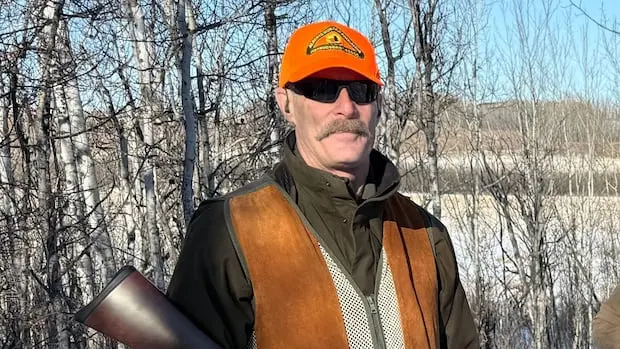
칼거리 사격장 회장인 제임스 바친스키와 같은 총기 소유자들은 답답함과 손실을 겪고 있습니다.
"개인적으로 나에게 영향을 미칠 것이고, 사업 파트너, 가족에게도 영향을 미칠 것입니다"라고 그는 말했습니다.
그는 정부가 자신의 총기에 대해 $67,700을 제시했다고 말했으며, 이는 자신이 약 $80,000의 가치가 있다고 생각하는 금액보다 낮습니다.
하지만 두 정부 수준 간의 교착 상태로 인해 그는 이를 받을 수 없습니다.
한편, 연방 정부는 총기 소유자가 보상을 요청했는지 여부에 관계없이 금지된 총기를 처분하거나 비활성화해야 하는 10월 기한을 설정했습니다.
앨버타인들은 연방 매입 프로그램에 7,300개 이상의 총기를 신고합니다.
분쟁의 중심에는 프로그램 운영 방식에 대한 의견 불일치가 있습니다.
캐나다 공공 안전부는 문제가 앨버타 정부가 시행한 주 법률과 관련이 있다고 말합니다. 앨버타 정부는 한편 오타와가 자체 프로그램을 운영하는 것이 자신의 책임이라고 말합니다.
오래전부터 이 프로그램에 대한 불만을 가지고 있던 바친스키는 앨버타가 "절대적으로" 재산권을 보호하기 위해 앨버타인을 대신하여 조치해야 한다고 믿습니다.
공정한 보상이나 개인 재산의 지속적인 사용을 강제하기 위해 해당 지역의 지원을 기대하는 것도 공정하다고 그는 말했습니다.
이 프로그램에 따라 오타와는 약 2,500개의 총기를 금지했으며, 그들이 "돌격식" 총기라고 부르는 것이 주로 사냥이나 스포츠 사격이 아닌 전쟁용으로 설계되었다고 주장합니다.
개인은 3월 31일까지 적격 금지 총기를 신고할 수 있었습니다. 신고가 수락된 소유자는 총기를 반납하거나 비활성화 중 하나를 선택해야 합니다. 수거 약속은 RCMP, 이동식 수거 부대 또는 지역 경찰과 함께 예약되어야 합니다.
하지만 앨버타는 법 집행 기관을 포함한 모든 주 기관에 주 주권 입법에 따른 총기 프로그램 시행을 거부하도록 지시했습니다.
그리고 앨버타에서 현재 시행되고 있는 입법 방식이 주민들이 보상을 받는 것을 막고 있다고 캐나다 공공 안전부는 말합니다.
"캐나다 정부는 앨버타 정부가 [프로그램]을 통해 금지된 총기에 대한 보상을 요청할 수 있는 선택지를 주민들에게 제공할 것을 권장합니다"라고 캐나다 공공 안전부 성명에서 읽혔습니다.
앨버타 정부는 이를 다르게 봅니다.
정의부 장관 미키 에메리의 보도관 헤더 젠킨스는 연방 정부가 "폭행식 총기 보상 프로그램에 따른 총기의 이동식 수거 계획이나 앨버타인의 신고에 대응할 의도에 대해 앨버타 정부에 제공한 정보가 없다"고 성명에서 썼습니다.
"이 연방 프로그램, 보상을 포함한 운영 방식에 대한 질문은 연방 정부로 향해야 합니다"라고 젠킨스가 이메일에서 썼습니다.
또한 프로그램 제공에 참여하는 모든 사람은 먼저 앨버타에서 체포 요원으로 허가를 받아야 한다고 젠킨스는 썼습니다. 그녀는 앨버타 주요 총기 사무소가 앨버타인, 연방 정부 또는 직원으로부터 신청서를 받지 못했다고 말했습니다.
"허가 없는 체포 요원이 아닌 사람은 누구든 체포될 수 있습니다"라고 그녀는 말했습니다.
프레이저 밸리 대학교의 정치학 조교수인 노아 슈워츠는 총기 정책에 초점을 맞춘 연구를 하고 있으며, 이전에 CBC 뉴스에 캐나다가 이 증가하는 교착 상태 속에서 "미지의 영역"에 처해 있다고 말했습니다.
"옹호 단체들은 많은 수의 총기 소유자가 일종의 입장을 고수하고 프로그램에 참여하지 않으며 대법원에서 어떤 일이 일어날지 기다려보려고 노력하도록 효과적이었습니다"라고 그는 말했습니다.
지난달 캐나다 대법원은 캐나다 총기 권리 연합과 다른 단체로부터의 정부 금지에 반대하는 주장을 들을 것이라고 말했습니다.
총기 통제 옹호 단체인 폴리세수브니앙은 오랫동안 이 프로그램의 "느린 속도와 연장된 사면"에 대한 불만을 표현해왔습니다.
수요일에 이 단체의 대변인은 앨버타의 접근 방식을 비판했으며, 개인의 자율성에서 정부 개입으로부터 벗어날 것을 표방하는 다니엘 스미스 앨버타 주총리의 정부가 신고한 금지된 총기에 대해 수천 명의 앨버타인이 재정적 보상을 받는 것을 방지하고 있다는 것이 "아이러니"라고 썼습니다.
"총기 소유자는 신고한 금지된 총기에 대해 받을 자격이 있는 돈을 둘러싼 주의 관할권 게임의 폐지물이 되는 것보다 더 나은 대우를 받을 자격이 있습니다"라고 성명에서 읽혔습니다.
"스미스의 군사용 돌격식 무기에 대한 연방 금지를 막으려는 다양한 시도는 법을 준수하는 총기 소유자에게 빚진 돈을 박탈할 뿐만 아니라 미래의 집단 총격을 방지하려는 공공 안전 목표도 훼손할 수 있습니다."
총기 소유자들은 한편 10월 기한을 면밀히 지켜보고 있습니다.
그 이후로 총기를 비활성화하거나 처분하지 못한 사람들은 불법 소유에 대한 형사 책임의 위험에 처할 수 있다고 캐나다 공공 안전부는 말합니다.
이 전체 상황은 바친스키와 같은 사람들에게 극도로 답답합니다.
"법을 준수하는 총기 소유자, 수십 년 동안 엄격하게 법, 규정, 소유 장애물을 따른 사람들 ... 이제 우리는 '우리는 모든 재산을 몰수할 것이고 공정한 시장 가치를 받을지를 결정할 것이고 공정한 시장 가치가 무엇일지를 결정할 것입니다'라고 말하는 입법이 있습니다"라고 그는 말했습니다. "그것은 공정하지 않습니다. 합리적이지 않습니다."
퀘벡은 연방 계획을 지지하지만 다른 주들도 저항했습니다. 앨버타와 함께 서스캐처원도 이 프로그램을 방해하기 위한 입법을 통과시켰습니다.
조엘은 CBC 칼거리의 기자/편집자입니다. 2021년 가을, 그는 레스브릿지의 CBC 사무실에서 시간을 보냈습니다. 그는 이전에 에어드리 시티 뷰 및 록키 뷰 위클리 신문의 편집자였습니다. 그는 서스캐처원 스위프트 커런트 출신입니다.
칼거리 사격장 회장인 제임스 바친스키와 같은 총기 소유자들은 답답함과 손실을 겪고 있습니다.
"개인적으로 나에게 영향을 미칠 것이고, 사업 파트너, 가족에게도 영향을 미칠 것입니다"라고 그는 말했습니다.
그는 정부가 자신의 총기에 대해 $67,700을 제시했다고 말했으며, 이는 자신이 약 $80,000의 가치가 있다고 생각하는 금액보다 낮습니다.
하지만 두 정부 수준 간의 교착 상태로 인해 그는 이를 받을 수 없습니다.
한편, 연방 정부는 총기 소유자가 보상을 요청했는지 여부에 관계없이 금지된 총기를 처분하거나 비활성화해야 하는 10월 기한을 설정했습니다.
앨버타인들은 연방 매입 프로그램에 7,300개 이상의 총기를 신고합니다.
분쟁의 중심에는 프로그램 운영 방식에 대한 의견 불일치가 있습니다.
캐나다 공공 안전부는 문제가 앨버타 정부가 시행한 주 법률과 관련이 있다고 말합니다. 앨버타 정부는 한편 오타와가 자체 프로그램을 운영하는 것이 자신의 책임이라고 말합니다.
오래전부터 이 프로그램에 대한 불만을 가지고 있던 바친스키는 앨버타가 "절대적으로" 재산권을 보호하기 위해 앨버타인을 대신하여 조치해야 한다고 믿습니다.
공정한 보상이나 개인 재산의 지속적인 사용을 강제하기 위해 해당 지역의 지원을 기대하는 것도 공정하다고 그는 말했습니다.
이 프로그램에 따라 오타와는 약 2,500개의 총기를 금지했으며, 그들이 "돌격식" 총기라고 부르는 것이 주로 사냥이나 스포츠 사격이 아닌 전쟁용으로 설계되었다고 주장합니다.
개인은 3월 31일까지 적격 금지 총기를 신고할 수 있었습니다. 신고가 수락된 소유자는 총기를 반납하거나 비활성화 중 하나를 선택해야 합니다. 수거 약속은 RCMP, 이동식 수거 부대 또는 지역 경찰과 함께 예약되어야 합니다.
하지만 앨버타는 법 집행 기관을 포함한 모든 주 기관에 주 주권 입법에 따른 총기 프로그램 시행을 거부하도록 지시했습니다.
그리고 앨버타에서 현재 시행되고 있는 입법 방식이 주민들이 보상을 받는 것을 막고 있다고 캐나다 공공 안전부는 말합니다.
"캐나다 정부는 앨버타 정부가 [프로그램]을 통해 금지된 총기에 대한 보상을 요청할 수 있는 선택지를 주민들에게 제공할 것을 권장합니다"라고 캐나다 공공 안전부 성명에서 읽혔습니다.
앨버타 정부는 이를 다르게 봅니다.
정의부 장관 미키 에메리의 보도관 헤더 젠킨스는 연방 정부가 "폭행식 총기 보상 프로그램에 따른 총기의 이동식 수거 계획이나 앨버타인의 신고에 대응할 의도에 대해 앨버타 정부에 제공한 정보가 없다"고 성명에서 썼습니다.
"이 연방 프로그램, 보상을 포함한 운영 방식에 대한 질문은 연방 정부로 향해야 합니다"라고 젠킨스가 이메일에서 썼습니다.
또한 프로그램 제공에 참여하는 모든 사람은 먼저 앨버타에서 체포 요원으로 허가를 받아야 한다고 젠킨스는 썼습니다. 그녀는 앨버타 주요 총기 사무소가 앨버타인, 연방 정부 또는 직원으로부터 신청서를 받지 못했다고 말했습니다.
"허가 없는 체포 요원이 아닌 사람은 누구든 체포될 수 있습니다"라고 그녀는 말했습니다.
프레이저 밸리 대학교의 정치학 조교수인 노아 슈워츠는 총기 정책에 초점을 맞춘 연구를 하고 있으며, 이전에 CBC 뉴스에 캐나다가 이 증가하는 교착 상태 속에서 "미지의 영역"에 처해 있다고 말했습니다.
"옹호 단체들은 많은 수의 총기 소유자가 일종의 입장을 고수하고 프로그램에 참여하지 않으며 대법원에서 어떤 일이 일어날지 기다려보려고 노력하도록 효과적이었습니다"라고 그는 말했습니다.
지난달 캐나다 대법원은 캐나다 총기 권리 연합과 다른 단체로부터의 정부 금지에 반대하는 주장을 들을 것이라고 말했습니다.
총기 통제 옹호 단체인 폴리세수브니앙은 오랫동안 이 프로그램의 "느린 속도와 연장된 사면"에 대한 불만을 표현해왔습니다.
수요일에 이 단체의 대변인은 앨버타의 접근 방식을 비판했으며, 개인의 자율성에서 정부 개입으로부터 벗어날 것을 표방하는 다니엘 스미스 앨버타 주총리의 정부가 신고한 금지된 총기에 대해 수천 명의 앨버타인이 재정적 보상을 받는 것을 방지하고 있다는 것이 "아이러니"라고 썼습니다.
"총기 소유자는 신고한 금지된 총기에 대해 받을 자격이 있는 돈을 둘러싼 주의 관할권 게임의 폐지물이 되는 것보다 더 나은 대우를 받을 자격이 있습니다"라고 성명에서 읽혔습니다.
"스미스의 군사용 돌격식 무기에 대한 연방 금지를 막으려는 다양한 시도는 법을 준수하는 총기 소유자에게 빚진 돈을 박탈할 뿐만 아니라 미래의 집단 총격을 방지하려는 공공 안전 목표도 훼손할 수 있습니다."
총기 소유자들은 한편 10월 기한을 면밀히 지켜보고 있습니다.
그 이후로 총기를 비활성화하거나 처분하지 못한 사람들은 불법 소유에 대한 형사 책임의 위험에 처할 수 있다고 캐나다 공공 안전부는 말합니다.
이 전체 상황은 바친스키와 같은 사람들에게 극도로 답답합니다.
"법을 준수하는 총기 소유자, 수십 년 동안 엄격하게 법, 규정, 소유 장애물을 따른 사람들 ... 이제 우리는 '우리는 모든 재산을 몰수할 것이고 공정한 시장 가치를 받을지를 결정할 것이고 공정한 시장 가치가 무엇일지를 결정할 것입니다'라고 말하는 입법이 있습니다"라고 그는 말했습니다. "그것은 공정하지 않습니다. 합리적이지 않습니다."
퀘벡은 연방 계획을 지지하지만 다른 주들도 저항했습니다. 앨버타와 함께 서스캐처원도 이 프로그램을 방해하기 위한 입법을 통과시켰습니다.
조엘은 CBC 칼거리의 기자/편집자입니다. 2021년 가을, 그는 레스브릿지의 CBC 사무실에서 시간을 보냈습니다. 그는 이전에 에어드리 시티 뷰 및 록키 뷰 위클리 신문의 편집자였습니다. 그는 서스캐처원 스위프트 커런트 출신입니다.
More than 7,000 banned guns have been declared in Alberta under the federal government’s gun buyback program, but owners in the province can't collect compensation because of an ongoing dispute between Alberta and Ottawa over how the program is meant to operate.
That's left firearms owners like James Bachynsky, president of the Calgary Shooting Centre, frustrated and out of pocket.
“It’ll impact me personally; it’ll impact my business partners, my family,” he said.
He said the government offered $67,700 for his firearms, lower than the roughly $80,000 he believes they’re worth.
But because of the standoff between the two levels of government, he's not able to collect it.
Meanwhile, the federal government has set an October deadline where prohibited guns must be disposed of or deactivated, whether a gun owner sought compensation or not.
Albertans declare more than 7,300 firearms in federal buyback program
At the centre of the dispute is a disagreement over how the program should function.
Public Safety Canada says the issue has to do with provincial laws put in place by the Alberta government. The Alberta government, meanwhile, says it’s up to Ottawa to run its own program.
Bachynsky, who has long held frustrations with the program, believes Alberta “absolutely” should be acting on behalf of Albertans to protect property rights.
It’s also fair to expect some assistance from the province in forcing fair compensation or continued use of personal property, he said.
Under the program, Ottawa banned about 2,500 firearms, arguing that what they call "assault-style" firearms are largely designed for warfare and not hunting or sport shooting.
Individuals had until March 31 to declare eligible prohibited firearms. Owners whose declarations are accepted are then supposed to choose between turning in their firearms or deactivation. Collection appointments are to be made with the RCMP, a mobile collection unit or local police.
But Alberta has directed all provincial entities, including law enforcement agencies, to decline to implement the gun program under its provincial sovereignty legislation.
And the way legislation in Alberta is currently being implemented is preventing residents from receiving compensation, Public Safety Canada says.
“The government of Canada encourages the government of Alberta to provide their residents with the option of seeking compensation for their prohibited firearms through the [program],” reads a statement from Public Safety Canada.
The Alberta government sees it differently.
Heather Jenkins, press secretary to Justice Minister Mickey Amery, wrote in a statement that the federal government has provided “no information to the Alberta government regarding its plans for mobile collection of firearms under the Assault-Style Firearms Compensation Program, or how it intends to respond to declarations from Albertans.”
“Questions about how this federal program, including compensation, will operate should be directed to the federal government,” Jenkins wrote in an email.
In addition, anyone participating in the delivery of the program must first be licensed as a seizure agent in Alberta, Jenkins wrote. She said the Alberta Chief Firearms Office has received no applications to date from Albertans, the federal government or its employees.
“Anyone who is not licensed as a seizure agent could be arrested,” she said.
Noah Schwartz, an assistant professor in political science at the University of the Fraser Valley, whose research includes a focus on gun policy, previously told CBC News that Canada found itself in “uncharted waters” amid this growing standoff.
“The advocacy groups were pretty effective at getting a large number of gun owners to kind of hold the line and not participate in the program, and try and sort of wait it out and see what happens at the Supreme Court,” he said.
Last month, the Supreme Court of Canada said it would hear arguments against the government's ban from the Canadian Coalition for Firearm Rights and others.
Gun control advocacy group PolySeSouvient has long expressed frustration with the “slow pace and extended amnesties” of the program.
On Wednesday, a spokesperson with the group criticized Alberta’s approach, writing that it was “ironic that Alberta Premier Danielle Smith’s government, which purports to stand for individual autonomy from government intervention, is preventing thousands of Albertans from receiving financial compensation for the prohibited firearms they declared.”
“Gun owners deserve better than to be pawns in the province’s jurisdictional games aimed at blocking federal criminal law from being applied in Alberta,” the statement reads.
“Ms. Smith’s various attempts to block the federal ban on military-style assault weapons will not only deprive law-abiding gun owners from money they are due, it could also undermine the public safety goal of preventing future mass shootings.”
Gun owners, meanwhile, are closely watching that October deadline.
Those who fail to deactivate or dispose of their guns by then could risk criminal liability for illegal possession, according to Public Safety Canada.
This entire situation is extremely frustrating for people like Bachynsky.
”Legal gun owners, people that have followed the laws, regulations, impediments to ownership scrupulously for decades … now we have legislation that's saying, 'we're just going to seize all your property and we'll determine if you'll get fair market value and what that fair market value may be,'” he said. “That's not fair. It's not reasonable.”
Quebec supports the federal plan, but other provinces have also resisted. Along with Alberta, Saskatchewan passed legislation aimed at hindering the program.
Joel is a reporter/editor with CBC Calgary. In fall 2021, he spent time with CBC's bureau in Lethbridge. He was previously the editor of the Airdrie City View and Rocky View Weekly newspapers. He hails from Swift Current, Sask. Reach him by email at joel.dryden@cbc.ca
That's left firearms owners like James Bachynsky, president of the Calgary Shooting Centre, frustrated and out of pocket.
“It’ll impact me personally; it’ll impact my business partners, my family,” he said.
He said the government offered $67,700 for his firearms, lower than the roughly $80,000 he believes they’re worth.
But because of the standoff between the two levels of government, he's not able to collect it.
Meanwhile, the federal government has set an October deadline where prohibited guns must be disposed of or deactivated, whether a gun owner sought compensation or not.
Albertans declare more than 7,300 firearms in federal buyback program
At the centre of the dispute is a disagreement over how the program should function.
Public Safety Canada says the issue has to do with provincial laws put in place by the Alberta government. The Alberta government, meanwhile, says it’s up to Ottawa to run its own program.
Bachynsky, who has long held frustrations with the program, believes Alberta “absolutely” should be acting on behalf of Albertans to protect property rights.
It’s also fair to expect some assistance from the province in forcing fair compensation or continued use of personal property, he said.
Under the program, Ottawa banned about 2,500 firearms, arguing that what they call "assault-style" firearms are largely designed for warfare and not hunting or sport shooting.
Individuals had until March 31 to declare eligible prohibited firearms. Owners whose declarations are accepted are then supposed to choose between turning in their firearms or deactivation. Collection appointments are to be made with the RCMP, a mobile collection unit or local police.
But Alberta has directed all provincial entities, including law enforcement agencies, to decline to implement the gun program under its provincial sovereignty legislation.
And the way legislation in Alberta is currently being implemented is preventing residents from receiving compensation, Public Safety Canada says.
“The government of Canada encourages the government of Alberta to provide their residents with the option of seeking compensation for their prohibited firearms through the [program],” reads a statement from Public Safety Canada.
The Alberta government sees it differently.
Heather Jenkins, press secretary to Justice Minister Mickey Amery, wrote in a statement that the federal government has provided “no information to the Alberta government regarding its plans for mobile collection of firearms under the Assault-Style Firearms Compensation Program, or how it intends to respond to declarations from Albertans.”
“Questions about how this federal program, including compensation, will operate should be directed to the federal government,” Jenkins wrote in an email.
In addition, anyone participating in the delivery of the program must first be licensed as a seizure agent in Alberta, Jenkins wrote. She said the Alberta Chief Firearms Office has received no applications to date from Albertans, the federal government or its employees.
“Anyone who is not licensed as a seizure agent could be arrested,” she said.
Noah Schwartz, an assistant professor in political science at the University of the Fraser Valley, whose research includes a focus on gun policy, previously told CBC News that Canada found itself in “uncharted waters” amid this growing standoff.
“The advocacy groups were pretty effective at getting a large number of gun owners to kind of hold the line and not participate in the program, and try and sort of wait it out and see what happens at the Supreme Court,” he said.
Last month, the Supreme Court of Canada said it would hear arguments against the government's ban from the Canadian Coalition for Firearm Rights and others.
Gun control advocacy group PolySeSouvient has long expressed frustration with the “slow pace and extended amnesties” of the program.
On Wednesday, a spokesperson with the group criticized Alberta’s approach, writing that it was “ironic that Alberta Premier Danielle Smith’s government, which purports to stand for individual autonomy from government intervention, is preventing thousands of Albertans from receiving financial compensation for the prohibited firearms they declared.”
“Gun owners deserve better than to be pawns in the province’s jurisdictional games aimed at blocking federal criminal law from being applied in Alberta,” the statement reads.
“Ms. Smith’s various attempts to block the federal ban on military-style assault weapons will not only deprive law-abiding gun owners from money they are due, it could also undermine the public safety goal of preventing future mass shootings.”
Gun owners, meanwhile, are closely watching that October deadline.
Those who fail to deactivate or dispose of their guns by then could risk criminal liability for illegal possession, according to Public Safety Canada.
This entire situation is extremely frustrating for people like Bachynsky.
”Legal gun owners, people that have followed the laws, regulations, impediments to ownership scrupulously for decades … now we have legislation that's saying, 'we're just going to seize all your property and we'll determine if you'll get fair market value and what that fair market value may be,'” he said. “That's not fair. It's not reasonable.”
Quebec supports the federal plan, but other provinces have also resisted. Along with Alberta, Saskatchewan passed legislation aimed at hindering the program.
Joel is a reporter/editor with CBC Calgary. In fall 2021, he spent time with CBC's bureau in Lethbridge. He was previously the editor of the Airdrie City View and Rocky View Weekly newspapers. He hails from Swift Current, Sask. Reach him by email at joel.dryden@cbc.ca