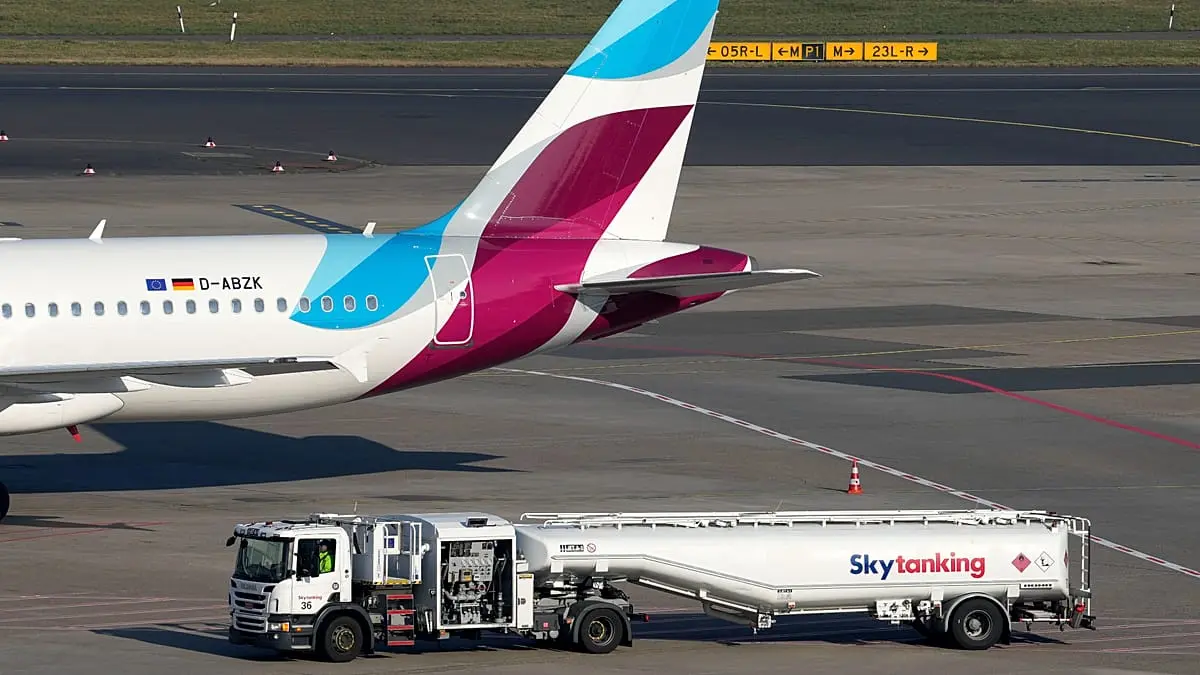
호르무즈 해협 폐쇄 시 유럽의 심각한 연료 부족 위험 경고
Airport council warns: Hormuz closure poses major fuel shortage risks
Euronews
EN
2026-04-11 05:24
Translated
공항협의회국제기구(ACI)가 EU에 보낸 서한에서 호르무즈 해협이 3주 내에 재개되지 않으면 유럽의 등유 부족이 심각해질 것이라고 경고했습니다.
호르무즈 해협이 3주 내에 완전히 재개되지 않으면 유럽 공항들은 제트유의 '전반적 부족' 위험에 직면할 것입니다. 파이낸셜타임스와 코리에레 델라 세라가 금요일 보도한 바에 따르면, 공항협의회국제기구(ACI) 유럽 지부는 등유 비축량이 고갈되고 있으며 군사 활동의 영향이 공급에 부담을 주고 있다고 경고했습니다.
4월 9일자 서한에서 ACI 유럽의 올리비에 얀코벡 사무총장은 운송 담당 EU 위원 아포스톨로스 치치코스타스와 에너지 담당 단 요르겐센에게 상황이 초기 보도보다 더 심각하며 항공사 운항 일정, 특히 다음 여름 관광 시즌 정점에 위험을 초래하고 있다고 지적했습니다.
파이낸셜타임스에 따르면 세계 제트유 공급량의 약 40%가 호르무즈 해협을 통과합니다. 코리에레 델라 세라는 우려할 만한 세부사항을 추가했습니다: 여러 유럽 국가들은 배급에 의존하기 전 단 8~10일분의 등유 전략비축량만 보유하고 있습니다.
이탈리아에서는 여러 공항이 전문 운영업체가 직면한 공급 어려움 이후 이미 이 긴급 조치에 의존했습니다.
상황을 악화시키는 것은 이번 주부터 시행된 미국과 이란 간의 휴전이 아직 가격 측면에서 이득을 가져오지 못했다는 사실입니다. 호르무즈 해협의 해상 교통은 여전히 긴장되어 있으며 약 1억 7천만 배럴이 여전히 페르시아만에 묶여 있습니다.
제트유는 목요일 톤당 약 1,573달러로 분쟁 전 수준의 2배 이상으로 상승했으며, 이는 전체 유럽 경제에 무거운 부담을 줄 위협이 있습니다.
얀코벡은 코리에레에 발표된 서한에서 "제트유 부족으로 불가피하게 초래될 연결성 감소는 유럽 경제에 상당한 피해를 주며, 유가 상승의 거시경제적 영향을 악화시킬 것"이라고 썼습니다.
목요일 발송한 서한에서 ACI 유럽은 유럽 위원회에 항공 연료의 EU 전역 공동 구매 가능성과 다른 제품에 대한 제트유 생산을 보호하기 위한 정유소에 대한 목표 의무 부과를 포함한 특별 조치를 고려할 것을 요청했습니다.
협회는 또한 현재 중앙집중식 모니터링이 없기 때문에 향후 6개월간 생산량과 가용성에 대한 긴급 파악을 촉구했습니다.
증가하는 비용은 이미 항공사들이 서비스를 줄이도록 강요하고 있습니다. 파이낸셜타임스는 미국의 델타 항공사가 용량을 3.5% 감축할 것이며 폴란드의 롯 항공사와 에어 뉴질랜드 같은 업체들이 채산성이 낮은 노선을 취소하고 티켓 가격을 인상하고 있다고 썼습니다.
코리에레 델라 세라는 또한 연결성 감소가 많은 회원국의 경제가 의존하고 있는 관광 생태계에 상당한 피해를 줄 것이라고 지적했습니다.
지난달 위기 억제를 위해 전략 석유 비축량 방출을 결정한 국제에너지기구(IEA)의 총장은 이를 역사상 가장 심각한 에너지 위기로 설명했으며, 전 지구적 식량 안보에도 큰 영향을 미치고 있습니다.
4월 9일자 서한에서 ACI 유럽의 올리비에 얀코벡 사무총장은 운송 담당 EU 위원 아포스톨로스 치치코스타스와 에너지 담당 단 요르겐센에게 상황이 초기 보도보다 더 심각하며 항공사 운항 일정, 특히 다음 여름 관광 시즌 정점에 위험을 초래하고 있다고 지적했습니다.
파이낸셜타임스에 따르면 세계 제트유 공급량의 약 40%가 호르무즈 해협을 통과합니다. 코리에레 델라 세라는 우려할 만한 세부사항을 추가했습니다: 여러 유럽 국가들은 배급에 의존하기 전 단 8~10일분의 등유 전략비축량만 보유하고 있습니다.
이탈리아에서는 여러 공항이 전문 운영업체가 직면한 공급 어려움 이후 이미 이 긴급 조치에 의존했습니다.
상황을 악화시키는 것은 이번 주부터 시행된 미국과 이란 간의 휴전이 아직 가격 측면에서 이득을 가져오지 못했다는 사실입니다. 호르무즈 해협의 해상 교통은 여전히 긴장되어 있으며 약 1억 7천만 배럴이 여전히 페르시아만에 묶여 있습니다.
제트유는 목요일 톤당 약 1,573달러로 분쟁 전 수준의 2배 이상으로 상승했으며, 이는 전체 유럽 경제에 무거운 부담을 줄 위협이 있습니다.
얀코벡은 코리에레에 발표된 서한에서 "제트유 부족으로 불가피하게 초래될 연결성 감소는 유럽 경제에 상당한 피해를 주며, 유가 상승의 거시경제적 영향을 악화시킬 것"이라고 썼습니다.
목요일 발송한 서한에서 ACI 유럽은 유럽 위원회에 항공 연료의 EU 전역 공동 구매 가능성과 다른 제품에 대한 제트유 생산을 보호하기 위한 정유소에 대한 목표 의무 부과를 포함한 특별 조치를 고려할 것을 요청했습니다.
협회는 또한 현재 중앙집중식 모니터링이 없기 때문에 향후 6개월간 생산량과 가용성에 대한 긴급 파악을 촉구했습니다.
증가하는 비용은 이미 항공사들이 서비스를 줄이도록 강요하고 있습니다. 파이낸셜타임스는 미국의 델타 항공사가 용량을 3.5% 감축할 것이며 폴란드의 롯 항공사와 에어 뉴질랜드 같은 업체들이 채산성이 낮은 노선을 취소하고 티켓 가격을 인상하고 있다고 썼습니다.
코리에레 델라 세라는 또한 연결성 감소가 많은 회원국의 경제가 의존하고 있는 관광 생태계에 상당한 피해를 줄 것이라고 지적했습니다.
지난달 위기 억제를 위해 전략 석유 비축량 방출을 결정한 국제에너지기구(IEA)의 총장은 이를 역사상 가장 심각한 에너지 위기로 설명했으며, 전 지구적 식량 안보에도 큰 영향을 미치고 있습니다.
In a letter to the EU, the Airports Council International warned that if Hormuz does not reopen within three weeks, paraffin shortages in Europe will be critical.
European airports risk a 'systemic shortage' of jet fuel if the Strait of Hormuz is not fully reopened within three weeks. As the Financial Times and Corriere della Sera reported on Friday, Airports Council International (Aci) Europe has warned that paraffin reserves are running low and that the impact of military activities is putting a strain on supplies.In a letter dated 9 April, sent to EU commissioners Apostolos Tzitzikostas (Transport) and Dan Jørgensen (Energy), Aci Europe director general Olivier Jankovec pointed out that the situation is more critical than initially reported, putting airlines' schedules at risk, especially for next summer's peak tourist season.
According to the Financial Times, around 40% of the world's jet fuel supply passes through the Strait of Hormuz. Corriere della Sera adds an alarming detail: several European states possess strategic reserves of paraffin for only eight to ten days before having to resort to rationing.
In Italy, several airports have already resorted to this emergency measure after supply difficulties encountered by a specialised operator.
Exacerbating the situation is the fact that the truce between the US and Iran that came into effect this week has not yet brought any benefits on the price side. Traffic in the Strait of Hormuz remains tight, with some 170 million barrels still blocked in the Persian Gulf.
Jet fuel stood on Thursday at around $1,573 per tonne, more than double the pre-conflict level, a figure that threatens to weigh heavily on the entire European economy.
"The reduced connectivity that would inevitably result from a shortage of jet fuel would significantly damage the European economy, thus exacerbating the macroeconomic impact of rising oil prices," Jankovec wrote in the missive published by Corriere (source in Italian).
In its letter sent on Thursday, Aci Europe asked the European Commission to consider extraordinary measures, including the possibility of EU-wide collective purchases of aviation fuel and the imposition of targeted obligations on refineries to safeguard jet fuel production against other products.
The association also calls for urgent mapping of production and availability over the next six months as there is currently no centralised monitoring.
Rising costs are already pushing carriers to cut services. The Financial Times wrote that American Delta Air Lines will cut capacity by 3.5% while companies such as Poland's Lot and Air New Zealand are cancelling less profitable flights and raising ticket prices.
Corriere della Sera also points out how reduced connectivity would significantly damage the tourism ecosystem on which the economies of many member states depend.
The president of the International Energy Agency, which last month decided on the release of strategic oil reserves to contain the crisis, described this as the most acute energy crisis in history, with heavy repercussions also on global food security.