연방 판사, 매사추세츠주 유권자 데이터 요구 DOJ 소송 기각
A federal judge dismisses another DOJ lawsuit seeking voter data, this time in Massachusetts
Associated Press
https://apnews.com/author/rebecca-boone
EN
2026-04-11 06:20
Translated
연방 판사가 목요일 매사추세츠주의 주(州) 유권자 명부를 요구하는 미국 법무부의 소송을 기각했으며, 이는 트럼프 행정부의 광범위한 국민 유권자 상세 데이터 수집 노력에서 최근의 패배를 나타낸다.
미국 지방법원 판사 레오 소로킨의 판결은 법무부의 유사한 시도를 거부한 최소 5번째 사례를 의미한다. 전 대통령 버락 오바마의 임명자인 소로킨 판사는 미국 법무부 장관실이 연방법에 명시된 유권자 명부에 접근하기 위해 필요한 절차를 거치지 않았다고 말했다.
"간단히 말해서, 법령은 법무부 장관이 요청된 기록의 제출을 요구하는 이유에 대한 진술을 요구합니다"라고 소로킨이 작성했다. 그 진술은 "단순히 합리적이거나 가능한 근거"가 아니라 사실적이어야 한다.
이메일 응답에서 법무부는 "진행 중인 소송에 대해 논평하지 않는다"고 말했다.
이 부서는 선거 보안을 보장하기 위한 노력의 일환으로 유권자 데이터를 추구하고 있다고 밝혔지만, 여러 주의 민주당과 공화당 관계자들은 그 요구가 주(州) 및 연방 개인정보 보호법을 위반한다며 거부했다. 일부는 연방 관계자들이 잠재적 비시민권자 수색 같은 다른 목적으로 민감한 데이터를 사용할 것이라는 우려를 제기했다.
지난달 로드아일랜드에서의 청문회에서 DOJ 변호사는 연방 판사에게 그 부서가 시민권 상태를 확인하기 위해 국토안보부와 공유할 수 있도록 편집되지 않은 유권자 명부 정보를 추구하고 있다고 말했다. DHS는 지난 1년간 바로 이 목적을 위해 권리 자격 체계적 외국인 확인(SAVE) 프로그램을 강화했다.
"우리의 의도는 이것을 DHS SAVE 데이터베이스에 대해 실행하는 것입니다"라고 DOJ 변호사 에릭 네프는 3월 26일 청문회에서 미국 지방법원 판사 메리 맥엘로이에게 유권자 데이터에 대한 접근 권한에 대해 말했다.
법무부는 생년월일, 주소, 운전면허증 번호 및 부분 사회보장번호를 포함하는 데이터의 공개를 강제하기 위해 최소 30개 주 및 컬럼비아 특별구를 상대로 소송을 제기했다.
브레넌 센터에 따르면 최소 12개 주가 상세 유권자 등록 목록을 해당 부서에 제공하거나 제공하기로 약속했다: 알래스카, 아칸소, 인디애나, 루이지애나, 미시시피, 네브래스카, 오하이오, 오클라호마, 사우스다코타, 테네시, 텍사스 및 와이오밍.
매사추세츠 사건에서 판사는 법무부가 1960년 시민권법으로 설정된 유권자 명부 요구에 대한 요구사항을 따르지 못했다고 판단했다.
선거에서 인종 차별을 끝내기 위한 노력의 일환으로 제정된 그 법은 미국 법무부 장관실이 정보 요구 이유와 사용 방법을 설명하는 진술을 포함할 경우 주(州) 유권자 기록을 검사 가능하게 해야 한다고 말한다.
매사추세츠의 유권자 데이터를 요구하는 부서의 편지는 시민권법을 언급하지 않았으며 매사추세츠가 연방 투표법을 준수하는 방식에 대한 우려를 제시하지 않았다고 판사는 말했다. 가장 중요하게, 그것은 요구에 대한 사실적 근거를 포함하지 않았다고 소로킨이 작성했다.
법원 문서에서 법무부는 "매사추세츠의 가능한 연방 유권자 등록 목록 요구사항 미준수"를 확인하기 위해 데이터를 요구하고 있다고 말했다. 또한 시민권법은 연방 선거법 위반을 식별하는 조사 도구로 설계되었으며 미국 법무부 장관이 증거를 추구하기 전에 위반을 증명하도록 요구받을 수 없다고 주장했다.
"이러한 주장은 요점을 놓칩니다"라고 소로킨이 작성했다.
매사추세츠 법무부 장관 안드레아 조이 캠벨은 그 판결을 유권자와 법치주의를 위한 결정적 승리라고 불렀다.
"우리 유권자의 개인정보 보호는 협상 대상이 아니며, 트럼프 행정부의 잔인하고 해로운 의제로부터 우리 선거의 무결성과 보안을 계속 방어할 것입니다"라고 그녀는 보도 자료에서 말했다.
다른 주의 4명의 연방 판사가 법무부로부터 유사한 소송을 기각했다.
미시간의 연방 판사는 법무부가 인용한 법이 연방 정부가 추구하는 유권자 기록의 공개를 요구하지 않는다고 판단했다. 캘리포니아의 연방 판사는 행정부가 "일방적으로 헌법이 주(州)와 의회에 부여한 선거에 대한 권한을 빼앗을 수 없다"고 말했다. 오레곤의 연방 판사는 연방 정부가 민감한 데이터를 포함하는 편집되지 않은 유권자 등록 목록을 받을 자격이 없다고 말했다.
조지아의 연방 판사는 DOJ 소송이 잘못된 도시에 제출되었다는 이유로 기각했다. 그 후 연방 정부는 판사가 지정한 도시에서 소송을 다시 제출했으며, 그 사건은 진행 중이다.
법무부는 오레곤, 캘리포니아 및 미시간 기각에 항소했다.
미국 지방법원 판사 레오 소로킨의 판결은 법무부의 유사한 시도를 거부한 최소 5번째 사례를 의미한다. 전 대통령 버락 오바마의 임명자인 소로킨 판사는 미국 법무부 장관실이 연방법에 명시된 유권자 명부에 접근하기 위해 필요한 절차를 거치지 않았다고 말했다.
"간단히 말해서, 법령은 법무부 장관이 요청된 기록의 제출을 요구하는 이유에 대한 진술을 요구합니다"라고 소로킨이 작성했다. 그 진술은 "단순히 합리적이거나 가능한 근거"가 아니라 사실적이어야 한다.
이메일 응답에서 법무부는 "진행 중인 소송에 대해 논평하지 않는다"고 말했다.
이 부서는 선거 보안을 보장하기 위한 노력의 일환으로 유권자 데이터를 추구하고 있다고 밝혔지만, 여러 주의 민주당과 공화당 관계자들은 그 요구가 주(州) 및 연방 개인정보 보호법을 위반한다며 거부했다. 일부는 연방 관계자들이 잠재적 비시민권자 수색 같은 다른 목적으로 민감한 데이터를 사용할 것이라는 우려를 제기했다.
지난달 로드아일랜드에서의 청문회에서 DOJ 변호사는 연방 판사에게 그 부서가 시민권 상태를 확인하기 위해 국토안보부와 공유할 수 있도록 편집되지 않은 유권자 명부 정보를 추구하고 있다고 말했다. DHS는 지난 1년간 바로 이 목적을 위해 권리 자격 체계적 외국인 확인(SAVE) 프로그램을 강화했다.
"우리의 의도는 이것을 DHS SAVE 데이터베이스에 대해 실행하는 것입니다"라고 DOJ 변호사 에릭 네프는 3월 26일 청문회에서 미국 지방법원 판사 메리 맥엘로이에게 유권자 데이터에 대한 접근 권한에 대해 말했다.
법무부는 생년월일, 주소, 운전면허증 번호 및 부분 사회보장번호를 포함하는 데이터의 공개를 강제하기 위해 최소 30개 주 및 컬럼비아 특별구를 상대로 소송을 제기했다.
브레넌 센터에 따르면 최소 12개 주가 상세 유권자 등록 목록을 해당 부서에 제공하거나 제공하기로 약속했다: 알래스카, 아칸소, 인디애나, 루이지애나, 미시시피, 네브래스카, 오하이오, 오클라호마, 사우스다코타, 테네시, 텍사스 및 와이오밍.
매사추세츠 사건에서 판사는 법무부가 1960년 시민권법으로 설정된 유권자 명부 요구에 대한 요구사항을 따르지 못했다고 판단했다.
선거에서 인종 차별을 끝내기 위한 노력의 일환으로 제정된 그 법은 미국 법무부 장관실이 정보 요구 이유와 사용 방법을 설명하는 진술을 포함할 경우 주(州) 유권자 기록을 검사 가능하게 해야 한다고 말한다.
매사추세츠의 유권자 데이터를 요구하는 부서의 편지는 시민권법을 언급하지 않았으며 매사추세츠가 연방 투표법을 준수하는 방식에 대한 우려를 제시하지 않았다고 판사는 말했다. 가장 중요하게, 그것은 요구에 대한 사실적 근거를 포함하지 않았다고 소로킨이 작성했다.
법원 문서에서 법무부는 "매사추세츠의 가능한 연방 유권자 등록 목록 요구사항 미준수"를 확인하기 위해 데이터를 요구하고 있다고 말했다. 또한 시민권법은 연방 선거법 위반을 식별하는 조사 도구로 설계되었으며 미국 법무부 장관이 증거를 추구하기 전에 위반을 증명하도록 요구받을 수 없다고 주장했다.
"이러한 주장은 요점을 놓칩니다"라고 소로킨이 작성했다.
매사추세츠 법무부 장관 안드레아 조이 캠벨은 그 판결을 유권자와 법치주의를 위한 결정적 승리라고 불렀다.
"우리 유권자의 개인정보 보호는 협상 대상이 아니며, 트럼프 행정부의 잔인하고 해로운 의제로부터 우리 선거의 무결성과 보안을 계속 방어할 것입니다"라고 그녀는 보도 자료에서 말했다.
다른 주의 4명의 연방 판사가 법무부로부터 유사한 소송을 기각했다.
미시간의 연방 판사는 법무부가 인용한 법이 연방 정부가 추구하는 유권자 기록의 공개를 요구하지 않는다고 판단했다. 캘리포니아의 연방 판사는 행정부가 "일방적으로 헌법이 주(州)와 의회에 부여한 선거에 대한 권한을 빼앗을 수 없다"고 말했다. 오레곤의 연방 판사는 연방 정부가 민감한 데이터를 포함하는 편집되지 않은 유권자 등록 목록을 받을 자격이 없다고 말했다.
조지아의 연방 판사는 DOJ 소송이 잘못된 도시에 제출되었다는 이유로 기각했다. 그 후 연방 정부는 판사가 지정한 도시에서 소송을 다시 제출했으며, 그 사건은 진행 중이다.
법무부는 오레곤, 캘리포니아 및 미시간 기각에 항소했다.
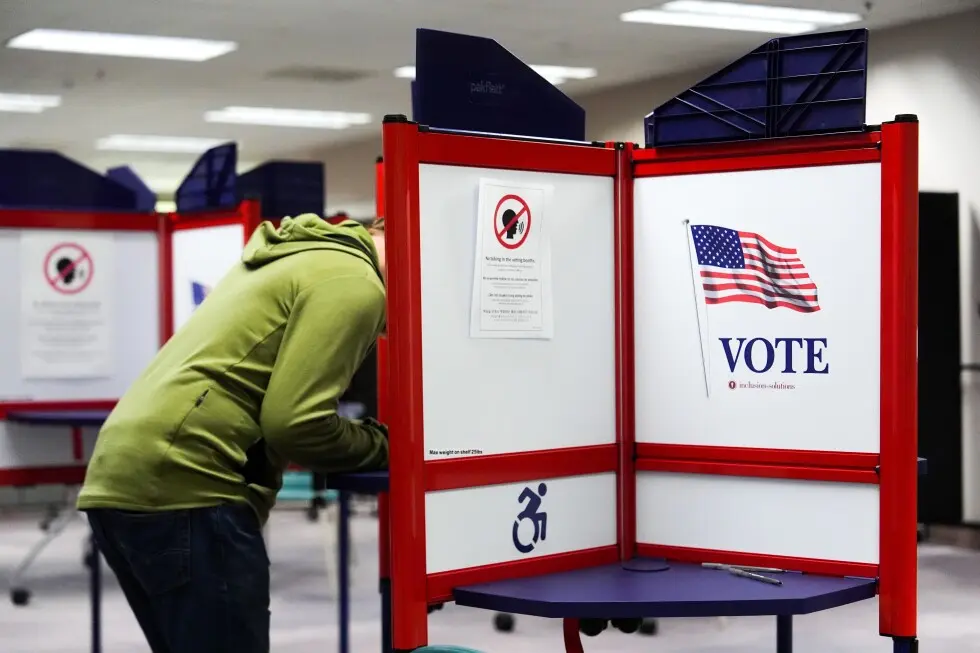
A person votes early in the Virginia redistricting referendum at the Fairfax County Government Center, Friday, April 3, 2026, in Fairfax, Va. (AP Photo/Julia Demaree Nikhinson)
A spool of stickers rests on a table at a polling station during Massachusetts state primary voting, Sept. 3, 2024, at the Newton Free Library, in Newton, Mass. (AP Photo/Steven Senne, File)
Voters cast their ballots in Oak Creek, Wis., on Nov. 5, 2024. (AP Photo/Morry Gash, File)
A person votes early in the Virginia redistricting referendum at the Fairfax County Government Center, Friday, April 3, 2026, in Fairfax, Va. (AP Photo/Julia Demaree Nikhinson)
A person votes early in the Virginia redistricting referendum at the Fairfax County Government Center, Friday, April 3, 2026, in Fairfax, Va. (AP Photo/Julia Demaree Nikhinson)
A spool of stickers rests on a table at a polling station during Massachusetts state primary voting, Sept. 3, 2024, at the Newton Free Library, in Newton, Mass. (AP Photo/Steven Senne, File)
A spool of stickers rests on a table at a polling station during Massachusetts state primary voting, Sept. 3, 2024, at the Newton Free Library, in Newton, Mass. (AP Photo/Steven Senne, File)
Voters cast their ballots in Oak Creek, Wis., on Nov. 5, 2024. (AP Photo/Morry Gash, File)
Voters cast their ballots in Oak Creek, Wis., on Nov. 5, 2024. (AP Photo/Morry Gash, File)
A federal judge on Thursday dismissed a lawsuit from the U.S. Department of Justice seeking Massachusetts’ state voter rolls, marking the latest setback in a wide-ranging effort by the Trump administration to collect detailed data on the nation’s voters.
The ruling from U.S. District Court Judge Leo Sorokin marks at least the fifth time a judge has rejected similar attempts by the Justice Department. Sorokin, an appointee of former President Barack Obama, said the U.S. attorney general’s office did not take the necessary steps required to access voter rolls, as outlined in federal law.
“Put simply, the statute requires a statement of why the Attorney General demands production of the requested records,” Sorokin wrote. That statement has to be factual, “not just a conceivable or possible basis.”
In an emailed response, the Justice Department said it “does not comment on ongoing litigation.”
It has said it’s seeking the voter data as part of an effort to ensure election security, but Democratic and Republican officials in several states have refused, saying the demand violates state and federal privacy laws. Some have raised concerns that federal officials will use the sensitive data for other purposes, such as searching for potential noncitizens.
During a hearing last month in Rhode Island, a DOJ attorney told a federal judge that the department was seeking unredacted voter roll information so it could be shared with the Department of Homeland Security to check citizenship status. DHS over the past year has beefed up the Systematic Alien Verification for Entitlements, or SAVE, program, for just this purpose.
“Our intention is to run this against the DHS SAVE database,” DOJ attorney Eric Neff told U.S. District Judge Mary McElroy during a March 26 hearing challenging the federal government’s authority to access the voter data.
The Justice Department has sued at least 30 states and the District of Columbia seeking to force release of the data, which includes dates of birth, addresses, driver’s license numbers and partial Social Security numbers.
At least 12 states have either provided or promised to provide their detailed voter registration lists to the department, according to the Brennan Center: Alaska, Arkansas, Indiana, Louisiana, Mississippi, Nebraska, Ohio, Oklahoma, South Dakota, Tennessee, Texas and Wyoming.
In the Massachusetts case, the the judge found that the Justice Department failed to follow the requirements for demanding the voter rolls set by a 1960 civil rights law.
That law, enacted as part of an effort to end racial discrimination in elections, says state voter records must be made available for inspection by the U.S. attorney general if the office includes a statement outlining why the information is being demanded and how it will be used.
The department’s letter demanding Massachusetts’ voter data made no reference to the Civil Rights Act and didn’t cite any concerns about the way Massachusetts complied with federal voting laws, the judge said. Most importantly, it didn’t include any factual basis for the demand, Sorokin wrote.
In court documents, the Justice Department said it was demanding the data to check for “Massachusetts’ possible lack of compliance” with federal voter registration list requirements. It also said the Civil Rights Act was designed to be an investigatory tool to identify federal election law violations and argued that the U.S. attorney general can’t be required to prove a violation before seeking evidence of one.
“These arguments miss the point,” Sorokin wrote.
Massachusetts Attorney General Andrea Joy Campbell called the ruling a decisive win for voters and the rule of law.
“The privacy of our voters is not up for negotiation, and I will continue to defend the integrity and security of our elections from the Trump Administration’s cruel and harmful agenda,” she said in a news release.
Four federal judges in other states have dismissed similar lawsuits from the Department of Justice.
A federal judge in Michigan found the laws cited by the Justice Department do not require the disclosure of the voter records sought by the federal government. A federal judge in California said the administration “may not unilaterally usurp the authority over elections,” which the Constitution gives to the states and Congress. A federal judge in Oregon said the federal government was not entitled to unredacted voter registration lists containing sensitive data.
A federal judge in Georgia dismissed a DOJ lawsuit because he found it had been filed in the wrong city. The federal government then refiled the lawsuit in the city specified by the judge; that case is ongoing.
The Justice Department has appealed the Oregon, California and Michigan dismissals.
___ Boone reported from Boise, Idaho. Associated Press writer Kimberlee Kruesi in Providence, Rhode Island, contributed to this report.
A spool of stickers rests on a table at a polling station during Massachusetts state primary voting, Sept. 3, 2024, at the Newton Free Library, in Newton, Mass. (AP Photo/Steven Senne, File)
Voters cast their ballots in Oak Creek, Wis., on Nov. 5, 2024. (AP Photo/Morry Gash, File)
A person votes early in the Virginia redistricting referendum at the Fairfax County Government Center, Friday, April 3, 2026, in Fairfax, Va. (AP Photo/Julia Demaree Nikhinson)
A person votes early in the Virginia redistricting referendum at the Fairfax County Government Center, Friday, April 3, 2026, in Fairfax, Va. (AP Photo/Julia Demaree Nikhinson)
A spool of stickers rests on a table at a polling station during Massachusetts state primary voting, Sept. 3, 2024, at the Newton Free Library, in Newton, Mass. (AP Photo/Steven Senne, File)
A spool of stickers rests on a table at a polling station during Massachusetts state primary voting, Sept. 3, 2024, at the Newton Free Library, in Newton, Mass. (AP Photo/Steven Senne, File)
Voters cast their ballots in Oak Creek, Wis., on Nov. 5, 2024. (AP Photo/Morry Gash, File)
Voters cast their ballots in Oak Creek, Wis., on Nov. 5, 2024. (AP Photo/Morry Gash, File)
A federal judge on Thursday dismissed a lawsuit from the U.S. Department of Justice seeking Massachusetts’ state voter rolls, marking the latest setback in a wide-ranging effort by the Trump administration to collect detailed data on the nation’s voters.
The ruling from U.S. District Court Judge Leo Sorokin marks at least the fifth time a judge has rejected similar attempts by the Justice Department. Sorokin, an appointee of former President Barack Obama, said the U.S. attorney general’s office did not take the necessary steps required to access voter rolls, as outlined in federal law.
“Put simply, the statute requires a statement of why the Attorney General demands production of the requested records,” Sorokin wrote. That statement has to be factual, “not just a conceivable or possible basis.”
In an emailed response, the Justice Department said it “does not comment on ongoing litigation.”
It has said it’s seeking the voter data as part of an effort to ensure election security, but Democratic and Republican officials in several states have refused, saying the demand violates state and federal privacy laws. Some have raised concerns that federal officials will use the sensitive data for other purposes, such as searching for potential noncitizens.
During a hearing last month in Rhode Island, a DOJ attorney told a federal judge that the department was seeking unredacted voter roll information so it could be shared with the Department of Homeland Security to check citizenship status. DHS over the past year has beefed up the Systematic Alien Verification for Entitlements, or SAVE, program, for just this purpose.
“Our intention is to run this against the DHS SAVE database,” DOJ attorney Eric Neff told U.S. District Judge Mary McElroy during a March 26 hearing challenging the federal government’s authority to access the voter data.
The Justice Department has sued at least 30 states and the District of Columbia seeking to force release of the data, which includes dates of birth, addresses, driver’s license numbers and partial Social Security numbers.
At least 12 states have either provided or promised to provide their detailed voter registration lists to the department, according to the Brennan Center: Alaska, Arkansas, Indiana, Louisiana, Mississippi, Nebraska, Ohio, Oklahoma, South Dakota, Tennessee, Texas and Wyoming.
In the Massachusetts case, the the judge found that the Justice Department failed to follow the requirements for demanding the voter rolls set by a 1960 civil rights law.
That law, enacted as part of an effort to end racial discrimination in elections, says state voter records must be made available for inspection by the U.S. attorney general if the office includes a statement outlining why the information is being demanded and how it will be used.
The department’s letter demanding Massachusetts’ voter data made no reference to the Civil Rights Act and didn’t cite any concerns about the way Massachusetts complied with federal voting laws, the judge said. Most importantly, it didn’t include any factual basis for the demand, Sorokin wrote.
In court documents, the Justice Department said it was demanding the data to check for “Massachusetts’ possible lack of compliance” with federal voter registration list requirements. It also said the Civil Rights Act was designed to be an investigatory tool to identify federal election law violations and argued that the U.S. attorney general can’t be required to prove a violation before seeking evidence of one.
“These arguments miss the point,” Sorokin wrote.
Massachusetts Attorney General Andrea Joy Campbell called the ruling a decisive win for voters and the rule of law.
“The privacy of our voters is not up for negotiation, and I will continue to defend the integrity and security of our elections from the Trump Administration’s cruel and harmful agenda,” she said in a news release.
Four federal judges in other states have dismissed similar lawsuits from the Department of Justice.
A federal judge in Michigan found the laws cited by the Justice Department do not require the disclosure of the voter records sought by the federal government. A federal judge in California said the administration “may not unilaterally usurp the authority over elections,” which the Constitution gives to the states and Congress. A federal judge in Oregon said the federal government was not entitled to unredacted voter registration lists containing sensitive data.
A federal judge in Georgia dismissed a DOJ lawsuit because he found it had been filed in the wrong city. The federal government then refiled the lawsuit in the city specified by the judge; that case is ongoing.
The Justice Department has appealed the Oregon, California and Michigan dismissals.
___ Boone reported from Boise, Idaho. Associated Press writer Kimberlee Kruesi in Providence, Rhode Island, contributed to this report.