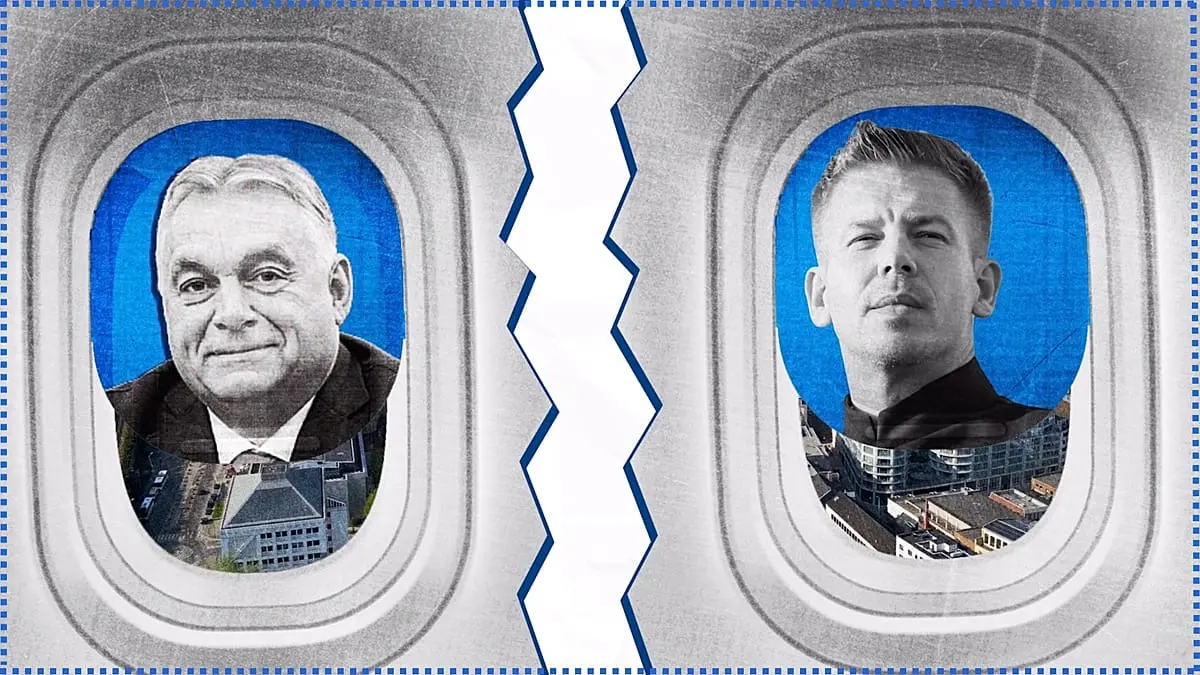
영상: 오르반 vs 마자르 — 헝가리 라이벌들의 유럽 정책 입장은?
Watch: Orbán vs Magyar — where do Hungary's rivals really stand on Europe?
Euronews
EN
2026-04-09 09:59
Translated
현재 브뤼셀에서 모두가 주목하고 있는 것이 있다면, 그것은 이번 일요일에 열리는 헝가리 총선이다. 하지만 유럽의 주요 이슈들을 놓고 보면, 빅토르 오르반과 페테르 마자르는 실제로 어느 쪽에 서 있을까?
On one side sits Premier Viktor Orbán and his ruling Fidesz party, aligned with the conservative Patriots for Europe group.
On the other side sits his challenger Péter Magyar and his Tisza party, embraced by the mainstream centre-right European People's Party.
If they shared a flight to Belgium, their views on Brussels could not be more different.
Orbán fights EU influence to protect national sovereignty. Magyar wants to repair the relationship but avoids appearing to take orders from the EU, deliberately keeping his distance from leaders like European Commission President Ursula von der Leyen.
And when they pick up the phone, who is on the other end? Orbán maintains tight ties with the Kremlin. His foreign minister was even caught briefing Moscow around key EU meetings. Magyar condemned this, accusing the government of acting on Russian President Vladimir Putin's behalf.
Looking next door to Ukraine, they differ in theory but share a political calculation. Orbán regularly blocks EU support, campaigning on the fear of war. Magyar avoids speaking about Ukraine, and his party opposes Kyiv's fast-track EU membership. But there is a personal difference. In the past, Magyar personally delivered aid to a Russian-bombed children's hospital in Kyiv.
Finally, looking across the Atlantic, Orbán relies on his close friendship with US President Donald Trump, even hosting US Vice President JD Vance this week.
Magyar, meanwhile, rejects this kind of personality-driven diplomacy, promising to root out Russian influence and restore Hungary as a reliable NATO ally.
So as you can see, all of that paints a very intriguing political picture. However, let’s not forget that in these elections, the Hungarian opposition leader faces an unequal playing field.
After 16 years in power, Fidesz maintains a grip over the state and public money, using redrawn voting districts and supportive media to gain an advantage.
And with Hungarian social media flooded with deepfakes targeting the Magyar and Tisza parties, Sunday’s vote will decide whether the facts or the fakes shape Hungary's future.
Watch the Euronews video in the player above for the full story.
On the other side sits his challenger Péter Magyar and his Tisza party, embraced by the mainstream centre-right European People's Party.
If they shared a flight to Belgium, their views on Brussels could not be more different.
Orbán fights EU influence to protect national sovereignty. Magyar wants to repair the relationship but avoids appearing to take orders from the EU, deliberately keeping his distance from leaders like European Commission President Ursula von der Leyen.
And when they pick up the phone, who is on the other end? Orbán maintains tight ties with the Kremlin. His foreign minister was even caught briefing Moscow around key EU meetings. Magyar condemned this, accusing the government of acting on Russian President Vladimir Putin's behalf.
Looking next door to Ukraine, they differ in theory but share a political calculation. Orbán regularly blocks EU support, campaigning on the fear of war. Magyar avoids speaking about Ukraine, and his party opposes Kyiv's fast-track EU membership. But there is a personal difference. In the past, Magyar personally delivered aid to a Russian-bombed children's hospital in Kyiv.
Finally, looking across the Atlantic, Orbán relies on his close friendship with US President Donald Trump, even hosting US Vice President JD Vance this week.
Magyar, meanwhile, rejects this kind of personality-driven diplomacy, promising to root out Russian influence and restore Hungary as a reliable NATO ally.
So as you can see, all of that paints a very intriguing political picture. However, let’s not forget that in these elections, the Hungarian opposition leader faces an unequal playing field.
After 16 years in power, Fidesz maintains a grip over the state and public money, using redrawn voting districts and supportive media to gain an advantage.
And with Hungarian social media flooded with deepfakes targeting the Magyar and Tisza parties, Sunday’s vote will decide whether the facts or the fakes shape Hungary's future.
Watch the Euronews video in the player above for the full story.