미국, 베네수엘라 정부가 니콜라스 마두로 변호사 비용 지불 가능하다고 말함
U.S. Says Venezuelan Government Can Pay for Nicolás Maduro’s Defense
The New York Times
· 🇺🇸 New York, US
Jonah E. Bromwich
EN
2026-04-25 12:39
Translated
이 문제는 전직 베네수엘라 지도자의 연방 형사 사건을 몇 주 동안 계속 제기해 왔습니다. 지난달 판사는 미국 정부가 자금을 차단하려는 이유에 회의적임을 나타냈습니다.
미국 정부는 금요일 저녁 베네수엘라 정부이 니콜라스 마두로의 변호사 비용을 지불할 수 있다는 점을 인정했습니다. 이 문제는 몇 주 동안 사건을 계속 제기해 왔습니다.
맨해튼 연방법원에 제출된 편지에서 뉴욕 남부지역 검사 제이 클레이튼은 재무부가 베네수엘라의 전직 대통령인 마두로와 그의 아내 실리아 플로레스의 변호사들이 자국 정부로부터 지불금을 받을 수 있도록 하는 수정된 라이센스를 발급했다고 밝혔습니다.
재무부는 이전에 그 지불금을 차단했으며, 이는 변호사들의 격렬한 항의를 야기했습니다.
이 발전은 이 사건을 담당하는 판사 알빈 K. 헬러스타인이 자금이 차단된 이유에 대해 정부에 강하게 의문을 제기한 청문회로부터 한 달 후에 나왔습니다. 판사는 심지어 미국이 방침을 바꾸지 않으면 사건을 기각하는 것을 고려할 수도 있다고 제안했으며, 이는 마두로의 변호사 배리 J. 폴락에 의해 제기된 제안이었습니다.
편지에서 클레이튼은 마두로의 변호사들이 재무부의 양보가 기소 기각을 위한 변호 노력을 무효화했으며 당분간 그 요청을 철회하기로 동의했다고 말했습니다.
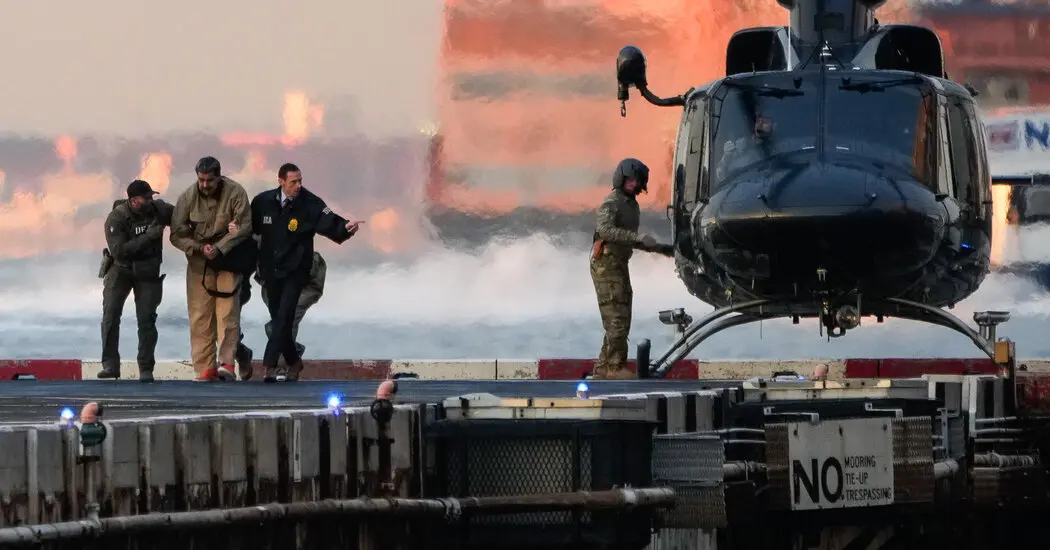
미국군은 1월에 베네수엘라의 수도 카라카스의 한 저택에서 마두로를 체포하여 미국으로 옮겼습니다. 그는 마약 테러 음모 및 코카인 수입 음모를 포함한 기타 혐의로 맨해튼에서 기소되었습니다. 마두로와 같은 기소장에서 기소된 플로레스는 무죄를 주장했습니다. 둘 다 재판을 기다리는 동안 브루클린 구치소에 구금되어 있습니다.
재판은 여전히 몇 개월, 심지어 수년 앞일 수 있습니다. 그러나 금요일 저녁 행정부의 양보는 사건의 첫 번째 주요 장애물을 제거합니다. 이 문제는 폴락이 판사 헬러스타인에게 미국 정부가 재무부의 해외자산통제실을 통해 자신에게 베네수엘라에서 지불금을 받도록 차단하고 있다고 알린 2월에 공개되었습니다.
OFAC로 알려진 이 사무실은 개인과 기업이 정상적으로 금지될 미국 제재 대상 국가와의 계약을 체결할 수 있도록 하는 라이센스를 부여합니다. 폴락은 초기에 그가 베네수엘라에서 지불금을 받을 수 있도록 허용하는 라이센스를 부여한 후 OFAC이 그 지불금을 금지하도록 해당 라이센스를 수정했다고 말했습니다.
폴락은 이 제한이 마두로가 자신의 서비스를 감당할 수 없게 만들었다고 주장했습니다. 그는 이 결정이 마두로의 자신이 선택한 변호사를 받을 헌법 6수정조항의 권리를 침해했다고 말했습니다.
지난달 맨해튼 연방법원의 청문회에서 헬러스타인 판사는 동의하는 경향을 보였습니다. 그는 마두로의 변호 권리가 "최고"라고 여러 번 말했으며 미국과 베네수엘라 간의 관계가 회복된 점을 감안하면 관련 제재가 오래되었을 수 있다고 제안했습니다.
판사가 정부에 불리하게 판결할 수 있음을 나타냈을 때, 사건의 주 검사 카일 워셀바는 트럼프 행정부가 이 문제를 재검토할 수 있다고 제안했습니다.
금요일 편지에서 클레이튼은 수정된 라이센스가 베네수엘라 자금을 미국과 베네수엘라가 공식적으로 외교 관계를 회복한 2026년 3월 5일 이후 국가 정부에 제공된 자금으로 만들어진 지불금을 포함한 특정 조건에 종속된다고 말했습니다.
편지는 헬러스타인 판사가 이 문제에 대해 판결하기 전에 제출되었습니다. 클레이튼은 검찰과 변호인이 60일 후 상태 청문회를 요청하고 있으며, 이때 재판으로의 긴 행진에서 다음 단계들이 초점을 맞추기 쉬울 것이라고 말했습니다.
조나 E. 브롬위치는 뉴욕 타임스를 위해 뉴욕 지역의 형사 사법을 다룹니다. 그는 정치적 영향력과 지역 연방 및 주 법원에서 법치주의에 미치는 영향에 중점을 두고 있습니다.
맨해튼 연방법원에 제출된 편지에서 뉴욕 남부지역 검사 제이 클레이튼은 재무부가 베네수엘라의 전직 대통령인 마두로와 그의 아내 실리아 플로레스의 변호사들이 자국 정부로부터 지불금을 받을 수 있도록 하는 수정된 라이센스를 발급했다고 밝혔습니다.
재무부는 이전에 그 지불금을 차단했으며, 이는 변호사들의 격렬한 항의를 야기했습니다.
이 발전은 이 사건을 담당하는 판사 알빈 K. 헬러스타인이 자금이 차단된 이유에 대해 정부에 강하게 의문을 제기한 청문회로부터 한 달 후에 나왔습니다. 판사는 심지어 미국이 방침을 바꾸지 않으면 사건을 기각하는 것을 고려할 수도 있다고 제안했으며, 이는 마두로의 변호사 배리 J. 폴락에 의해 제기된 제안이었습니다.
편지에서 클레이튼은 마두로의 변호사들이 재무부의 양보가 기소 기각을 위한 변호 노력을 무효화했으며 당분간 그 요청을 철회하기로 동의했다고 말했습니다.
미국군은 1월에 베네수엘라의 수도 카라카스의 한 저택에서 마두로를 체포하여 미국으로 옮겼습니다. 그는 마약 테러 음모 및 코카인 수입 음모를 포함한 기타 혐의로 맨해튼에서 기소되었습니다. 마두로와 같은 기소장에서 기소된 플로레스는 무죄를 주장했습니다. 둘 다 재판을 기다리는 동안 브루클린 구치소에 구금되어 있습니다.
재판은 여전히 몇 개월, 심지어 수년 앞일 수 있습니다. 그러나 금요일 저녁 행정부의 양보는 사건의 첫 번째 주요 장애물을 제거합니다. 이 문제는 폴락이 판사 헬러스타인에게 미국 정부가 재무부의 해외자산통제실을 통해 자신에게 베네수엘라에서 지불금을 받도록 차단하고 있다고 알린 2월에 공개되었습니다.
OFAC로 알려진 이 사무실은 개인과 기업이 정상적으로 금지될 미국 제재 대상 국가와의 계약을 체결할 수 있도록 하는 라이센스를 부여합니다. 폴락은 초기에 그가 베네수엘라에서 지불금을 받을 수 있도록 허용하는 라이센스를 부여한 후 OFAC이 그 지불금을 금지하도록 해당 라이센스를 수정했다고 말했습니다.
폴락은 이 제한이 마두로가 자신의 서비스를 감당할 수 없게 만들었다고 주장했습니다. 그는 이 결정이 마두로의 자신이 선택한 변호사를 받을 헌법 6수정조항의 권리를 침해했다고 말했습니다.
지난달 맨해튼 연방법원의 청문회에서 헬러스타인 판사는 동의하는 경향을 보였습니다. 그는 마두로의 변호 권리가 "최고"라고 여러 번 말했으며 미국과 베네수엘라 간의 관계가 회복된 점을 감안하면 관련 제재가 오래되었을 수 있다고 제안했습니다.
판사가 정부에 불리하게 판결할 수 있음을 나타냈을 때, 사건의 주 검사 카일 워셀바는 트럼프 행정부가 이 문제를 재검토할 수 있다고 제안했습니다.
금요일 편지에서 클레이튼은 수정된 라이센스가 베네수엘라 자금을 미국과 베네수엘라가 공식적으로 외교 관계를 회복한 2026년 3월 5일 이후 국가 정부에 제공된 자금으로 만들어진 지불금을 포함한 특정 조건에 종속된다고 말했습니다.
편지는 헬러스타인 판사가 이 문제에 대해 판결하기 전에 제출되었습니다. 클레이튼은 검찰과 변호인이 60일 후 상태 청문회를 요청하고 있으며, 이때 재판으로의 긴 행진에서 다음 단계들이 초점을 맞추기 쉬울 것이라고 말했습니다.
조나 E. 브롬위치는 뉴욕 타임스를 위해 뉴욕 지역의 형사 사법을 다룹니다. 그는 정치적 영향력과 지역 연방 및 주 법원에서 법치주의에 미치는 영향에 중점을 두고 있습니다.
처리 완료
3,611 tokens · $0.0101
기사 수집 완료 · 13:00
매체 피드에서 기사 메타데이터 수집
헤드라인 번역 완료 · 13:15
제목/요약 한국어 번역 (fetch 시점 inline)
claude-haiku-4-5-20251001
251 tokens
$0.00064
1.9s
본문 추출 완료
3,820자 추출 완료
본문 한국어 번역 완료 · 13:15
1,736자 번역 완료
claude-haiku-4-5-20251001
3,360 tokens
$0.00947
18.7s
지정학적 엔티티 추출 완료 · 13:15
6개 엔티티 추출 완료
지정학적 맥락 & R-Scanner
R-Scanner · 핫스팟
z=2.38
평소보다 훨씬 많은 매체가 집중 보도 중 — 기준: Venezuela
(🇻🇪 VE)
최근 6시간 9건
7일 평균 3.79건 / 6h
3개국 매체
3개 매체
본문에서 추출된 지명 (6)
위치 지도
지도 로딩 중…
같은 주제의 다른 기사 (최근 7일)
The issue had been hanging over the former Venezuelan leader’s federal criminal case for weeks. Last month, a judge indicated that he was skeptical of the U.S. government’s rationale for blocking the funds.
The U.S. government on Friday evening conceded that the Venezuelan government could pay for Nicolás Maduro’s defense lawyers, an issue that had been hanging over the case for weeks.In a letter filed in Manhattan federal court, the U.S. attorney for the Southern District of New York, Jay Clayton, said that the Treasury Department had issued amended licenses that would allow defense lawyers for Mr. Maduro, the former president of Venezuela, and his wife, Cilia Flores, to receive payments from their country’s government.
The department had previously blocked those payments, setting off furious protests from defense lawyers.
The development comes a month after a hearing in which the judge presiding over the case, Alvin K. Hellerstein, sharply questioned the government as to why the funds were being blocked. The judge even suggested that if the United States did not change course, he might consider dismissing the case, a suggestion that had been made by a lawyer for Mr. Maduro, Barry J. Pollack.
In the letter, Mr. Clayton said that Mr. Maduro’s lawyers had agreed that the Treasury Department’s concession had rendered the defense’s efforts to dismiss the indictment moot and were withdrawing that request for the time being.
American forces seized Mr. Maduro from a compound in Venezuela’s capital, Caracas, in January and transported him to the United States. He was charged in Manhattan with conspiracies to commit narco-terrorism and import cocaine, along with other counts. Mr. Maduro and Ms. Flores, who was charged in the same indictment, have pleaded not guilty. Both are being held in a Brooklyn detention facility while they await trial.
A trial is still months if not years away. But the concession by the administration on Friday evening clears the first major hurdle in the case. The issue first became public in February when Mr. Pollack alerted Judge Hellerstein that the U.S. government was blocking the Venezuelan government from paying him through the Treasury Department’s Office of Foreign Assets Control.
The office, known as OFAC, grants licenses that allow individuals and companies to enter arrangements with countries subject to U.S. sanctions that would normally be barred. Mr. Pollack said that after initially granting a license that would have allowed him to accept payment from Venezuela, OFAC amended that license to bar those payments.
Mr. Pollack argued that the restriction rendered Mr. Maduro unable to afford his services. He said that the decision interfered with Mr. Maduro’s Sixth Amendment right to the counsel of his choice.
At the hearing in Manhattan federal court last month, Judge Hellerstein appeared inclined to agree. He said several times that Mr. Maduro’s right to defense was “paramount” and suggested that the relevant sanctions might be outdated given the renewed relations between the United States and Venezuela.
When the judge indicated he might rule against the government, the lead prosecutor on the case, Kyle Wirshba, suggested that the Trump administration might revisit the issue.
In his Friday letter, Mr. Clayton said that the amended licenses subjected the Venezuelan funds to certain conditions, including that the payments are made with funds available to the country’s government after March 5, 2026, the day that Venezuela and the United States formally reestablished diplomatic relations.
The letter was filed before Judge Hellerstein ruled on the issue. Mr. Clayton said that the prosecution and defense were requesting a status hearing in 60 days, at which the next steps in the lengthy march to trial are likely to come into focus.
Jonah E. Bromwich covers criminal justice in the New York region for The Times. He is focused on political influence and its effect on the rule of law in the area's federal and state courts.